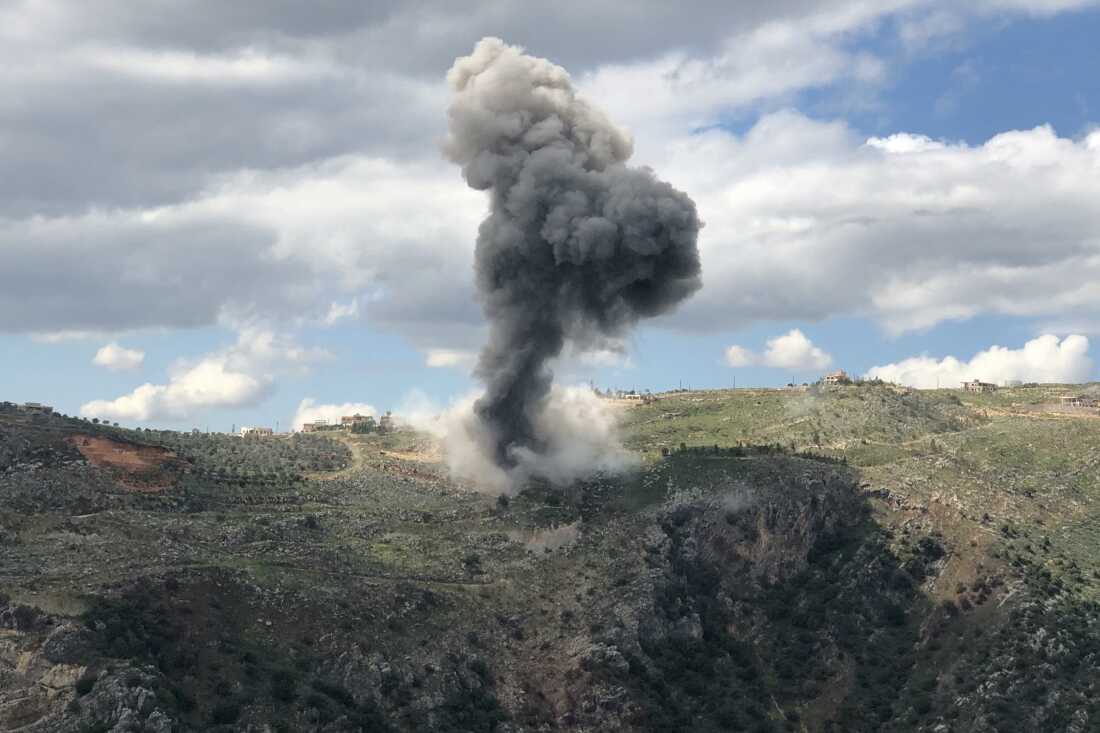
Middle East, April 07, 2026 (Parliament Politics Magazine) Middle East border clashes have escalated sharply after Israeli military officials confirmed that 36 soldiers were injured within a 48-hour period near Lebanon. This surge in casualties brings the total number of wounded personnel to 411, reflecting a rapidly deteriorating security situation.
The latest developments highlight how quickly localized confrontations are evolving into sustained military engagements. Officials described the past two days as among the most intense since hostilities resumed along the northern front.
A senior defense source stated,
“The scale and frequency of engagements indicate a structured escalation rather than isolated incidents.”
Surge in Casualties Raises Strategic Concerns
The growing number of injuries tied to Middle East border clashes is raising alarms among military analysts and policymakers. While many of the reported injuries are not life-threatening, the cumulative toll suggests a prolonged and increasingly complex confrontation.
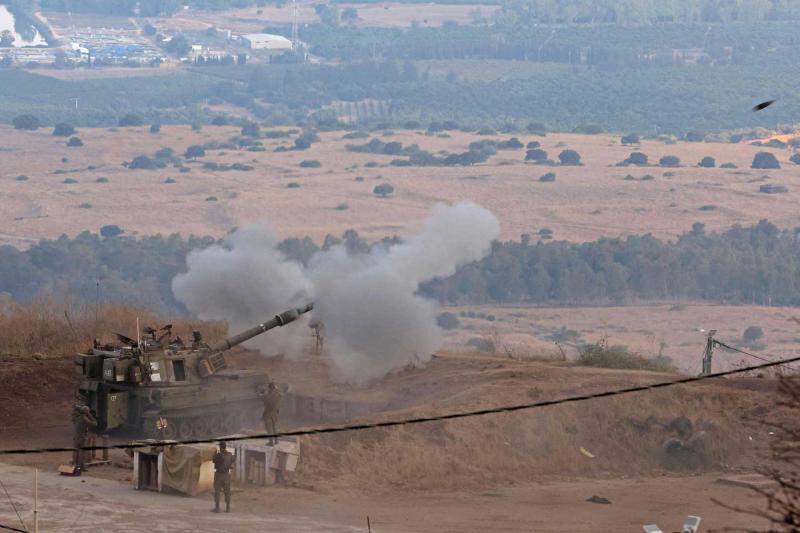
The 36 soldiers injured over the recent 48-hour window were reportedly affected by a combination of artillery fire, drone attacks, and direct combat operations. This pattern indicates a shift toward more aggressive and coordinated tactics on both sides of the border.
Experts warn that sustained casualty rates could strain military readiness over time, especially if the conflict continues without a clear resolution.
Escalation Patterns Along the Northern Border
Middle East border clashes are now centered heavily along Israel’s northern boundary, where exchanges of fire have become more frequent and intense. Air defense systems have been activated repeatedly, while ground units remain deployed in high-risk zones.
Communities near the border are experiencing heightened tension, with frequent warning sirens and increased security measures. The unpredictability of incoming threats has made daily life more challenging for civilians in affected areas.
A regional analyst noted,
“We are witnessing a gradual normalization of high-intensity conflict conditions, which is deeply concerning.”
Total War Toll Reaches 411
The confirmation that 411 Israeli soldiers have been injured since the escalation began underscores the seriousness of the ongoing Middle East border clashes. This figure represents a significant increase compared to earlier phases of the conflict, suggesting a shift toward sustained military engagement.
Military planners are closely monitoring casualty trends as they evaluate operational strategies. The rising numbers highlight the difficulty of containing the conflict within manageable limits.
A defense expert commented,
“When injury numbers rise at this pace, it becomes clear that both sides are preparing for a longer-term confrontation.”
Regional Dynamics and Broader Implications
The ongoing Middle East border clashes are closely tied to broader geopolitical tensions, particularly involving Iran. Regional alliances and proxy dynamics continue to influence the intensity and direction of the conflict.
Analysts believe that external support for armed groups operating in southern Lebanon plays a key role in sustaining the current level of hostilities. This adds complexity to any efforts aimed at de-escalation.
The risk of a wider regional conflict remains a major concern, as even a single miscalculation could trigger a broader military response involving multiple countries.
Civilian Impact and Growing Uncertainty
Beyond the battlefield, Middle East border clashes are having a significant impact on civilian populations. Residents in border regions are facing ongoing disruptions, including security alerts, limited mobility, and economic uncertainty.
In northern Israel, some communities have adopted emergency protocols, while areas in southern Lebanon are also experiencing heightened instability. The psychological toll on civilians is becoming increasingly evident as tensions persist.
Humanitarian observers emphasize the importance of protecting civilian populations and preventing further displacement as the situation evolves.
Military Response and Tactical Adjustments
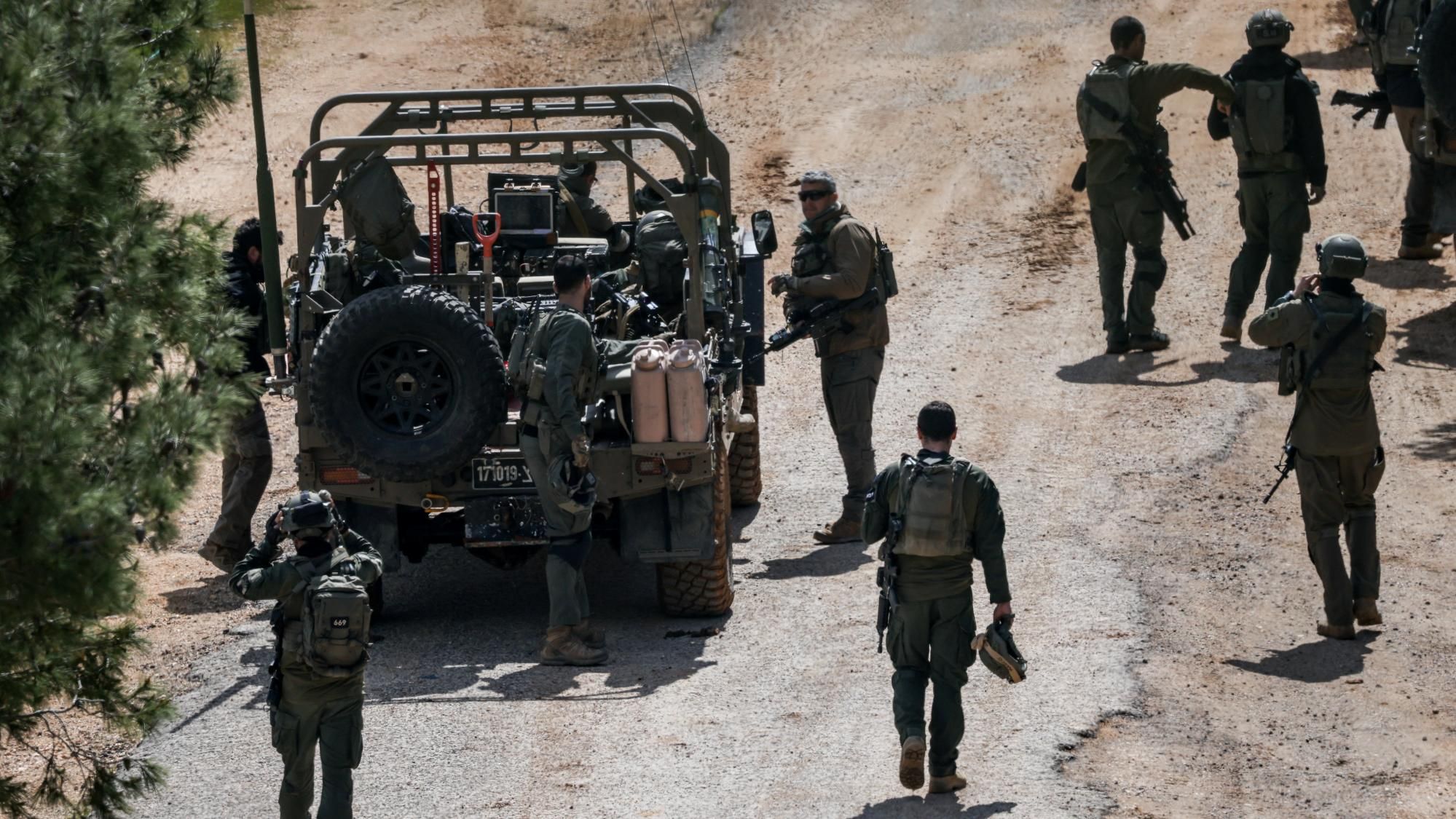
In response to the rising number of injuries, Israeli military leadership is reviewing its operational approach. Adjustments may include enhanced protective equipment, improved intelligence gathering, and refined engagement tactics.
These measures aim to reduce exposure to threats while maintaining operational effectiveness. However, experts caution that such adjustments may only partially mitigate the risks associated with ongoing Middle East border clashes.
A military spokesperson stated, “We are adapting to the realities on the ground, but the challenges remain significant.”
International Reaction and Diplomatic Efforts
Global attention is increasingly focused on the escalation of Middle East border clashes. International leaders have called for restraint and urged both sides to pursue diplomatic solutions.
Efforts to de-escalate tensions are ongoing, but progress remains uncertain. The complexity of regional alliances and the pace of military developments continue to challenge diplomatic initiatives.
Observers note that sustained international pressure may be necessary to prevent further escalation and stabilize the situation.
What Lies Ahead in Middle East Border Clashes?
The future of Middle East border clashes remains uncertain as both sides continue to engage in active operations. While there are efforts to prevent a full-scale war, the rising casualty figures suggest that the conflict is entering a more dangerous phase.
Key questions remain about whether the situation can be contained or if it will expand into a broader regional confrontation. The coming days and weeks will be critical in shaping the trajectory of the conflict.
Voices from the Frontline
“36 injuries in just 48 hours reveal how rapidly Middle East border clashes are spiraling toward a wider crisis.”
A Critical Moment in Middle East Border Clashes
Middle East border clashes have reached a critical turning point, with 36 soldiers injured in a short 48-hour span and total casualties climbing to 411. The escalation along the Israel-Lebanon border highlights the fragile balance between controlled conflict and full-scale war.
Military operations are intensifying, civilian concerns are growing, and regional dynamics continue to complicate the situation. As global attention remains fixed on the unfolding events, the path forward remains uncertain.