

Beirut, Lebanon, April 2, 2026 (Parliament Politics Magazine) Middle East humanitarian crisis continues to escalate in 2026, with thousands of displaced families from Headlines clean & factual facing an uncertain future as conflict and instability persist. Entire communities remain uprooted, struggling to survive in temporary conditions while hopes of returning home fade with each passing day.
What began as a wave of temporary evacuations has now transformed into a prolonged displacement crisis, leaving families caught between insecurity and uncertainty. With damaged infrastructure and ongoing threats, returning home remains a distant possibility for many.
Widespread Displacement Across Southern Lebanon
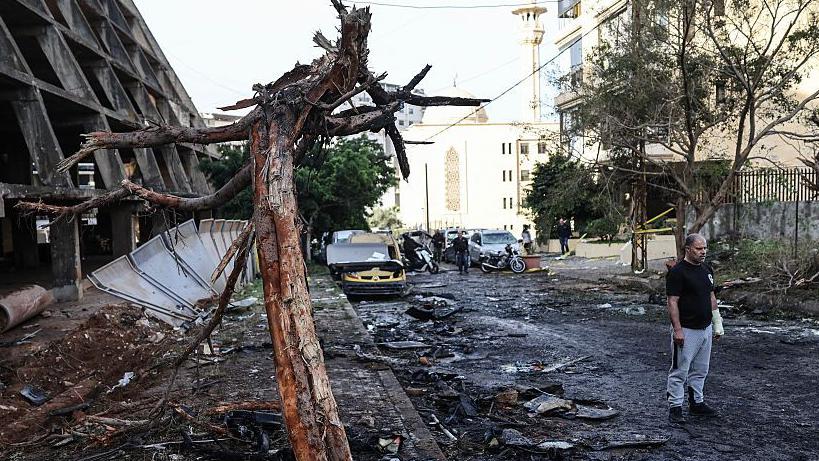
The scale of the Middle East humanitarian crisis has intensified dramatically, particularly in southern Lebanon. Villages near the border have been largely abandoned as residents fled escalating violence.
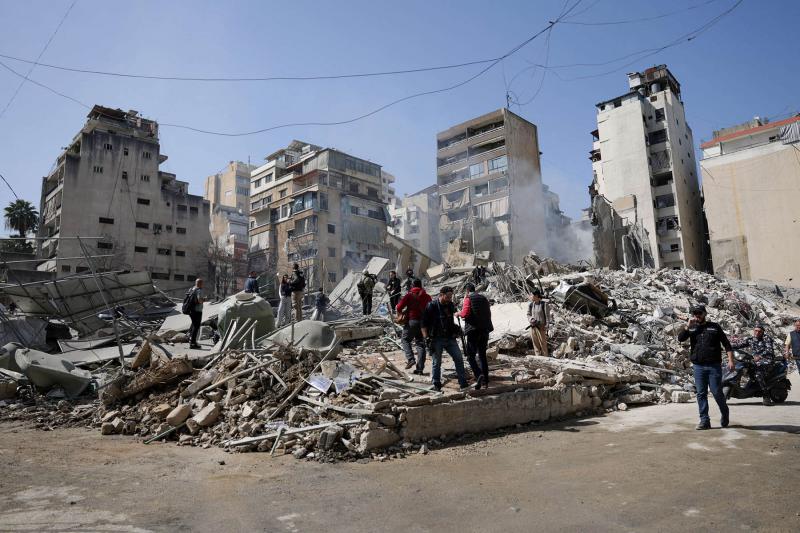
Many displaced individuals report that their homes have suffered severe destruction. Essential services such as electricity, clean water, and healthcare systems have collapsed in affected areas, making immediate return nearly impossible.
Humanitarian estimates suggest tens of thousands remain displaced, with numbers expected to rise if instability continues.
Families Living in Uncertainty
The emotional burden of the Middle East humanitarian crisis is deeply felt among displaced populations. Families who once believed their relocation would be temporary now face the possibility of permanent displacement.
One displaced resident said:
“We thought we would return in a few days. Now, months later, everything is uncertain. Our home may no longer exist.”
This growing uncertainty has created widespread anxiety, as families struggle to rebuild their lives without knowing what the future holds.
Overcrowded Shelters and Resource Shortages
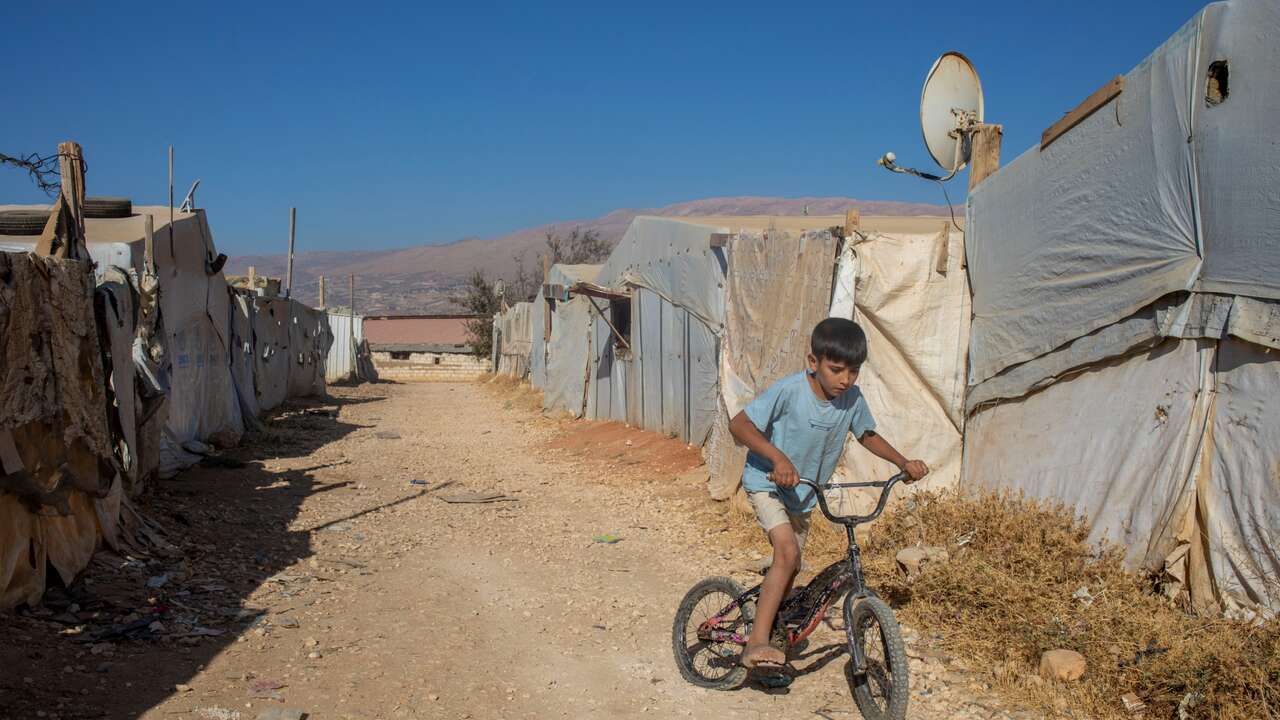
Relief organizations are under immense pressure as the Middle East humanitarian crisis strains available resources. Temporary shelters are overcrowded, with limited access to food, clean water, and medical services.
Aid workers warn that prolonged displacement could worsen living conditions, particularly for vulnerable groups such as children and the elderly.
In many areas, schools have been repurposed as shelters, disrupting education and adding to the long-term impact on communities.
Security Risks Prevent Return
Despite calls for de-escalation, security conditions in southern Lebanon remain unstable. Ongoing military activity and unexploded ordnance continue to pose serious threats to returning residents.
Experts emphasize that without a sustained ceasefire and coordinated reconstruction efforts, large-scale return remains unlikely.
A regional analyst stated:
“Even if the conflict stopped today, rebuilding and ensuring safety could take years.”
This reality reinforces fears that displacement may become a long-term condition rather than a temporary crisis.
Economic Collapse for Displaced Families
The Middle East humanitarian crisis has also triggered severe economic consequences. Many displaced individuals have lost their primary sources of income, including farming, small businesses, and local trade.
Without stable employment, families are increasingly dependent on aid, which is often insufficient to meet basic needs.
This economic instability further complicates recovery efforts and limits the ability of displaced individuals to regain independence.
Global Response Faces Challenges
International organizations have called for increased assistance, but funding shortages and political complexities have slowed large-scale response efforts.
The Middle East humanitarian crisis continues to unfold amid geopolitical tensions, making coordinated action difficult. While humanitarian aid has reached some affected areas, it remains far below what is needed.
Experts warn that without stronger international intervention, the crisis could deepen further in the coming months.
Children at the Center of the Crisis
Children are among the most affected by the Middle East humanitarian crisis. Many have experienced trauma, displacement, and disruption to their education.
Limited access to psychological support and schooling raises concerns about long-term developmental impacts.
Families worry that an entire generation may suffer lasting consequences if displacement continues without resolution.
Resilience Amid Hardship
Despite the ongoing challenges, displaced communities have shown resilience. Local initiatives and volunteer networks have helped provide basic support where formal aid falls short.
These efforts highlight the strength of communities, but they also underscore the urgent need for sustained external assistance and long-term solutions.
Uncertain Future for Southern Lebanon
The future remains uncertain for thousands affected by the Middle East humanitarian crisis. Without lasting peace and significant reconstruction, the likelihood of return continues to diminish.
Temporary shelters risk becoming permanent settlements, and the longer displacement continues, the more difficult recovery becomes.
Key Takeaways
The Middle East humanitarian crisis in 2026 is rapidly deepening as displaced families from southern Lebanon remain unable to return home. With destroyed infrastructure, ongoing security threats, and limited aid, uncertainty defines daily life for thousands. Without urgent international action and long-term stability, the crisis risks becoming a permanent humanitarian disaster affecting an entire generation.
