

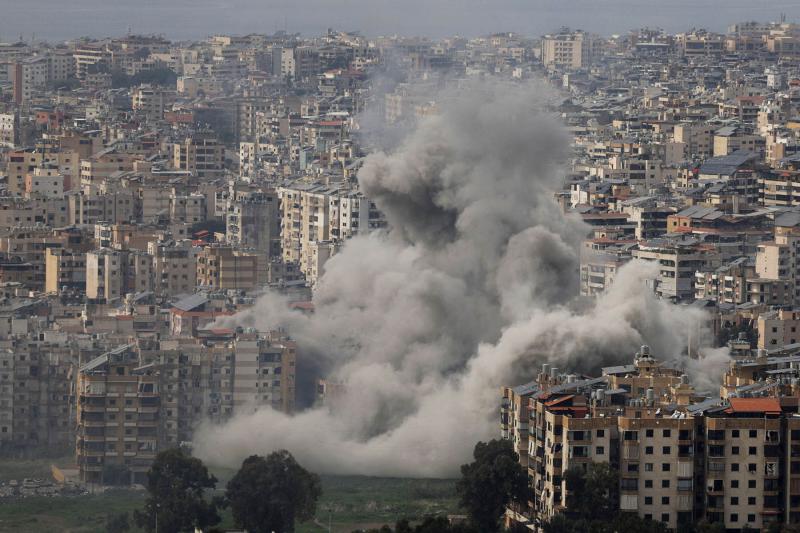
Jerusalem, April 08, 2026 (Parliament Politics Magazine) Israel Iran conflict fallout is increasingly shaping regional dynamics as military and political developments spill beyond Iran into neighboring fronts, particularly Lebanon. As the war’s consequences deepen, questions are emerging about whether expanding conflict zones reflect strategic necessity or mounting political pressure within Israel’s leadership.
The ongoing war, which began in late February with coordinated strikes on Iranian targets, has already triggered widespread retaliation and instability across the region. Now, the fallout appears to be reshaping priorities, with the Lebanon front gaining renewed urgency amid criticism of outcomes tied to Iran operations.
Aftermath of Iran Operations Fuels Political Pressure
The Israel Iran conflict fallout has not delivered the clear, decisive outcomes many had expected. Despite initial claims of strategic gains, analysts argue that Iran has demonstrated resilience, maintaining its ability to retaliate and disrupt regional stability.
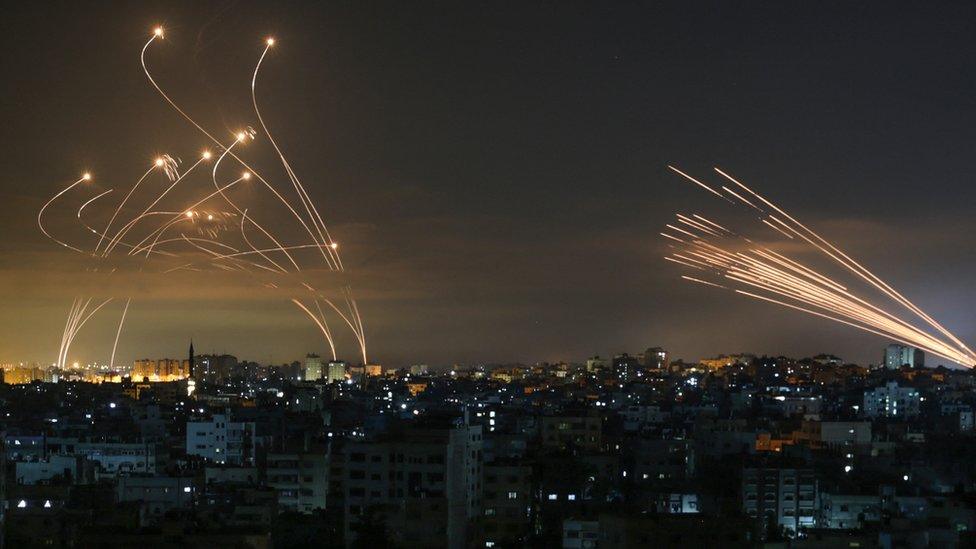
Recent reports suggest that the conflict has instead intensified risks across the Middle East, including missile exchanges, infrastructure damage, and economic disruption.
Critics point out that while military objectives may have been partially achieved, the broader strategic picture remains uncertain. This uncertainty is contributing to rising domestic pressure on leadership.
Lebanon Front Emerges as Key Flashpoint
As the Israel Iran conflict fallout continues, Lebanon is once again becoming a focal point of military and political activity. The escalation is drawing attention because of its timing—coinciding with increasing scrutiny of Iran-related outcomes.
Lebanon’s strategic importance lies in its proximity and the presence of armed groups aligned with Iran. Historically, this has made it a central theater in broader regional conflicts.
Analysts suggest that shifting attention toward Lebanon may serve multiple purposes:
- Reinforcing national security messaging
- Demonstrating continued military capability
- Redirecting public focus from unresolved Iran-related challenges
However, expanding the conflict into Lebanon carries significant risks, including the potential for a wider regional war.
Global Impact of the Israel Iran Conflict Fallout
The consequences of the Israel Iran conflict fallout are not limited to the Middle East. The war has already disrupted global markets, particularly energy supplies.
Oil prices have surged amid fears of prolonged instability and potential blockages of critical trade routes. Economic uncertainty has followed, affecting global financial forecasts and investor confidence.
Countries heavily dependent on energy imports are feeling the pressure, highlighting how regional conflicts can quickly become global economic challenges.
Domestic Politics and Strategic Decisions
The intersection of domestic politics and military strategy is becoming increasingly evident in the Israel Iran conflict fallout. As criticism grows, leadership faces pressure to demonstrate strength and control.
Some analysts argue that expanding operations into Lebanon may help shift the narrative away from perceived shortcomings in Iran-related strategies.
“Escalation abroad often signals pressure at home,”
one geopolitical expert noted, emphasizing how military decisions can be influenced by internal political dynamics.
This perspective is gaining attention as debates intensify over the direction and effectiveness of current policies.
Risks of a Multi-Front Conflict
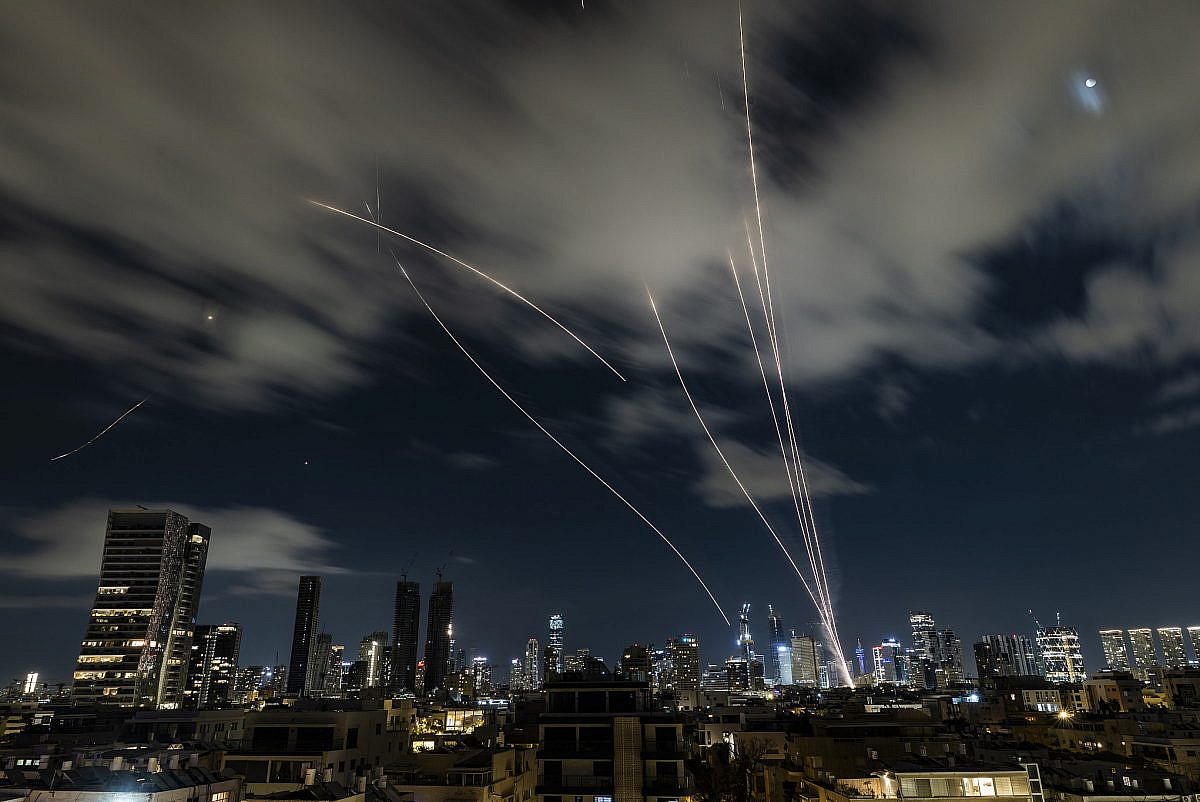
The Israel Iran conflict fallout has already extended beyond a single theater, with multiple fronts becoming active. From missile exchanges to cyber operations, the scope of the conflict is expanding.
Experts warn that opening additional fronts, such as Lebanon, increases the likelihood of:
- Prolonged military engagement
- Higher civilian casualties
- Greater geopolitical instability
The risk of miscalculation is particularly concerning. In complex environments, even limited actions can trigger broader escalations.
International Response and Diplomatic Efforts
Global reactions to the Israel Iran conflict fallout have been cautious but increasingly urgent. Calls for restraint and diplomacy are growing louder as concerns about escalation intensify.
Recent developments, including temporary ceasefire agreements, highlight the fragile nature of the situation. While such measures provide short-term relief, they do not address underlying tensions.
Diplomatic efforts remain critical in preventing further escalation, but progress has been slow and uncertain.
Media Narratives and Public Perception
Public perception is playing a key role in shaping the narrative around the Israel Iran conflict fallout. Media coverage is influencing how events are understood both domestically and internationally.
Supporters of current policies emphasize the need for strong action to ensure security. Critics, however, question whether expanding conflict zones is the right approach.
This divide reflects broader societal tensions and underscores the challenges of maintaining unity during times of conflict.
Long-Term Strategic Implications
The long-term consequences of the Israel Iran conflict fallout remain uncertain. While short-term political and military objectives may be achieved, the broader impact could reshape the region for years to come.
Potential outcomes include:
- Shifts in regional alliances
- Increased military spending
- Prolonged instability
Experts warn that decisions made in the current environment will have lasting effects, making careful strategy essential.
Is Lebanon a Distraction or Strategic Necessity?
One of the central questions surrounding the Israel Iran conflict fallout is whether the focus on Lebanon represents a necessary strategic move or a diversion from unresolved challenges.
If the escalation is driven primarily by political considerations, it may lack long-term sustainability. On the other hand, if it is part of a broader strategy, it could redefine regional dynamics.
At present, the answer remains unclear, but the stakes continue to rise.
Key Takeaways
The Israel Iran conflict fallout is reshaping the Middle East, with significant implications for both regional stability and global markets.
- The war has failed to deliver clear, decisive outcomes
- Lebanon is emerging as a new focal point of escalation
- Political pressure may be influencing military decisions
- Global economic impacts are already visible
- Risks of a wider, multi-front conflict are increasing
As the situation continues to evolve, the balance between political strategy and long-term stability will be critical in determining the outcome.
