

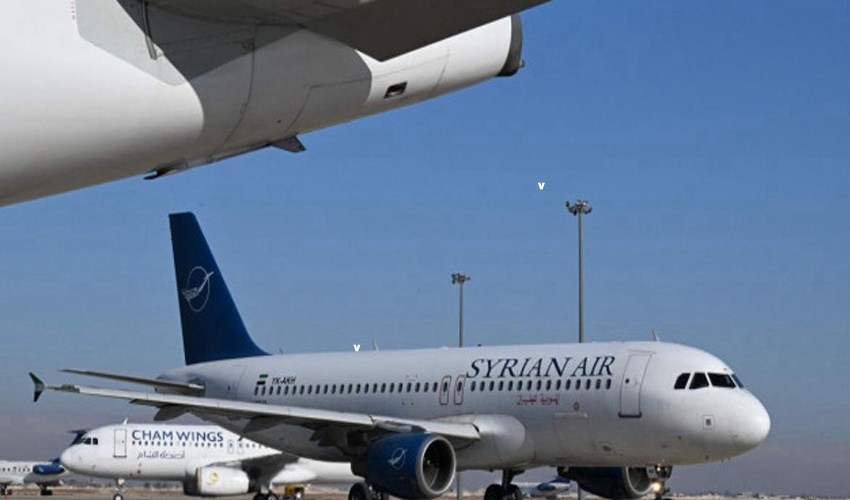
Damascus, Syria, April 08, 2026 (Parliament Politics Magazine) Middle East aviation recovery is entering a critical phase in 2026 as Syria reopens its airspace and resumes operations at Damascus International Airport. The development marks one of the most significant aviation milestones in the region following years of disruptions caused by conflict and geopolitical instability.
Authorities confirmed that flights are gradually returning, with both cargo and passenger services being reintroduced under strict monitoring. The reopening is being viewed as a calculated step toward rebuilding confidence in regional air travel.
“This moment represents more than operational recovery,”
an aviation analyst noted.
“It reflects a broader shift in regional stability and economic direction.”
Why Airspace Closures Disrupted the Region
The progress in Middle East aviation recovery cannot be fully understood without recognizing the impact of earlier airspace closures. Ongoing military tensions, airstrikes, and security risks forced airlines to reroute flights, avoid Syrian airspace, and depend on longer, costlier travel paths.
These disruptions had wide-reaching consequences:
- Increased fuel consumption and operational costs
- Extended travel times between Europe, Asia, and the Gulf
- Delays in cargo and humanitarian aid delivery
- Reduced airline efficiency and profitability
The reopening now signals a reversal of these constraints, offering airlines the opportunity to restore more efficient routes.
Damascus Airport Resumes Operations
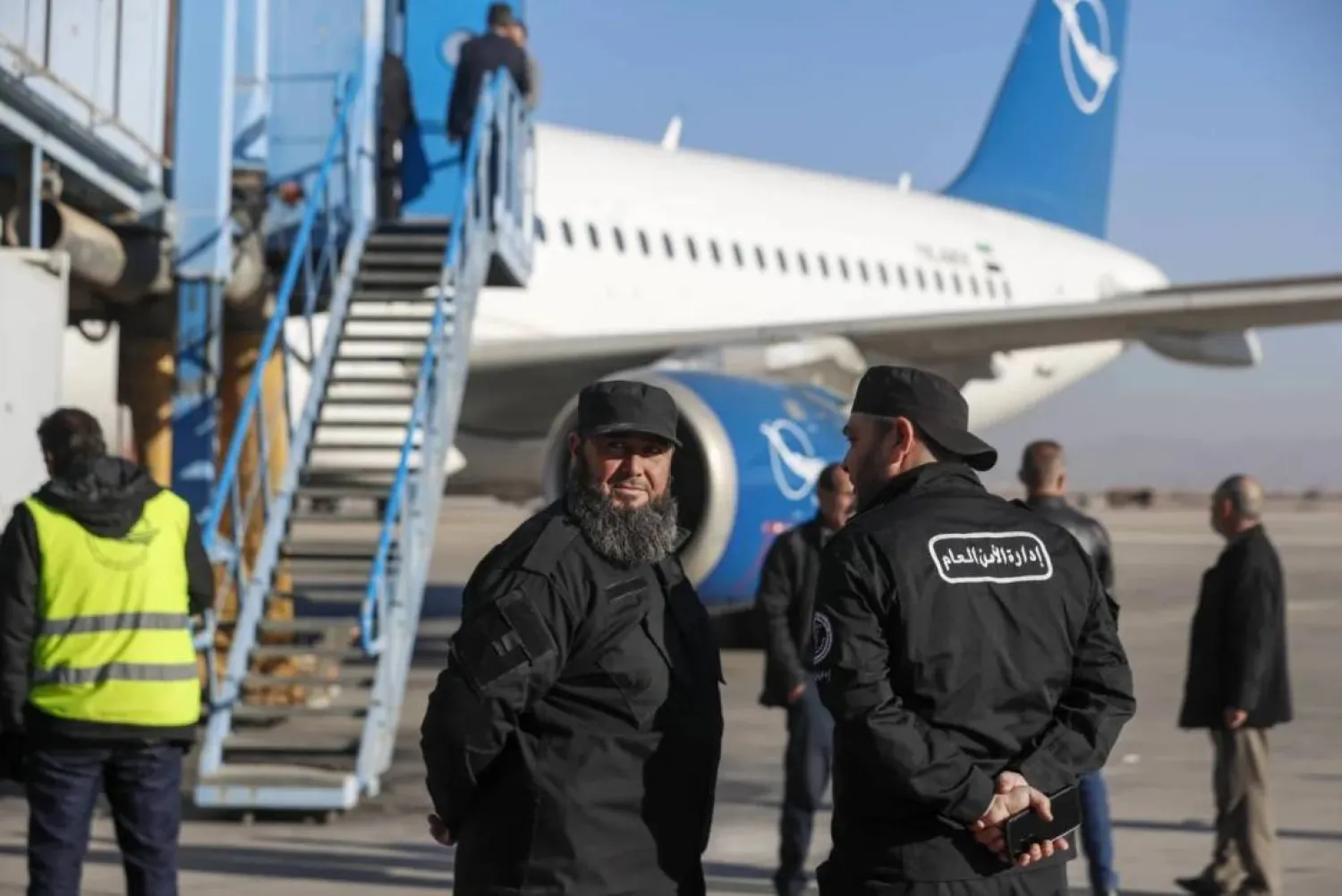
With Middle East aviation recovery gaining traction, Damascus International Airport has resumed operations with upgraded safety measures and infrastructure checks. Officials confirmed that runways, navigation systems, and control towers were thoroughly inspected before reopening.
Initial operations focus on:
- Humanitarian and essential travel flights
- Cargo shipments critical to supply chains
- Limited international routes with gradual expansion
Passengers arriving at the airport describe a cautious yet hopeful environment, reflecting both relief and uncertainty as normal travel begins to return.
Economic Implications of Aviation Recovery
The acceleration of Middle East aviation recovery could have profound economic consequences. Aviation serves as a backbone for trade, tourism, and regional integration, and its revival often signals broader economic momentum.
Key economic benefits include:
- Restoration of trade routes and logistics networks
- Increased business travel and commercial activity
- Job creation within aviation and related sectors
- Potential for foreign investment in rebuilding infrastructure
Economists suggest that even partial restoration of aviation routes can stimulate growth in multiple sectors simultaneously.

Regional Impact on Airlines and Routes
Airlines across the region are closely monitoring developments tied to Middle East aviation recovery. If stability continues, carriers may begin rerouting flights through Syrian airspace, reducing both travel time and fuel costs.
This could also:
- Ease congestion in alternative air corridors
- Improve scheduling efficiency for airlines
- Lower operational costs for long-haul flights
However, most airlines remain cautious, waiting for sustained stability before fully committing to route changes.
Security Challenges Still Loom
Despite positive momentum, Middle East aviation recovery faces ongoing risks. The region remains geopolitically complex, with potential flashpoints that could disrupt progress at any time.
Aviation experts emphasize that:
- Security assurances must remain consistent
- International aviation regulators will continue monitoring conditions
- Insurance and risk assessments will influence airline decisions
The reopening of Syrian airspace is a step forward—but not a guarantee of long-term stability.
Humanitarian and Social Benefits
One of the most immediate advantages of Middle East aviation recovery is the improved delivery of humanitarian aid. Air routes play a vital role in transporting medical supplies, food, and emergency personnel.
Additionally, the reopening enables:
- Family reunifications after prolonged separation
- Greater mobility for displaced individuals
- Support for rebuilding communities affected by conflict
These social impacts often go hand-in-hand with economic recovery, reinforcing the broader significance of aviation.
International Reactions and Outlook
Global responses to Middle East aviation recovery have been measured. While some nations welcome the reopening as a positive sign, others remain cautious due to ongoing uncertainties.
Aviation authorities worldwide are expected to:
- Review updated safety conditions
- Issue revised travel advisories
- Assess risks before approving flight operations
The pace of international acceptance will likely determine how quickly full recovery unfolds.
The Bigger Picture: Regional Stability and Growth
The advancement of Middle East aviation recovery reflects more than just operational improvements—it signals a potential shift in regional dynamics. Aviation often serves as an early indicator of stability, as reopening airspace requires coordination, security, and confidence.
Observers note that:
- Infrastructure restoration is key to long-term recovery
- Aviation connects economies and cultures
- Stability in one sector can influence broader regional progress
Quote Section
“When skies reopen, economies breathe again—aviation recovery is often the first real sign that stability is returning.”
What Comes Next for Aviation in the Region
The future of Middle East aviation recovery depends on sustained progress across multiple fronts:
- Continued regional stability
- Strengthened diplomatic relations
- Confidence from airlines and regulators
- Ongoing infrastructure improvements
If these conditions hold, the region could reestablish itself as a critical global aviation corridor.
A Critical Moment for Recovery
Middle East aviation recovery is gaining real momentum in 2026, driven by Syria’s decision to reopen its airspace and resume operations at Damascus International Airport. While challenges remain, this development offers a strong indication that the region may be entering a new phase of connectivity, economic revival, and cautious optimism.
