

Brussels / Global Markets, April 09, 2026 (Parliament Politics Magazine) supply chain food disruption is intensifying as conflict in the Middle East continues to strain global trade routes and limit access to essential food supplies. International institutions warn that prolonged instability is driving up prices and increasing the risk of hunger across multiple regions.
Conflict-Driven Disruptions Spread Globally
The growing supply chain food disruption is no longer confined to a single region. The ripple effects of war are now being felt across global markets, affecting countries that rely heavily on food imports.
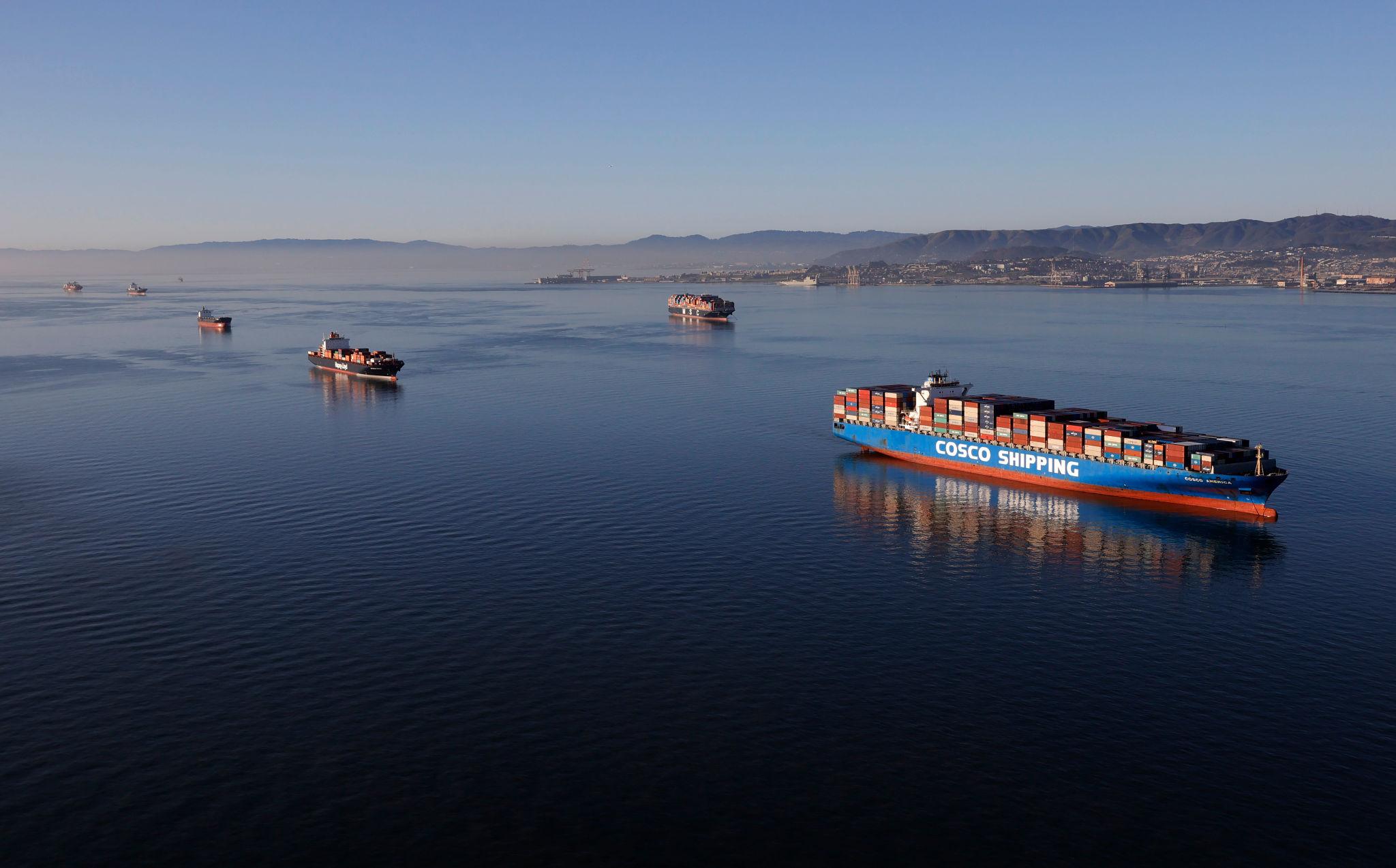
Shipping routes passing through high-risk areas remain unstable, forcing companies to reroute deliveries. This has led to longer transit times and reduced efficiency, contributing to shortages in some markets.
The interconnected nature of global trade means that disruptions in one region can quickly cascade into widespread supply challenges.
Shipping and Logistics Challenges Intensify
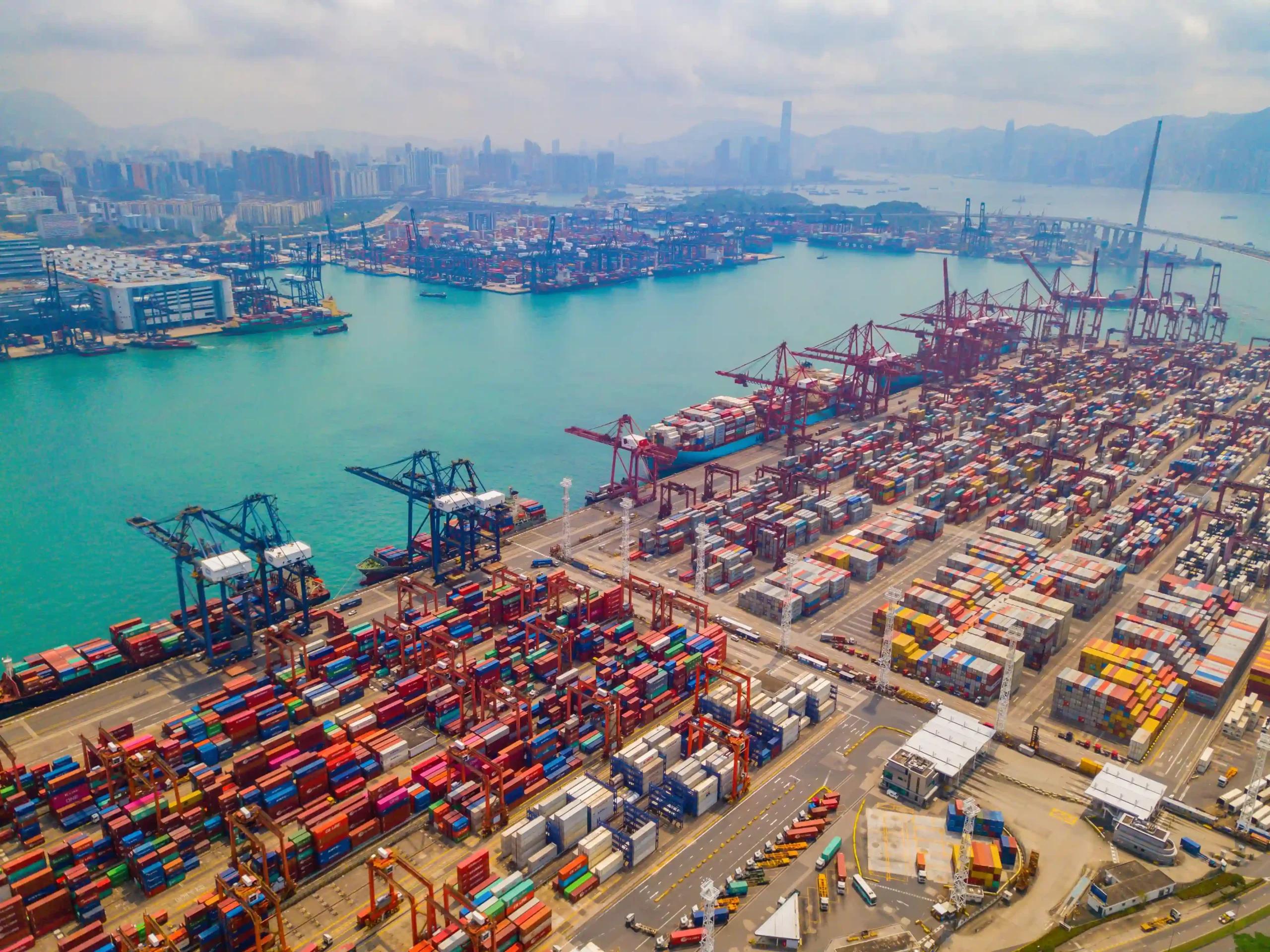
A major driver of supply chain food disruption is the breakdown of efficient logistics systems. Shipping delays, higher insurance costs, and security concerns are slowing the movement of food products worldwide.
Grain shipments, a cornerstone of global food supply, are particularly affected. Delays in these shipments create immediate shortages and push prices higher on international markets.
Logistics companies are struggling to maintain consistent schedules, adding further uncertainty to already strained supply chains.
Food Prices Rise Across Global Markets
The economic impact of supply chain food disruption is becoming increasingly visible. Food prices are rising in many regions, placing additional pressure on households.
Staple foods such as wheat, rice, and cooking oils are experiencing noticeable price increases. For lower-income populations, these changes can significantly affect daily living conditions.
Even in more developed economies, rising food costs are contributing to broader inflation concerns, affecting both consumers and businesses.
A global economist stated:
“What we are witnessing is a systemic disruption where conflict, logistics, and economics are converging to drive food insecurity.”
Humanitarian Concerns Grow Rapidly
The humanitarian consequences of supply chain food disruption are becoming more severe. Communities already facing food insecurity are now at greater risk as supplies become less reliable.
Aid organizations are warning that the number of people requiring assistance could increase if disruptions continue. Access to humanitarian aid is also being affected by logistical challenges and rising costs.
In vulnerable regions, the situation is approaching critical levels, with limited access to essential food supplies.
Energy Costs Add Additional Pressure
Energy markets play a significant role in the current supply chain food disruption. Rising fuel costs, driven by geopolitical tensions, are increasing transportation and production expenses.
Farmers are facing higher costs for fertilizers, equipment, and distribution, which in turn affects overall food production levels. These pressures contribute to reduced supply and higher market prices.
The result is a compounded effect where energy and food markets are closely linked, amplifying the overall crisis.
Global Policy Response Faces Challenges
Efforts to address supply chain food disruption are underway, but progress remains slow. Governments and international organizations are working to stabilize supply chains and support affected populations.
However, the complexity of the crisis makes coordinated action difficult. Differences in policy priorities and resource availability can hinder effective responses.
Long-term solutions will require sustained cooperation and strategic investment in resilient food systems.
Long-Term Impact on Global Food Systems
The ongoing supply chain food disruption could lead to lasting changes in how food is produced and distributed globally. Countries may prioritize domestic production to reduce dependence on imports.
Businesses are also exploring new strategies to build more resilient supply chains, including diversification and increased storage capacity.
While these changes may improve stability over time, they also introduce new challenges and costs.
Voices From the Ground Highlight Reality
For individuals affected by supply chain food disruption, the crisis is deeply personal. Families are adjusting their spending, reducing consumption, and seeking alternative food sources.
Communities are working together to support one another, but resources remain limited. The human impact of the crisis underscores the urgency of finding sustainable solutions.
One aid worker noted:
“This is about more than logistics—it’s about whether people can afford to eat.”
A Growing Threat to Global Stability
The persistence of supply chain food disruption highlights the fragile nature of global food systems. Conflict, economic pressures, and logistical challenges are converging to create a complex and evolving crisis.
Without effective intervention, the situation could continue to worsen, affecting millions of people worldwide.
Food Supply Disruptions Intensify Worldwide
Supply chain food disruption is worsening as Middle East conflict impacts shipping routes, increases costs, and threatens global food access. Rising prices and growing humanitarian risks signal an urgent need for coordinated global action.
