

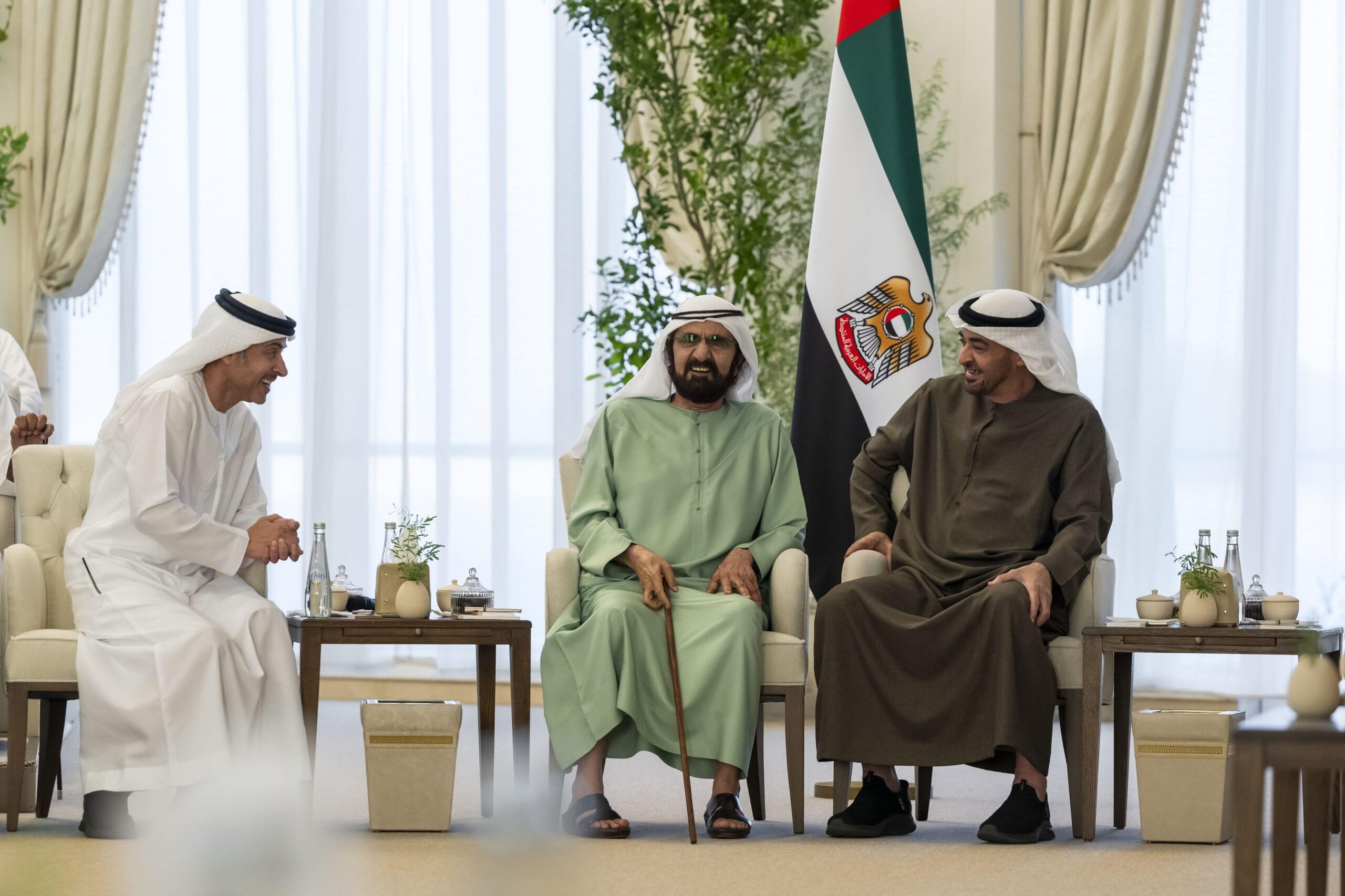
Abu Dhabi, UAE, April 10, 2026 (Parliament Politics Magazine) UAE geopolitical strategy is entering a new phase in 2026 as officials from the United Arab Emirates Government indicate a reassessment of international relationships and long-standing alliances. The statement emphasizing a review of “who can be relied on” reflects growing concerns about trust and consistency in global partnerships.
This development comes amid rising geopolitical tensions and shifting global power dynamics. Analysts suggest that the move represents a calculated effort to strengthen national interests while adapting to an increasingly uncertain international environment.
A senior official stated,
“In a world defined by rapid change, strategic partnerships must be evaluated based on reliability and long-term alignment.”
Strategic Reassessment of Alliances
The UAE geopolitical strategy highlights a broader shift toward reassessing global alliances. Nations worldwide are reconsidering traditional partnerships as geopolitical realities evolve.
For the UAE, this means balancing relationships with Western allies while expanding ties with emerging global powers. This approach has historically positioned the country as a key diplomatic and economic hub.
However, the UAE geopolitical strategy now appears to prioritize dependability and mutual benefit more explicitly than before, signaling a refined approach to international engagement.
Regional Tensions Influence Decision-Making
The Middle East remains one of the most complex geopolitical regions, with ongoing conflicts and shifting alliances shaping national policies. The UAE geopolitical strategy is being shaped by these dynamics.
Tensions involving regional actors, including Iran and Israel, have created an environment where strategic clarity is essential. The UAE’s reassessment reflects a need to navigate these challenges with precision.
Experts note that such moves are often driven by the need to maintain stability while preparing for potential shifts in regional power structures.
Economic Considerations and Global Trade
Economic factors are central to the UAE geopolitical strategy. As a global trade and financial hub, the country depends on stable and reliable international partnerships.
Trade agreements, investment flows, and economic cooperation are all influenced by the strength of diplomatic relationships. The UAE geopolitical strategy includes evaluating these elements to ensure long-term growth.
Global economic uncertainties, including supply chain disruptions, have further emphasized the importance of dependable alliances.
Diplomatic Messaging and Global Signal
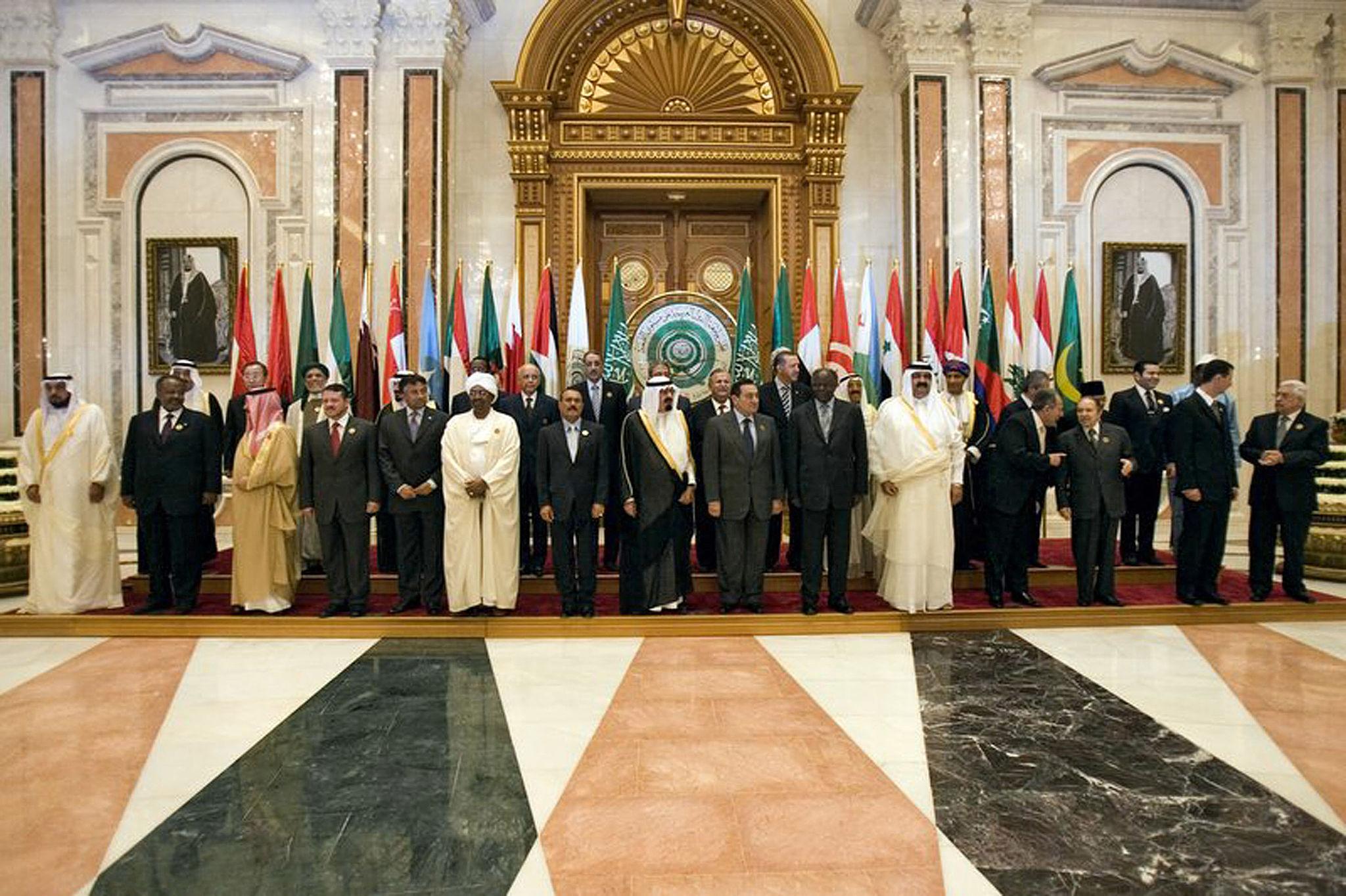
The UAE’s statement is widely seen as a form of diplomatic signaling. By highlighting the need to reassess “who can be relied on,” the country is sending a clear message to its partners.
The UAE geopolitical strategy is not only about internal policy but also about shaping perceptions on the global stage. It reinforces the importance of accountability and consistency in international relations.
A regional analyst noted,
“This is a signal to allies and partners that reliability is no longer optional—it is essential.”
Potential Impact on Global Partnerships
While no immediate policy changes have been announced, the UAE geopolitical strategy could lead to adjustments in international relationships. Partnerships may be strengthened, redefined, or, in some cases, reduced.
This approach suggests a more selective engagement strategy, where relationships are evaluated based on performance and alignment with national priorities.
Such changes could have ripple effects across global diplomacy, particularly in regions where the UAE plays a significant role.
International Reactions and Strategic Implications
The international community is closely monitoring the UAE’s position. As a key player in global trade and regional security, any shift in its strategy carries broader implications.
The UAE geopolitical strategy may influence how other nations approach their own alliances, potentially leading to a wider trend of reassessment.
Diplomatic efforts are likely to intensify as countries seek to maintain strong ties with the UAE.
Balancing Stability and Adaptation
A key challenge for the UAE will be balancing existing alliances with the need to adapt to new geopolitical realities. Stability and flexibility must coexist within the UAE geopolitical strategy.
Long-standing relationships provide a foundation for cooperation, but evolving conditions require a willingness to adjust and innovate.
Maintaining trust while pursuing strategic change will be critical for the UAE’s success.
Future Outlook for UAE Foreign Policy
Looking ahead, the UAE geopolitical strategy is expected to shape the country’s foreign policy direction for years to come. The focus on reliability suggests a shift toward more pragmatic and results-driven partnerships.
Experts believe that the UAE will continue to position itself as a global connector, bridging gaps between different regions and powers.
The outcome of this strategic reassessment will determine how the UAE navigates an increasingly complex global landscape.
A Strategic Turning Point
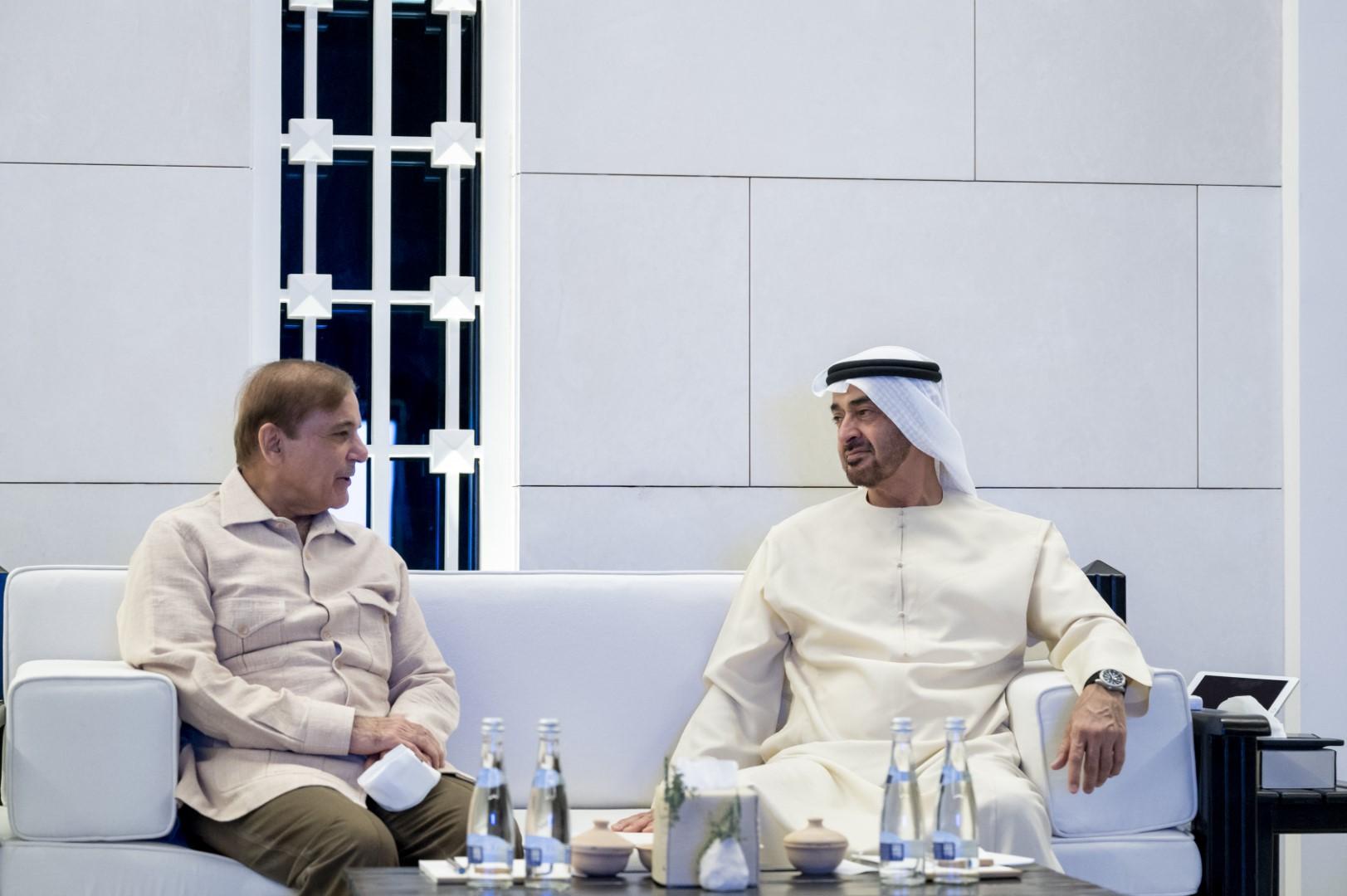
The UAE geopolitical strategy represents a significant evolution in the country’s approach to international relations. By emphasizing the importance of reliable partnerships, the UAE is adapting to a world defined by uncertainty and change.
While the full impact of this shift remains to be seen, the message is clear: alliances must deliver value, consistency, and trust.
As one analyst concluded,
“In today’s geopolitical environment, strategy is no longer static—it must evolve with the realities of the world.”
