

Beirut, Lebanon, April 10, 2026 (Parliament Politics Magazine) UN humanitarian warning underscores the escalating crisis in Lebanon, where children are increasingly exposed to the devastating consequences of ongoing military actions. As violence intensifies, humanitarian agencies are raising alarms over the deteriorating conditions faced by civilians, particularly minors who are most vulnerable to the impacts of war.
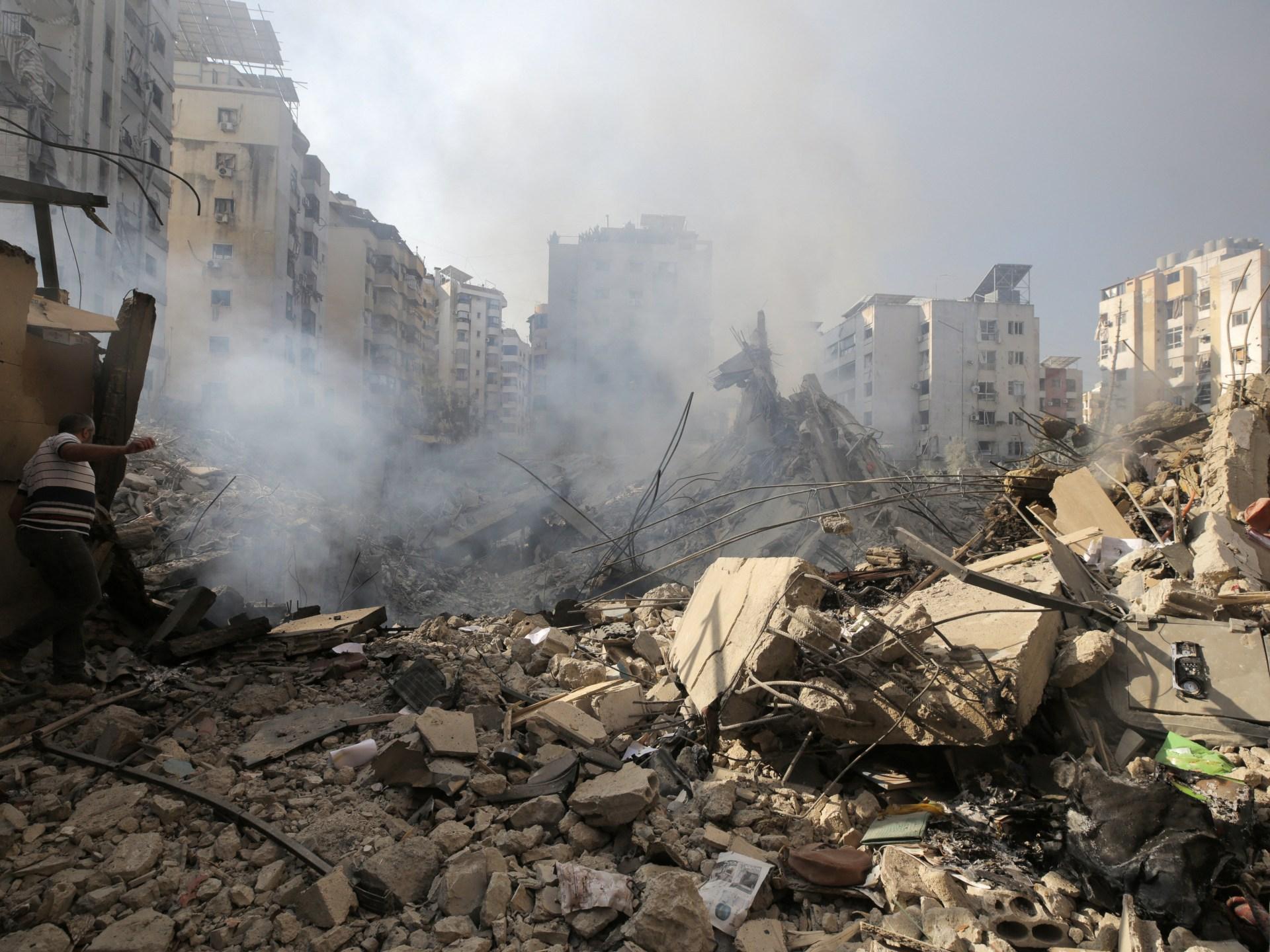
Recent developments indicate that residential areas, schools, and essential infrastructure have been severely affected, leaving families displaced and struggling to survive. The situation has triggered widespread concern among global organizations, which are calling for immediate intervention to protect innocent lives.
Rising Civilian Casualties and Global Concern
The ongoing conflict has led to a sharp increase in civilian casualties, with children representing a significant proportion of those affected. Aid agencies report that families are being forced to flee their homes, often with limited access to food, water, and medical care.
The UN humanitarian warning emphasizes that the scale of the crisis is growing rapidly, with humanitarian systems struggling to keep up with the rising demand for assistance.
“This crisis is unfolding at a pace that is deeply alarming, especially for children who depend on stability and protection,”
a humanitarian official stated.
Hospitals and emergency services are under immense pressure, with many facilities operating beyond capacity as they attempt to treat the injured.
Children Facing Severe Physical and Psychological Harm
The impact of the conflict extends far beyond immediate injuries. Experts warn that prolonged exposure to violence can have lasting psychological effects on children, including trauma, anxiety, and emotional distress.
The UN humanitarian warning highlights that the disruption of education is another critical issue, as schools in affected regions remain closed or damaged. This interruption not only affects learning but also removes a vital sense of routine and safety for children.
In addition, shortages of essential resources such as clean water and electricity are exacerbating living conditions, increasing the risk of disease and malnutrition among vulnerable populations.
Escalation of Conflict and Regional Tensions
The situation in Lebanon reflects broader geopolitical tensions that continue to shape the region. Military operations and retaliatory actions have intensified, raising fears of further escalation.
According to analysts, the UN humanitarian warning serves as a critical signal that the conflict could have far-reaching consequences if not addressed promptly. Diplomatic efforts remain ongoing, but progress toward de-escalation has been limited.
The potential for a wider regional conflict adds another layer of complexity, making resolution efforts more challenging.
Humanitarian Aid Efforts Under Strain
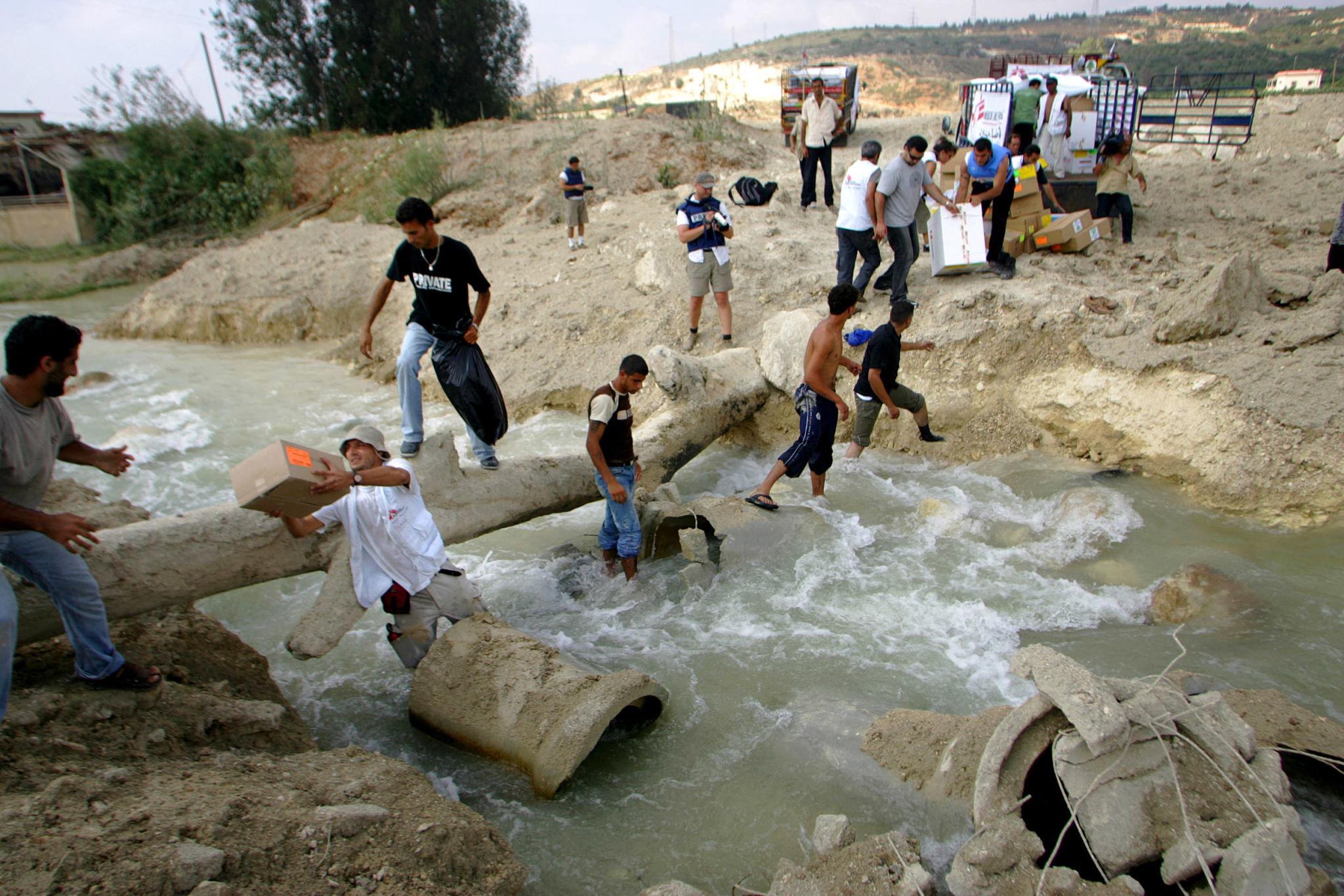
Relief organizations are working tirelessly to provide support, but logistical challenges and security concerns are hindering their efforts. Delivering aid to affected areas has become increasingly difficult, leaving many families without consistent access to essential supplies.
Temporary shelters have been established, yet overcrowding and limited resources continue to pose significant challenges. The UN humanitarian warning stresses that without immediate support, the humanitarian situation could worsen significantly.
Aid workers on the ground are urging the international community to increase funding and resources to meet the growing needs.
International Response and Calls for Action
Global leaders and organizations have responded with calls for restraint and accountability. The protection of civilians, particularly children, has become a central focus of international discussions.
The UN humanitarian warning has amplified these calls, urging all parties involved to adhere to international humanitarian law and prioritize the safety of non-combatants.
“Children must never be the victims of decisions made in conflict. Their protection is a responsibility shared by all,”
another official emphasized.
Despite these appeals, achieving a ceasefire remains a complex and uncertain process.
Long-Term Consequences for Lebanon’s Future
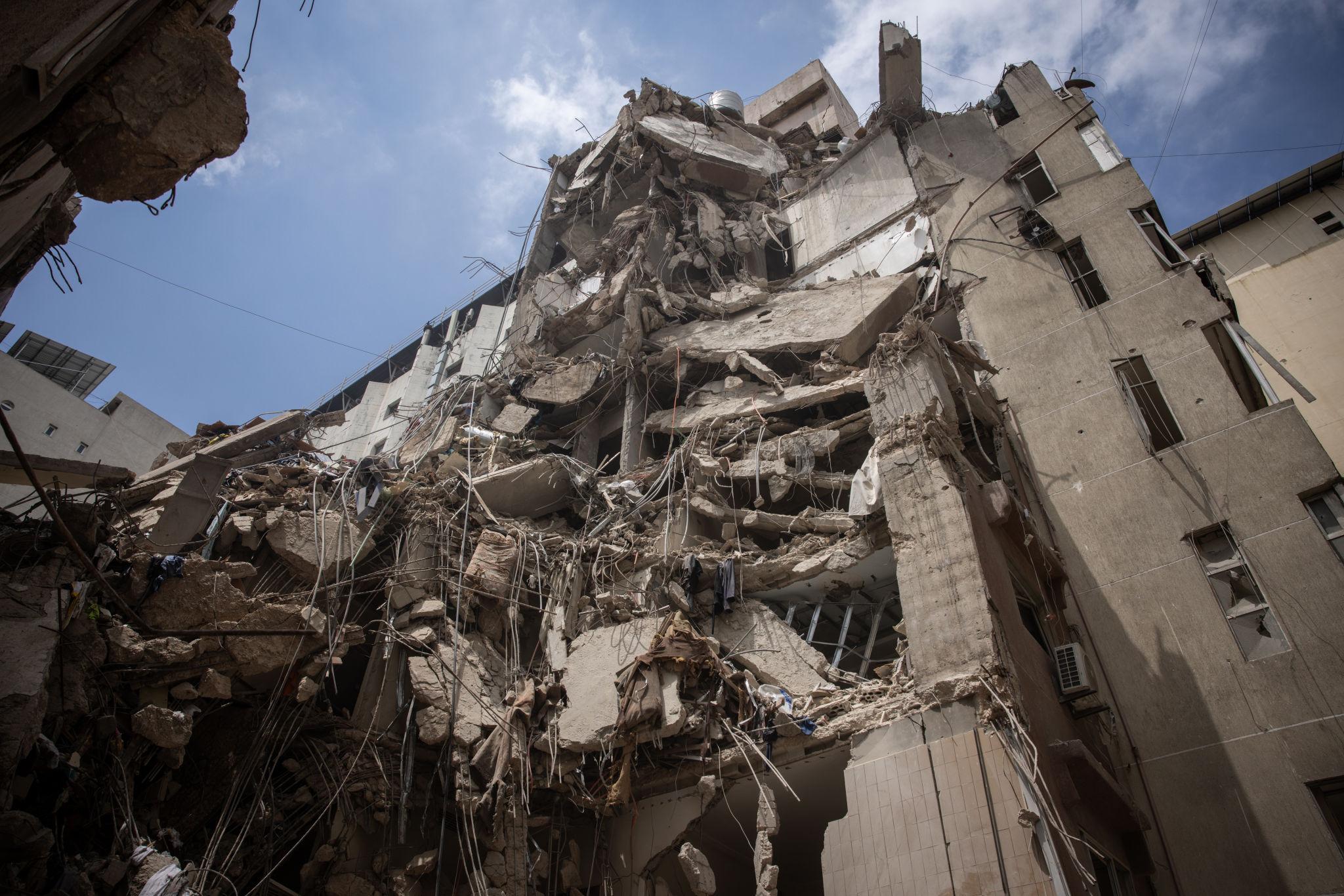
The ongoing crisis is expected to have lasting effects on Lebanon’s social and economic stability. The destruction of infrastructure and displacement of families will likely hinder recovery efforts for years to come.
For children, the long-term impact could be particularly severe. Interrupted education, psychological trauma, and limited access to healthcare may shape an entire generation’s future.
The UN humanitarian warning highlights the urgent need for comprehensive recovery programs to address these challenges and support rebuilding efforts.
Urgent Need for Ceasefire and Protection Measures
As the conflict continues, the need for immediate action becomes increasingly clear. Humanitarian organizations are calling for a ceasefire that prioritizes civilian safety and allows aid to reach those in need.
Efforts to establish safe zones and protect critical infrastructure are seen as essential steps toward mitigating the crisis. The UN humanitarian warning reinforces the importance of coordinated international action to prevent further escalation.
Diplomatic channels remain active, but meaningful progress will require sustained commitment from all parties involved.
Key Takeaways from UN Humanitarian Warning
The UN humanitarian warning highlights a rapidly worsening crisis in Lebanon, where children are facing severe risks due to escalating conflict. Civilian casualties are rising, essential services are collapsing, and humanitarian systems are under immense strain.
Global calls for a ceasefire and increased aid are intensifying, yet the path to resolution remains uncertain. Without immediate intervention, the long-term consequences for Lebanon’s youngest generation could be profound and lasting.
