Beirut, Lebanon, April 10, 2026 (Parliament Politics Magazine) UN emergency response efforts are rapidly expanding as the United Nations warns of a “devastating humanitarian” situation unfolding across Lebanon in 2026. The crisis, driven by economic collapse, regional instability, and failing infrastructure, is pushing millions toward severe hardship.
International agencies report that the scale of need is growing faster than aid can be delivered. The warning underscores a critical moment for global leaders as conditions deteriorate at an alarming pace.
A senior UN official said,
“We are facing one of the most urgent humanitarian challenges in the region, and the response must match the severity of the crisis.”
Economic Collapse Accelerates the Emergency
Lebanon’s prolonged financial crisis continues to serve as the foundation of the humanitarian disaster. Currency devaluation, unemployment, and rising inflation have eroded purchasing power, leaving families unable to meet basic needs.
The UN emergency response is increasingly focused on addressing these economic pressures through food programs, cash assistance, and support for vulnerable communities.
Markets across the country reflect the strain, with essential goods becoming inaccessible for a growing segment of the population. The widening gap between income and cost of living has intensified the urgency of humanitarian intervention.
Healthcare System Near Breaking Point
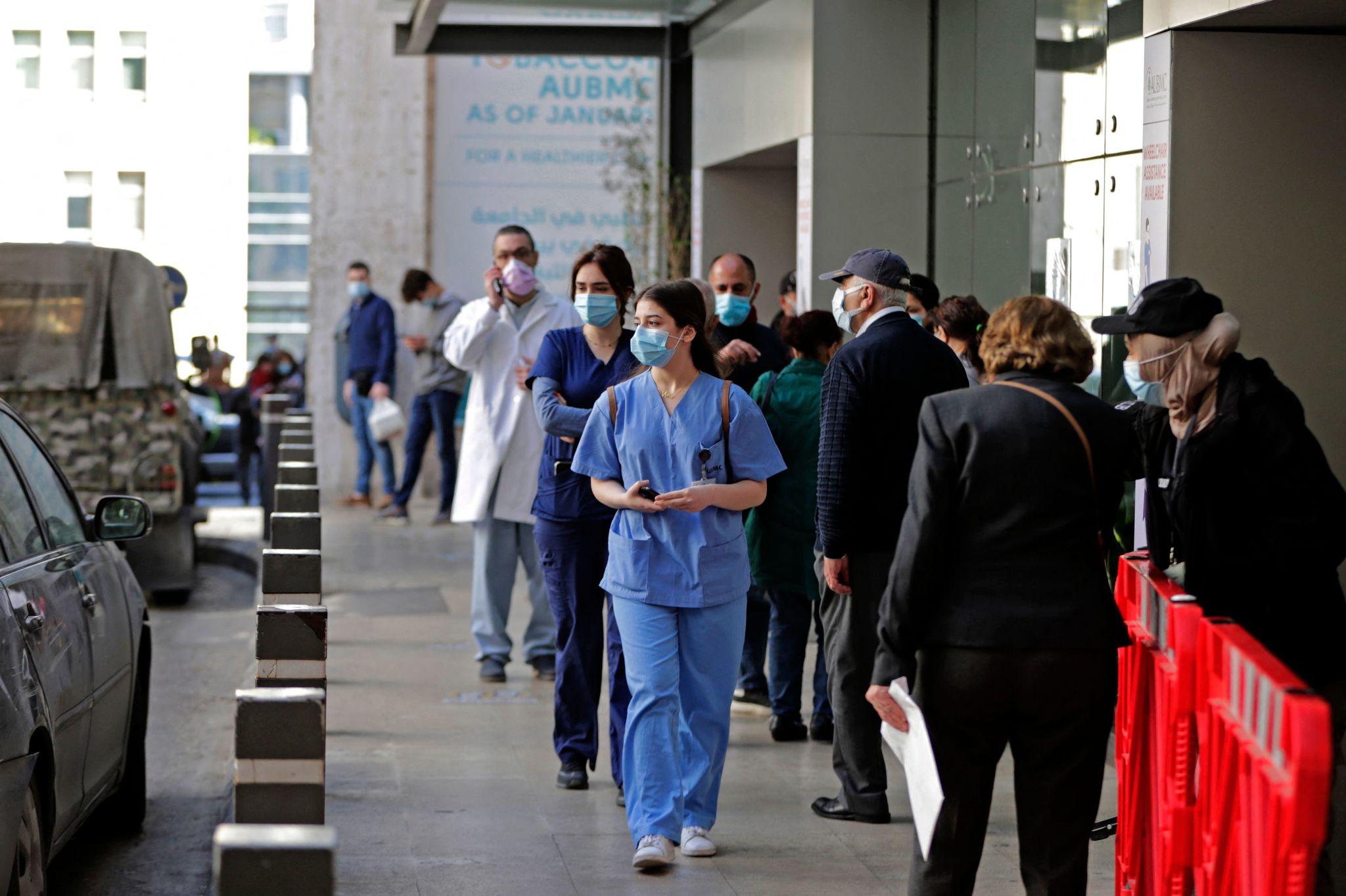
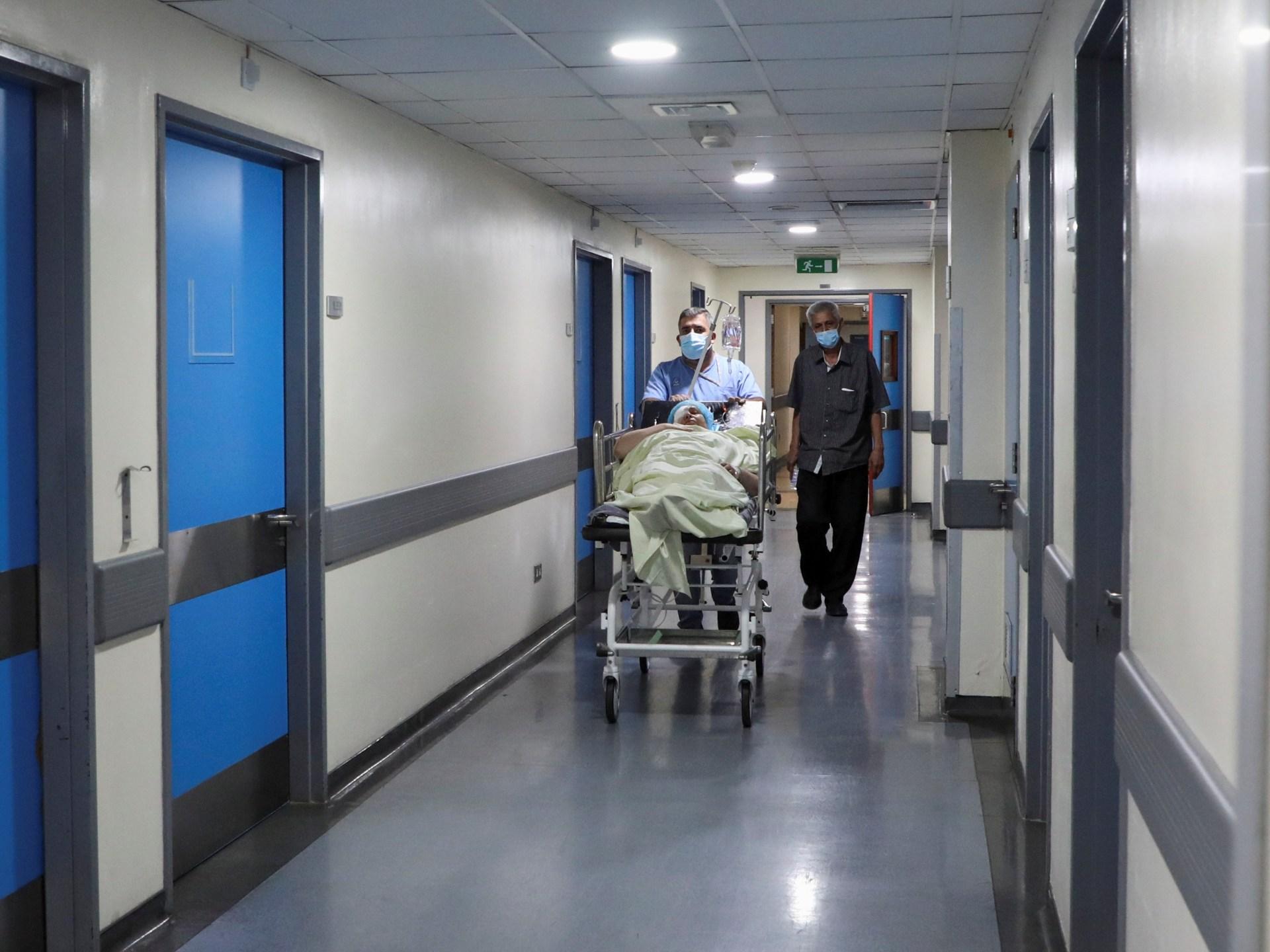
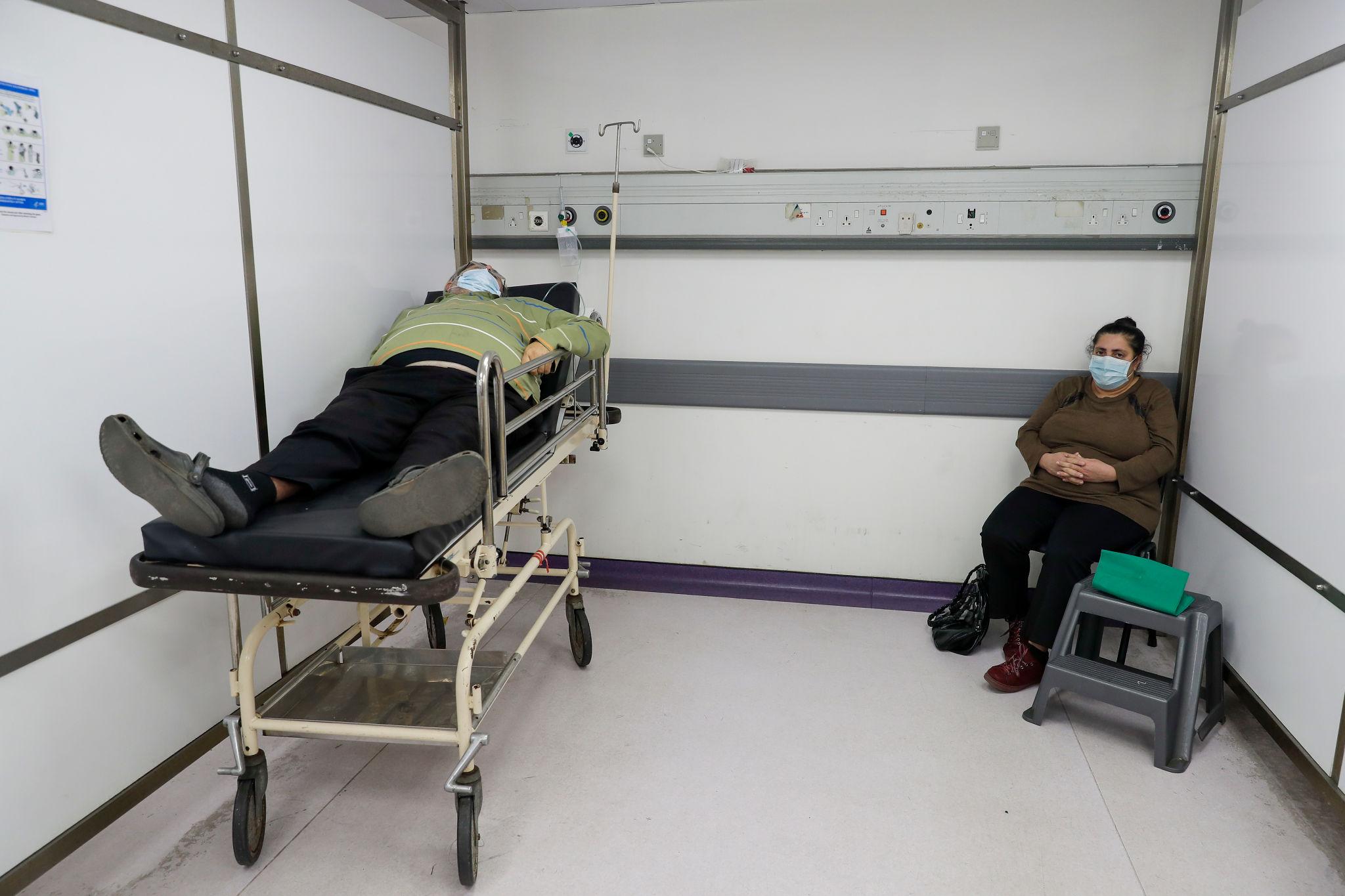
Lebanon’s healthcare system is struggling to remain operational. Hospitals face severe shortages of medicines, fuel, and staffing, limiting their ability to treat patients effectively.
The UN emergency response includes efforts to supply critical medical resources and stabilize healthcare facilities. However, the scale of demand continues to outpace available support.
A frontline healthcare worker described the situation:
“We are doing everything we can, but the system is overwhelmed. Without sustained assistance, it could collapse entirely.”
This growing healthcare crisis is a central component of the broader emergency, affecting millions who depend on basic medical services.
Food Insecurity and Rising Hunger
Food insecurity has reached alarming levels, with families increasingly unable to afford daily meals. Supply chain disruptions and inflation have driven prices to historic highs.
The UN emergency response prioritizes food distribution and nutritional support, particularly for children and vulnerable populations. Aid organizations warn that without expanded programs, malnutrition rates could rise sharply.
Rural and urban communities alike are feeling the impact, highlighting the widespread nature of the crisis.
Regional Instability Adds Pressure
Lebanon’s challenges are further compounded by regional tensions. Ongoing conflicts and geopolitical uncertainty in the Middle East are placing additional strain on the country’s already fragile systems.
Border tensions and the movement of displaced populations have increased the demand for humanitarian assistance. The UN emergency response is adapting to these evolving conditions, but officials caution that resources are limited.
The interconnected nature of regional crises means that Lebanon’s situation cannot be viewed in isolation, requiring coordinated international efforts.
Infrastructure and Energy Shortages Worsen Conditions
Infrastructure failures are exacerbating the humanitarian situation. Frequent power outages, fuel shortages, and limited access to clean water are disrupting daily life.
The UN emergency response includes initiatives to support energy access and repair critical infrastructure, but progress remains slow due to funding constraints and logistical challenges.
Communities are increasingly reliant on temporary solutions, which are often insufficient to meet long-term needs.
International Aid Efforts Fall Short
Despite ongoing support from global partners, humanitarian agencies warn that funding levels are inadequate to address the scale of the crisis. Donor fatigue and competing global emergencies have limited available resources.
The UN emergency response continues to call for increased international contributions to sustain and expand aid operations.
A UN spokesperson emphasized,
“The gap between needs and resources is widening. Immediate and sustained support is essential to prevent further suffering.”
Political Challenges Delay Recovery
Lebanon’s internal political situation remains a significant barrier to recovery. Governance challenges and delays in implementing reforms have hindered economic stabilization and international assistance.
The UN emergency response operates within these constraints, but long-term solutions require political progress and structural changes.
Without effective leadership and reform, the humanitarian crisis is likely to persist.
Social Impact and Migration Trends
The ongoing crisis is reshaping Lebanese society. Increasing numbers of citizens are leaving the country in search of better opportunities, contributing to a loss of skilled professionals.
Communities remaining in Lebanon are facing heightened stress as resources become scarce. The UN emergency response also addresses social stability, aiming to reduce tensions and support affected populations.
This migration trend underscores the long-term implications of the crisis beyond immediate humanitarian needs.
Urgent Need for Global Action
The United Nations is urging swift and coordinated action from the international community. Expanding the UN emergency response is critical to addressing immediate needs and preventing further deterioration.
Experts warn that delays in action could lead to irreversible consequences, not only for Lebanon but for regional stability as well.
Crisis Demands Immediate Response
The UN emergency response is at the center of efforts to address Lebanon’s worsening humanitarian situation. Economic collapse, healthcare challenges, food insecurity, and regional instability have created a complex and urgent crisis.
Millions remain at risk as aid agencies struggle to keep pace with growing needs. The situation represents a critical test for global cooperation and humanitarian commitment.
As one official noted,
“The window to act is narrowing. The decisions made now will shape Lebanon’s future for years to come.”