

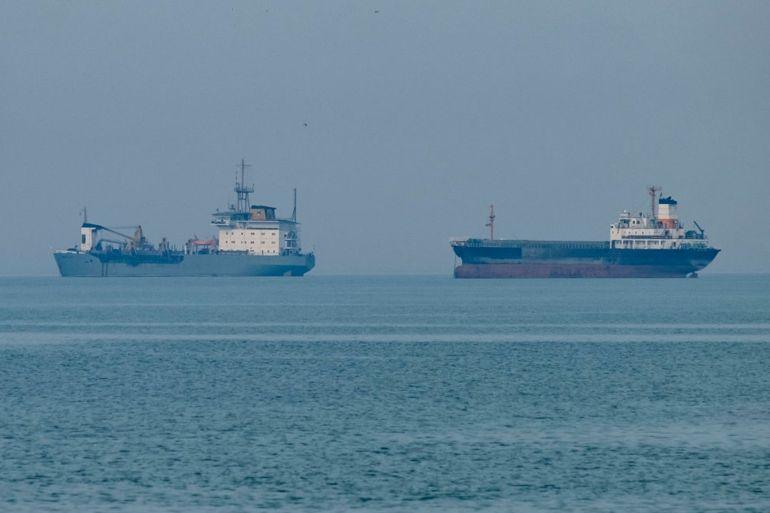
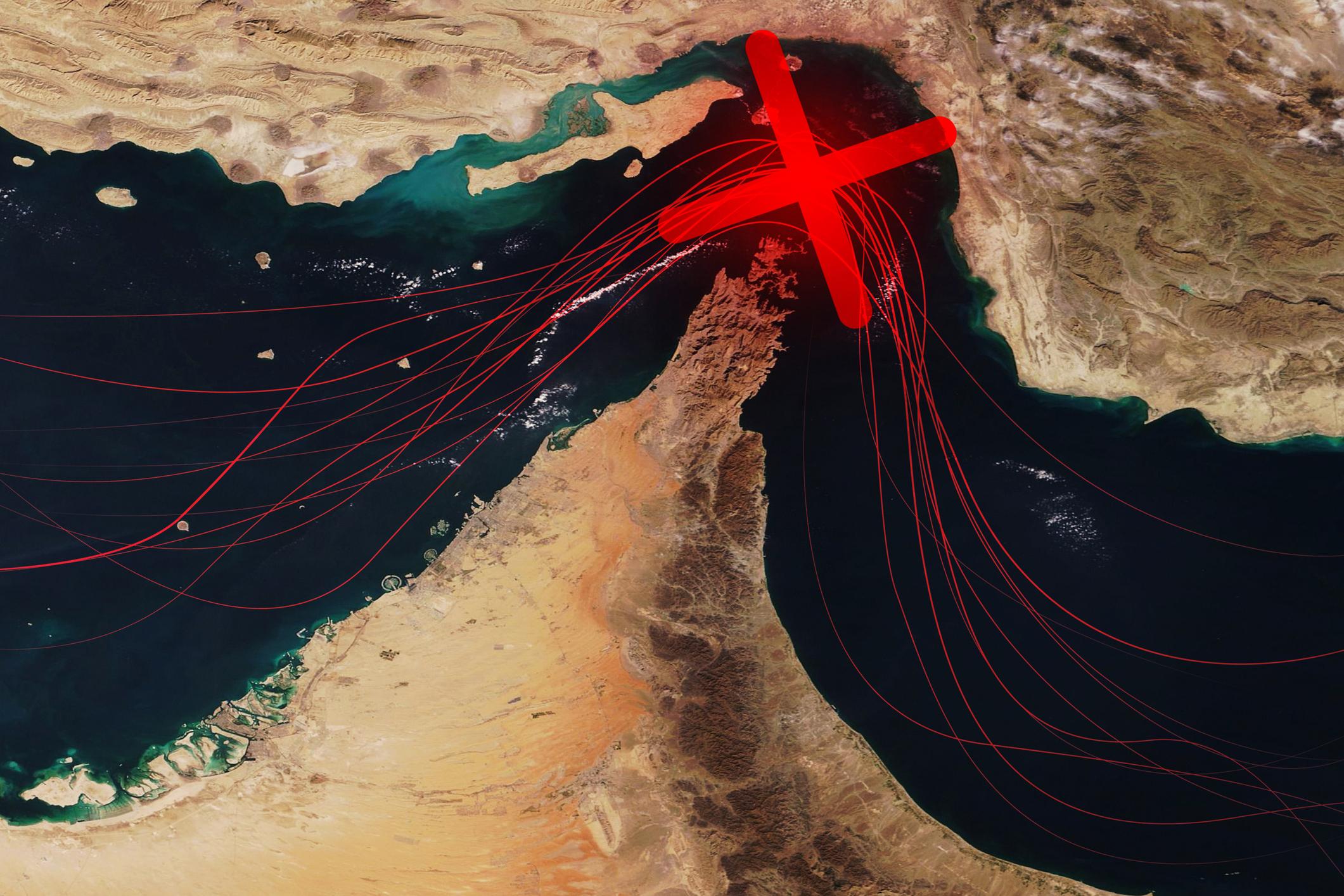
London, April 10, 2026 (Parliament Politics Magazine) global oil supply route risk is rising sharply as new tracking data reveals Iran-linked ships are increasingly influencing vessel movement through the Strait of Hormuz. This narrow but vital waterway remains one of the most important energy corridors in the world, carrying a significant share of global oil exports.
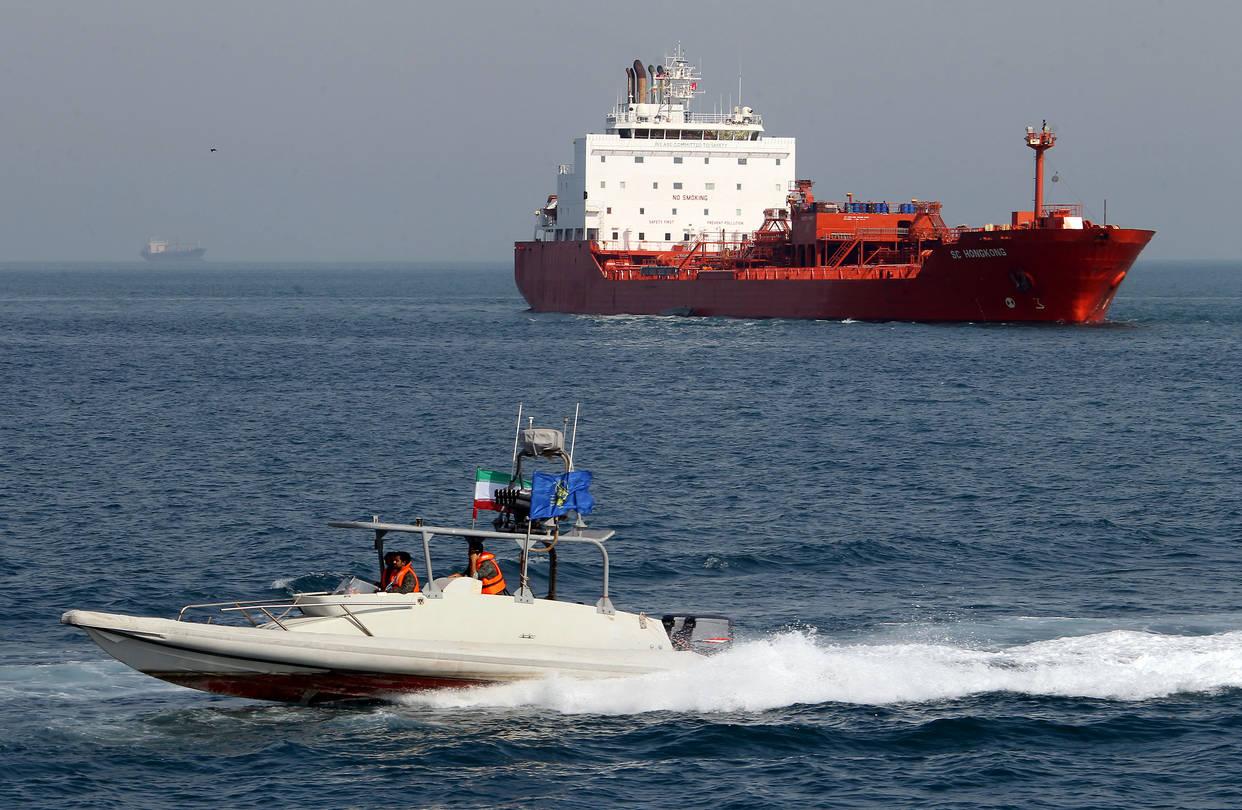
Recent data suggests that vessels associated with Iran are positioning themselves in ways that appear to guide or influence commercial shipping traffic. While not an outright disruption, the activity signals a potential shift in maritime dynamics that could have far-reaching consequences.
Analysts warn that even subtle control over such a critical route could reshape global trade patterns and increase geopolitical tensions.
The Strategic Importance of the Strait of Hormuz
The Strait of Hormuz serves as a lifeline for global energy markets. A large portion of the world’s oil supply passes through this corridor daily, linking producers in the Persian Gulf with consumers worldwide.
Any increase in global oil supply route risk tied to this region immediately affects market sentiment. Traders, governments, and businesses all monitor developments closely due to the potential for rapid price fluctuations.
A maritime analyst explained:
“Control doesn’t always mean closure. Influence alone can create uncertainty, and uncertainty is enough to move global markets.”
Tracking Data Highlights New Shipping Patterns
Recent maritime tracking reports have identified consistent patterns involving Iran-linked vessels operating near key shipping lanes. These ships appear to engage in positioning and signaling behaviors that impact how commercial vessels navigate the strait.
While these actions remain within the bounds of international waters, they are being interpreted as a demonstration of operational presence and influence.
The emerging patterns are raising global oil supply route risk by introducing new variables into an already sensitive region.
Energy Markets React to Increased Risk
The rise in global oil supply route risk is already being reflected in energy markets. Even without direct disruption, perceived instability in the Strait of Hormuz can lead to increased oil prices and market volatility.
Insurance costs for shipping companies have also begun to rise, as insurers factor in the potential for increased risk. These additional costs often translate into higher prices for consumers worldwide.
A market strategist noted:
“Energy markets react quickly to perceived threats. You don’t need a blockade—just the possibility of disruption can shift pricing.”
Security Implications for Global Shipping
Global oil supply route risk extends beyond energy markets to the broader shipping industry. Commercial vessels rely on predictable and secure routes to maintain efficient operations.
The growing presence of Iran-linked ships introduces an element of uncertainty that could force shipping companies to reconsider their routes or schedules.
This uncertainty could disrupt global supply chains, particularly for industries heavily dependent on timely deliveries.
Military Monitoring and Response
In response to rising global oil supply route risk, international naval forces have increased their monitoring of the Strait of Hormuz. Patrols and surveillance operations are being intensified to ensure the continued safety of shipping lanes.
These efforts aim to maintain freedom of navigation while preventing any escalation that could lead to direct conflict.
However, the presence of multiple military forces in close proximity also increases the risk of miscalculation.
Diplomatic Efforts Face Challenges
Diplomatic efforts to address global oil supply route risk are ongoing but face significant challenges. The complexity of regional politics and existing tensions make it difficult to reach immediate agreements.
International organizations and governments are calling for restraint and open dialogue, but progress has been limited.
The situation underscores the importance of diplomacy in managing strategic chokepoints.
Broader Geopolitical Impact
The increase in global oil supply route risk is closely tied to broader geopolitical developments in the Middle East. Control or influence over critical infrastructure often plays a role in larger strategic objectives.
Observers note that maritime activity in the Strait of Hormuz is rarely isolated from wider regional dynamics. As such, developments here could have implications far beyond shipping lanes.
This interconnectedness adds another layer of complexity to an already volatile situation.
Economic Ripple Effects Worldwide
Global oil supply route risk is beginning to affect economies around the world. Rising shipping costs, fluctuating energy prices, and supply chain disruptions are impacting businesses and consumers alike.
Countries that rely heavily on imported energy are particularly vulnerable to changes in the Strait of Hormuz. Even minor disruptions can have outsized effects on their economies.
Businesses are increasingly focusing on contingency planning to mitigate these risks.
What Comes Next?
The trajectory of global oil supply route risk will depend on how the situation evolves in the coming weeks and months. Continued monitoring of shipping patterns and diplomatic developments will be essential.
Both military and diplomatic strategies will play a role in shaping the outcome. The challenge will be maintaining stability while addressing underlying tensions.
Experts emphasize the need for coordinated international action to ensure the security of critical trade routes.
Key Takeaways
Global oil supply route risk is rising as Iran-linked ships influence traffic in the Strait of Hormuz.
Tracking data shows increased operational presence affecting global shipping patterns.
The situation could lead to higher energy prices and broader economic disruption if tensions escalate.
