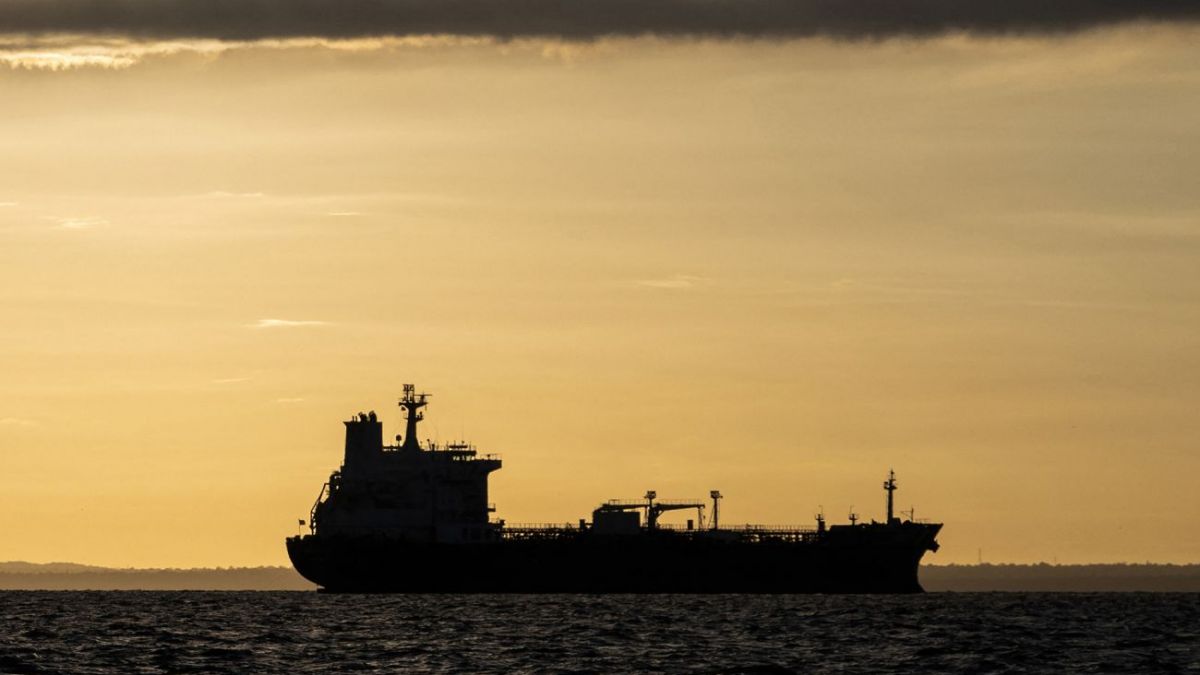
Bangkok, April 08, 2026 (Parliament Politics Magazine) maritime security threat concerns are intensifying after Thailand confirmed that three of its nationals were killed in a deadly attack on a commercial vessel transiting the Strait of Hormuz. The incident highlights the growing risks facing global shipping routes amid rising geopolitical tensions in the Middle East.
Officials stated that the vessel was struck while navigating one of the world’s most strategically critical waterways, immediately raising alarms across the international maritime and energy sectors.
Thailand Confirms Casualties and Launches Investigation
The maritime security threat became tragically evident as Thai authorities confirmed the deaths and initiated an investigation into the attack. Government officials expressed condolences and pledged to work closely with international partners to determine responsibility.
The victims were reportedly crew members aboard a commercial vessel, underscoring the dangers faced by seafarers operating in high-risk regions.
Authorities are examining whether the attack was deliberate or part of broader regional hostilities, as tensions involving Iran and global powers continue to escalate.
Strait of Hormuz: A Critical Global Chokepoint
The escalating maritime security threat is particularly concerning given the strategic importance of the Strait of Hormuz. This narrow passage connects the Persian Gulf to global markets and handles a significant share of the world’s oil and gas shipments.
Any disruption to this route can trigger:
- Global energy price spikes
- Supply chain instability
- Increased geopolitical tensions
“This is no longer isolated—it’s a growing global maritime security threat,”
a maritime analyst warned.
Rising Tensions Fueling Maritime Risks
The current maritime security threat is closely linked to broader regional conflicts. Ongoing military activity and political tensions have created an environment in which commercial vessels are increasingly vulnerable.
Analysts note that the attack reflects a shift in conflict dynamics, where economic and logistical targets are becoming more prominent.
Shipping companies are now facing difficult decisions regarding route planning, risk management, and crew safety.
Global Shipping Industry Responds
The maritime security threat has prompted immediate reactions from the global shipping industry. Companies are reassessing transit routes through the Strait of Hormuz, with some considering alternative paths despite higher costs.
Insurance premiums for vessels operating in the region are expected to rise sharply, reflecting the increased risk environment.
For the industry, the challenge lies in balancing operational efficiency with safety, as disruptions can have cascading effects across global supply chains.
Economic Impact and Energy Market Volatility
The broader economic implications of the maritime security threat are already being felt. Energy markets have reacted to the incident with increased volatility, as traders factor in the risk of supply disruptions.
The Strait of Hormuz is a critical artery for global energy flows, and even minor disruptions can lead to significant price fluctuations.
Experts warn that sustained instability could lead to long-term changes in energy markets and trade patterns.
International Security Measures Intensify
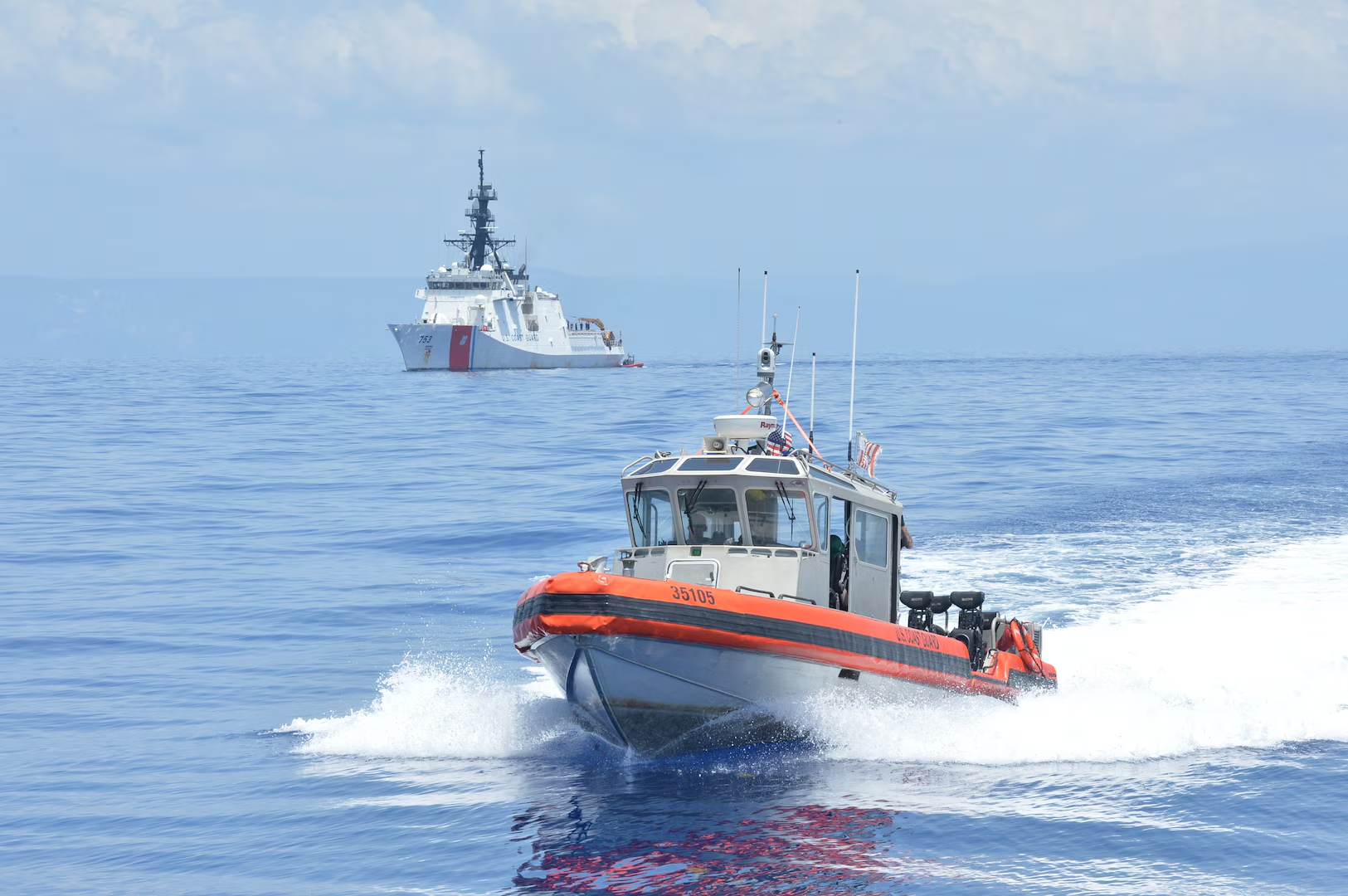
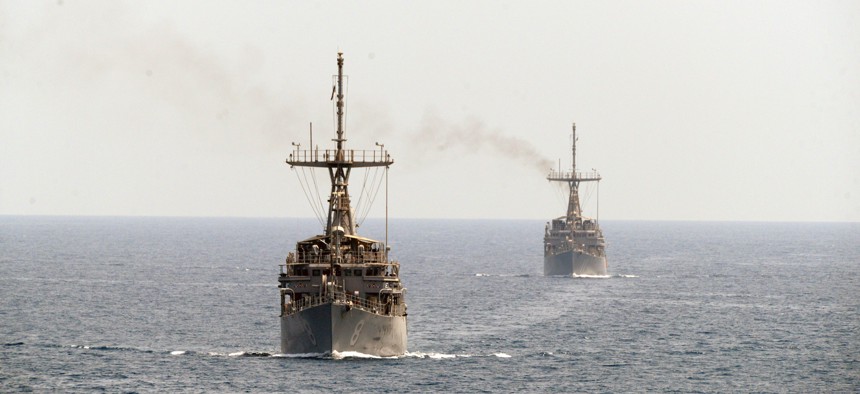
In response to the growing maritime security threat, international efforts to enhance maritime security are accelerating. Naval forces from multiple countries are increasing patrols and surveillance in the region.
These measures aim to deter further attacks and ensure the safe passage of commercial vessels. However, the effectiveness of such efforts will depend on coordination and sustained commitment.
Diplomatic initiatives are also underway to address the underlying causes of the conflict.
Human Cost Behind the Headlines
While the maritime security threat is often discussed in terms of strategy and economics, the human cost remains significant. The deaths of three Thai nationals serve as a stark reminder of the risks faced by individuals working in global industries.
For families and communities, the impact is immediate and profound, highlighting the need for stronger protections and safer working conditions.
Is Maritime Security Entering a New Era of Risk?
The recent escalation in maritime security threat raises questions about the future of global shipping. Experts suggest that the industry may be entering a new era characterized by heightened risks and increased security requirements.
Technological advancements, enhanced surveillance, and international cooperation will be critical in addressing these challenges.
However, without broader geopolitical stability, risks are likely to persist.
Key Takeaways
The rising maritime security threat following the Strait of Hormuz attack underscores the vulnerability of global shipping routes.
- Thailand has confirmed three fatalities from the attack
- The Strait of Hormuz remains a critical but vulnerable chokepoint
- Global shipping and energy markets are under increasing pressure
- International security measures are being strengthened
- The human cost highlights the urgency of addressing these risks
As tensions continue, ensuring maritime security will remain a top priority for governments, industries, and international organizations.