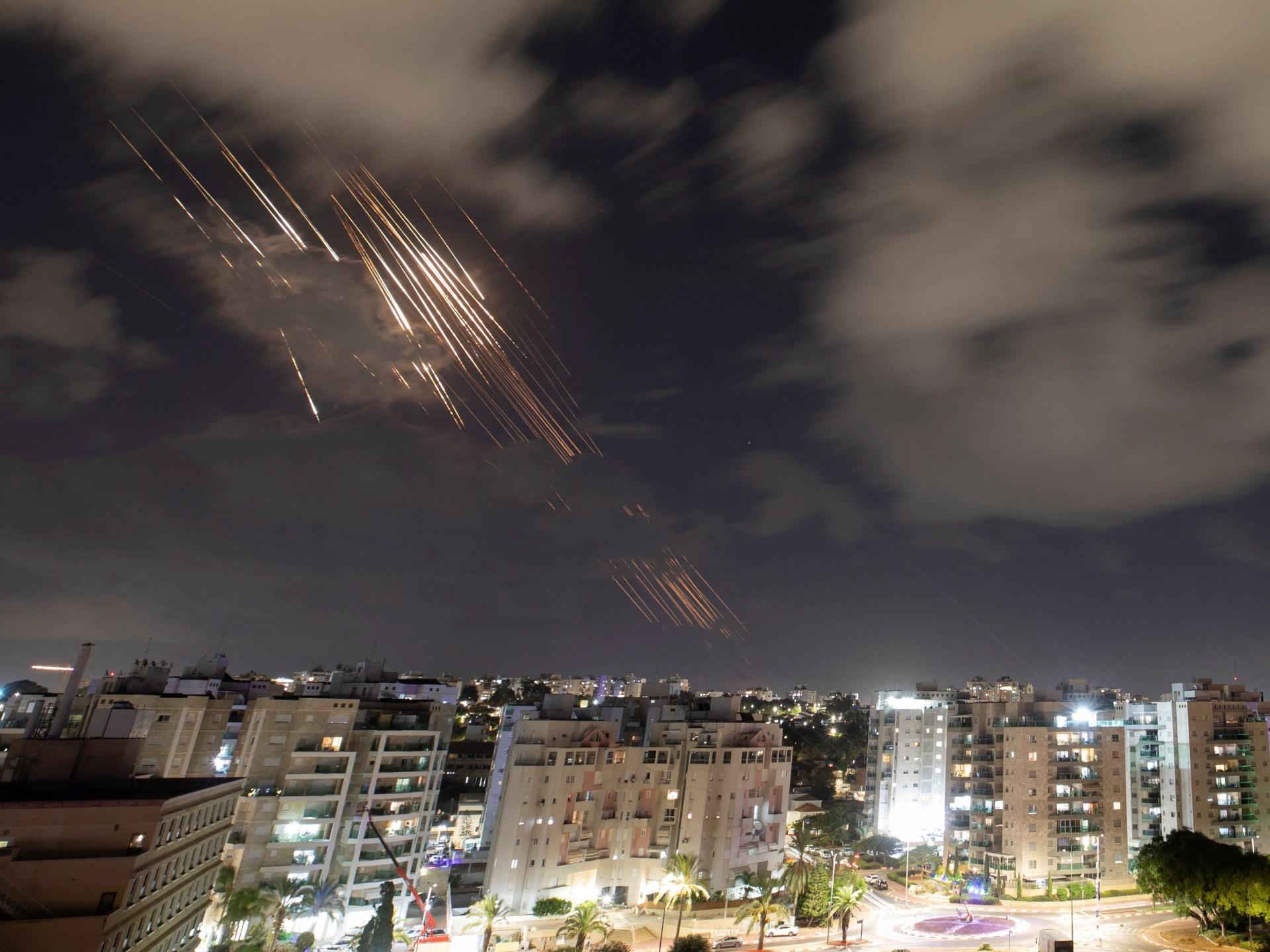
Jerusalem, April 11, 2026 (Parliament Politics Magazine) Middle East security crisis continues to intensify in April 2026, with growing instability driven by persistent missile and drone activity targeting Israeli forces. The situation reflects a broader deterioration in regional stability, as military engagements become more frequent and technologically advanced.
The militant group Hezbollah has expanded its operations, launching coordinated strikes that combine missiles with unmanned aerial systems. These actions have placed increased pressure on the Israel Defense Forces, which remain on high alert across key areas.
Analysts suggest the pattern of escalation is no longer isolated but part of a sustained campaign contributing to the broader Middle East security crisis.
Evolution of Modern Warfare Tactics
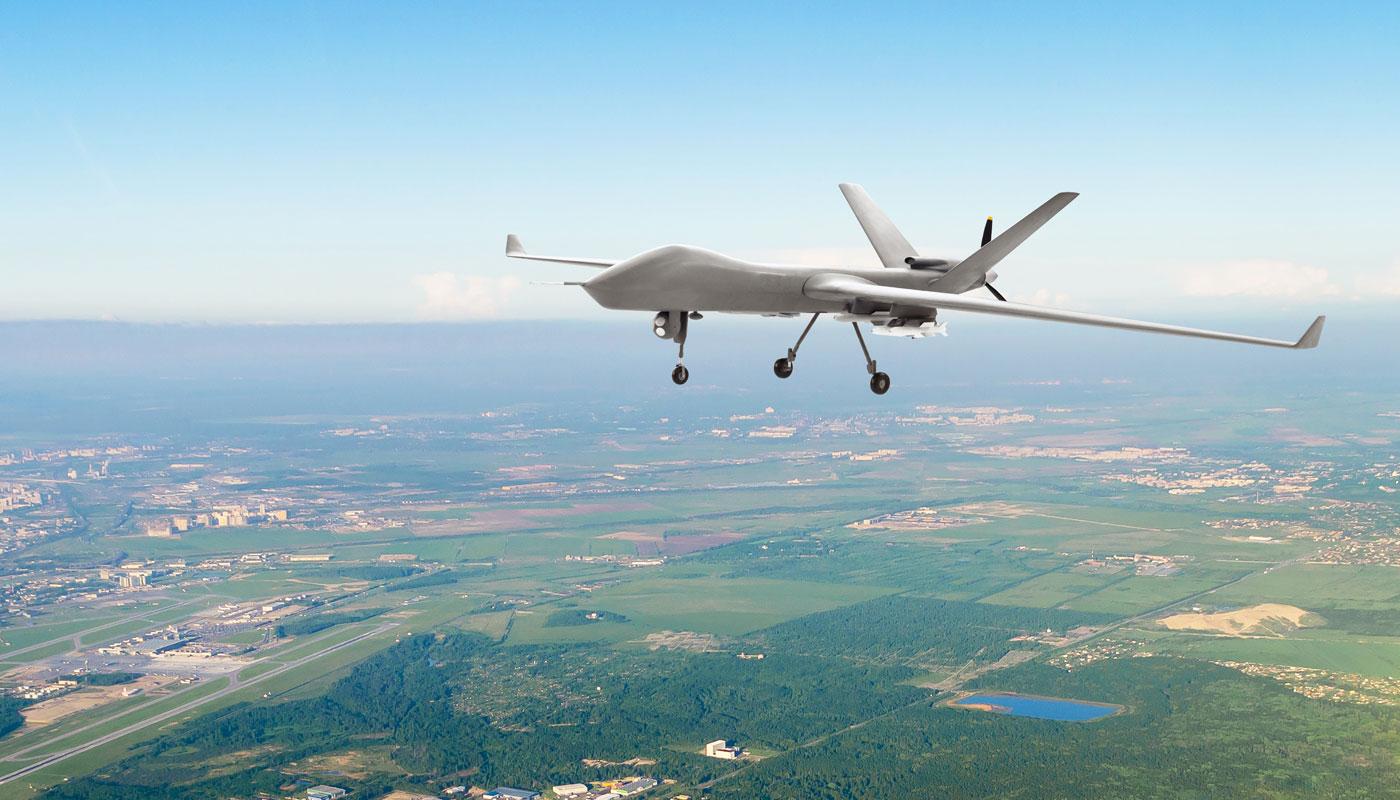
The battlefield is rapidly evolving as non-state actors adopt advanced military technologies. The integration of drones with missile systems has created new operational challenges for traditional defense forces.
In this Middle East security crisis, drone usage is particularly significant. These devices provide surveillance capabilities and enhance the precision of missile strikes, making them highly effective in coordinated attacks.
A regional defense expert stated:
“This is not just escalation—it’s transformation. Drone integration is redefining how conflicts unfold in the Middle East.”
Such developments highlight how the Middle East security crisis is being shaped not only by political tensions but also by technological innovation in warfare.
Israeli Defensive Strategy and Countermeasures
Facing continuous threats, the Israel Defense Forces have strengthened their defensive posture. Advanced systems designed to intercept incoming threats are being deployed more frequently, particularly in vulnerable border regions.
Counter-strike operations have also been conducted to target suspected launch sites and disrupt ongoing attacks. Despite these efforts, the persistence of strikes reflects the difficulty of containing the Middle East security crisis through military means alone.
Officials continue to emphasize the importance of protecting civilian populations, particularly in areas most exposed to cross-border activity.
Regional Dynamics and External Influence
The Middle East security crisis is not confined to a single conflict zone. It is deeply influenced by regional alliances and geopolitical rivalries.
Iran is widely viewed as a key supporter of Hezbollah, providing resources and strategic backing. This relationship has intensified tensions between Iran and Israel, raising concerns about a broader confrontation.
The interconnected nature of these relationships means that localized conflicts can quickly evolve into larger regional crises. As a result, the Middle East security crisis continues to draw global attention.
Civilian Impact and Humanitarian Concerns
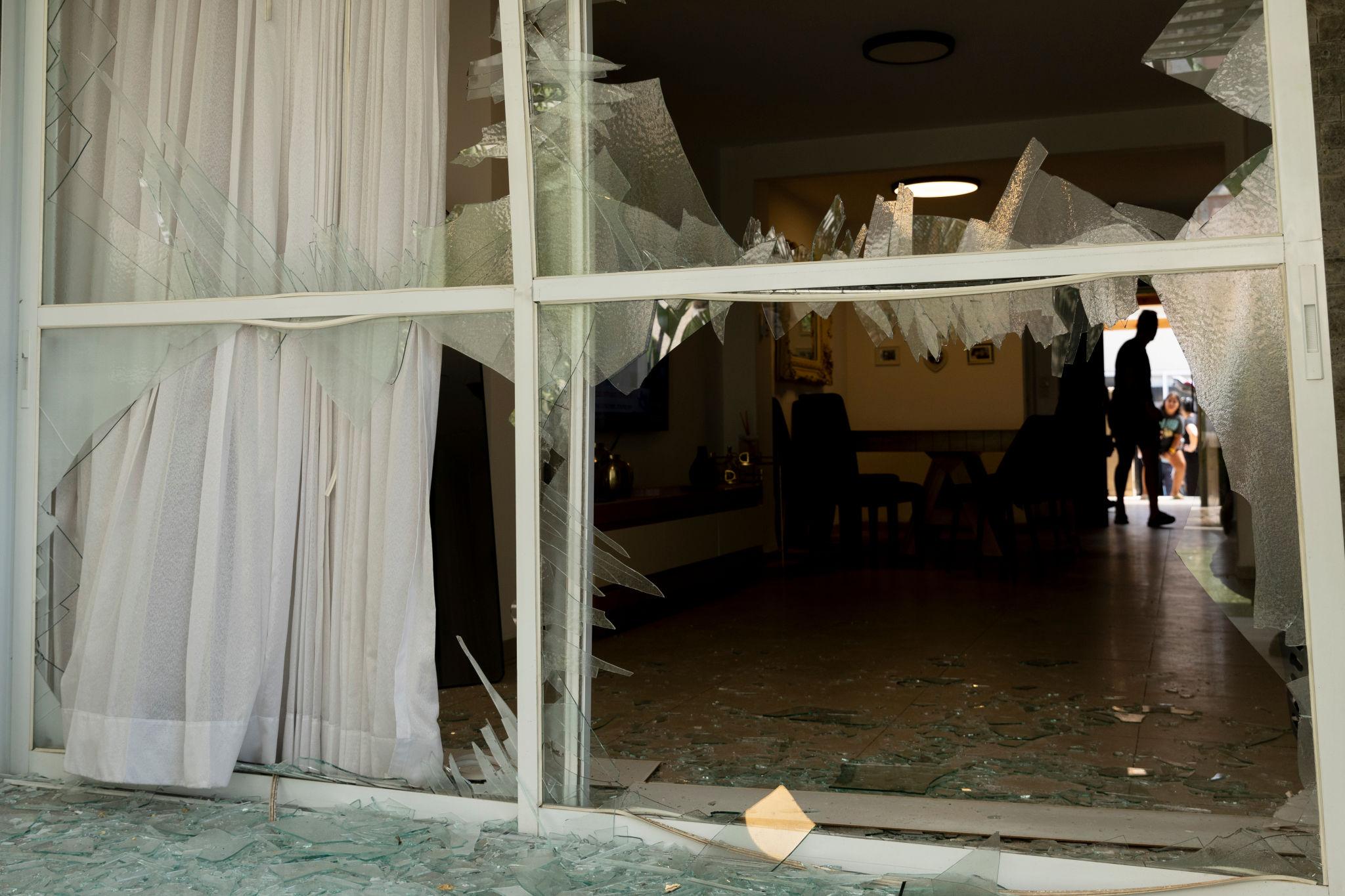
As the Middle East security crisis deepens, civilians remain at the center of its consequences. Communities living near conflict zones face constant uncertainty, with frequent alerts and disruptions affecting daily life.
Damage to infrastructure, economic instability, and psychological stress are becoming increasingly common. Humanitarian organizations warn that prolonged exposure to such conditions could have long-term consequences for affected populations.
The ongoing escalation highlights the urgent need for measures that address both security concerns and humanitarian needs.
Strategic Intent Behind Continued Attacks
Experts believe that the continued escalation is part of a broader strategy aimed at maintaining pressure and demonstrating capability. By sustaining operations, groups involved seek to influence both military and political outcomes.
In the context of the Middle East security crisis, these actions serve multiple purposes:
- Testing defensive systems and response times
- Demonstrating strength to allies and adversaries
- Shaping regional political narratives
Such strategies indicate that the conflict is unlikely to de-escalate quickly without significant external intervention.
Global Response and Diplomatic Challenges
The international community has expressed growing concern over the Middle East security crisis. Calls for restraint and de-escalation have been issued by various global organizations.
However, diplomatic progress remains limited. The complexity of alliances, combined with ongoing military actions, has made it difficult to achieve meaningful negotiations.
Each new development further complicates efforts to stabilize the situation, reinforcing the urgency of coordinated international action.
What Comes Next for the Region
The future of the Middle East security crisis remains uncertain. Several possible outcomes are being considered by analysts:
- Continued low-level conflict with periodic escalations
- Expansion into a broader regional confrontation
- Gradual de-escalation through diplomatic engagement
The direction will largely depend on the actions of key players and the effectiveness of international mediation efforts.
What This Means for the Middle East Security Crisis
The Middle East security crisis in 2026 is entering a critical phase, driven by escalating missile and drone attacks and rising geopolitical tensions. With increasing risks to civilians and the potential for wider conflict, the situation remains volatile and unpredictable. As global attention intensifies, the path forward will depend on whether diplomacy can outpace continued military escalation.