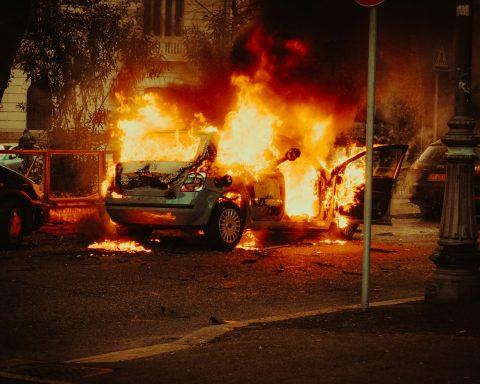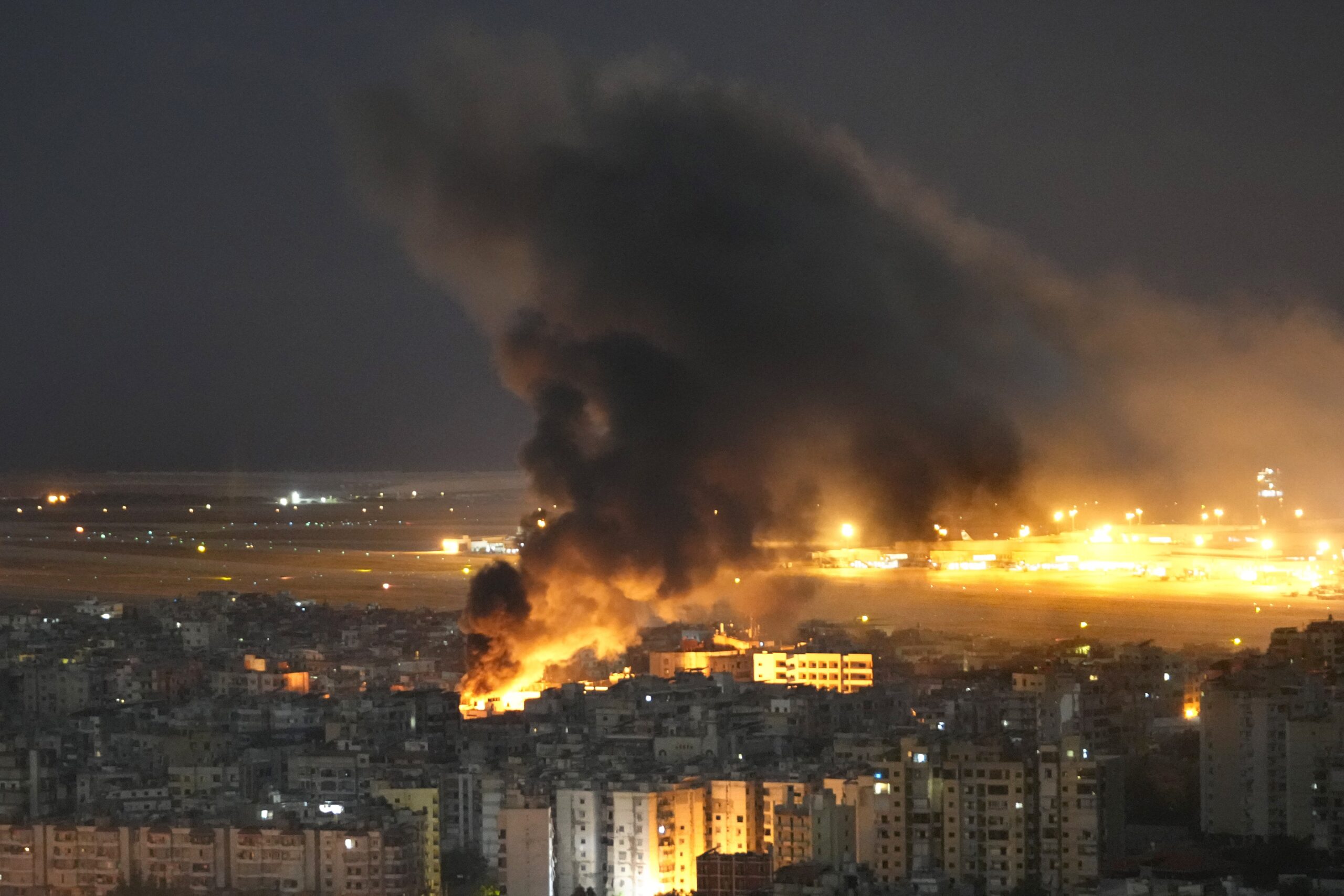
Beirut, Lebanon, March 29, 2026 (Parliament Politics Magazine) Israel Lebanon border clashes have intensified following a new series of attacks claimed by Hezbollah against Israeli targets in southern Lebanon and northern Israel. The escalation marks a significant rise in cross-border tensions, raising concerns about a potential broader conflict in the region.
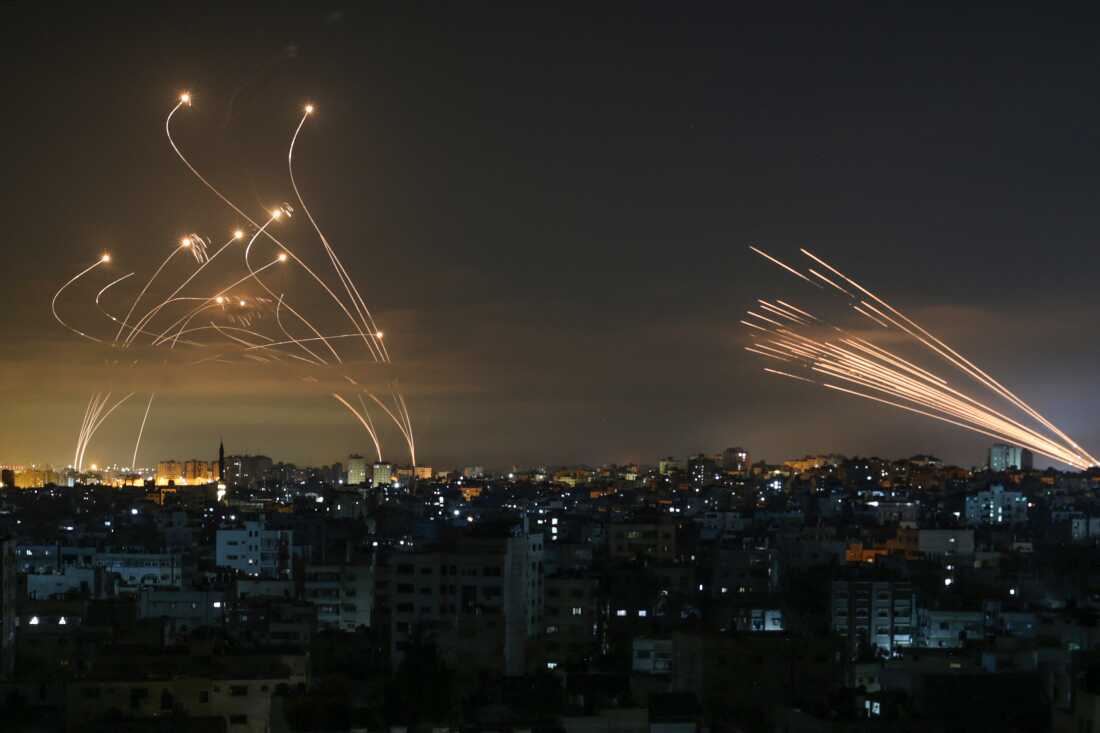
Officials on both sides have confirmed military activity along the border, with reports of missile launches, drone operations, and retaliatory strikes. The situation remains fluid as both sides maintain heightened alert levels.
Hezbollah Claims Coordinated Operations
Hezbollah announced that it carried out multiple coordinated attacks targeting Israeli military positions. The group stated that the operations included guided missiles and drone strikes aimed at what it described as “key defensive locations.”
In a statement, Hezbollah declared:
“These actions are a response to ongoing threats and will continue as necessary to defend our position.”
The organization emphasized that its operations were strategic and calculated, signaling its readiness to sustain pressure along the border without immediately escalating into full-scale war.
Israeli Military Responds Swiftly
The Israeli military confirmed incoming fire from Lebanese territory and responded with targeted airstrikes on suspected Hezbollah positions in southern Lebanon. Defense officials described the response as “proportionate and necessary.”
An Israeli military spokesperson said:
“Any attack on our territory will be met with decisive action to ensure the safety of our citizens.”
Air raid sirens were activated across northern Israel, prompting residents to seek shelter. While damage reports remain limited, authorities continue to monitor the situation closely.
Regional Stability Under Pressure
The latest Israel Lebanon border clashes come at a time of heightened geopolitical tension across the Middle East. Analysts warn that continued exchanges could trigger a wider confrontation involving additional regional actors.
Security experts note that these clashes are part of a broader strategic dynamic, with both sides attempting to assert deterrence while avoiding a full-scale war.
A regional analyst explained:
“What we are seeing is a controlled escalation—each side is sending a message without crossing a threshold that would lead to all-out conflict.”
Civilian Impact on Both Sides
Communities near the border are experiencing increasing uncertainty and fear. In southern Lebanon, residents reported explosions and increased military presence, leading some families to relocate temporarily.
In northern Israel, emergency protocols have been activated. Schools in certain areas have suspended operations, and shelters are being prepared for potential extended use.
Humanitarian concerns continue to grow as civilians face the risk of further escalation.
International Calls for De-Escalation
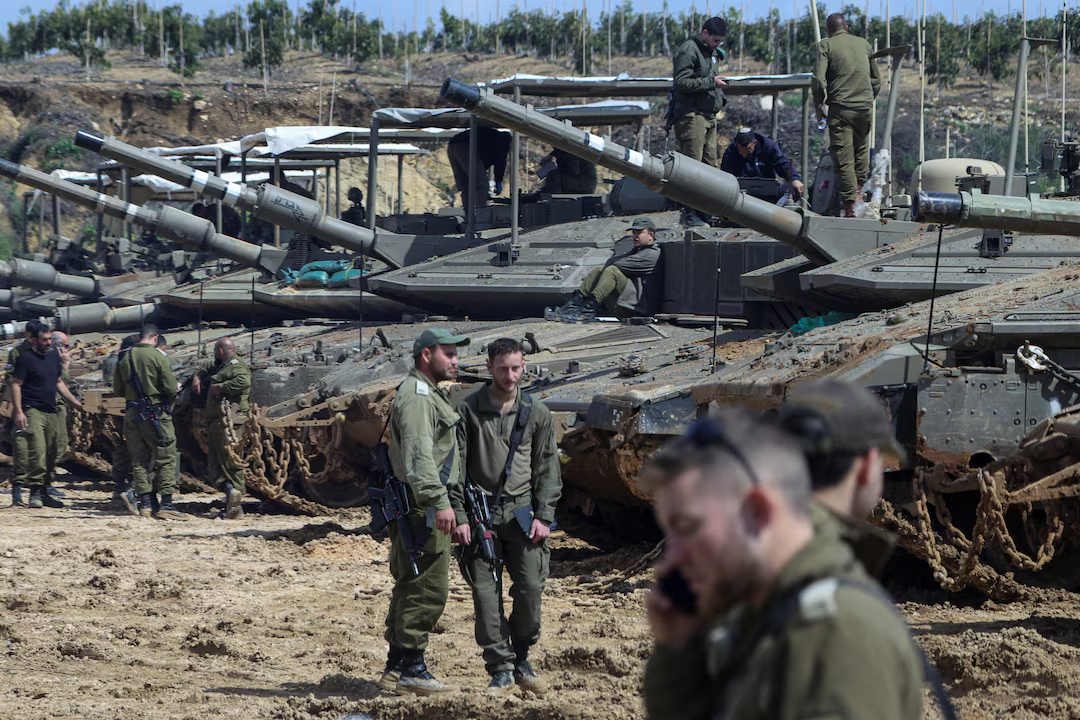
Global leaders and international organizations have urged restraint following the renewed Israel Lebanon border clashes. Diplomatic efforts are underway to prevent the situation from deteriorating further.
The United Nations called for adherence to ceasefire agreements and emphasized the importance of dialogue.
A UN official stated:
“The situation is extremely fragile, and immediate steps must be taken to avoid further escalation.”
Evolving Military Tactics
The latest clashes highlight the evolving nature of modern warfare in the region. The use of drones and precision-guided weapons indicates a shift toward more technologically advanced engagements.
Experts believe that both Hezbollah and Israel are adapting their strategies to maintain tactical advantages while minimizing large-scale confrontation.
This evolution raises concerns about the potential for more complex and unpredictable conflicts in the future.
What Lies Ahead?
The trajectory of the Israel Lebanon border clashes remains uncertain. While both sides continue to exchange fire, there is also a clear awareness of the risks associated with prolonged escalation.
Diplomatic channels may still offer a path to de-escalation, but the situation remains highly sensitive. Any miscalculation could lead to a broader regional crisis.
Observers are closely watching for signs of either escalation or restraint in the coming days.
Key Developments
Israel Lebanon border clashes have intensified with Hezbollah launching coordinated attacks and Israel responding with counter-strikes. Civilians on both sides face growing risks as tensions rise. International leaders are calling for restraint, but uncertainty remains high as the situation continues to evolve.