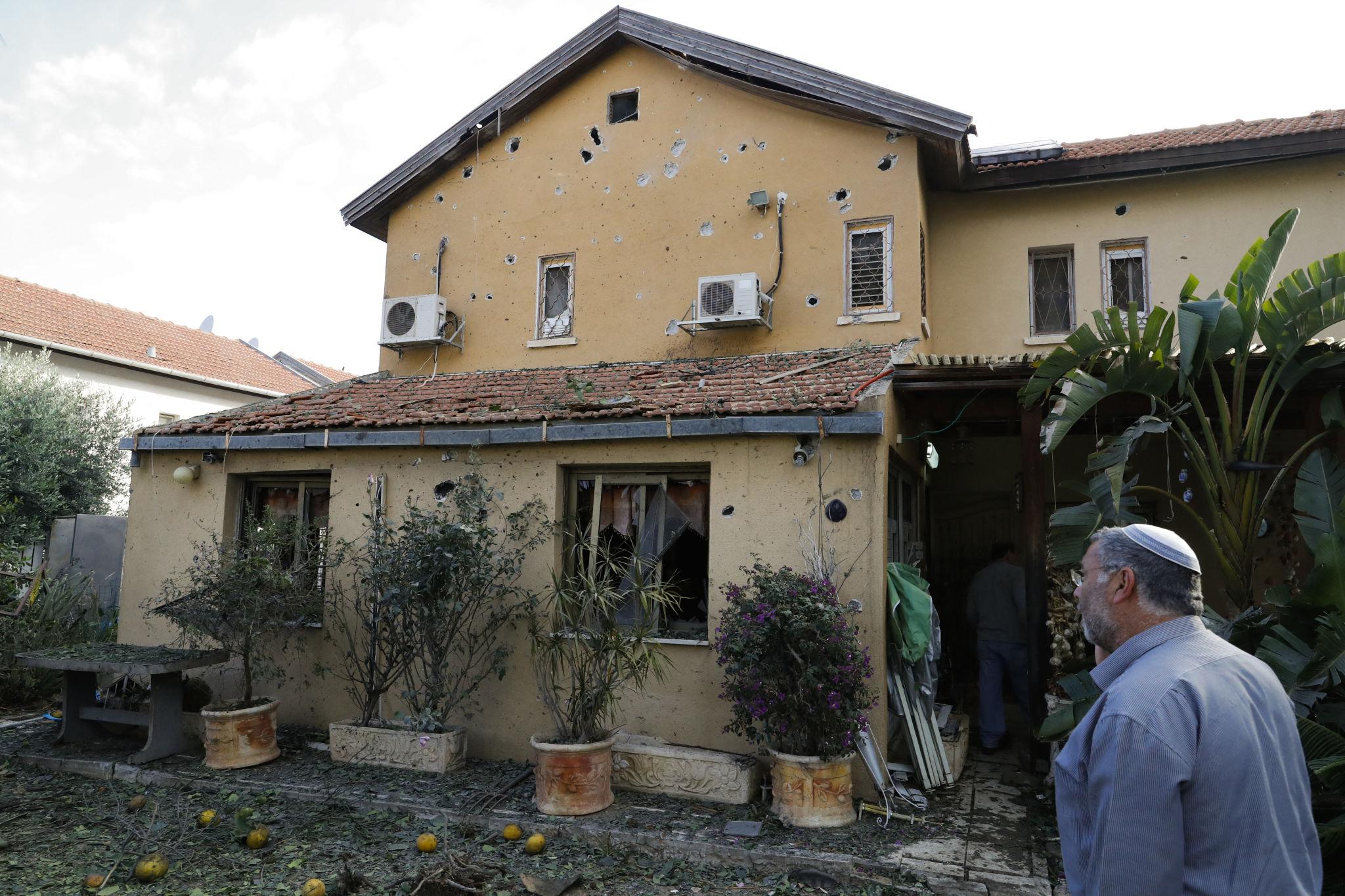
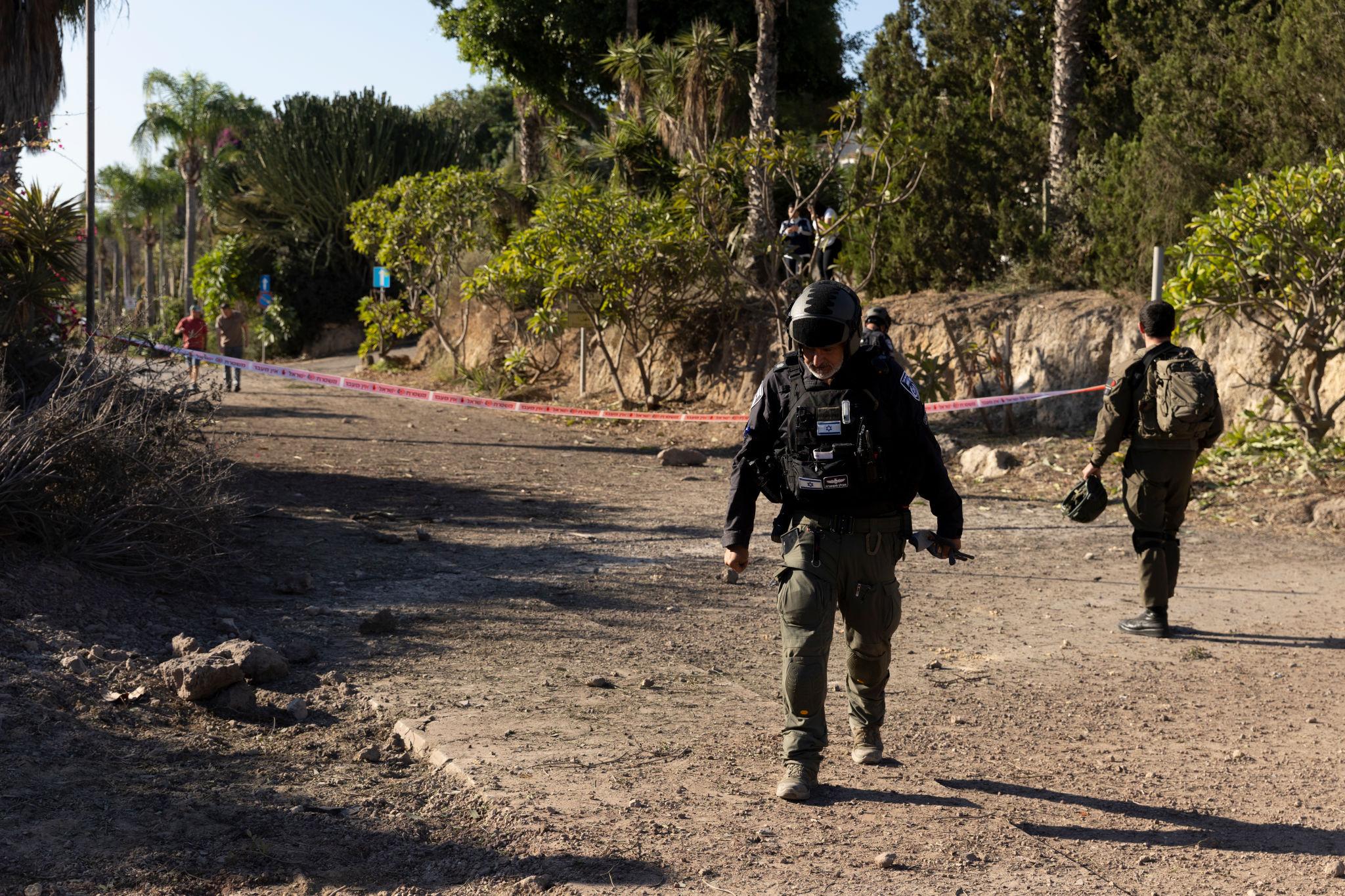
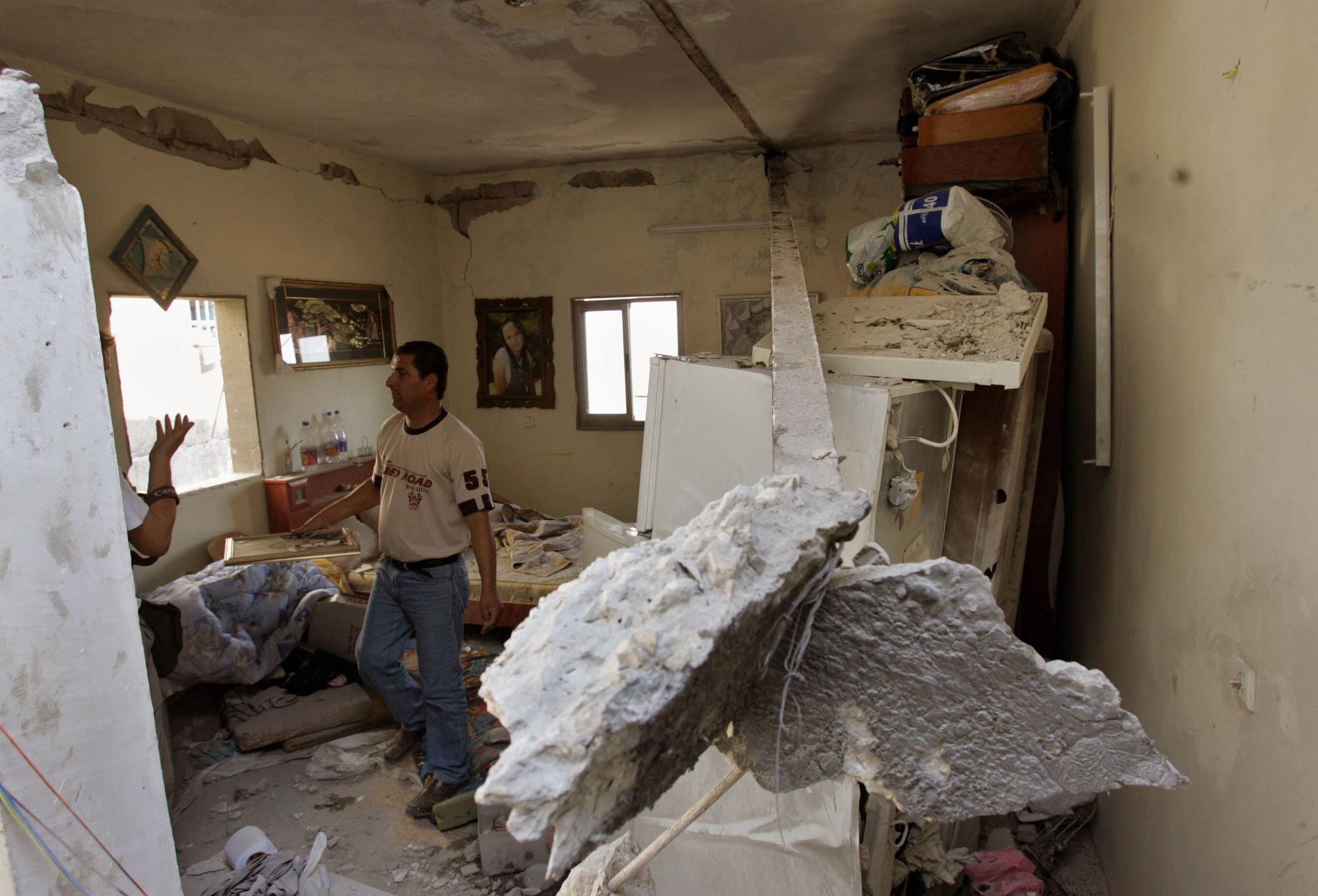
Upper Galilee, Israel, April 12, 2026 (Parliament Politics Magazine) Northern Israel rocket interception has caused significant concern after shrapnel from an intercepted projectile struck residential homes in the Upper Galilee region. Authorities confirmed that debris from a mid-air interception fell across populated areas, damaging property and heightening fears among civilians.
Emergency teams responded quickly to the scene, where multiple homes suffered visible structural damage, including shattered windows and punctured roofs. While no fatalities were reported, residents described the event as a close call that underscores the risks of living near active conflict zones.
A resident shared,
“The explosion was loud, but what followed was worse. Pieces of metal hit our home. It felt like danger was falling from the sky.”
Civilian areas face growing risks from interceptions
The Northern Israel rocket interception highlights a critical reality: even successful defensive actions can carry unintended consequences. Air defense systems are designed to neutralize threats, but falling debris from destroyed rockets can still cause damage on the ground.
Officials confirmed that the damage in Upper Galilee was caused by fragments of a rocket intercepted before reaching its intended target. Despite the success of the interception, the aftermath created a dangerous situation for nearby residents.
Security experts warn that as interception rates increase, so does the likelihood of debris-related incidents in civilian zones.
Emergency response and local authority actions
Following the Northern Israel rocket interception, emergency responders secured affected neighborhoods and conducted safety inspections. Residents were advised to remain alert and follow established safety procedures during future alerts.
Local authorities have begun assessing the extent of the damage and are expected to provide support for repairs. Temporary assistance programs may be introduced to help families recover from the incident.
An official stated,
“Our defense systems are protecting lives, but we must also address the risks posed by falling debris. Civilian safety remains our top priority.”
Rising tensions across northern Israel
The Northern Israel rocket interception comes at a time of heightened tensions along the northern border. Increased military activity has led to a surge in projectile launches and interceptions, raising concerns about further escalation.
The region has experienced frequent alerts, forcing residents to remain on high alert. While interception systems have been effective in preventing direct hits, the broader impact of ongoing conflict continues to affect daily life.
Analysts suggest that the frequency of such incidents may increase if tensions persist, putting additional strain on local communities.
Daily life disrupted in Upper Galilee communities
For those living in the area, the Northern Israel rocket interception is more than a headline—it is part of a daily reality shaped by uncertainty. Schools and businesses have adjusted operations, and families are constantly prepared to seek shelter at a moment’s notice.
The psychological impact is significant, particularly for children and elderly residents. Community leaders are calling for increased support services to address both physical and emotional needs.
Residents continue to adapt, but the strain of repeated incidents is becoming increasingly difficult to manage.
Strategic implications of continued interceptions
The Northern Israel rocket interception also reflects broader strategic challenges. While interception technology reduces the risk of direct casualties, it introduces new hazards that must be managed carefully.
Military planners face the complex task of balancing effective defense with minimizing risks to civilian populations. The evolving nature of conflict requires constant adaptation and innovation.
Experts emphasize that long-term solutions will require both technological improvements and diplomatic efforts to reduce tensions.
What lies ahead for northern regions?
In the aftermath of the Northern Israel rocket interception, authorities are expected to review safety protocols and strengthen protective measures. Efforts may include improved warning systems and enhanced community preparedness programs.
At the same time, diplomatic channels could play a role in reducing hostilities. However, the situation remains unpredictable, with the potential for further incidents.
Residents in Upper Galilee remain cautious, aware that stability may take time to achieve.
Key Facts and Impact
The Northern Israel rocket interception has once again highlighted the complex realities of modern conflict. While the interception prevented a direct strike, the resulting shrapnel caused damage and fear among civilians.
As tensions continue to rise, the risks faced by communities in northern Israel remain significant. Authorities are working to improve safety measures, but challenges persist.
This incident serves as a reminder that even successful defense systems cannot fully eliminate the dangers of conflict, reinforcing the need for long-term stability and peace.