Beijing, China, April 17, 2026 (Parliament Politics Magazine) China food delivery crackdown has entered a new phase after Chinese authorities announced penalties and confiscations totaling 3.6 billion yuan against food-delivery platforms. The enforcement action is one of the strongest signs yet that regulators remain focused on reshaping China’s platform economy and demanding stricter compliance from dominant technology companies.
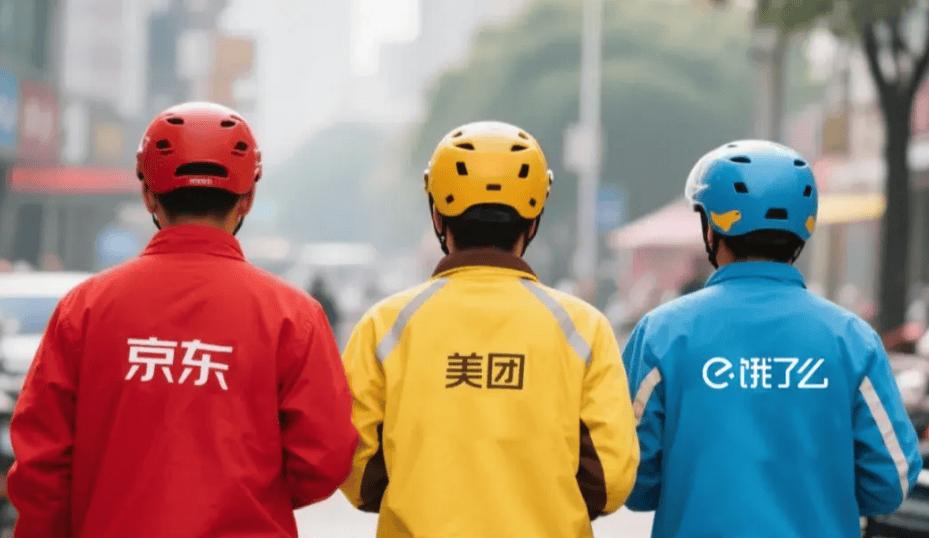
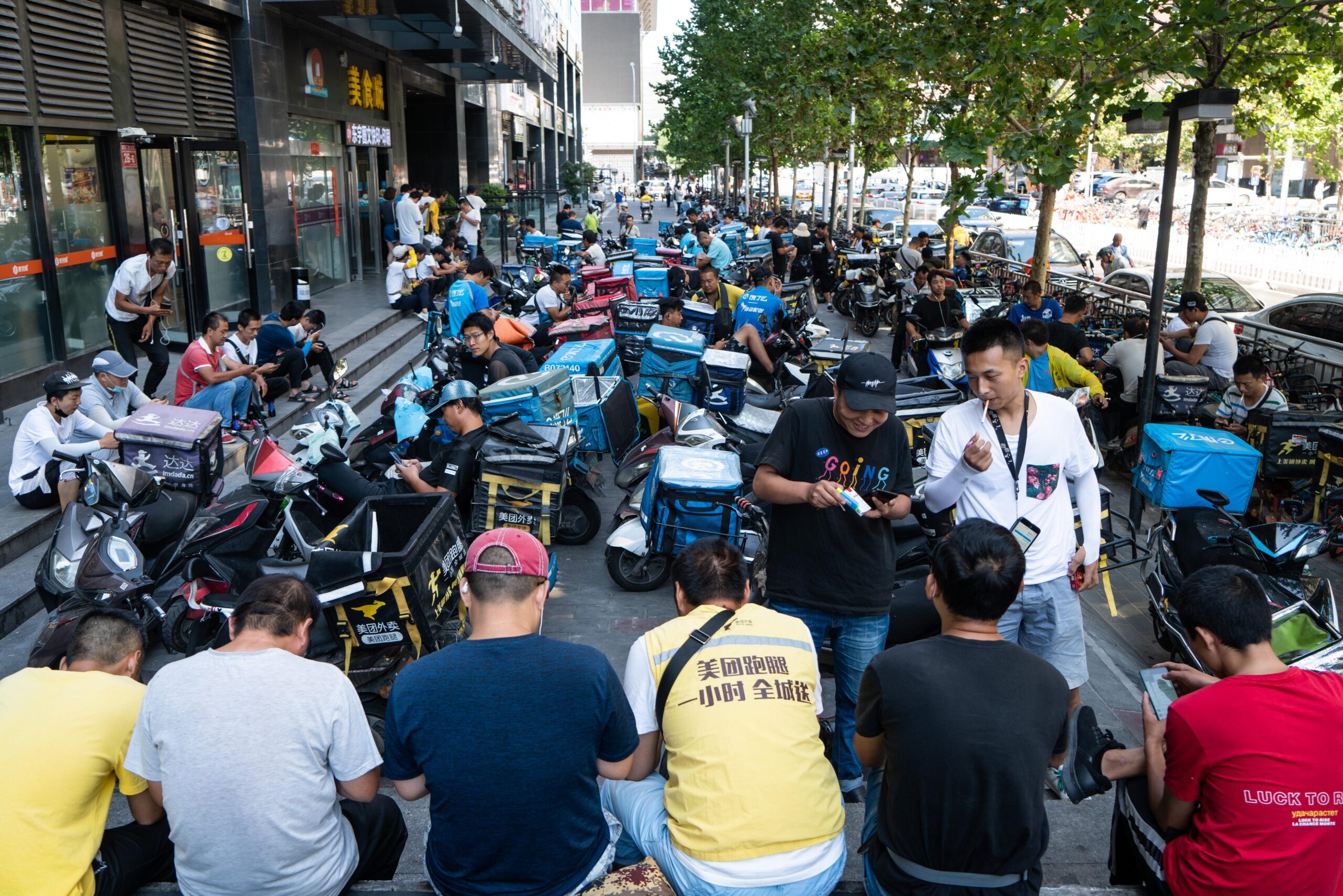
Food-delivery apps have become part of everyday life across China, handling millions of orders each day for meals, groceries, and convenience products. Yet the same rapid growth that helped build massive digital ecosystems has also drawn concern over competition, pricing tactics, worker treatment, and pressure on restaurants.
A market analyst said,
“This crackdown shows that size and popularity do not place any platform above the rules.”
Why the China Food Delivery Crackdown Matters
China’s online delivery market is one of the largest in the world. Major cities depend heavily on app-based ordering, while restaurants increasingly rely on delivery platforms for customer reach. Because of that scale, any regulatory action can have widespread economic impact.
The China food delivery crackdown is widely seen as targeting several long-running concerns:
- Anti-competitive market behavior
- Excessive commission pressure
- Misleading discount promotions
- Rider welfare and safety standards
- Merchant exclusivity agreements
- Consumer fee transparency
- Data handling practices
Authorities appear determined to balance innovation with fairness, ensuring technology growth does not damage small businesses or workers.
Impact on Delivery Platforms
Large food-delivery companies now face increased pressure to improve internal systems and business models. Beyond the direct cost of penalties, firms may need to invest more heavily in legal compliance, operations oversight, and customer transparency.
Possible changes include:
Lower Aggressive Promotions
Heavy discount wars have helped platforms gain users, but such tactics can distort markets and hurt merchants.
Better Merchant Terms
Restaurants may push for clearer commissions, flexible pricing, and improved data access.
Stronger Worker Protections
Drivers and couriers remain essential to the sector. Regulators may seek better pay standards, insurance, and realistic delivery targets.
Restaurants Could See Relief
Independent restaurants often operate on thin profit margins. Many owners have welcomed delivery demand but criticized high commissions and expensive promotional participation.
If reforms succeed, businesses may benefit through:
- Fairer commission models
- Reduced pressure to join costly promotions
- More freedom to set menu pricing
- Greater visibility for smaller brands
One restaurant operator reportedly said,
“We need delivery platforms, but partnerships must be sustainable.”
Investor Reaction and Market Outlook
Technology and consumer stocks linked to China’s digital economy may experience short-term volatility following the China food delivery crackdown. Markets typically dislike uncertainty, especially when large fines and new rules are introduced.
However, some investors may interpret the move positively over time if it leads to:
- Stronger corporate governance
- Cleaner competition
- Improved long-term profitability
- Greater consumer trust
Once regulations become clearer, investors often reward companies that adapt fastest.
Broader Warning for China’s Tech Sector
This case may also serve as a message to other industries. E-commerce platforms, ride-hailing services, fintech firms, and digital marketplaces could all face similar scrutiny if regulators identify unfair practices.
China’s broader policy direction appears centered on three goals:
- Economic growth
- Market stability
- Corporate accountability
That suggests future winners may be firms that prioritize sustainable growth rather than unchecked expansion.
Consumer Impact
Most users are unlikely to see sudden disruptions in app service. Food delivery remains deeply integrated into urban life. However, consumers may gradually notice changes such as:
- Clearer fee breakdowns
- More transparent discounts
- Better complaint resolution
- Improved courier service standards
Some ultra-cheap promotions may fade, but users could benefit from a healthier marketplace overall.
Global Importance of the Story
The China food delivery crackdown is being watched worldwide because similar debates are happening in many countries. Regulators globally are asking whether delivery platforms:
- Overcharge restaurants
- Misclassify workers
- Mislead consumers on pricing
- Abuse dominant market positions
China’s latest move demonstrates that governments are increasingly willing to take direct financial action.
What Comes Next?
Several developments may follow:
Internal Reforms
Major platforms may announce new policies for merchants, workers, and pricing.
Slower Expansion
Companies could become more cautious with aggressive market-share strategies.
New Competitors
Smaller or niche platforms may gain room to compete.
Additional Investigations
Other digital sectors may face fresh enforcement.
What This Means Now
The China food delivery crackdown has intensified with regulators imposing 3.6 billion yuan in fines and confiscations. The move sends a clear message that China wants accountability, fair competition, and stronger protections within the digital economy.
For restaurants, this could mean better business conditions. For consumers, more transparency. For investors, the key question is which companies can adapt quickly and rebuild confidence.
China’s next tech leaders may be defined not just by growth—but by trust, fairness, and compliance.