Washington, D.C., April 18, 2026 (Parliament Politics Magazine) Iran conflict economic impact is becoming increasingly visible in 2026 as ongoing tensions tied to the Iran war begin to influence financial systems, energy prices, and global economic stability. What began as a geopolitical flashpoint is now revealing a deeper vulnerability: the sensitivity of the global economy to prolonged uncertainty.
Market participants, policymakers, and businesses are all adjusting to signals tied to the iran conflict economic impact, recognizing that the consequences extend far beyond the immediate region. Economic pressure points—especially in energy and inflation—are beginning to shape both domestic and international responses.
Financial Markets React to Rising Risk Levels
The iran conflict economic impact is clearly reflected in financial markets, where volatility has increased in response to geopolitical developments. Investors are closely monitoring the situation, with many shifting strategies to account for potential disruptions in oil supply and global trade.
Uncertainty tends to drive cautious behavior. As headlines evolve, capital flows can change direction quickly, leading to swings in equity markets and commodity prices. The iran conflict economic impact is acting as a catalyst for these movements, reinforcing the link between geopolitics and economic performance.
A financial strategist stated,
“The iran conflict economic impact is not just about oil—it’s about how uncertainty reshapes investor confidence across global markets.”
Energy Prices Remain at the Center of Economic Pressure
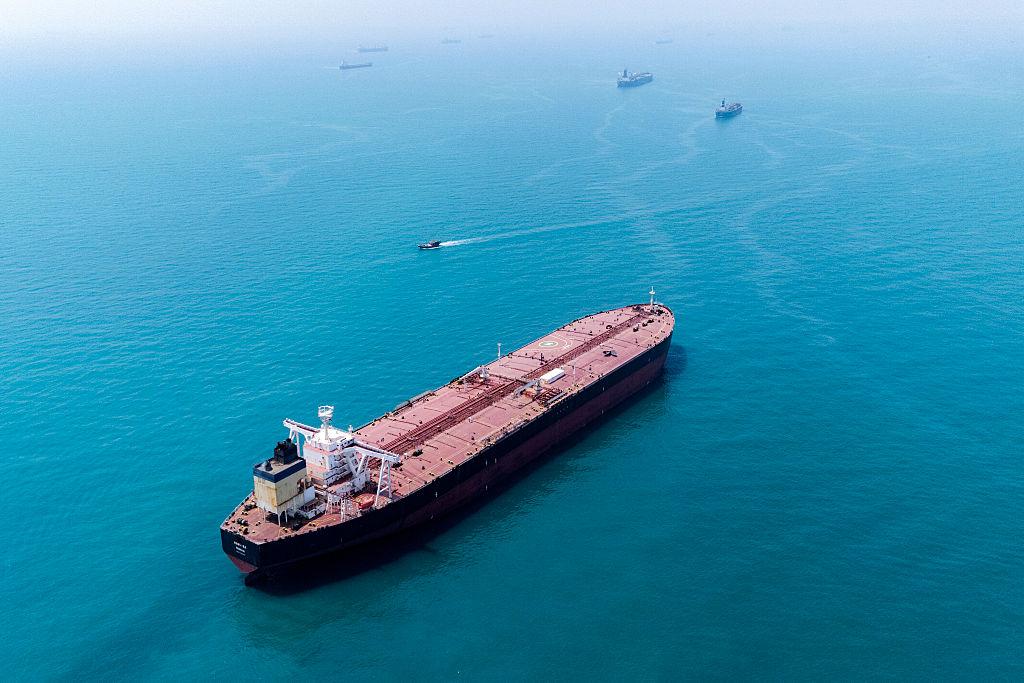
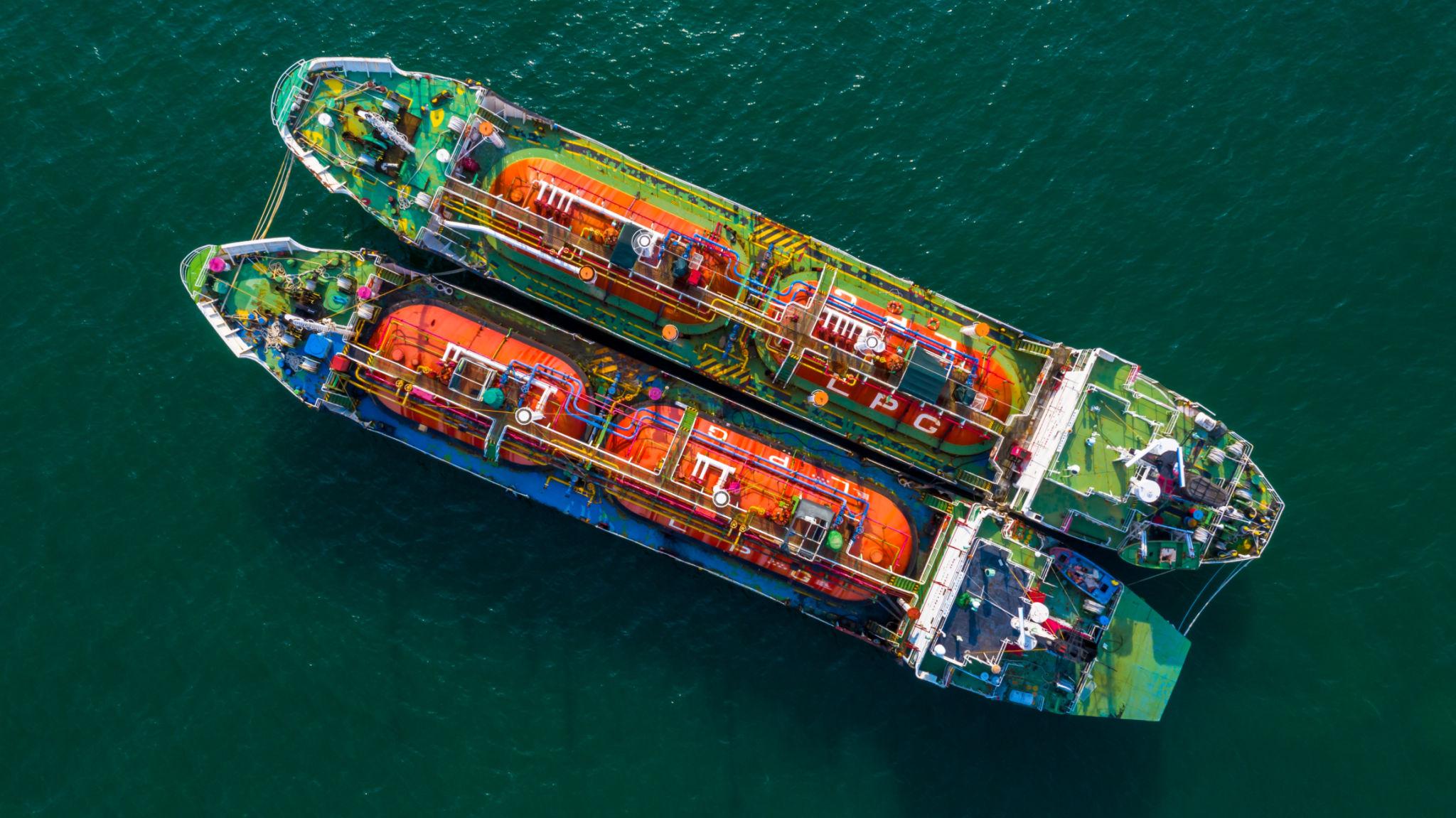
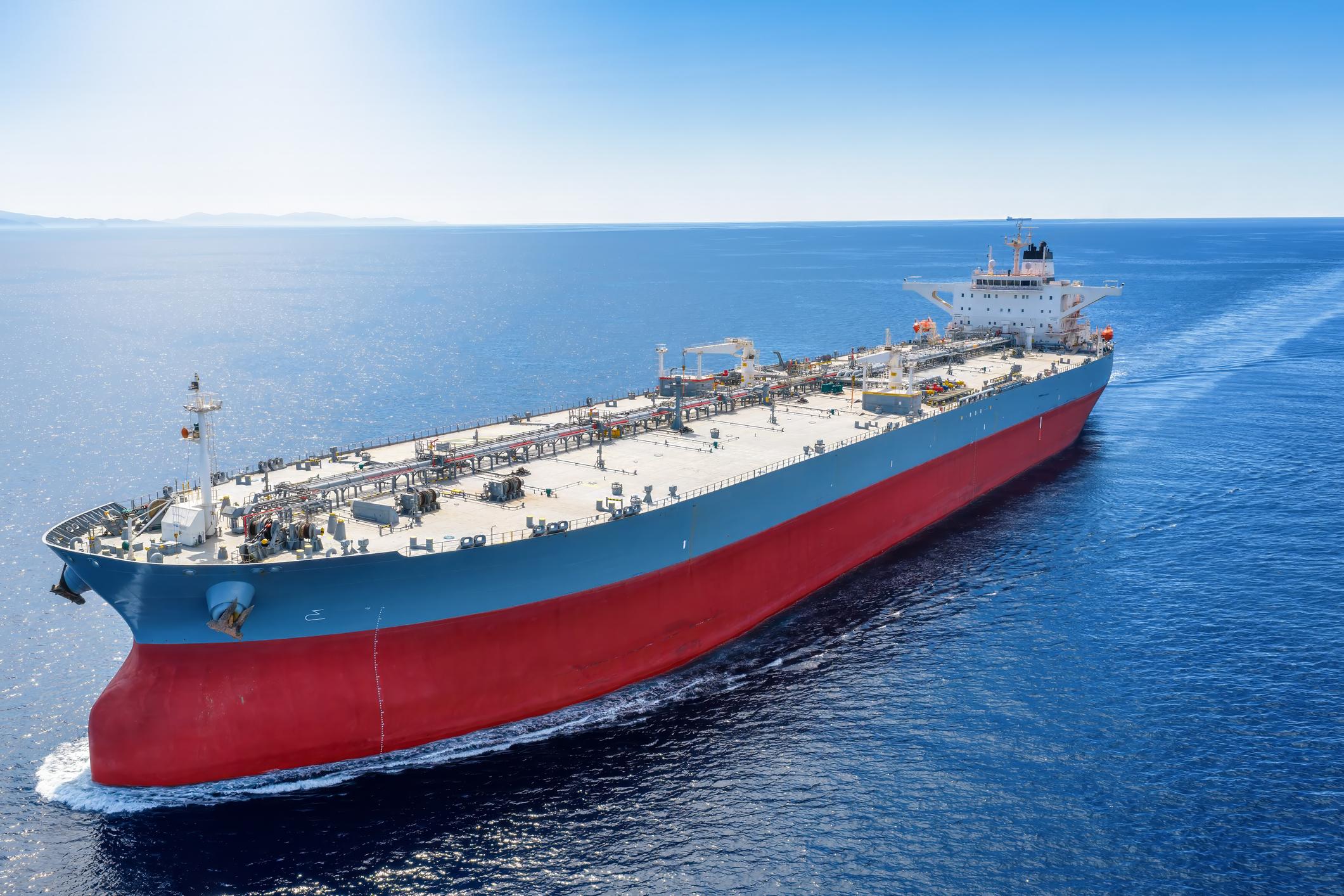
Energy markets are one of the most immediate channels through which the iran conflict economic impact is being felt. The Middle East remains critical to global oil supply, and any perceived risk to production or shipping routes can quickly influence pricing.
Rising fuel costs are already placing pressure on businesses and consumers. Transportation expenses increase, logistics become more expensive, and companies may pass these costs on to customers. The iran conflict economic impact is therefore contributing to a broader cycle of economic strain.
Energy analysts emphasize that even the possibility of disruption—rather than confirmed shortages—can trigger market reactions, highlighting the fragile balance of supply and demand.
Inflation Risks Intensify Across Economies
The iran conflict economic impact is also feeding into inflation concerns, particularly as energy costs rise. Inflation affects nearly every sector, from food prices to manufacturing, making it a critical issue for policymakers.
Central banks may face difficult choices as they attempt to manage inflation without slowing economic growth. Interest rate decisions could become more complex if the iran conflict economic impact continues to drive upward pressure on prices.
An economist noted,
“Inflation doesn’t operate in isolation. The iran conflict economic impact adds another layer of complexity that policymakers must navigate carefully.”
Economic Policy and Political Pressure
The iran conflict economic impact is influencing political and economic strategies, particularly in countries heavily affected by energy prices. Leaders are being evaluated on their ability to maintain stability while responding to geopolitical challenges.
Economic resilience has become a key focus. Governments may consider measures such as releasing strategic reserves, adjusting fiscal policies, or engaging in diplomatic efforts to reduce tension.
The iran conflict economic impact underscores how closely economic outcomes are tied to geopolitical decision-making, making it a central issue in policy discussions.
Global Ripple Effects Across Markets
The reach of the iran conflict economic impact extends well beyond the Middle East. Countries that rely on imported energy are particularly vulnerable to rising prices, which can strain national economies and reduce growth prospects.
Emerging markets may face additional challenges, including currency volatility and reduced investment inflows. Meanwhile, developed economies must balance inflation control with maintaining economic momentum.
The global nature of the iran conflict economic impact highlights the interconnectedness of modern financial systems, where regional events can have worldwide consequences.
Impact on Businesses and Consumers
At the ground level, the iran conflict economic impact is affecting both businesses and consumers. Higher fuel costs reduce disposable income for households, while businesses face increased operational expenses.
Industries that depend heavily on transportation, such as logistics, retail, and hospitality, are particularly exposed. Many companies are adjusting strategies to manage costs, including optimizing supply chains and revising pricing models.
For consumers, the iran conflict economic impact is most visible at the fuel pump and in everyday expenses, reinforcing the tangible effects of global events on daily life.
Market Outlook: Monitoring Key Developments
Looking ahead, the iran conflict economic impact will depend on several evolving factors:
- Stability of oil supply and shipping routes
- Policy responses from governments and central banks
- Investor sentiment and capital flow trends
- Duration and intensity of geopolitical tensions
Short-term market volatility is likely to persist, while long-term outcomes will depend on whether stability can be restored and confidence maintained.
Iran Conflict Economic Impact Intensifies Across Global Markets
“The iran conflict economic impact shows that economic stability can become the most decisive battleground during geopolitical crises.”
Key Takeaways
The iran conflict economic impact is emerging as a defining factor in global economic conditions. While geopolitical developments continue to unfold, the economic consequences are already influencing markets, policy decisions, and everyday life.
Key Points:
- Iran conflict economic impact is driving market volatility and uncertainty
- Energy prices remain a central factor in economic pressure
- Inflation risks are increasing across multiple sectors
- Global economies are interconnected, amplifying the overall impact
As the situation develops, the iran conflict economic impact will remain a critical issue for investors, policymakers, and consumers worldwide.