New York, United States, April 20, 2026 (Parliament Politics Magazine) AI hardware demand forecast is taking center stage as Morgan Stanley projects that the rise of agentic AI will significantly expand semiconductor demand beyond traditional graphics processors. The report suggests that central processing units (CPUs) and system infrastructure will play a much larger role in the next phase of AI growth.
This shift signals a structural change in how companies allocate billions in AI-related investments.
A technology strategist stated:
“The AI boom is no longer just about GPUs—it’s about building a complete computing ecosystem.”
Agentic AI Driving New Hardware Needs
Agentic AI, defined by its ability to make autonomous decisions and execute tasks, is increasing the complexity of computing workloads.
The latest AI hardware demand forecast shows that these systems require diverse processing capabilities across multiple hardware layers.
Unlike earlier AI models, agentic systems depend on:
- Real-time decision-making
- Continuous data processing
- Multi-system coordination
- Advanced orchestration of workloads
This evolution is forcing companies to rethink their infrastructure strategies.
GPUs Face a Shift in Dominance
For years, GPUs have dominated AI investment due to their ability to handle parallel processing efficiently.
However, this AI hardware demand forecast suggests that GPUs alone will not meet the growing needs of advanced AI systems.
As workloads become more complex, CPUs are expected to take on a larger share of responsibilities, including system control and data management.
CPUs Emerging as Critical Components
Central processing units are now positioned as essential to supporting AI operations at scale.
According to the AI hardware demand forecast, CPUs will be increasingly used for:
- Managing system operations
- Running applications and operating systems
- Coordinating between GPUs and memory
- Handling non-parallel workloads
This growing importance could shift investment toward companies specializing in CPU architecture.
Impact on Semiconductor Industry
The expanding demand for diverse hardware components is expected to reshape the semiconductor landscape.
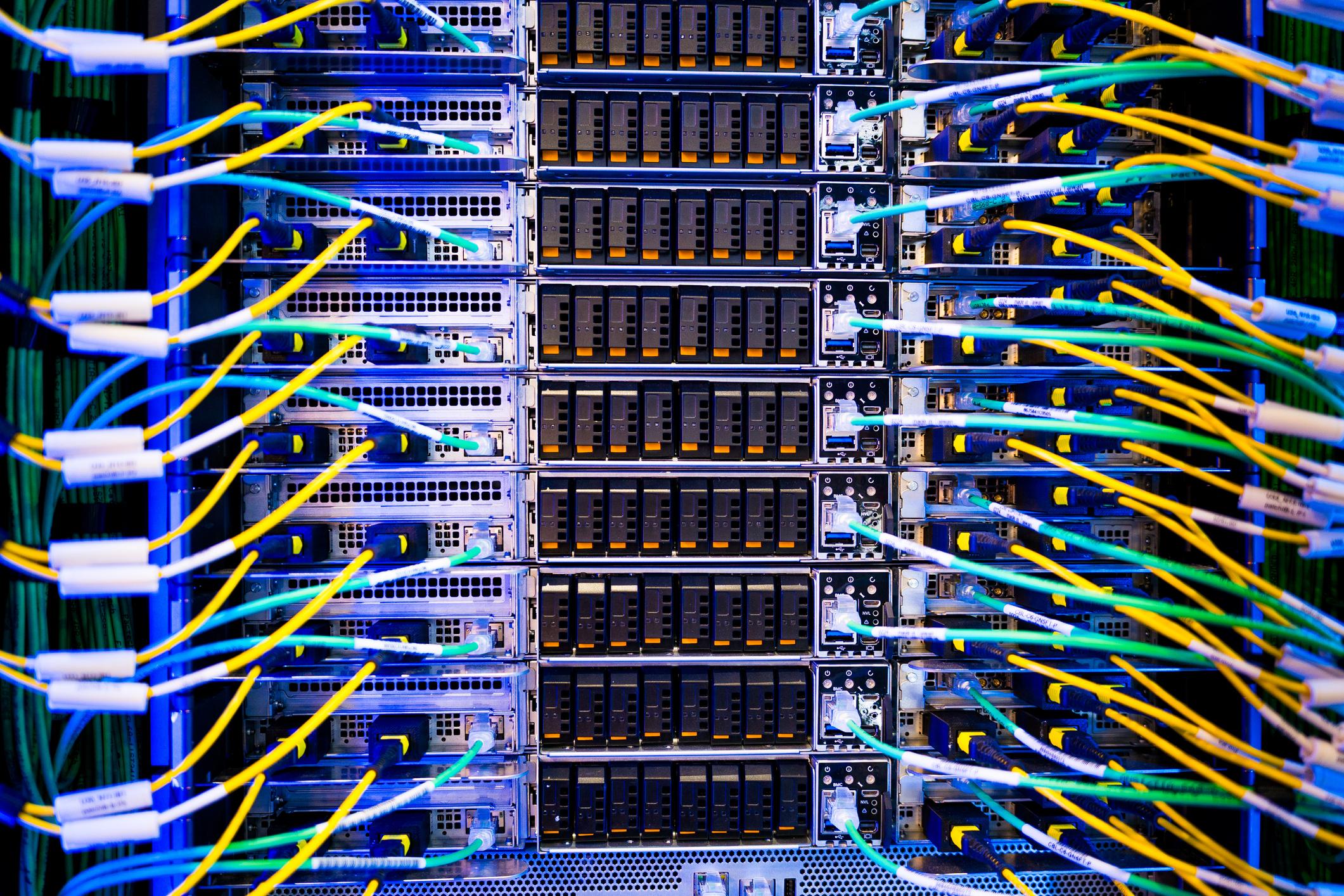
The AI hardware demand forecast indicates that companies involved in CPUs, memory, and networking could benefit from increased spending.
At the same time, firms focused solely on GPUs may need to diversify their offerings.
This shift could lead to:
- Increased competition
- Faster innovation cycles
- Broader product ecosystems
Data Centers at the Core of Expansion
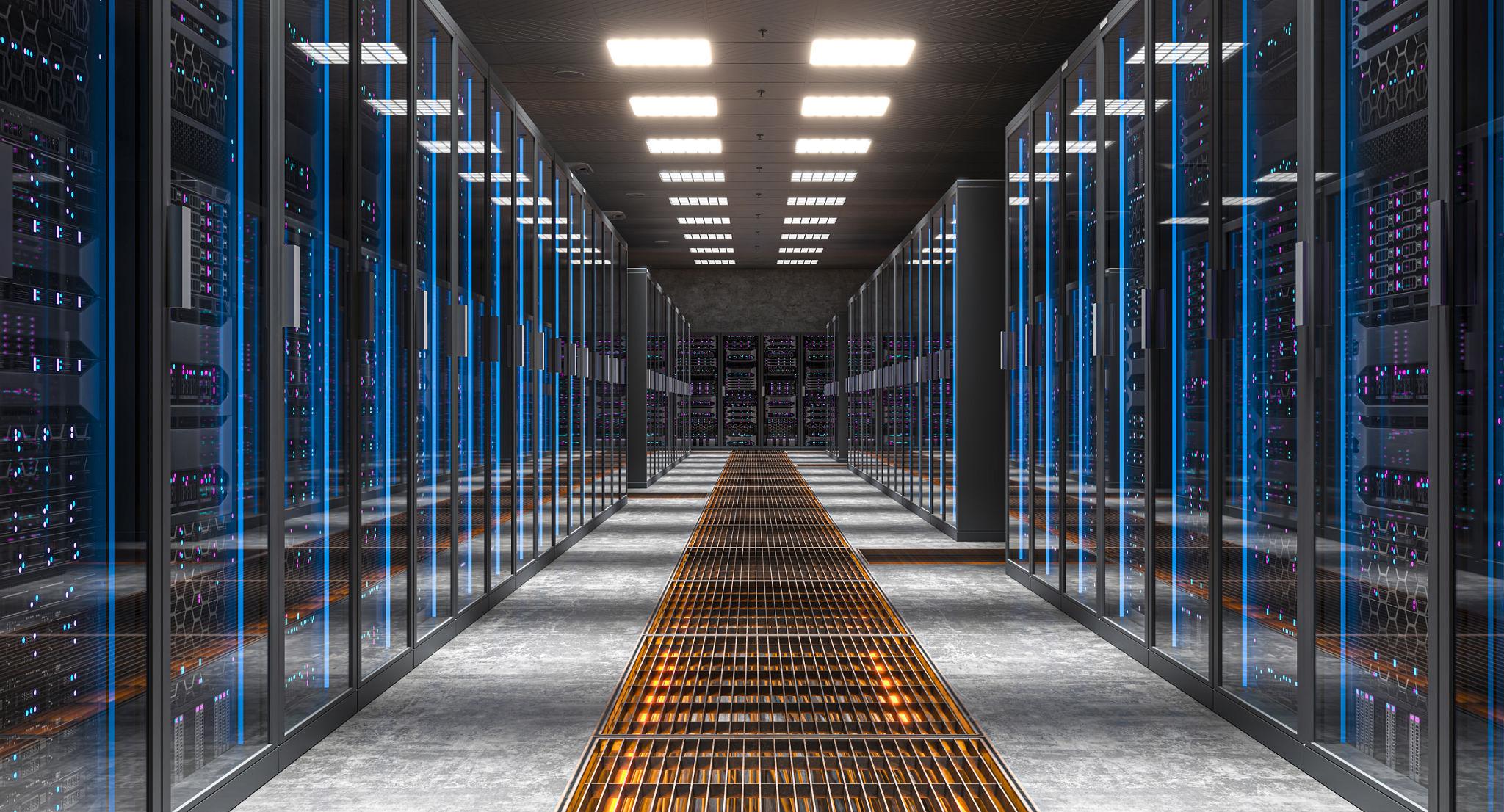
Data centers remain central to supporting AI growth, and their role is expected to expand significantly.
The AI hardware demand forecast highlights how rising demand for CPUs and infrastructure will drive:
- Larger data center footprints
- Increased energy consumption
- Advanced cooling technologies
- Scalable computing architectures
These developments are essential for handling next-generation AI workloads.
Investment Trends and Capital Allocation
Investors are closely watching how companies adjust their spending strategies.
The latest AI hardware demand forecast suggests a shift toward balanced investment across multiple hardware categories.
Key trends include:
- Diversification of chip spending
- Expansion of AI infrastructure budgets
- Increased focus on efficiency and scalability
- Long-term investment in computing ecosystems
This reflects a maturing AI market where efficiency is as important as raw power.
Competitive Dynamics in AI Hardware
The evolving landscape is intensifying competition among technology firms.
The AI hardware demand forecast indicates that companies will need to innovate across multiple areas, including:
- Processor design
- Software integration
- System-level optimization
Firms offering end-to-end solutions are expected to gain a competitive advantage.
Global Supply Chain Implications
The shift in AI hardware demand could have significant effects on global supply chains.
The AI hardware demand forecast suggests increased demand for:
- Semiconductor manufacturing capacity
- Advanced materials
- Logistics and distribution networks
These changes may influence global trade patterns and technology supply chains.
Expert Insights on AI Evolution
Industry experts view agentic AI as a transformative development.
One analyst noted:
“We are entering a phase where AI systems act independently, and that requires a fundamentally different hardware approach.”
The AI hardware demand forecast underscores the need for a diversified computing infrastructure.
What to Watch in 2026 and Beyond
As the AI landscape continues to evolve, several developments will be critical:
- Adoption of agentic AI systems
- Growth in CPU demand
- Expansion of data center infrastructure
- Advances in semiconductor technology
The ongoing AI hardware demand forecast will provide key insights into how these trends unfold.
AI Hardware Demand Forecast Signals Industry Shift
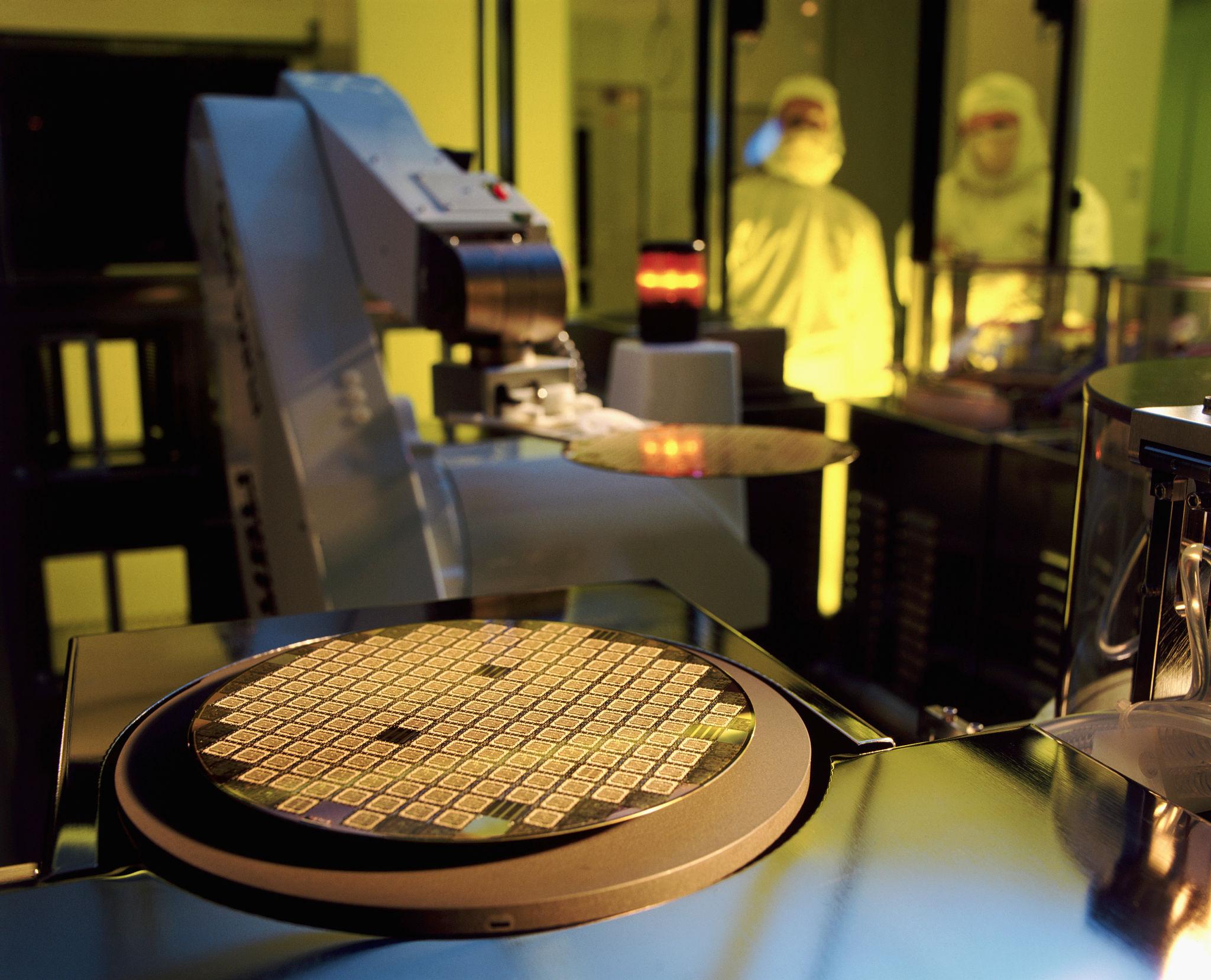
The latest AI hardware demand forecast highlights a major transition in the semiconductor industry.
Key takeaways include:
- Expanding demand beyond GPUs to CPUs
- Increased complexity of AI workloads
- Growing investment in infrastructure
- New opportunities for innovation and growth
As AI continues to evolve, the balance between different types of computing power will shape the future of technology.