

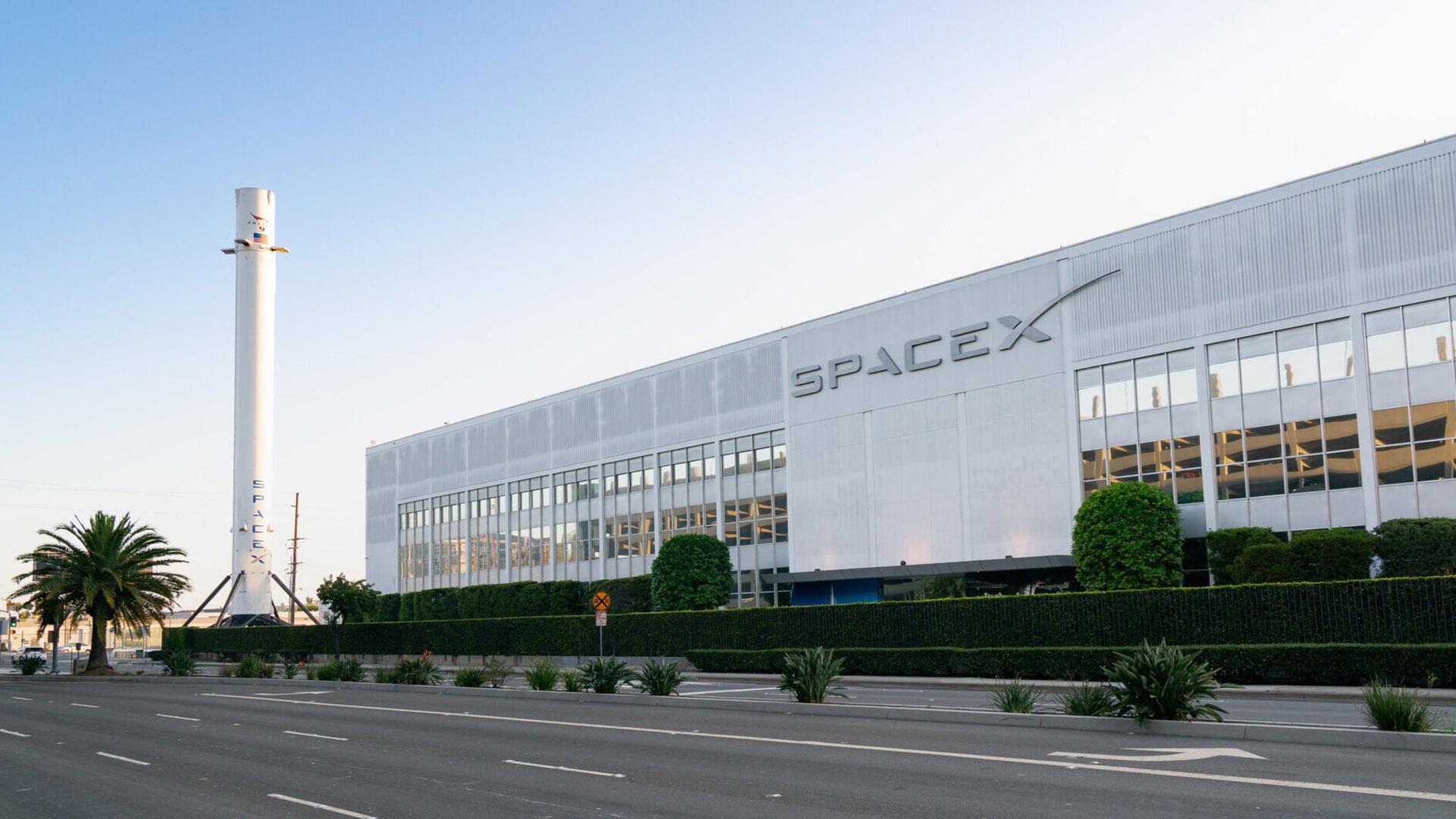
United States, APRIL 21, 2026 ( Parliament Politics Magazine ) Aerospace industry earnings have moved into sharp focus after new financial disclosures revealed that a top executive at SpaceX earned $85 million last year. The timing of this revelation coincides with escalating geopolitical tensions as the United States pushes for renewed peace talks in the Iran war, with a critical ceasefire deadline fast approaching.
The convergence of strong aerospace industry earnings and global conflict has intensified attention on how private technology firms are influencing defense strategies and international policy decisions.
Aerospace Industry Earnings Reflect Strategic Growth
The latest data surrounding aerospace industry earnings highlights a significant transformation in how companies within the sector generate value. No longer limited to traditional aviation and space exploration, the aerospace industry now plays a central role in global communications, surveillance, and defense infrastructure.
Strong aerospace industry earnings are being driven by:
- Expanding government defense contracts
- Increased reliance on satellite networks
- Growth in commercial space ventures
- Strategic partnerships with global agencies
Analysts suggest that aerospace industry earnings are likely to remain strong as global demand for advanced technology solutions continues to rise.
A senior industry expert noted:
“The rise in aerospace industry earnings signals a shift in global priorities, where innovation and defense capabilities are now deeply intertwined.”
Iran War Developments Add Urgency to Global Markets
At the same time, aerospace industry earnings are being closely watched alongside developments in the Iran war. Diplomatic efforts are intensifying as officials attempt to secure a lasting resolution before the ceasefire deadline expires.
Key developments include:
- Ongoing negotiations behind closed doors
- Continued military readiness across the region
- Increased global pressure for a peaceful resolution
- Market volatility linked to uncertainty in energy supply
The overlap between aerospace industry earnings and geopolitical events underscores how closely tied economic performance is to global stability.
Technology Firms Play a Critical Role in Modern Conflict
The rise in aerospace industry earnings reflects the growing importance of technology companies in modern warfare and diplomacy. Satellite systems, communication networks, and intelligence platforms have become essential tools for both defense and negotiation.
Aerospace industry earnings are benefiting from:
- Real-time data and intelligence systems
- Advanced navigation and logistics platforms
- Cybersecurity integration in defense operations
- Global connectivity through satellite infrastructure
This evolution has positioned aerospace companies as key players not just in business, but in shaping the outcome of global conflicts.

Investor Confidence and Market Reactions
Financial markets are responding to the surge in aerospace industry earnings with cautious optimism. Investors are closely tracking how geopolitical developments will influence long-term growth in the sector.
Market trends show:
- Increased investment in defense-related technologies
- Strong performance among aerospace and satellite firms
- Heightened interest in companies with government contracts
- Ongoing volatility tied to Middle East developments
The connection between aerospace industry earnings and global events is expected to remain a dominant theme in the months ahead.
Public and Political Response
The rise in aerospace industry earnings, particularly alongside high executive compensation, has sparked debate among policymakers and the public. While some view these earnings as a reflection of innovation and leadership, others question the broader implications during times of conflict.
Political discussions are increasingly focused on:
- Regulation of defense-related technologies
- Transparency in corporate earnings
- Balancing innovation with ethical considerations
- National security priorities
These conversations are likely to shape future policies affecting the aerospace sector.
Ceasefire Deadline Raises Stakes
As the ceasefire deadline approaches, the pressure to reach a diplomatic resolution continues to build. Aerospace industry earnings remain closely tied to the outcome, as prolonged conflict could drive further demand for defense technologies.
Possible scenarios include:
- Successful negotiations leading to stability
- Extension of ceasefire agreements
- Renewed military escalation
- Increased global involvement in peace efforts
Each outcome carries significant implications for both geopolitical stability and aerospace industry earnings.
Broader Implications for the Future
The continued growth in aerospace industry earnings reflects a broader shift in the global economy. Technology, defense, and innovation are becoming increasingly interconnected, shaping not only markets but also international relations.
Key takeaways include:
- Aerospace companies are central to modern defense strategies
- Earnings growth is linked to global demand for advanced technology
- Private-sector influence in geopolitics is expanding
- Future conflicts will likely rely heavily on technological capabilities

Aerospace industry earnings are surging at a time when global tensions surrounding the Iran war are reaching a critical point. The combination of strong financial performance and geopolitical uncertainty highlights the growing role of technology companies in shaping world events. As negotiations continue and markets react, the aerospace sector remains at the center of both economic and political developments.