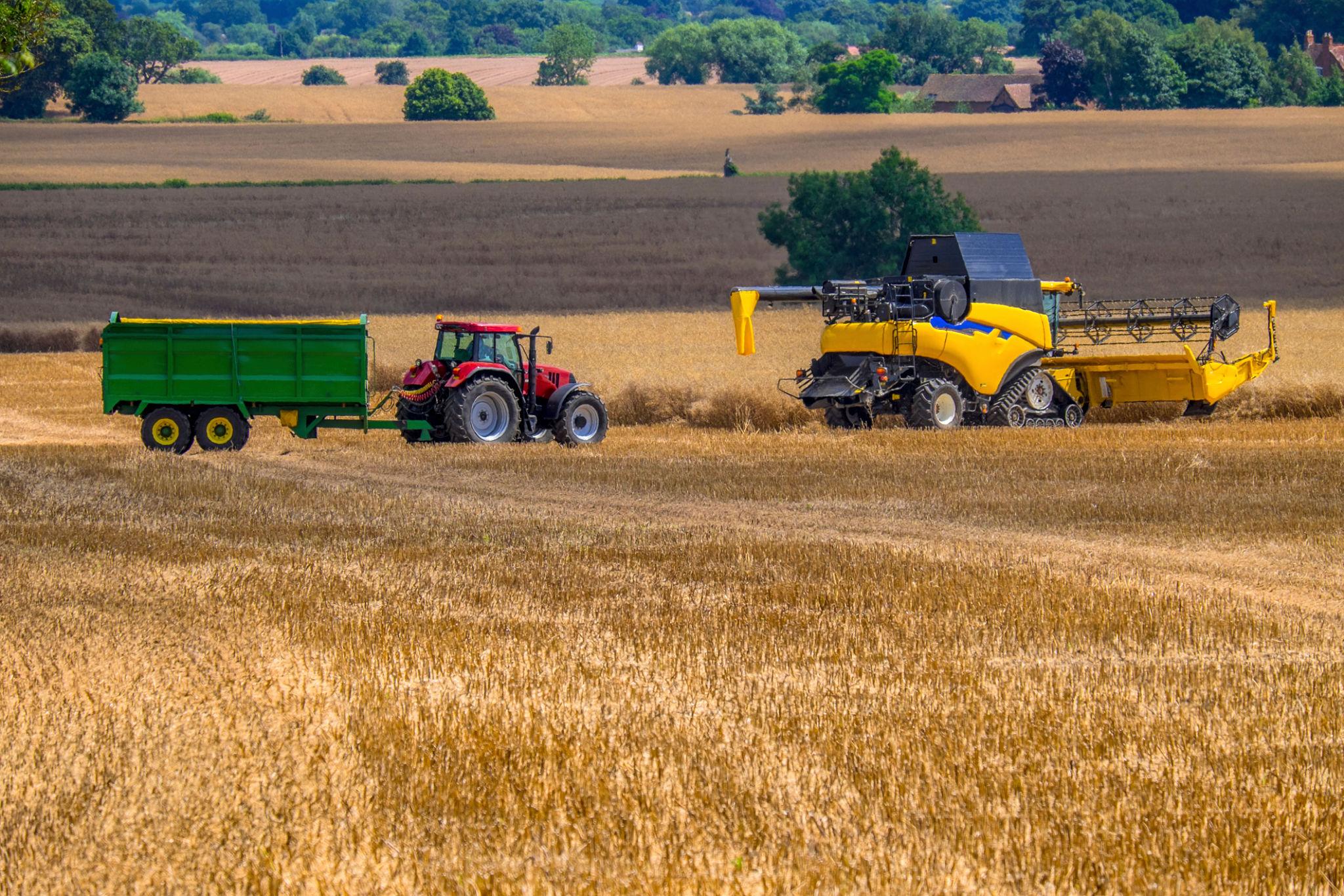
LONDON, England, June 6 (Parliament Politics Magazine) – UK food security has become a growing topic of national debate after ministers faced criticism from industry leaders, agricultural groups, and food resilience experts who argue the issue deserves immediate government attention. Concerns surrounding domestic food production, supply chain vulnerabilities, rising costs, and global instability have renewed calls for stronger planning and long-term investment.
Industry Leaders Warn Immediate Action May Be Needed
Agricultural organizations and food industry representatives have warned that maintaining reliable access to food requires greater attention from policymakers. Recent discussions have focused on how UK food security could be affected by international disruptions, labor shortages, weather events, and rising production costs.
Many stakeholders argue that strengthening domestic agriculture remains an essential component of improving UK food security. They believe increased support for farmers and food producers could help reduce exposure to external risks.
“Food resilience is not simply an agricultural concern; it is a national priority that affects every household.”
Supply Chain Risks Remain a Growing Concern
Supply chain experts continue to examine vulnerabilities that can emerge throughout the food distribution network. Modern food systems depend on transportation infrastructure, processing facilities, logistics providers, and international trade routes.
Analysts note that UK food security relies on the smooth operation of these interconnected systems. Any significant disruption has the potential to affect availability, pricing, and consumer confidence.
The debate has intensified as governments worldwide reassess how food resilience fits within broader economic and security planning.
“A secure food system requires preparation long before a crisis develops.”
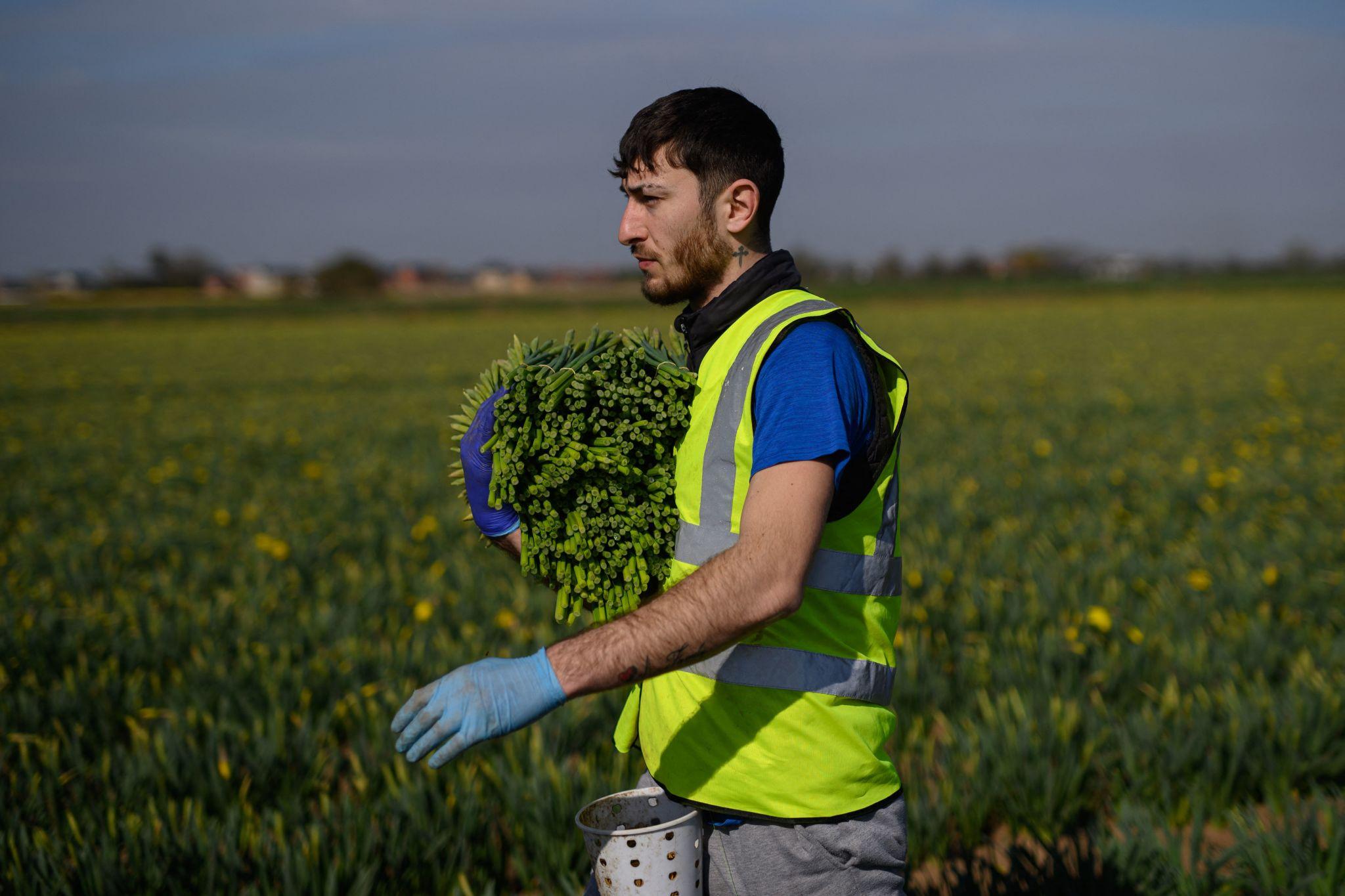
Historical Lessons Highlight the Need for Long Term Resilience
The discussion surrounding UK food security is not new. Throughout history, governments have faced challenges related to food production, imports, and supply stability. Periods of conflict, economic uncertainty, and agricultural disruption have demonstrated the importance of maintaining reliable food systems.
Historical lessons continue to influence modern policy discussions. Experts frequently point to past disruptions as evidence that food resilience should remain a long-term strategic objective rather than a temporary policy concern.
Today, UK food security remains closely connected to agricultural productivity, trade relationships, infrastructure investment, and emergency preparedness planning.
Domestic Production Remains Central to Future Planning
Farming groups argue that domestic production plays a critical role in supporting UK food security. While international trade remains important, agricultural leaders believe maintaining a strong farming sector can help strengthen resilience during periods of uncertainty.
Investment in technology, innovation, workforce development, and sustainable farming practices is increasingly viewed as essential for future growth. Many experts suggest that improving productivity could support both economic objectives and UK food security goals.
“Strong domestic agriculture provides an important foundation for long-term food resilience.”
Pressure Mounts for a More Comprehensive National Strategy
The debate over UK food security continues to gain attention as industry organizations push for more comprehensive planning. Critics argue that food resilience should be treated with the same urgency as energy, transportation, and other forms of critical infrastructure.
Supporters of reform believe coordinated efforts involving government agencies, food producers, retailers, and logistics providers could help address emerging challenges. Discussions are expected to continue as policymakers evaluate future agricultural and economic strategies.
National Debate Expands Beyond Agricultural Concerns
UK food security has emerged as a significant policy issue in 2026 as experts, farmers, and industry leaders call for stronger action to improve resilience. Concerns about supply chains, domestic production, and global uncertainty continue to drive debate over future planning.
While officials defend current policies, growing pressure remains for food security to be recognized as an immediate national priority capable of affecting economic stability and public confidence across the United Kingdom.