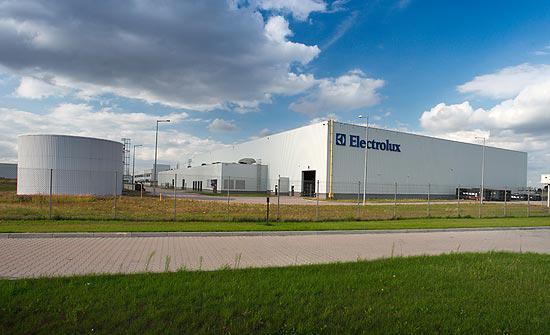
Budapest, Hungary, April 22, 2026 ( Parliament Politics Magazine ) EU manufacturing jobs impact is intensifying as Electrolux confirmed it will close its factory in Hungary, signaling a deeper shift in Europe’s industrial landscape. The decision reflects mounting cost pressures, changing consumer demand, and a broader restructuring trend across the appliance sector.
The move has raised concerns among policymakers and labor groups, as it highlights the growing challenges facing manufacturing jobs across the European Union.
“This decision reflects structural changes across the industry, not just a single company action,”
an industry expert said.
Factory Closure Highlights EU Manufacturing Jobs Impact
The planned shutdown underscores the scale of EU manufacturing jobs impact, with the Electrolux facility playing a key role in regional production. The company confirmed that operations will be phased out, affecting a significant portion of its workforce.
Key factors behind the closure include:
- Rising labor and operational costs
- Demand shifts toward advanced appliances
- Consolidation of production capacity
This development illustrates how global competition and cost pressures are reshaping employment across Europe’s industrial base.
Job Loss Concerns Grow in Hungary
The EU manufacturing jobs impact is most immediate for workers in Hungary, where the closure is expected to result in substantial job losses. Local officials and labor representatives have voiced concern about the economic consequences.
Hungary has long relied on manufacturing as a pillar of its economy, making this development particularly significant. Authorities are now focusing on mitigation efforts such as:
- Workforce retraining programs
- Job placement assistance
- Investment attraction strategies
“Our focus is on supporting affected workers and maintaining economic stability,”
a government official stated.
Rising Costs Reshape European Industry
A major driver behind the EU manufacturing jobs impact is the increasing cost of operating in Europe. Energy prices, regulatory requirements, and labor costs have all contributed to a more challenging business environment.
Manufacturers are responding by streamlining operations, relocating production, or investing in automation. These changes are altering the structure of employment across the region.
Automation and Efficiency Redefine Workforce Needs
The EU manufacturing jobs impact is also linked to the growing role of automation in modern production. As companies adopt advanced technologies, the demand for traditional manufacturing roles is declining.
Electrolux’s decision reflects a broader trend where efficiency gains are prioritized over labor-intensive operations. While this shift improves productivity, it also reduces the number of available jobs in certain sectors.
Changing Demand Influences Production Strategy
Consumer demand is evolving, further contributing to the EU manufacturing jobs impact. Buyers are increasingly seeking energy-efficient and technologically advanced appliances, requiring manufacturers to adapt.
This shift often necessitates investment in specialized facilities, leading companies to consolidate or relocate production. Electrolux has indicated that its future strategy will focus on innovation and sustainability.
Industry-Wide Restructuring Continues
The EU manufacturing jobs impact extends beyond a single company, reflecting a wider restructuring trend across the industry. Appliance manufacturers and other industrial firms are reevaluating their operations to remain competitive.
Key trends shaping the sector include:
- Consolidation of manufacturing sites
- Increased use of digital technologies
- Focus on high-value production
These changes are expected to continue as companies respond to global economic pressures.
Worker and Union Reactions Intensify
The announcement has triggered strong reactions from workers and unions, highlighting the human dimension of the EU manufacturing jobs impact. Labor groups are calling for fair treatment and support for affected employees.
Negotiations are expected to focus on severance packages, retraining opportunities, and transition assistance. Ensuring a smooth transition will be critical in minimizing the social impact.
“Workers must not bear the full burden of industrial transformation,”
a union representative said.
Policy Challenges for European Governments
The EU manufacturing jobs impact is prompting policymakers to reconsider strategies for supporting industry and employment. Governments across Europe face the challenge of balancing competitiveness with job preservation.
Potential policy responses include:
- Incentives for industrial investment
- Support for workforce reskilling
- Strengthening supply chains within the EU
The Electrolux closure may serve as a catalyst for broader discussions on industrial policy.
Outlook for EU Manufacturing Jobs Impact in 2026
Looking ahead, the EU manufacturing jobs impact is expected to remain a key issue as the industry continues to evolve. While restructuring may improve efficiency, it also presents challenges for workers and communities.
Electrolux’s decision highlights the importance of adaptability in a changing economic environment. Companies that successfully navigate these shifts are likely to emerge stronger, but the transition will require careful management.
Understanding the EU Manufacturing Jobs Impact
The closure of Electrolux’s Hungarian factory illustrates the growing pressure on manufacturing jobs across Europe. Rising costs, automation, and changing demand are reshaping the industrial landscape, leading to significant workforce adjustments.
While these changes may enhance long-term competitiveness, they also underscore the need for policies and strategies that support workers during periods of transition. The EU manufacturing jobs impact remains a critical issue for governments, businesses, and communities alike.