Washington, D.C., United Statese, April 24, 2026 (Parliament Politics Magazine) SUV liftgate malfunction risk has emerged as a major automotive safety concern in 2026, following Mitsubishi Motors’ decision to recall more than 108,000 vehicles across the United States. The issue, tied to a potential defect in rear liftgate systems, is drawing attention from regulators, consumers, and industry analysts as vehicle safety standards come under renewed scrutiny.
The recall reflects broader challenges facing automakers as modern vehicles become increasingly complex, integrating advanced mechanical and electronic systems that require precise coordination to ensure safe operation.
Liftgate Defect Sparks Nationwide Safety Alert
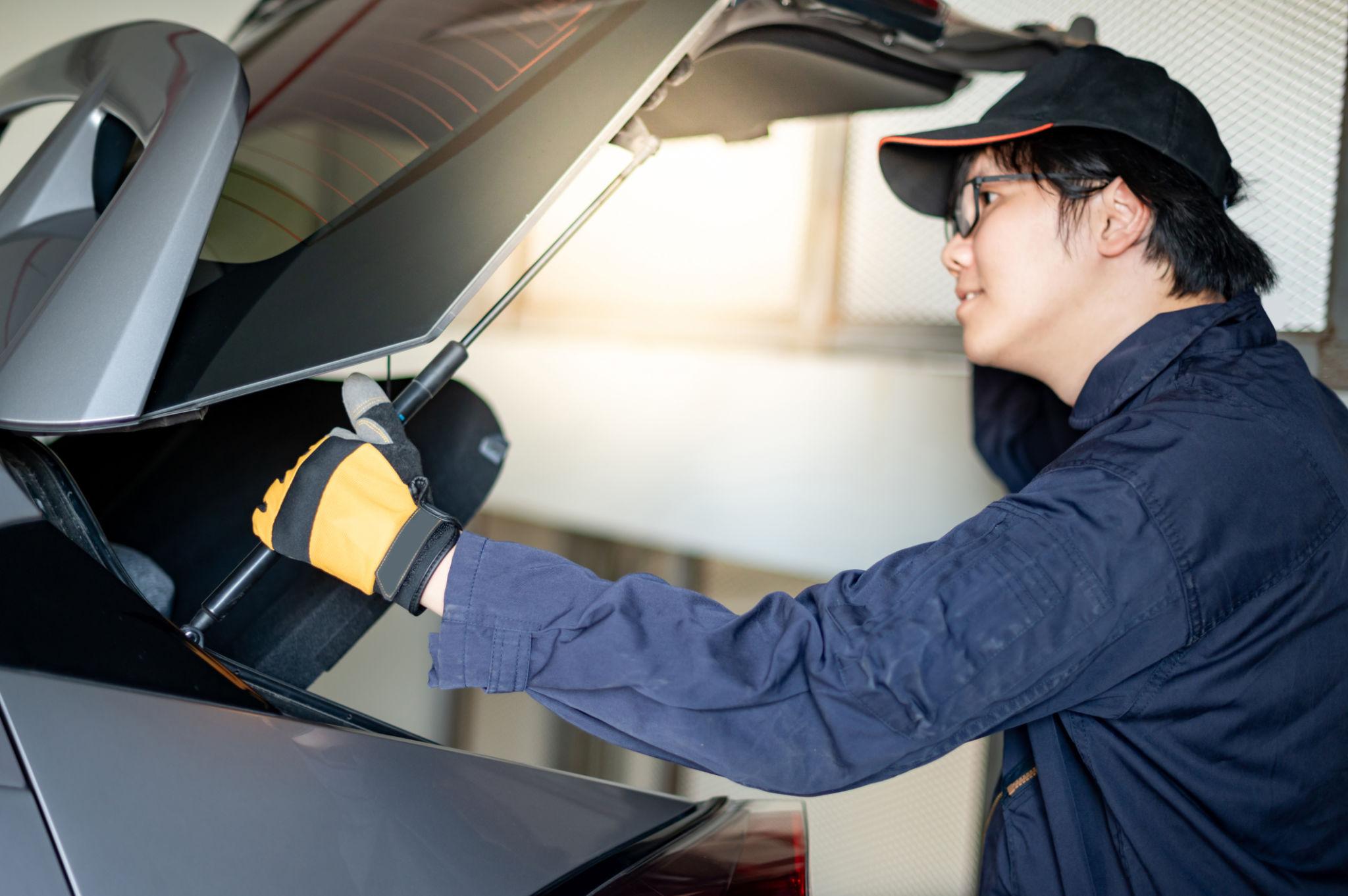
The SUV liftgate malfunction risk identified in this recall centers on the possibility that rear liftgates may fail to remain securely closed or could open unexpectedly during operation. According to the National Highway Traffic Safety Administration, such failures can create hazardous driving conditions, particularly if cargo becomes dislodged or obstructs the driver’s rear view.
The defect may also increase the likelihood of injury if passengers are exposed to unsecured cargo or sudden mechanical movement. As a result, regulators have classified the issue as a significant safety concern requiring immediate corrective action.
Scope of Recall Expands Across Multiple Regions
The recall linked to SUV liftgate malfunction risk affects over 108,000 vehicles nationwide, making it one of the more substantial automotive safety actions in recent months. While Mitsubishi has not publicly detailed all affected models in initial announcements, the scale of the recall indicates a widespread issue requiring coordinated response efforts.
Vehicle owners are being notified through official channels and advised to schedule inspections at authorized service centers. All necessary repairs are expected to be completed free of charge, in line with federal safety requirements.
Manufacturer Response Highlights Safety Commitment
Mitsubishi Motors’ handling of the SUV liftgate malfunction risk demonstrates the industry’s emphasis on proactive safety management. By initiating the recall, the company aims to address potential hazards before they result in accidents or injuries.
“Automakers must act swiftly when safety risks are identified, regardless of scale,”
said an automotive safety specialist.
“Recalls are not just corrective measures—they are essential safeguards.”
The company has stated that it is working closely with regulators to ensure that all affected vehicles are repaired promptly and effectively.
Regulatory Oversight Reinforces Consumer Protection
The involvement of the National Highway Traffic Safety Administration underscores the importance of regulatory oversight in maintaining vehicle safety standards. Agencies play a critical role in identifying defects, coordinating recalls, and ensuring compliance with safety regulations.
The SUV liftgate malfunction risk case illustrates how these systems function to protect consumers and enforce accountability within the automotive sector.
“Regulatory frameworks are designed to ensure that safety remains the top priority,”
noted a policy analyst based in Washington, D.C.
“This recall is a clear example of those mechanisms in action.”
Consumer Impact and Safety Awareness
For vehicle owners, the SUV liftgate malfunction risk raises important concerns about reliability and personal safety. Recalls can disrupt daily routines and create uncertainty, but they also provide an opportunity to address issues before they escalate.
Consumers are encouraged to:
- Verify their vehicle’s recall status using the VIN
- Respond promptly to official notifications
- Schedule repairs without delay
- Follow all safety guidelines provided by the manufacturer
These steps are essential to minimizing risk and ensuring vehicle safety.
Industry-Wide Challenges in Modern Vehicle Design
The emergence of SUV liftgate malfunction risk reflects broader challenges within the automotive industry. As vehicles incorporate more advanced features, the potential for system failures increases.
Manufacturers are investing heavily in:
- Enhanced quality control processes
- Advanced testing methodologies
- Improved defect detection systems
Despite these efforts, recalls remain an integral part of maintaining safety standards in a rapidly evolving technological landscape.
Market Reaction and Brand Considerations
The recall associated with SUV liftgate malfunction risk has drawn attention from investors and industry observers. While recalls can impact brand perception, they are also viewed as a necessary step in maintaining long-term credibility.
Companies that respond transparently and efficiently are often able to preserve consumer trust, even in the face of large-scale recalls.
“Transparency and speed are critical in managing the impact of recalls,”
said an industry analyst.
“How a company responds can define its reputation.”
Historical Context: Vehicle Recalls and Safety Evolution
The history of automotive recalls provides important context for understanding the current SUV liftgate malfunction risk. Over the decades, recalls have played a key role in improving vehicle safety and driving technological advancements.
From early mechanical defects to modern electronic system failures, each recall has contributed to the development of stricter safety standards and more robust quality assurance processes.
This historical perspective highlights the importance of continuous improvement and vigilance in the automotive industry.
Future Outlook for Automotive Safety Standards
Looking ahead, the SUV liftgate malfunction risk underscores the need for ongoing innovation in vehicle safety. As technology continues to advance, manufacturers and regulators must adapt to new challenges and risks.
Future developments may include:
- Integration of advanced monitoring systems
- Increased use of predictive analytics
- Stronger collaboration between manufacturers and regulators
These measures are expected to enhance safety and reduce the frequency of recalls.
Recall Highlights Critical Safety Priorities
The SUV liftgate malfunction risk has prompted Mitsubishi Motors to recall more than 108,000 vehicles in the United States, emphasizing the importance of addressing safety issues quickly and effectively. While the recall presents challenges, it also demonstrates the systems in place to protect consumers and maintain industry standards.
As the automotive sector continues to evolve, safety will remain a central focus, with recalls serving as a critical mechanism for ensuring reliability and accountability