
LONDON, June 27 (Parliament Politics Magazine) – The national £750m supercomputer project based at the University of Edinburgh is facing significant uncertainty after a period of policy reversals by the Labour government. The initiative, intended to bolster the nation’s technological infrastructure, has been impacted by the timing of its procurement phase, which now coincides with a global surge in the cost of essential microchips and computing hardware.
This delay has sparked concern that the final machine will struggle to meet the “exascale” performance thresholds initially envisioned by designers. Industry experts warn that the window of opportunity to secure high-performance components at original price points has closed as global artificial intelligence firms dominate the current supply chain.
A timeline of policy changes
The project has experienced a volatile path since its inception, moving through distinct phases of government action and inaction. The Conservative administration, led at the time by Chancellor Jeremy Hunt, first announced the taxpayer-funded endeavor in 2023 with the express goal of maintaining British competitiveness on the international stage.
Following the general election in 2024, the newly installed Labour government moved to scrap the £800m funding package shortly after taking office. The Department for Science, Innovation and Technology categorized the original plan as an unfunded commitment. This cancellation halted development for several months, leaving the University of Edinburgh with a bespoke £31m facility that remained entirely empty during the suspension of activities.
By 2025, the government executed a reversal, reinstating £750m in funding following sustained pressure from the scientific and technology sectors. While the project is moving forward, the intervening months of political instability created a procurement gap that has proven costly.
Impact of the global chip boom
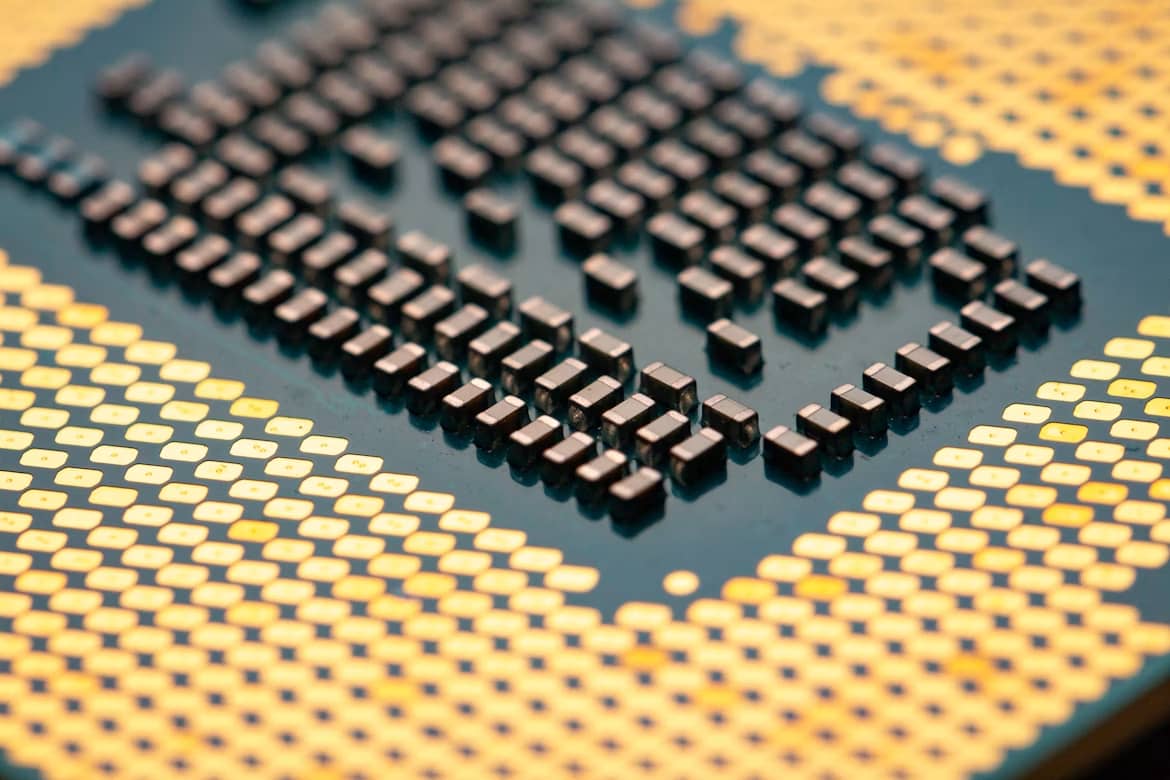
The primary challenge facing the development team is the dramatic shift in market conditions. When the project was first conceived, the budget was structured around the prevailing costs of microprocessors and high-performance memory. However, the rapid expansion of artificial intelligence data centers worldwide has fundamentally altered the supply landscape.
Procurement processes for the Edinburgh-based system are expected to commence in the coming weeks. Analysts note that the government must now navigate a market where prices for high-end chips remain high, and supply chains are strained by massive demand from global AI corporations.
One industry source indicated that while an exascale machine capable of performing one quintillion calculations per second would have been viable under the original timeline, the current economic reality makes that specific technical target significantly more difficult to hit. The uncertainty surrounding component costs has even led some suppliers to include clauses in contracts that allow for price adjustments after initial quotes are provided.

Infrastructure and national capability
Despite the budgetary hurdles, the project remains a centerpiece of the UK’s public computing strategy. The facility at the University of Edinburgh is designed to leverage Scotland’s naturally cool climate to improve energy efficiency, while a heat-capture system is intended to recycle thermal energy to warm surrounding campus buildings.
The machine is projected to deliver 50 times the processing power of the current national supercomputer, ARCHER2. While that system ranked 22nd globally upon its release in 2021, it has since dropped to 107th in the TOP500 list, highlighting the rapid pace at which global computing power evolves.
The government maintains that the project should not be judged solely on the exascale metric. A spokesperson for the government stated:
“Exascale is a narrow technical benchmark for peak speed, not a measure of real-world capability.”
The official stance emphasizes a broader investment strategy, with the government committing £2bn toward public computing resources intended to support domestic startups and academic researchers. The machine remains a primary focus of this investment, intended to assist in areas such as weather modeling, nuclear simulations, and advanced medical research.
International competition pressures
The delays in the British project coincide with a shift in the global leadership hierarchy of high-performance computing. Recent industry rankings showed a Chinese system taking the top position for the first time in years, underscoring the intensity of the international race for processing dominance.
Shadow business secretary Andrew Griffith, who was involved in the initial planning as a technology minister, described the situation as a missed opportunity. He noted that the delay in procurement has left the UK in a weaker position, both in terms of supply chain access and overall machine capability.
As the University of Edinburgh prepares to house the new system, the focus shifts to how much power can be extracted from the remaining budget. While the “exascale” label may be omitted from official government communications, the technical requirements for modern research remain as high as ever. The success of the project now rests on the ability to navigate a high-cost environment while delivering a functional, efficient, and powerful tool for the nation’s scientific future.