

WASHINGTON, D.C., April 25, 2026 (Parliament Politics Magazine) Trump bond investment has emerged as a major financial and political talking point after disclosures confirmed that Donald Trump purchased at least $51 million in bonds during March 2026, a move that is now being closely analyzed across global markets and policy circles.
The disclosure comes at a time of heightened geopolitical tension, fluctuating interest rates, and economic uncertainty. Analysts suggest that the timing and scale of the investment may carry deeper implications beyond standard portfolio diversification.
“When a sitting president makes a move of this size in fixed-income markets, it inevitably sends a signal, whether intentional or not,”
said a Washington-based financial strategist.
Financial Disclosure Reveals Scale of Bond Allocation
The Trump bond investment disclosure indicates a significant allocation into fixed-income assets. While the filing provides ranges rather than exact figures, the minimum threshold of $51 million places the move among the most notable personal financial decisions disclosed by a U.S. president in recent years.
Financial ethics laws require transparency, but they also limit precision in reporting to protect sensitive information. Despite these limitations, the scale alone has drawn attention from institutional investors and economists.
Experts believe the portfolio likely includes a mix of Treasury securities, municipal bonds, and possibly high-grade corporate debt. Each category serves a different purpose in managing risk and generating returns.
Market Context Surrounding the Investment Decision
The Trump bond investment occurred during a volatile period marked by global uncertainty. Markets in early 2026 have been shaped by geopolitical tensions involving Iran, shifting trade dynamics, and ongoing monetary policy adjustments.
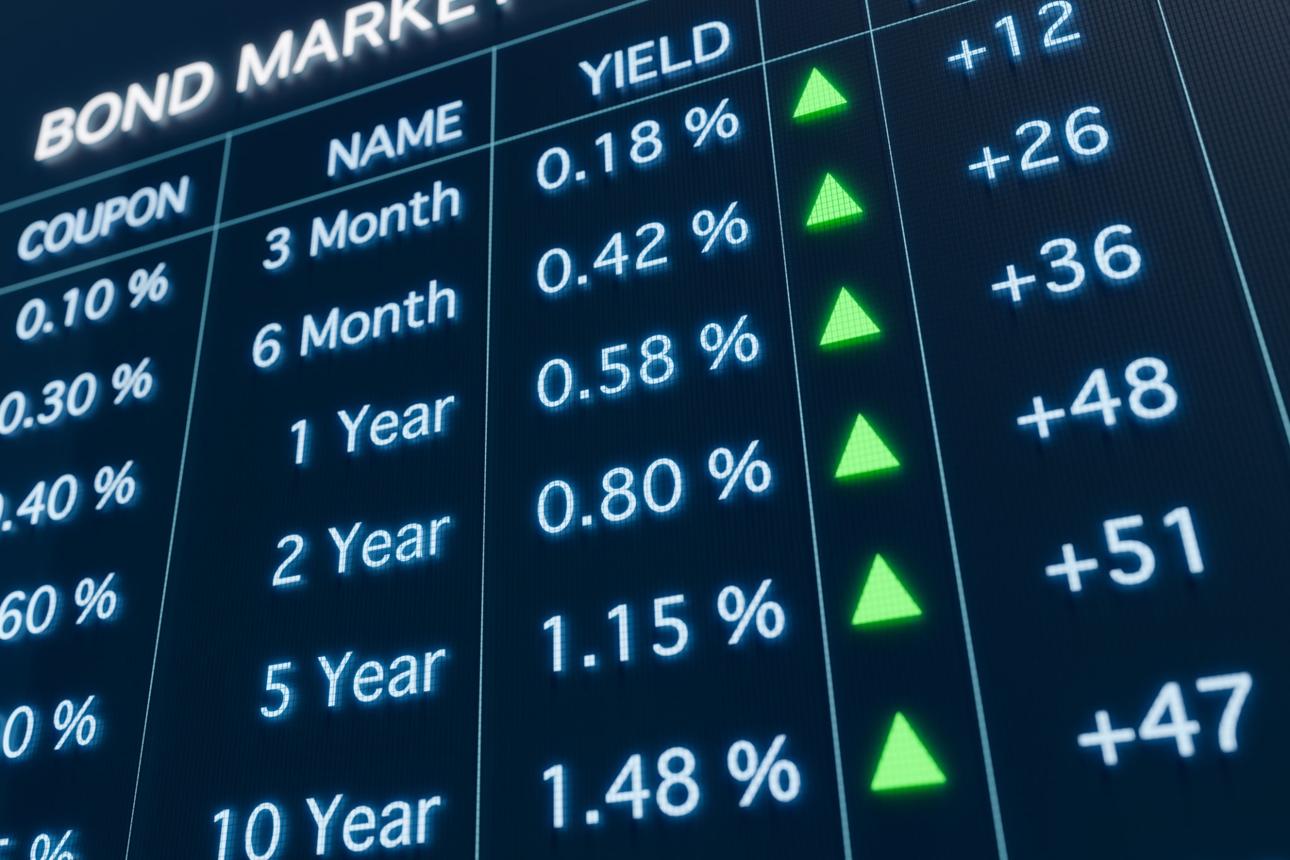
Bond markets, in particular, have been reacting to central bank decisions regarding interest rates. Rising rates typically reduce bond prices, while declining rates increase their value. The decision to enter the bond market at this scale suggests a calculated assessment of future rate movements.
“This type of allocation could indicate expectations of stabilizing or declining interest rates, which would enhance bond valuations,”
noted a senior economist.
Political Optics and Public Transparency
Beyond financial implications, the Trump bond investment carries political weight. Presidential financial disclosures are closely scrutinized for potential conflicts of interest and alignment with policy decisions.
Supporters argue that the transparency demonstrates compliance with legal requirements and reinforces accountability. Critics, however, question whether large investments during active policy-making periods create perceived overlaps between governance and personal financial interests.
The disclosure has reignited debates about the balance between personal wealth management and public service responsibilities.
Strategic Importance of Bonds in Uncertain Times
Bonds are widely regarded as a cornerstone of conservative investment strategies. They offer predictable income streams and are generally less volatile than equities.
In times of economic uncertainty, investors often shift toward bonds to preserve capital. The Trump bond investment aligns with this broader trend, suggesting a defensive positioning amid global instability.
Fixed-income assets also play a crucial role in balancing diversified portfolios. By allocating substantial capital to bonds, investors can mitigate risks associated with stock market fluctuations.
Interest Rates and Their Influence on Bond Markets
Interest rates remain a central factor in understanding the Trump bond investment. In 2026, central banks have been navigating inflationary pressures while attempting to sustain economic growth.
Higher interest rates typically make newly issued bonds more attractive, while existing bonds may lose value. Conversely, expectations of rate cuts can drive demand for current bond holdings.
The timing of this investment suggests that market signals were carefully evaluated. Analysts are divided on whether the move reflects anticipation of rate changes or simply a long-term stability strategy.
Global Economic Signals and Investment Timing
The Trump bond investment did not occur in isolation. It coincided with broader global developments, including shifts in energy markets, supply chain adjustments, and international diplomatic tensions.
These factors collectively influence investor behavior. Large-scale investments by prominent figures can amplify market sentiment and shape expectations.
In this case, the investment may reflect a broader strategy to navigate uncertain economic conditions while maintaining liquidity and security.
Evolution of Presidential Investment Disclosures
The history of presidential financial disclosures provides important context for understanding the Trump bond investment. Disclosure requirements were strengthened following ethics reforms in the late 20th century, aimed at increasing transparency and public trust.
Over time, these disclosures have revealed a wide range of investment strategies among U.S. presidents, from real estate holdings to diversified portfolios. However, large-scale bond allocations of this magnitude are relatively uncommon.
The evolution of these requirements underscores the importance of accountability in public office, while also highlighting the challenges of balancing transparency with privacy.
Investor Reactions and Market Sentiment
Market participants have responded cautiously to the Trump bond investment. While there has been no immediate disruption in bond yields or equity markets, the psychological impact remains significant.
Institutional investors often monitor high-profile financial decisions for potential insights into market direction. However, experts caution against drawing definitive conclusions from a single disclosure.
“It’s important to view this as one piece of a much larger puzzle,”
said a global investment advisor.
“Markets are influenced by a wide range of factors, not just individual actions.”
Ethical Considerations and Regulatory Oversight
Ethics regulations are designed to ensure that presidential financial activities do not conflict with public responsibilities. The Trump bond investment disclosure will likely undergo review to confirm compliance with these standards.
Regulatory frameworks aim to prevent situations where personal financial interests could influence policy decisions. Transparency plays a key role in maintaining public confidence.
The ongoing discussion surrounding this investment highlights the importance of robust oversight mechanisms in modern governance.
Economic Implications for the Broader Market
The Trump bond investment may have broader implications for the economy. Large-scale investments in bonds can influence demand, yields, and overall market dynamics.
While the direct impact of a single investor is limited, the symbolic significance can shape expectations. If interpreted as a signal of caution, it could encourage similar behavior among other investors.
Conversely, it may simply reflect standard portfolio management practices in response to current conditions.
What Comes Next for Investors and Policymakers
As markets continue to evolve, the Trump bond investment will remain a point of analysis for both investors and policymakers. Future disclosures may provide additional insights into financial strategies and economic outlook.
Policymakers, meanwhile, will continue to balance economic objectives with transparency requirements. The intersection of finance and governance will remain a critical area of focus.
Understanding these dynamics is essential for interpreting market signals and making informed decisions.
Capital Shift $51M Bond Move Sparks Market Focus
The Trump bond investment disclosed in Washington DC reveals a $51 million move into fixed-income assets during a period of economic uncertainty and geopolitical tension. The timing has captured attention across financial markets, with analysts debating whether the decision reflects caution, strategy, or long-term positioning.
As interest rate expectations and global risks continue to shape investor behavior, this high-profile allocation is being closely watched for signals about broader market direction. The disclosure underscores how leadership financial decisions can influence sentiment, even without immediate market disruption.