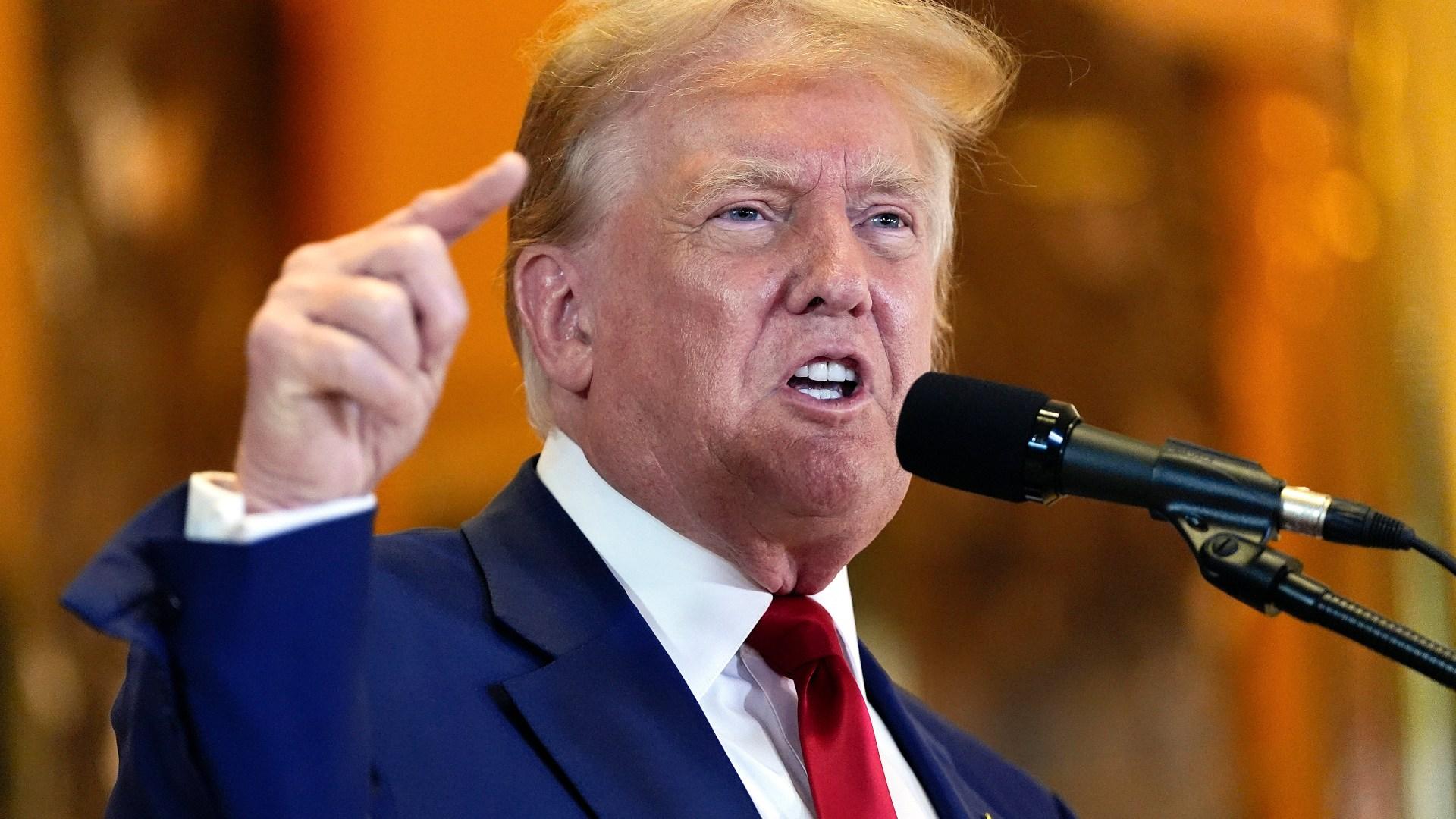
WASHINGTON, April 13, 2026 (Parliament Politics Magazine) Trump foreign policy criticism intensified after Donald Trump publicly responded to Pope Leo, signaling disagreement with the Pope’s global peace appeal during a period of rising geopolitical tension.
The exchange has quickly become a focal point in international discussions, highlighting a widening divide between calls for diplomacy and the push for strong national defense strategies.
Rising Tensions Behind the Dispute
The latest wave of Trump foreign policy criticism stems from the Pope’s appeal urging global leaders to avoid escalation and prioritize peace negotiations. His message resonated across religious and humanitarian communities, emphasizing unity and restraint.
Trump’s response, however, suggested frustration with what he views as overly idealistic approaches to global threats, especially in the context of ongoing tensions involving Iran.
A geopolitical strategist noted:
“This moment reflects a deep divide in how leaders interpret responsibility—peace versus protection.”
Political Strategy Versus Moral Authority
The Trump foreign policy criticism debate underscores the long-standing friction between political leadership and religious influence. While Pope Leo advocates for compassion and dialogue, Trump’s stance reflects a more assertive approach rooted in deterrence and military readiness.
This contrast highlights a broader philosophical divide that continues to shape global policy decisions.
Iran Conflict Adds Fuel to Debate
Central to the Trump foreign policy criticism narrative is the ongoing instability surrounding Iran. Military actions, sanctions, and shifting alliances have heightened global concerns.
Pope Leo’s call for peace directly addressed these developments, urging leaders to step back from confrontation. Trump’s reaction, however, suggests a belief that strength remains the most effective path forward.
Analysts say this divergence reflects broader disagreements within the international community about how to manage modern conflicts.
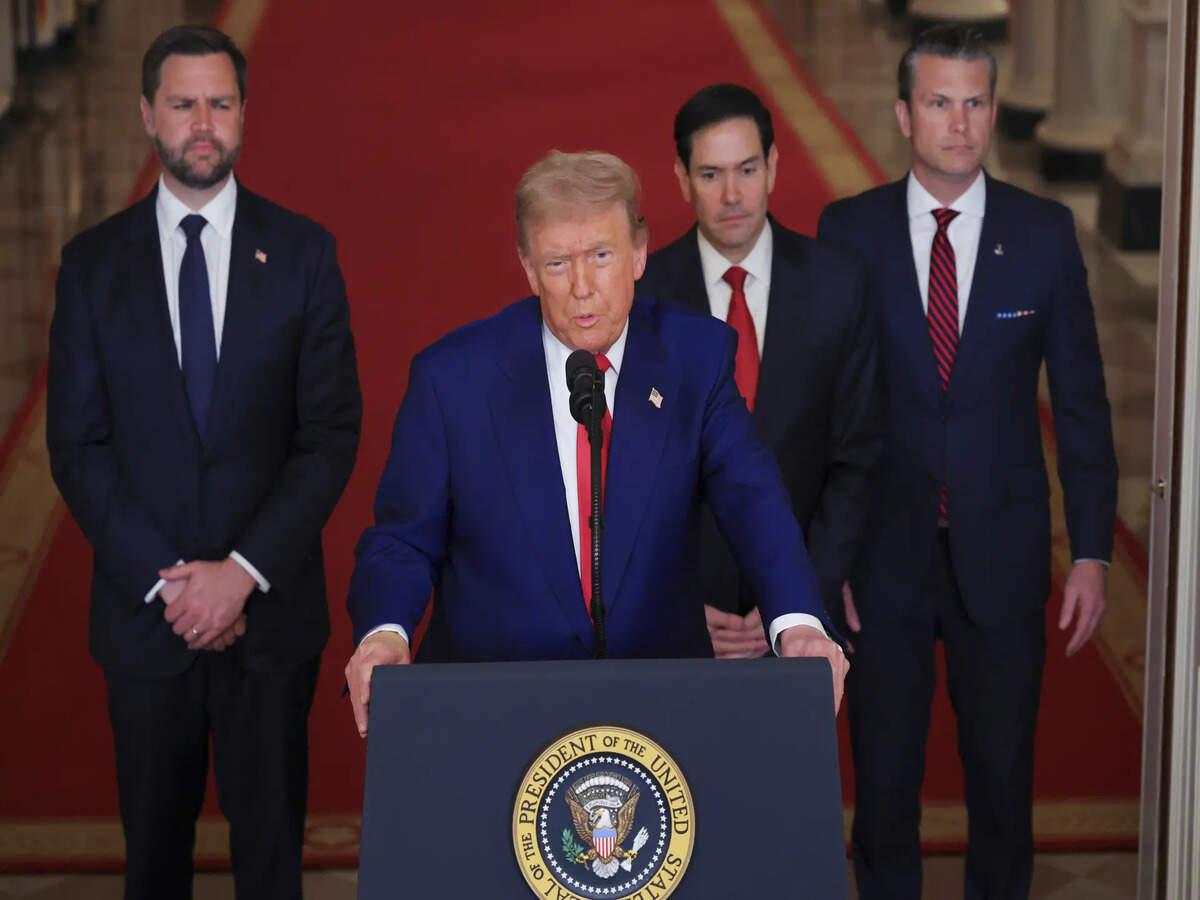
Public and Global Reaction
The Trump foreign policy criticism has triggered strong reactions worldwide. Supporters of Pope Leo praise his commitment to peace, while Trump’s allies argue that decisive action is necessary to maintain stability.
Public discourse has become increasingly polarized, with debates unfolding across media platforms and political circles.
Many global leaders have taken a cautious stance, reiterating the importance of dialogue while avoiding direct involvement in the disagreement.
Historical Context of Leadership Clashes
The Trump foreign policy criticism situation mirrors historical instances where political leaders and religious authorities have disagreed on matters of war and peace.
Such clashes often arise during periods of heightened tension, reflecting the complex balance between ethical considerations and national interests.
This latest episode adds to a long history of debates that continue to shape global leadership dynamics.
Diplomatic Consequences and Risks
Experts warn that ongoing Trump foreign policy criticism could influence international diplomacy. Disagreements between influential figures can complicate efforts to build consensus and resolve conflicts.
Religious leaders often serve as mediators, and when their perspectives are challenged, it may limit opportunities for peaceful negotiation.
The situation underscores the importance of aligning global efforts to prevent further escalation.
Media Coverage and Narrative Framing
Coverage of Trump foreign policy criticism has been extensive, with headlines emphasizing the tension between calls for peace and the realities of global security.
Media narratives have played a significant role in shaping public perception, highlighting contrasting leadership styles and priorities.
This coverage reflects broader societal debates about how best to address global challenges.
Economic and Global Impact
The Trump foreign policy criticism debate also carries economic implications. Uncertainty surrounding geopolitical tensions can affect markets, energy prices, and international trade.
Investors and policymakers are closely monitoring developments, recognizing the potential ripple effects across the global economy.
As tensions evolve, economic stability remains a key concern.
A Defining Leadership Moment
The Trump foreign policy criticism marks a defining moment in global leadership discourse. It raises critical questions about the balance between moral guidance and strategic action.
As the world navigates complex challenges, the perspectives of influential leaders will continue to shape the future of international relations.
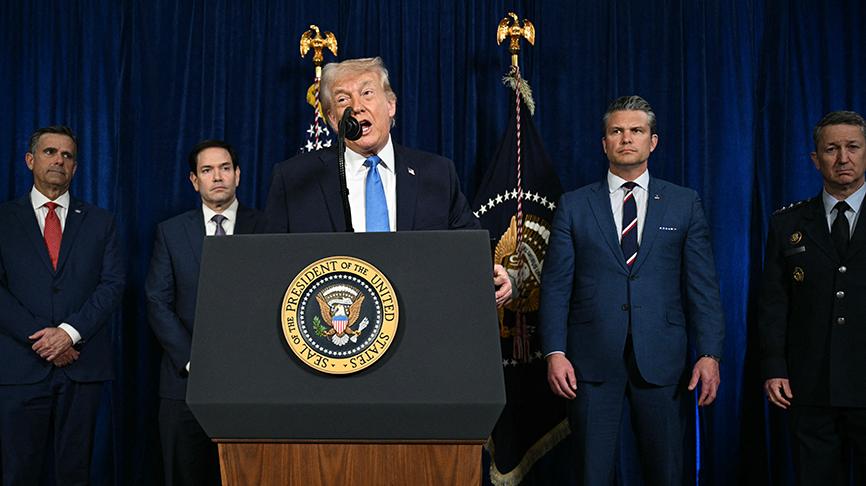
What Lies Ahead?
Trump foreign policy criticism highlights a growing divide between diplomacy and assertive policy approaches. While Pope Leo’s message calls for unity and peace, Trump’s response reflects a focus on strength and security.
The outcome of this debate may influence how global leaders approach conflict resolution in the years ahead.
Final Thoughts: Trump Foreign Policy Criticism Explained
Trump foreign policy criticism is rising after a public clash with Pope Leo over global peace efforts. The divide between diplomacy and military strength is now shaping international debate. As tensions grow, the world watches how leadership decisions will impact future conflicts.