Wildfires in northern Japan have forced over 3,000 evacuations as firefighters struggle to contain spreading flames.
Strong winds and dry conditions continue to fuel the crisis across Hokkaido.
Authorities warn the situation remains volatile with ongoing emergency response efforts.
Hokkaido, Japan, April 25, 2026 (Parliament Politics Magazine) Breaking news Japan wildfires continue to draw global attention as emergency crews battle fast-moving fires across northern regions. Officials report that more than 3,000 residents have been evacuated as flames advance through dry forest areas, driven by strong winds and low humidity.
Response teams remain on high alert, with authorities cautioning that the situation could worsen if weather conditions fail to improve in the coming days.
- Location: Hokkaido, Northern Japan
- Date: April 25, 2026
- Evacuations: 3,000+ residents displaced
- Active Fire Zones: Multiple forest regions
- Emergency Response Level: National coordination activated
- Weather Conditions: Low humidity, strong winds
- Primary Risk: Rapid fire spread toward populated areas
Wildfire Outbreak Expands Across Northern Japan
The current breaking news Japan wildfires situation began earlier this week when isolated fires quickly spread due to unusually dry vegetation and powerful wind patterns. Fire crews report that several fire lines merged, creating larger and more dangerous burn zones.
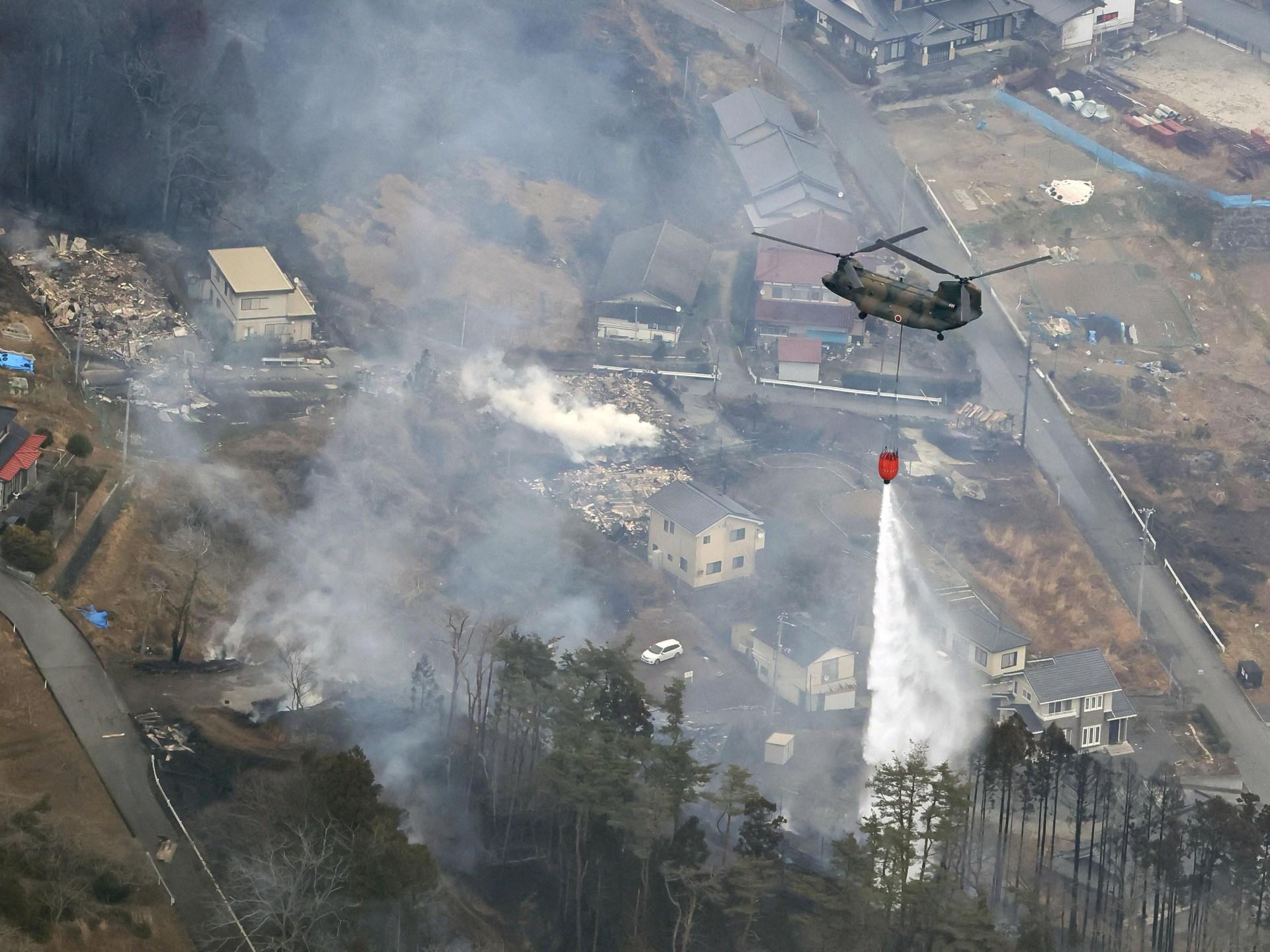
Authorities have identified lightning strikes and human activity as possible ignition sources, though investigations remain ongoing. Firefighters have deployed aerial water bombers and ground suppression teams, but containment remains limited in several regions.
“We are facing a dynamic and dangerous situation where the fire behavior changes by the hour,”
said a senior emergency coordinator.
Evacuation Orders Issued as Risk Zones Expand
As the breaking news Japan wildfires crisis intensifies, evacuation orders have been issued across multiple districts in Hokkaido. Local governments have prioritized moving residents out of high-risk areas before fire lines advance further.
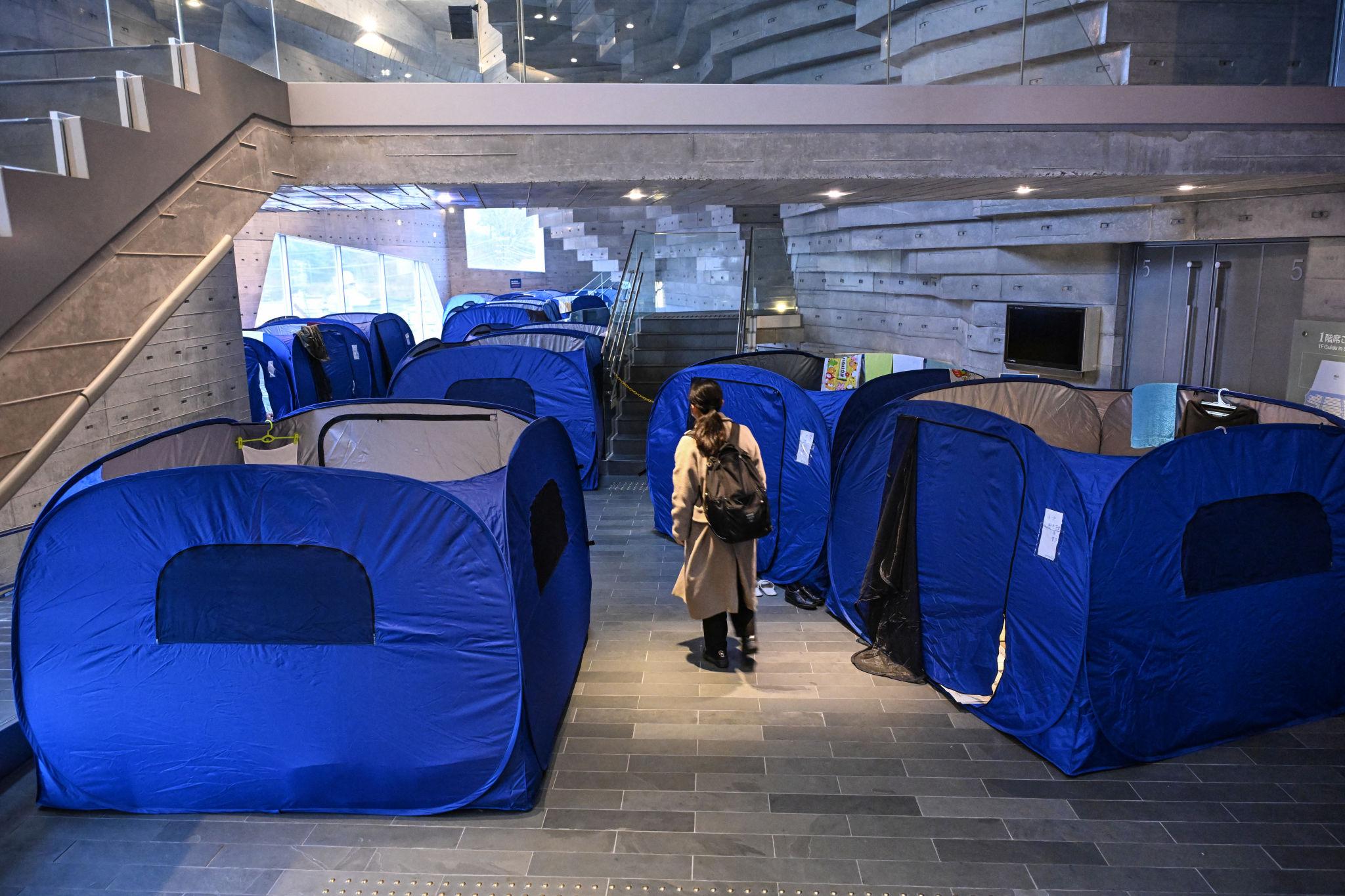
Emergency shelters have been established in schools and public facilities, with support services including food distribution, medical care, and temporary housing assistance. Officials have emphasized that early evacuation is critical to preventing casualties.
Transportation systems, including buses and emergency vehicles, have been mobilized to assist residents without personal transportation, particularly the elderly and vulnerable populations.
Firefighters Battle Harsh Terrain and Weather Conditions
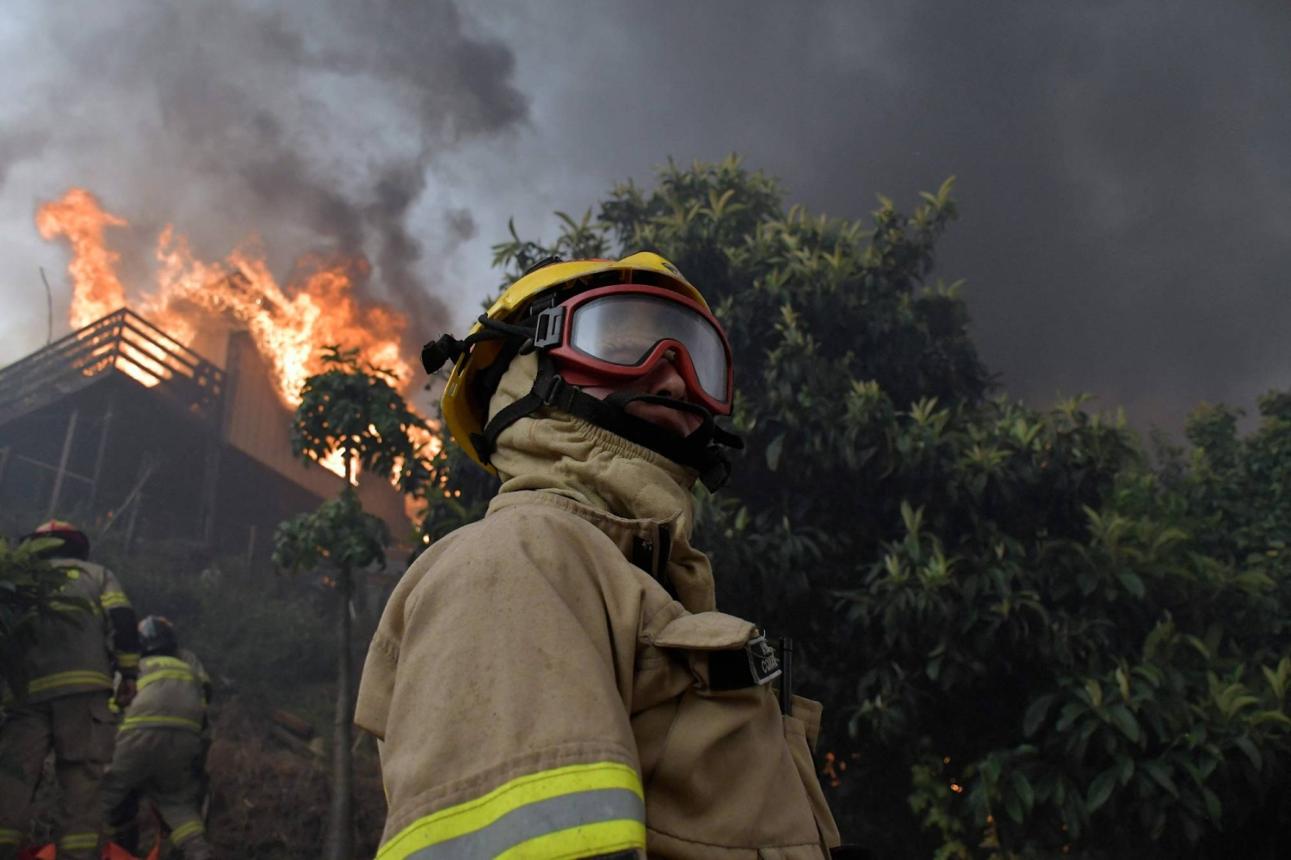
Firefighters in northern Japan are confronting extremely challenging conditions. The rugged terrain of forested regions limits ground access, while unpredictable wind patterns continue to spread flames rapidly.
The breaking news Japan wildfires response relies heavily on coordinated aerial operations. Helicopters and specialized firefighting aircraft are conducting continuous water drops, attempting to slow the fire’s advance.
“Every hour counts. Our crews are working without pause to protect communities and contain the fire perimeter,”
an operations commander stated.
Meteorologists warn that the absence of rainfall could prolong the fires, increasing both the scale and duration of the emergency.
National Emergency Response Intensifies
The Japanese government has escalated its response to the breaking news Japan wildfires, deploying additional firefighting units and mobilizing national disaster response resources. Military support has been introduced to assist with logistics, evacuation coordination, and supply distribution.
Neighboring regions have also sent reinforcements, demonstrating the scale of the crisis and the urgency of containment efforts. Authorities continue to issue public safety alerts, urging residents to follow official guidance and avoid restricted areas.
Air Quality and Public Health Concerns Rise
The spreading fires have significantly impacted air quality across northern Japan. Thick smoke has reduced visibility and created hazardous breathing conditions in nearby communities.
Health officials are advising residents to remain indoors where possible and use protective masks when outside. Hospitals have reported a rise in cases related to smoke inhalation, particularly among children and elderly individuals.
The breaking news Japan wildfires crisis has also disrupted daily life, with schools closing and businesses temporarily suspending operations in affected regions.
Environmental Damage and Ecological Impact
The environmental consequences of the fires are expected to be severe. Large areas of forestland have already been destroyed, raising concerns about long-term ecological damage and wildlife displacement.
Experts warn that repeated wildfire incidents could permanently alter the region’s ecosystem, making it more vulnerable to future fires. The breaking news Japan wildfires situation highlights the growing impact of climate variability on natural disasters.
Community Response and Human Impact
Communities across Hokkaido have shown resilience in the face of the crisis. Volunteers and local organizations are providing support to displaced families, offering food, shelter, and essential supplies.
Firefighters in northern Japan have received widespread recognition for their efforts, with many residents expressing gratitude for their dedication under extreme conditions.
“We owe everything to the firefighters risking their lives to protect our homes,”
said an evacuee from a high-risk zone.
Relief efforts continue to expand as authorities assess the full impact of the disaster.
Wildfires in Japan’s Northern Regions
While wildfires are less common in Japan compared to other parts of the world, northern regions like Hokkaido have experienced periodic fire outbreaks during dry seasons. Past incidents have typically been smaller in scale, but recent events suggest an increase in both frequency and intensity.
The breaking news Japan wildfires crisis of 2026 may mark a turning point in how Japan prepares for and responds to wildfire risks, particularly as climate conditions evolve.
Ongoing Monitoring and Future Outlook
Emergency teams continue to monitor fire activity closely, adjusting strategies as conditions change. Containment efforts remain the primary focus, but officials acknowledge that the situation could worsen without favorable weather.
The breaking news Japan wildfires response will likely continue for several days, with authorities maintaining high alert levels and preparing for additional evacuations if necessary.
Residents are urged to stay informed through official channels and comply with all safety directives.