Russia military strategy is rapidly evolving in 2026 as Moscow strengthens hybrid warfare and global positioning.
New defense priorities include cyber operations, advanced weapons, and strategic alliances.
Analysts warn these shifts could reshape global security dynamics in the coming years.
MOSCOW, Russia, April 26, 2026 (Parliament Politics Magazine) Russia military strategy is entering a new phase as Moscow adapts to an increasingly complex global security environment. The latest developments show a shift toward hybrid warfare, advanced technology, and broader geopolitical positioning that extends far beyond traditional battlefields.
The current direction of Russia military strategy reflects growing global tensions and the need for flexible, multi-domain military operations. Analysts note that modern warfare now includes cyber operations, information campaigns, and economic leverage alongside conventional force.
Russia Military Strategy 2026
- Defense Budget Estimate: $110+ billion
- Active Military Personnel: ~1 million
- Nuclear Warheads: Approx. 5,500 total stockpile
- Key Focus Areas: Cyber warfare, hypersonic weapons, AI integration
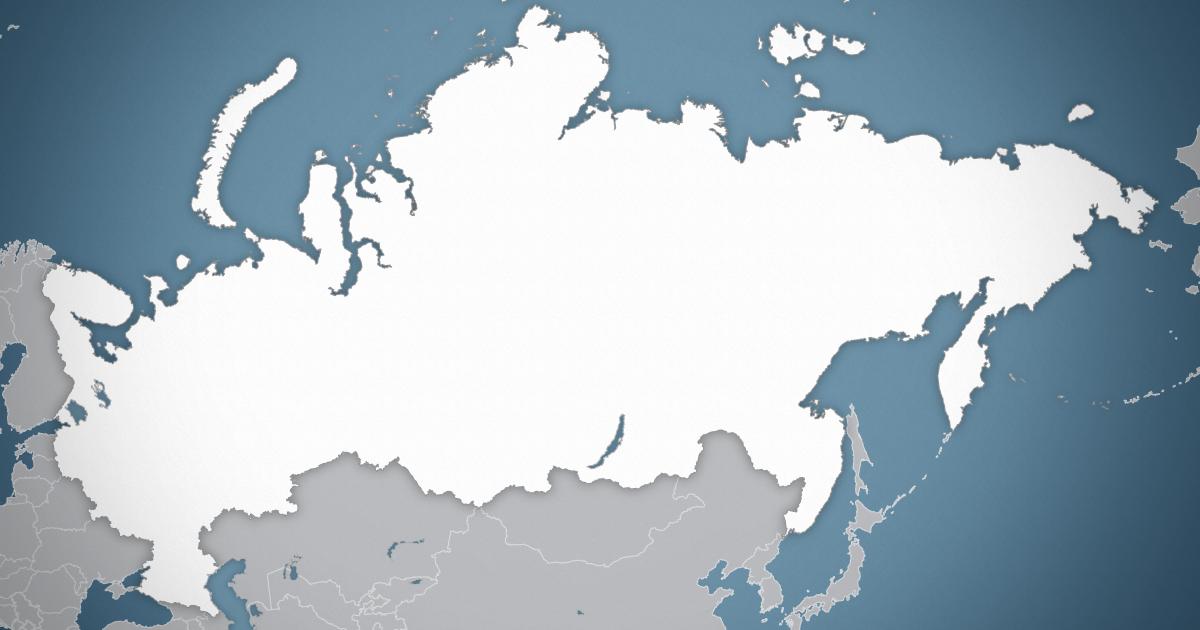
- Primary Regions of Interest: Eastern Europe, Arctic, Middle East, Asia
- Strategic Doctrine: Hybrid warfare + nuclear deterrence
Strategic Recalibration in a Changing Security Landscape
Recent assessments show that Russia military strategy is being recalibrated to address both immediate and long-term threats. The emphasis is on speed, adaptability, and integration across multiple domains including land, air, sea, cyber, and space.
Military planners are increasingly prioritizing rapid deployment capabilities and flexible response strategies. This allows Russia to respond quickly to emerging threats while maintaining a strong deterrence posture.
A senior defense analyst stated:
“Modern conflict is no longer confined to a battlefield. Strategy now spans digital networks, economic systems, and information space.”
Hybrid Warfare and Tactical Innovation
A defining characteristic of Russia military strategy is the continued use of hybrid warfare. This approach combines traditional military force with cyber operations, disinformation campaigns, and proxy engagements.
Hybrid tactics allow Russia to influence outcomes without direct confrontation, making it a powerful tool in modern conflict scenarios. The integration of drones, electronic warfare, and artificial intelligence has further enhanced operational effectiveness.
An expert in military strategy explained:
“Hybrid warfare provides flexibility and deniability, allowing strategic objectives to be achieved without full-scale escalation.”
Force Modernization and Advanced Capabilities
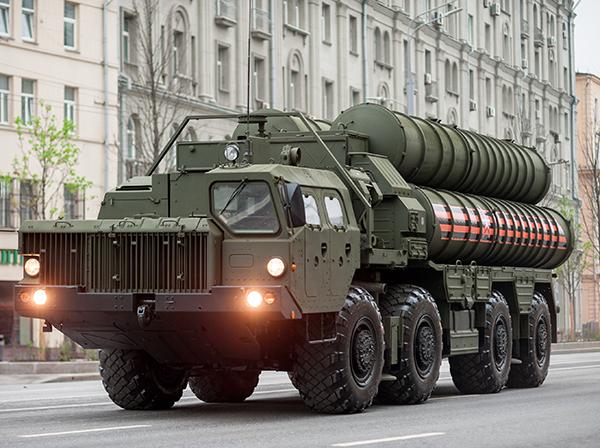
Another key component of Russia military strategy is the modernization of its armed forces. Investments in hypersonic missile systems, advanced air defense platforms, and autonomous technologies are reshaping Russia’s military capabilities.
The modernization effort is aimed at maintaining competitiveness with global powers while reinforcing deterrence. The focus is not only on weapon systems but also on digital infrastructure and cybersecurity.
These developments signal a long-term commitment to technological superiority in both conventional and unconventional warfare.
Geopolitical Influence and Regional Focus
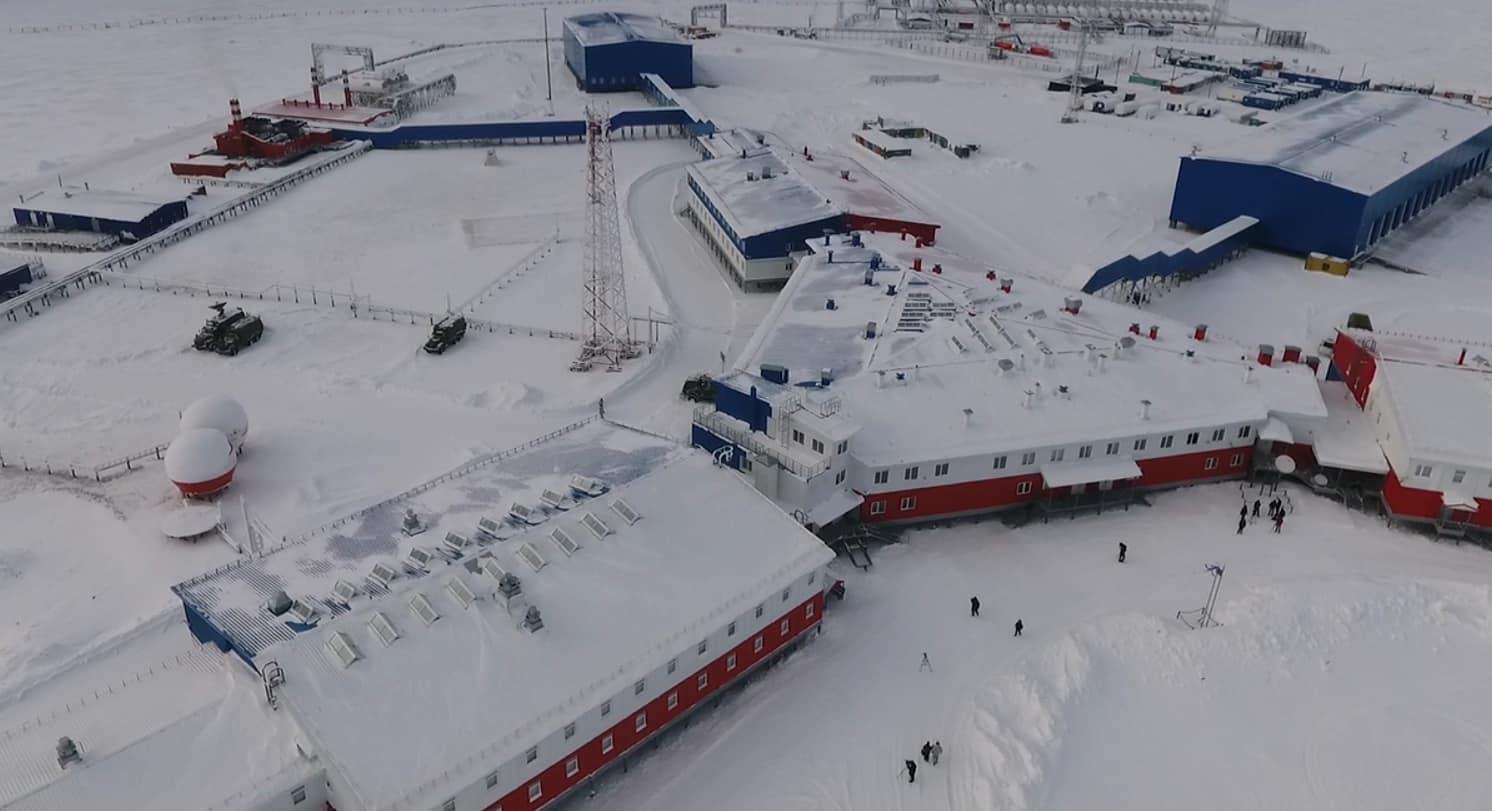
The scope of Russia military strategy extends beyond national borders, with a strong emphasis on geopolitical influence. Key regions include Eastern Europe, Central Asia, and the Middle East, where Russia seeks to maintain strategic presence.
Military engagement in these areas is often paired with diplomatic and economic initiatives, reinforcing Russia’s influence on the global stage.
A policy expert noted:
“Strategic positioning is about shaping influence as much as it is about defense capability.”
Nuclear Doctrine and Strategic Deterrence
Nuclear capability remains central to Russia military strategy, providing a powerful deterrent against potential adversaries. Russia continues to modernize its nuclear arsenal, ensuring readiness and credibility.
The doctrine emphasizes maintaining a balance between deterrence and escalation control. This balance is critical in preventing conflict while signaling strength.
The role of nuclear weapons in strategic planning highlights their continued importance in global security frameworks.
Economic Pressures and Defense Priorities
While Russia military strategy is ambitious, economic constraints play a significant role in shaping its execution. Defense spending must be balanced with broader economic challenges, including sanctions and market pressures.
Efficiency and prioritization are becoming key considerations, with resources directed toward high-impact programs and technologies.
Despite these challenges, defense remains a top priority in national policy.
Information Warfare and Digital Influence
Information warfare is a critical element of Russia military strategy, focusing on shaping narratives and influencing public perception.
Through digital platforms, media channels, and strategic communication, Russia seeks to amplify its influence globally. This approach acts as a force multiplier, enhancing the effectiveness of military and diplomatic actions.
A communications strategist stated:
“Control of information can shape outcomes as effectively as control of territory.”
Historical Evolution of Russia Military Strategy
The evolution of Russia military strategy can be traced back to the Soviet era, where emphasis was placed on large-scale conventional forces and nuclear deterrence.
Following the Cold War, the strategy shifted toward modernization and flexibility. Recent conflicts have further influenced this evolution, leading to the adoption of hybrid warfare and advanced technologies.
This historical perspective highlights the continuous adaptation of military doctrine to changing global conditions.
Future Outlook and Strategic Direction
Looking ahead, Russia military strategy is expected to continue evolving as new technologies and geopolitical challenges emerge.
Key trends include:
- Expansion of cyber and space capabilities
- Increased use of artificial intelligence
- Greater emphasis on mobility and rapid response
- Continued focus on deterrence and influence
These developments suggest a strategy designed to remain adaptable and resilient in a rapidly changing world.
Russia Military Strategy 2026: Key Takeaways and Global Impact
Russia military strategy in 2026 reflects a major shift toward hybrid warfare, advanced technology, and global influence.
The integration of cyber capabilities, modernization efforts, and strategic positioning highlights a comprehensive defense approach.
As global tensions rise, these changes are expected to play a critical role in shaping the future of international security.