Nigeria aviation crisis intensifies as fuel shortages disrupt airlines in 2026.
Rising jet fuel costs are driving up airfares and reducing flights.
The aviation sector faces mounting pressure across Nigeria.
LAGOS, April 27, 2026 (Parliament Politics Magazine) Nigeria aviation crisis is escalating as a persistent jet fuel shortage continues to disrupt airline operations, increase ticket prices, and strain the country’s already fragile aviation sector. Industry leaders warn that without immediate intervention, the situation could worsen, affecting economic activity and regional connectivity.
The aviation sector plays a vital role in Nigeria’s economy, linking major commercial hubs and supporting business travel. However, rising fuel costs and supply constraints are forcing airlines to make difficult operational decisions.
Key Facts and Industry Impact
- Location: Nigeria
- Year: 2026
- Primary Issue: Jet fuel shortage
- Impact: Rising airline costs and reduced operations
- Key Beneficiary: Domestic fuel suppliers
- Affected Sector: Aviation and travel industry
- Consumer Effect: Higher ticket prices and fewer flights
Jet Fuel Shortage Driving Operational Disruptions
The Nigeria aviation crisis is largely driven by a shortage of jet fuel, which is essential for airline operations. Supply disruptions have made it difficult for airlines to maintain consistent schedules, leading to delays and cancellations.
Airlines are being forced to adjust routes and reduce flight frequency to conserve fuel. These operational challenges are affecting both domestic and international travel.
Aviation analysts emphasize that fuel availability is critical to maintaining industry stability.
Rising Costs Pressure Airlines
The Nigeria aviation crisis is also characterized by rapidly increasing operational costs. Jet fuel accounts for a significant portion of airline expenses, and rising prices are putting pressure on profit margins.
Airlines must decide whether to absorb these costs or pass them on to passengers. Many have chosen the latter, resulting in higher ticket prices and reduced demand.
A senior airline executive stated:
“Fuel costs have become the single biggest challenge for airlines. Without relief, the situation could become unsustainable.”
Dangote Refinery Benefits from Increased Demand
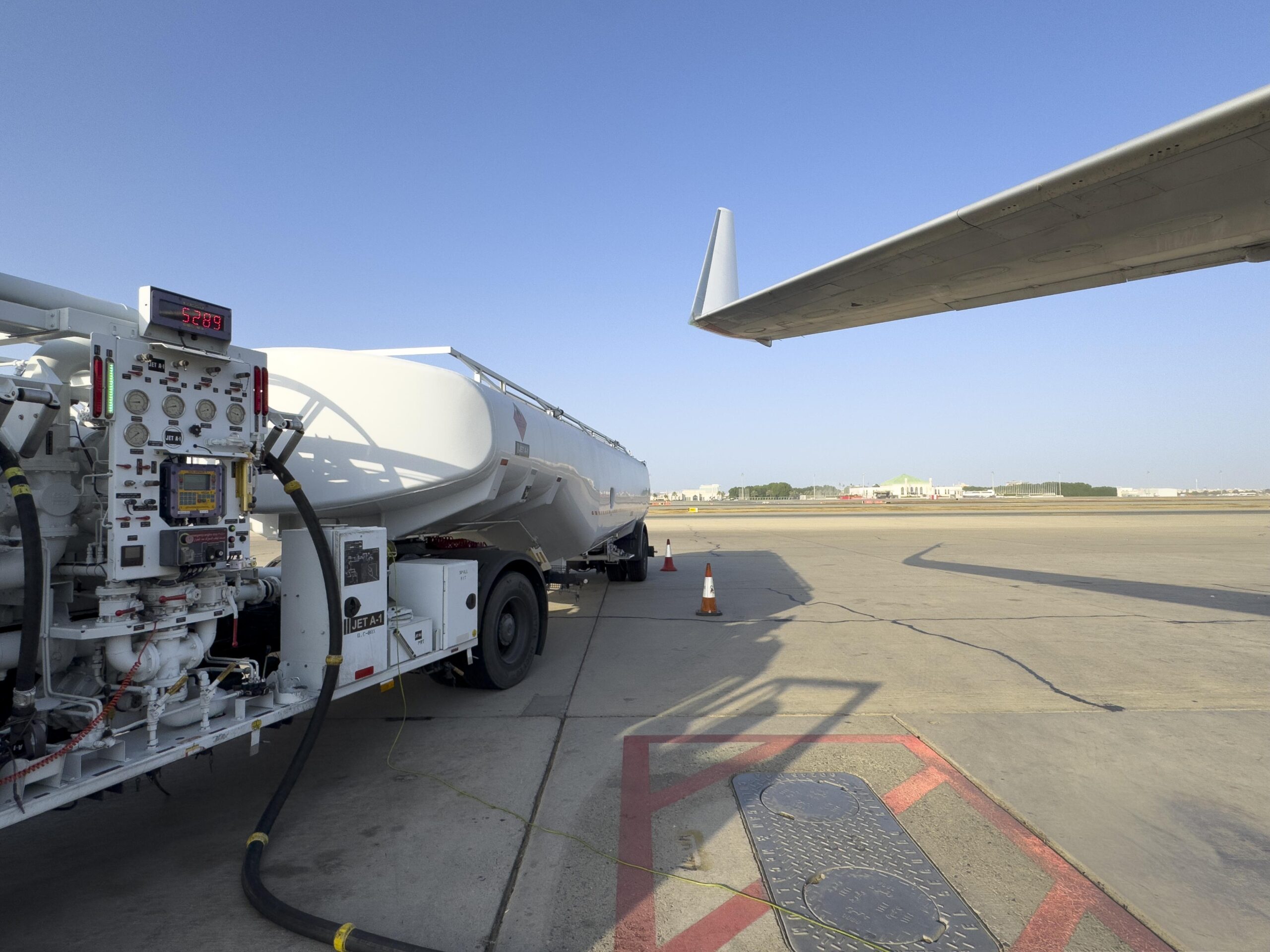
Amid the Nigeria aviation crisis, Dangote’s refinery operations are benefiting from increased demand for jet fuel. As supply tightens, the refinery has become a key player in meeting domestic needs.
This dynamic highlights the uneven impact of the crisis, where some sectors gain while others struggle. The refinery’s role is expected to grow as demand continues to rise.
An energy expert commented:
“This situation demonstrates how supply constraints can shift market power toward producers.”
Passenger Impact and Reduced Accessibility
The Nigeria aviation crisis is directly affecting passengers, who are facing higher airfares and fewer travel options. Increased costs are making air travel less accessible, particularly for budget-conscious travelers.
Reduced flight availability can also impact business operations and tourism, further affecting the economy.
Passengers are increasingly seeking alternative modes of transportation, though these may not offer the same level of convenience.
Supply Chain and Infrastructure Challenges
The Nigeria aviation crisis is compounded by infrastructure limitations and supply chain issues. Storage and distribution challenges make it difficult to ensure a steady supply of jet fuel across the country.
These constraints highlight the need for investment in infrastructure to support the aviation sector. Without improvements, disruptions are likely to persist.
Industry stakeholders are calling for coordinated efforts to address these challenges.
Economic Ripple Effects Across Nigeria
The broader economic impact of the Nigeria aviation crisis extends beyond the aviation sector. Increased transportation costs can affect trade, tourism, and overall economic growth.
Businesses that rely on air travel may face higher expenses and reduced efficiency. This can lead to slower economic activity and increased uncertainty.
Policymakers are closely monitoring the situation to assess potential long-term effects.
Strategic Adjustments by Airlines
Airlines are adopting various strategies to cope with the Nigeria aviation crisis. These include optimizing routes, improving fuel efficiency, and renegotiating supplier contracts.
Some carriers are also exploring partnerships to share resources and reduce costs. However, these measures may not fully offset the impact of rising fuel prices.
Aviation experts stress the importance of innovation in navigating the crisis.
Government Response and Policy Considerations
The Nigeria aviation crisis has prompted calls for government intervention to stabilize the sector. Potential measures include subsidies, tax relief, and investment in fuel infrastructure.
Balancing the needs of airlines and fuel producers will be critical in developing effective policies. Government action could help mitigate the impact and support long-term growth.
Regulatory decisions will play a key role in shaping the future of the industry.
History of Nigeria Aviation Crisis
The Nigeria aviation crisis has evolved over time, influenced by economic challenges, infrastructure limitations, and fluctuating fuel prices. Previous periods of disruption have highlighted the vulnerability of the sector.
Historical trends show that fuel supply issues are a recurring challenge. Lessons from past crises can inform current strategies and policy decisions.
Understanding this history is essential for developing sustainable solutions.
Future Outlook for the Aviation Sector
Looking ahead, the Nigeria aviation crisis is likely to influence long-term industry trends. Companies will need to focus on resilience, efficiency, and innovation to navigate ongoing challenges.
Investment in infrastructure and alternative energy sources may also play a role in shaping the future of aviation in Nigeria.
The sector’s recovery will depend on how effectively stakeholders address current issues.
Key Takeaways and Market Impact Summary
The Nigeria aviation crisis highlights the significant impact of jet fuel shortages on airline operations, costs, and passenger accessibility. While fuel suppliers benefit from increased demand, airlines face mounting challenges. The situation underscores the need for strategic solutions to ensure the sustainability of the aviation sector.