
EU broadcasters warn new digital laws may be targeting the wrong industry in Europe.
They argue Big Tech dominance—not traditional media—should be the focus of reform.
The outcome could reshape Digital economy regulation Europe and future media competition.
BRUSSELS, April 27, 2026 (Parliament Politics Magazine) Digital economy regulation Europe has become a central issue in EU policymaking as broadcasters push back against proposals they say could misdirect regulatory pressure.
The debate over Digital economy regulation Europe is intensifying as lawmakers attempt to balance oversight of powerful digital platforms with the protection of traditional media organizations.
Key Facts and Timeline Overview
Policy Topic: Digital economy regulation Europe
Location: Brussels, Belgium
Year: 2026
Primary Institutions Involved:
- European Commission
- European Parliament
Key Companies in Focus:
- Meta
- Apple
Core Issue:
Broadcasters argue EU digital laws should regulate Big Tech platforms rather than traditional media.
Broadcasters Warn Against Misplaced Regulation
European broadcasters have raised concerns with the European Commission, emphasizing that Digital economy regulation Europe must clearly distinguish between platform operators and content creators.
They argue that traditional media already operates under strict rules, while digital platforms dominate content distribution and monetization channels.
A senior media executive stated:
“Digital economy regulation Europe should focus on those who control access to audiences, not those who produce the content.”
Big Tech Dominance at the Center of Debate
At the core of Digital economy regulation Europe is the influence of global technology firms such as Google, Meta, and Apple.
Broadcasters argue these companies act as gatekeepers, controlling access to audiences, advertising markets, and user data. Addressing this imbalance is seen as essential to achieving fairness.
A policy expert noted:
“Without addressing Big Tech’s influence, Digital economy regulation Europe risks failing to solve the real problem.”
Economic Pressure on Media Organizations
The financial challenges facing broadcasters are a key concern in discussions about Digital economy regulation Europe. Advertising revenue has increasingly shifted toward digital platforms, reducing income for traditional outlets.
Industry leaders warn that expanding regulatory burdens could further strain media organizations, particularly smaller and regional broadcasters.
Legislative Background and Framework
The debate builds on existing EU laws such as the Digital Markets Act and the Digital Services Act. These frameworks laid the foundation for broader oversight now being considered.
The evolution of Digital economy regulation Europe reflects ongoing efforts to ensure fair competition and transparency across digital markets.
Historical Evolution of EU Digital Policy
Over the past two decades, the EU has steadily expanded its approach to digital governance. From data protection to competition enforcement, each phase has shaped the current landscape.
This progression has led to the modern framework of Digital economy regulation Europe, which seeks to balance innovation with accountability.
Distinguishing Platforms and Publishers
A central issue in Digital economy regulation Europe is the distinction between platforms and publishers. Broadcasters emphasize that platforms distribute and monetize content, while media organizations create it.
Recognizing this difference is critical to designing effective regulation.
Lawmakers Face Critical Decisions
The European Parliament is now under pressure to refine proposals related to Digital economy regulation Europe. Stakeholders across industries are calling for targeted measures that address real market imbalances.
Advertising Market Imbalance
Digital advertising dominance remains a major concern. Platforms leverage data and technology to capture a large share of the market.
Broadcasters argue that Digital economy regulation Europe should include measures to address these disparities and promote fair competition.
Global Implications
EU decisions often influence global regulatory trends. The outcome of Digital economy regulation Europe could shape how other regions approach digital governance.
Supporting Public Interest Journalism
Broadcasters stress that policies must support journalism that serves the public interest. Ensuring sustainability for independent media is a key goal of effective regulation.
What Comes Next
As negotiations continue, policymakers are expected to revise proposals to address concerns raised by stakeholders. The final version of Digital economy regulation Europe will play a major role in shaping Europe’s digital future.
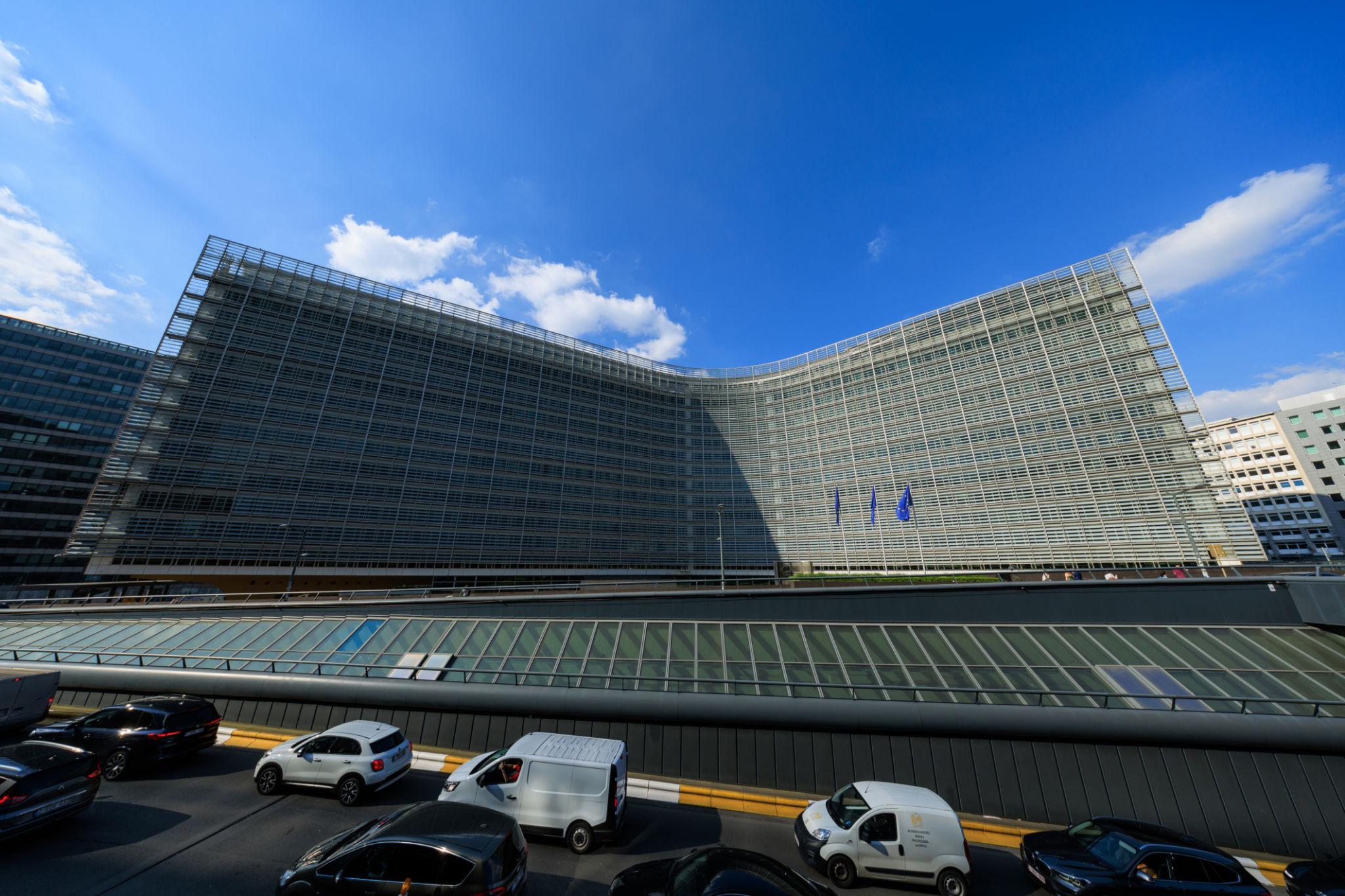
Digital economy regulation Europe is driving a major policy debate in Brussels.
Broadcasters argue Big Tech—not traditional media—should be the focus of regulation.
The outcome could reshape Europe’s digital economy and media landscape.