BRUSSELS, Belgium, April 25, 2026 (Parliament Politics Magazine) European carmakers future outlook is entering a decisive phase as economic slowdown in China, intensifying electric vehicle competition, and shifting global demand patterns challenge the long-standing dominance of Europe’s automotive giants.
For decades, European brands such as BMW, Mercedes-Benz, and Volkswagen relied heavily on strong Chinese demand to fuel growth and profitability. Today, that reliance is becoming a vulnerability. As China’s economy cools and domestic automakers rise, the balance of power is shifting.
The transformation underway is not temporary—it is structural, and it is forcing European carmakers to rethink strategy, operations, and long-term positioning in a rapidly evolving global market.
China’s Economic Slowdown Reshapes Global Strategy
China has long been the backbone of international expansion for European automakers. However, slowing consumer demand, economic uncertainty, and declining confidence are now reshaping that relationship.
The implications are immediate:
- Reduced vehicle sales growth
- Increased price sensitivity among consumers
- Greater competition from local brands
European manufacturers are being forced to adjust forecasts and reconsider their dependence on a single dominant market.
“China is no longer a guaranteed growth engine. It has become a competitive battlefield,”
said a senior automotive strategist.
This shift marks a turning point in the European carmakers future outlook, as companies diversify into other regions such as Southeast Asia, India, and North America.
Domestic Chinese Automakers Gain Ground
Chinese automakers are no longer just local players—they are global competitors.
Brands such as BYD and NIO are rapidly gaining market share by offering technologically advanced electric vehicles at competitive prices. Their strength lies in:
- Battery innovation
- Software integration
- Speed of production
These advantages are reshaping consumer expectations and placing additional pressure on European brands.
“The speed at which Chinese manufacturers innovate is redefining the rules of the automotive industry,”
an industry executive noted.
The growing influence of Chinese automakers is a central factor shaping the European carmakers future outlook, particularly in the EV segment.
Electric Vehicles Redefine the Competitive Landscape
The global shift toward electrification is accelerating faster than many expected.
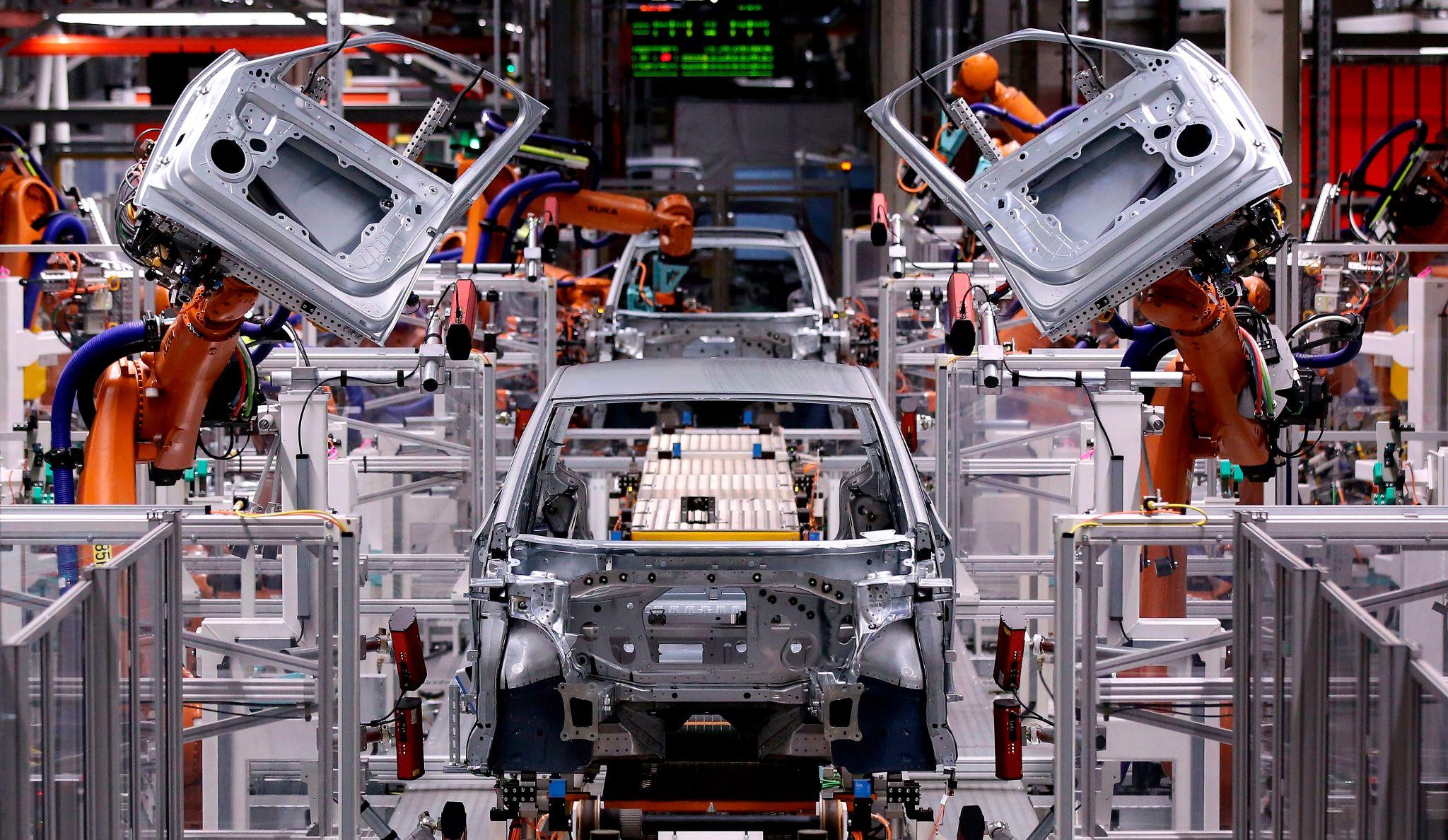
European automakers are investing billions into EV development, but they face several challenges:
- Higher production costs
- Limited battery supply chains
- Slower adaptation compared to competitors
Chinese firms, backed by strong domestic supply chains and government support, are scaling EV production more efficiently.
This imbalance is creating a competitive gap that European manufacturers must close quickly.
The transition to EVs is no longer optional—it is the defining factor in the European carmakers future outlook.
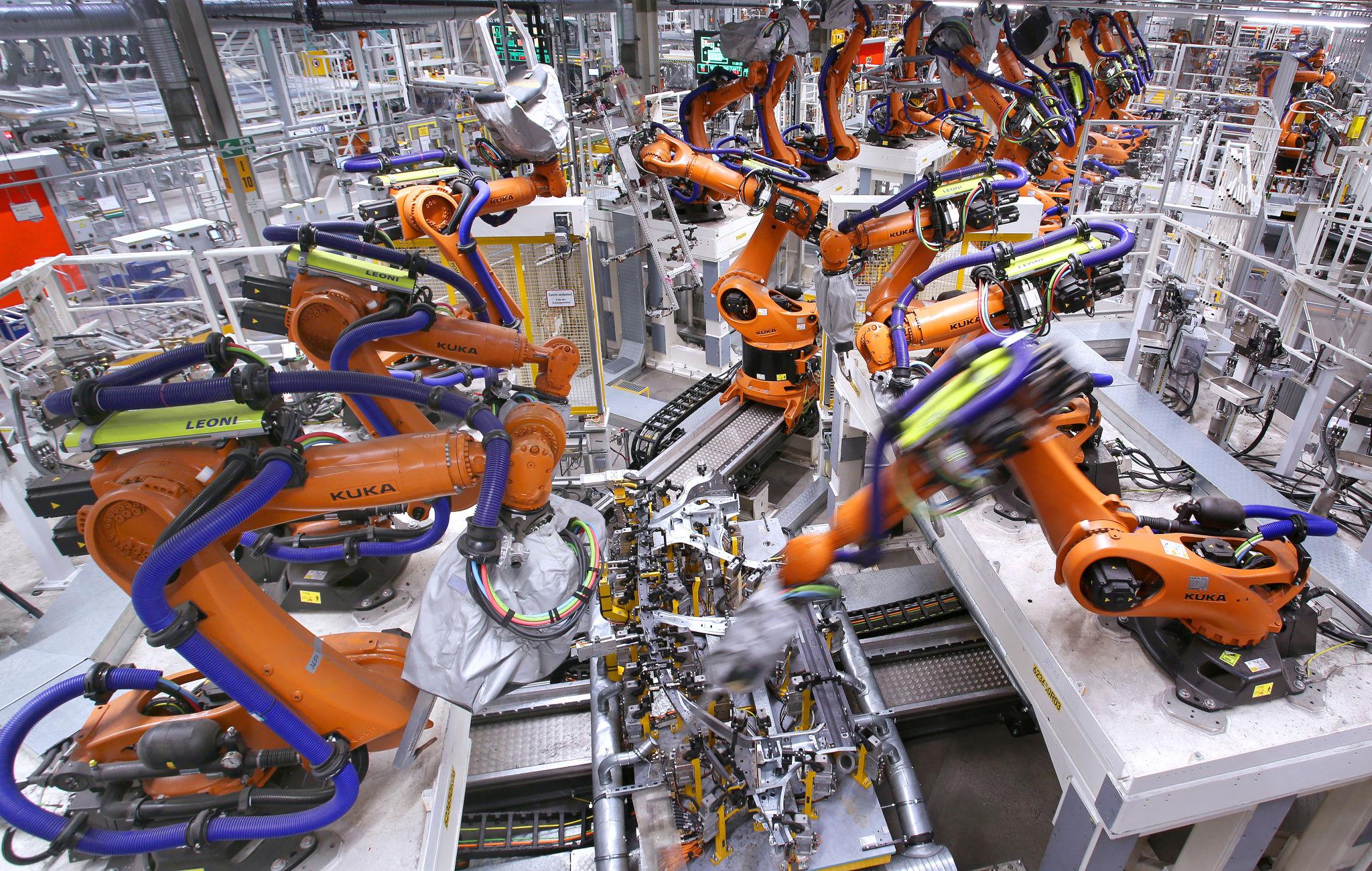
Supply Chain Disruptions and Cost Inflation
Global supply chains remain unstable, adding complexity to an already challenging environment.
European automakers are dealing with:
- Semiconductor shortages
- Rising raw material costs
- Logistics disruptions
These factors are squeezing profit margins and forcing companies to reassess pricing strategies.
The cost pressures are particularly significant for EV production, where battery materials such as lithium and cobalt remain expensive.
Strategic Realignment Across Europe
To navigate these challenges, European automakers are implementing strategic changes.
Key initiatives include:
- Expanding EV production capacity
- Investing in software-defined vehicles
- Forming partnerships for battery development
- Diversifying supply chains
These adjustments are essential for maintaining competitiveness, but they require time and substantial capital investment.
The success of these strategies will determine the trajectory of the European carmakers future outlook over the next decade.
Consumer Preferences Are Rapidly Evolving
Consumer expectations are shifting faster than ever before.
Today’s buyers prioritize:
- Sustainability
- Digital features
- Affordability
Chinese automakers are responding quickly to these demands, often delivering feature-rich vehicles at lower price points.
European brands must balance innovation with their premium identity, a challenge that is becoming increasingly complex.
Europe’s Economic Stakes Are High
The automotive sector is a cornerstone of the European economy.
It supports millions of jobs and contributes significantly to GDP. Any decline in competitiveness could have widespread economic consequences.
Governments are stepping in with policies aimed at supporting the industry, including:
- EV subsidies
- Infrastructure investment
- Trade protections
The broader economic impact makes the European carmakers future outlook a critical issue for policymakers.
Investor Sentiment and Market Volatility
Financial markets are closely watching the sector.
Investor concerns include:
- Slowing growth
- Rising costs
- Increased competition
Stock performance for major automakers has shown increased volatility as uncertainty grows.
However, some analysts see long-term opportunities for companies that successfully adapt to changing market conditions.
Innovation Becomes the Decisive Factor
Innovation is emerging as the primary battleground.
European automakers are focusing on:
- Autonomous driving
- AI-driven vehicle systems
- Advanced battery technologies
The ability to innovate quickly will determine which companies lead the next phase of the industry.
“The future belongs to those who can innovate at scale while maintaining efficiency,”
said a global automotive analyst.
History of European Automotive Leadership
Europe has long been a global leader in automotive engineering.
From Germany’s precision manufacturing to Italy’s design excellence and France’s engineering innovation, European automakers have set industry standards for decades.
However, the current transition represents one of the most significant challenges in the industry’s history.
The shift toward electrification and digitalization is reshaping the competitive landscape, requiring a level of adaptation not seen in previous decades.
Global Market Expansion Beyond China
European automakers are increasingly looking beyond China for growth opportunities.
Emerging markets such as:
- India
- Southeast Asia
- Latin America
are becoming strategic priorities.
While these markets offer potential, they also come with unique challenges, including regulatory differences and infrastructure limitations.
Diversification is a key component of the European carmakers future outlook.
Environmental Regulations Add Pressure
Strict environmental regulations in Europe are accelerating the transition to EVs.
While these policies support sustainability goals, they also increase costs for manufacturers.
Compliance requires significant investment in new technologies and production processes.
Balancing regulatory requirements with profitability remains a major challenge.