Global EV competition is intensifying across major markets in 2026.
China’s production growth and global demand are reshaping the industry.
Automakers are adjusting pricing, supply chains, and innovation strategies.
Beijing, April 28. 2026 (Parliament Politics Magazine) Global EV competition is entering a more intense phase in 2026 as automakers expand production, reduce costs, and accelerate innovation. Industry analysts indicate that the electric vehicle sector is becoming one of the most competitive markets globally, driven by rapid technological progress and evolving consumer demand.
The growing rivalry is reshaping pricing strategies while also influencing trade policies and industrial planning across major economies.
Global Electric Vehicle Market 2026
- Global EV sales trend: Increasing year over year
- China EV production share: Leading globally
- EV cost trend: Gradual decline
- Battery cost trend: Reduced significantly over time
- Market competition level: Intensifying across regions
China Electric Vehicle Production Expansion
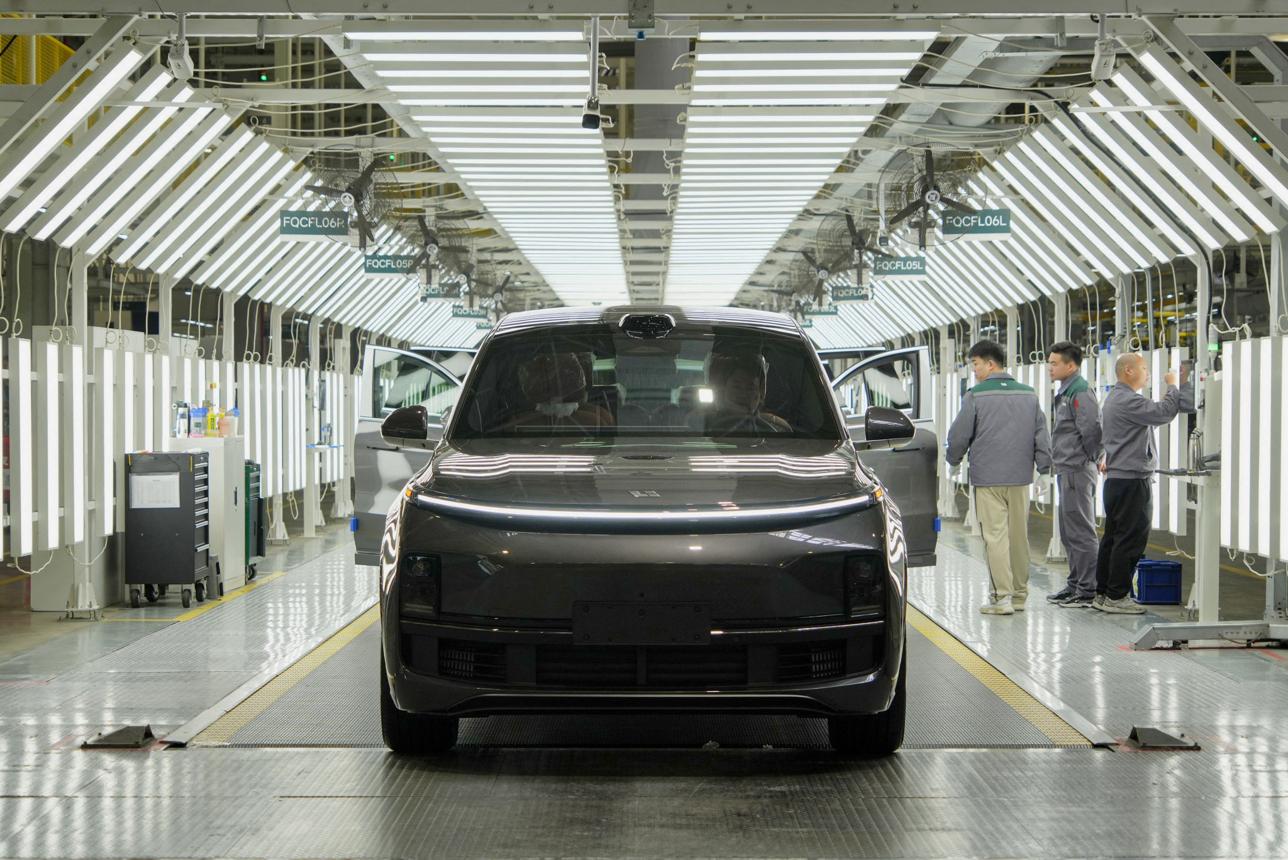
China continues to expand its electric vehicle production capacity through large-scale manufacturing and efficient supply chain integration. This growth allows domestic manufacturers to maintain competitive pricing while increasing global exports.
This expansion strengthens global EV competition as more affordable vehicles enter international markets.
US and European Electric Vehicle Investment Response
Automakers in the United States and Europe are increasing investment in electric vehicle development, focusing on improving battery technology, expanding production, and introducing new EV models.
The rise of global EV competition is accelerating these efforts as companies aim to remain competitive in a rapidly changing market.
Electric Vehicle Pricing Strategy Differences
Pricing strategies differ significantly across regions. Chinese manufacturers prioritize affordability and volume, while Western automakers often focus on premium features and brand positioning.
These differences highlight how global EV competition is shaping pricing structures worldwide.
Supply Chain Control and Battery Production Advantage
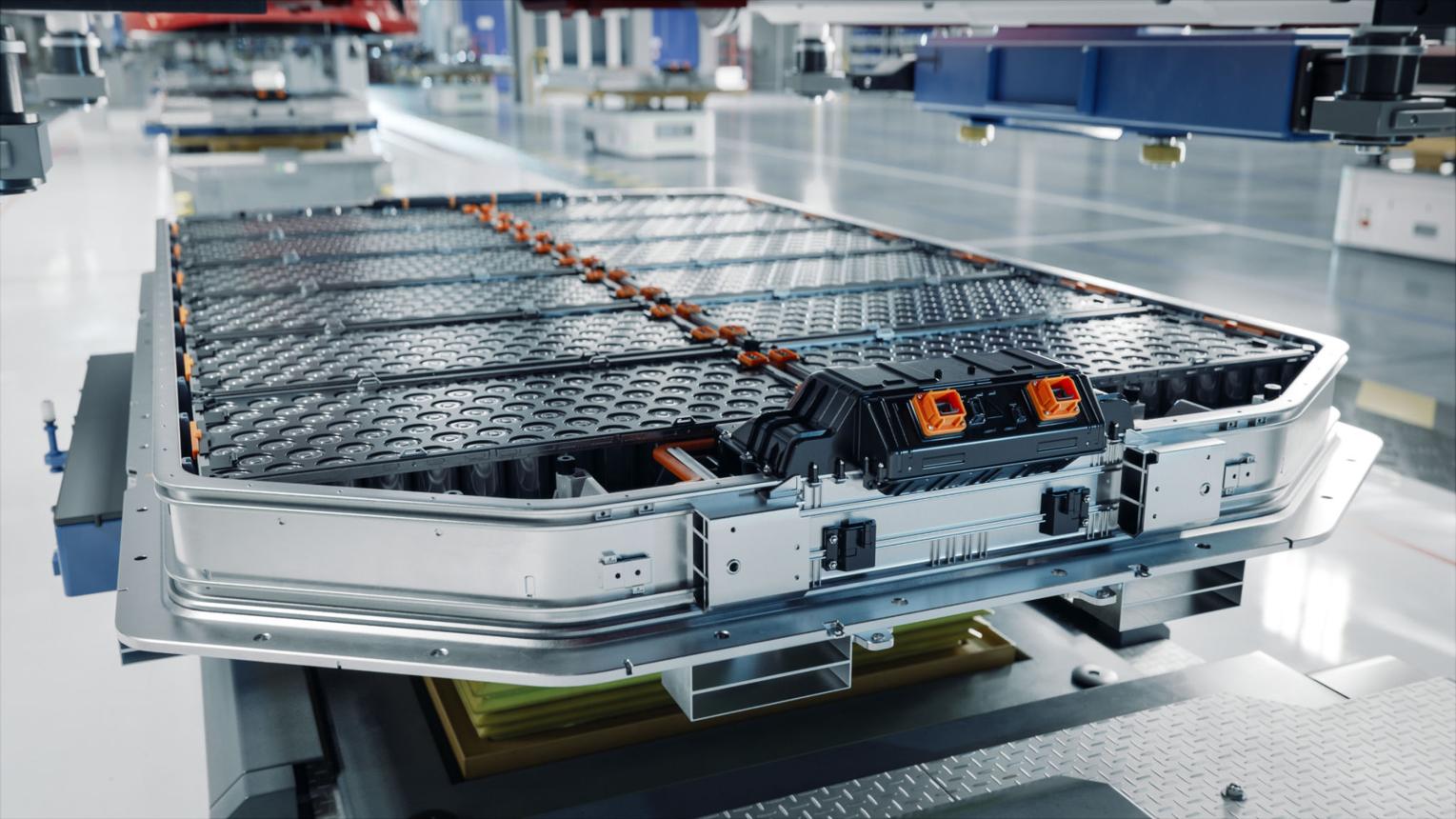
Control over supply chains, especially battery production, has become a key competitive advantage. Companies that manage raw materials and manufacturing processes efficiently can reduce costs and improve output.
This factor plays a major role in the development of global EV competition.
Electric Vehicle Technology Development Trends
Automakers are investing in advancements such as battery efficiency, smart connectivity, and driver assistance systems. These innovations are influencing consumer expectations and industry standards.
“Technology and affordability are becoming equally important in shaping the EV market,”
an industry analyst stated.
These developments continue to intensify global EV competition.
Government Policy and Electric Vehicle Incentives
Government policies, including subsidies and infrastructure investment, are supporting EV adoption in many countries. These measures influence production decisions and market growth.
Policy support remains a key factor in the evolution of global EV competition.
History of Electric Vehicle Market Development
Electric vehicles were once limited by high costs and low production volumes. Over time, improvements in battery technology and manufacturing processes have reduced costs and increased adoption.
China’s early investment in EV infrastructure contributed significantly to the current state of global EV competition.
Global Electric Vehicle Market Expansion Strategies
Automakers are expanding into new regions to capture growth opportunities. Chinese manufacturers are entering global markets with competitive pricing, while Western brands focus on innovation and brand strength.
This expansion continues to drive global EV competition across international markets.
Electric Vehicle Consumer Demand Growth
Consumer demand for electric vehicles is increasing due to environmental concerns, fuel cost savings, and technological improvements. Affordability remains a critical factor in purchasing decisions.
The growing demand further strengthens global EV competition.
Future Outlook for Electric Vehicle Industry
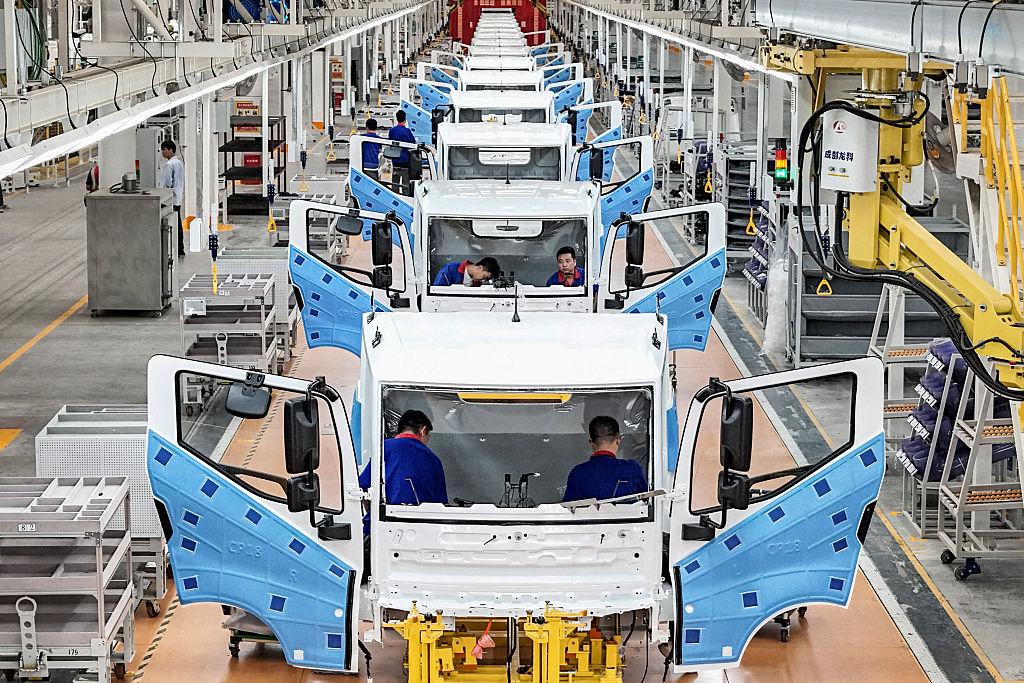
The EV market is expected to remain highly competitive, with companies focusing on cost efficiency and innovation. The ability to scale production while maintaining quality will be essential for long-term success.
“The EV market is becoming a global race where efficiency and innovation define leadership,”
a market strategist noted.
This outlook reinforces the importance of global EV competition.
Global EV Market Trends 2026
Global EV competition is reshaping the automotive industry as production expands, costs decline, and innovation accelerates. China’s manufacturing strength and global demand are driving changes across all major markets.
Automakers are adapting strategies to remain competitive, focusing on pricing, technology, and supply chain efficiency. These trends are expected to continue shaping the future of the industry.