

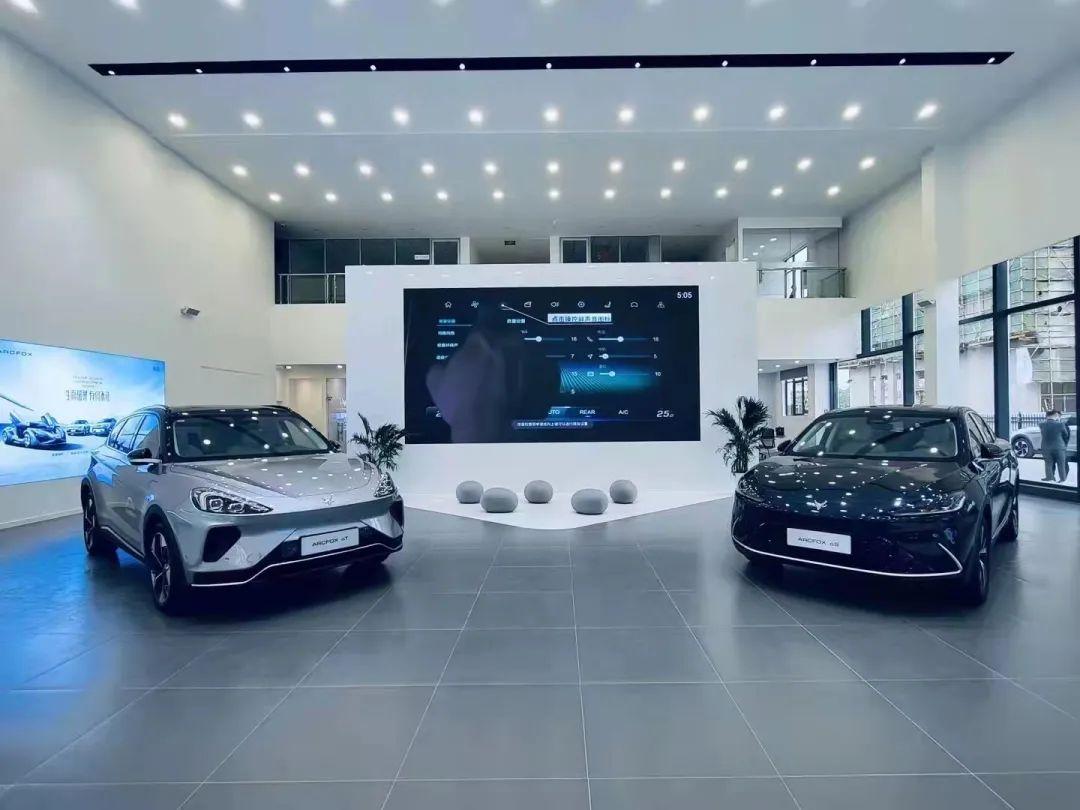
Chinese EV price comparison highlights a growing global pricing divide.
US car buyers face rising costs while Chinese EVs become more affordable.
The shift is reshaping the global automotive market in 2026.
Washington, D.C., April 28, 2026 (Parliament Politics Magazine) Chinese EV price comparison is becoming a defining issue in the global automotive sector in 2026.
The pricing difference has reached a point where affordability is influencing not only consumers but also global trade and industrial policy discussions.
US vs China Vehicle Pricing 2026
- Average US new car price: $47,000–$50,000
- Average Chinese EV price: $8,000–$12,000
- Estimated price ratio: Up to 5:1
- EV adoption growth in China: Rapid expansion
- Affordability gap trend: Increasing
US New Vehicle Prices Remain Elevated
The US automotive market continues to experience high pricing levels due to inflation, supply chain costs, and a shift toward premium vehicle segments such as SUVs and trucks.
Manufacturers are focusing on higher-margin vehicles, which has pushed the average cost upward. This trend directly contributes to the widening gap observed in the Chinese EV price comparison.
Chinese Electric Vehicle Prices Remain Significantly Lower
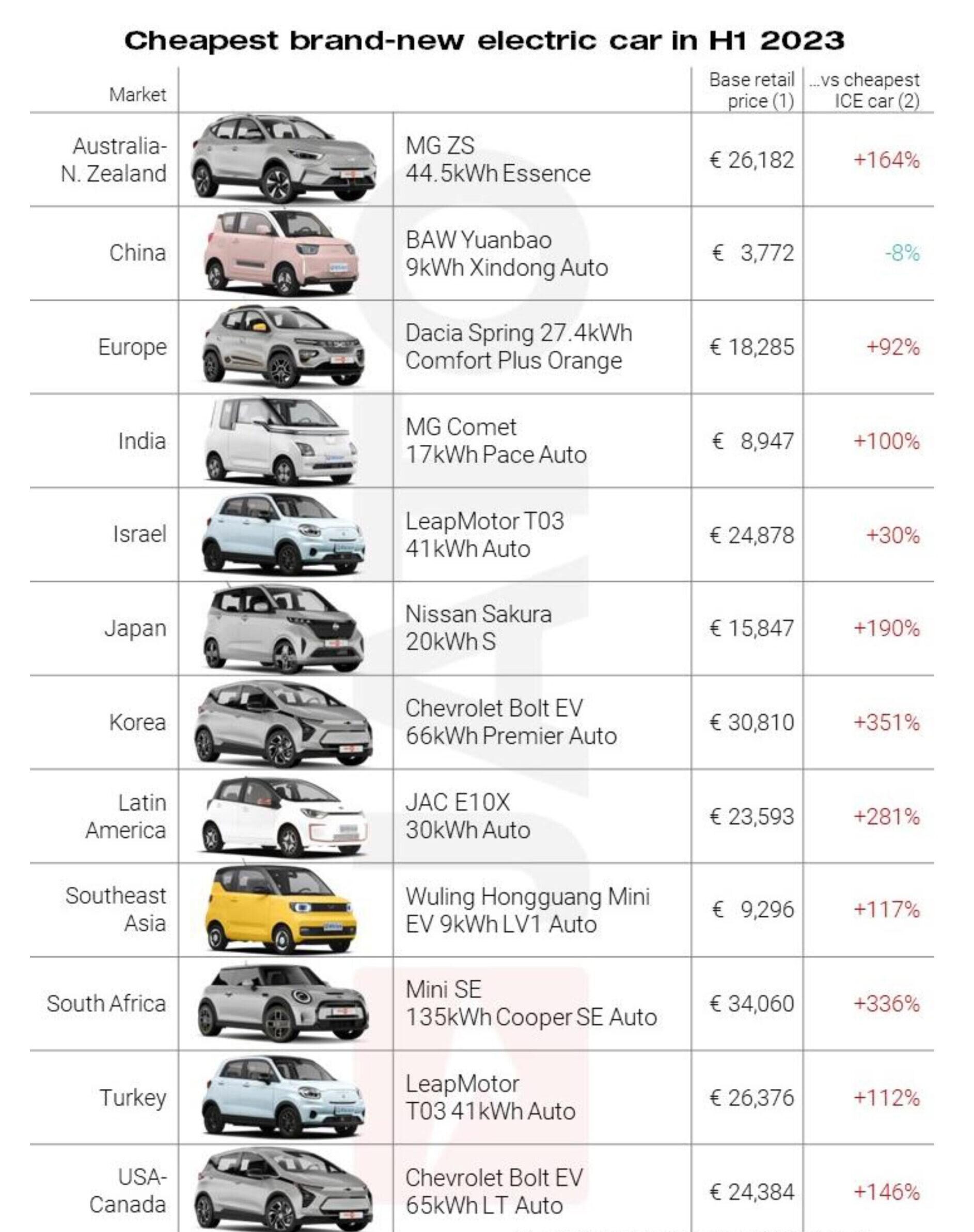
China’s electric vehicle market is defined by significantly lower production costs and large-scale manufacturing capabilities, enabling companies to produce vehicles at a fraction of the cost seen in other regions. Entry-level electric vehicles are commonly available for under $12,000, making them highly accessible to a broad consumer base.
This cost advantage positions the Chinese EV price comparison as a crucial benchmark for global affordability, influencing how markets evaluate pricing, competition, and consumer accessibility worldwide.
Manufacturing Scale and Supply Chain Efficiency in China
Chinese automakers benefit from vertically integrated supply chains, allowing them to reduce production costs across battery manufacturing, assembly, and logistics.
This efficiency is a key factor behind the pricing differences seen in the Chinese EV price comparison.

Higher Production and Labor Costs in the United States
US automakers face higher labor costs, stricter regulatory requirements, and more complex supply chains. These factors contribute to higher vehicle prices and reduced pricing flexibility.
As a result, the Chinese EV price comparison continues to highlight structural cost differences between the two markets.
Consumer Purchasing Trends Shift Toward Affordability
Consumers are increasingly prioritizing cost over premium features, especially in uncertain economic conditions. Lower-priced EVs are gaining attention globally.
“Affordability is now the primary factor influencing vehicle purchases,”
one industry analyst stated.
This shift is reinforcing the importance of the Chinese EV price comparison in market decision-making.
Technology Investment Strategies Differ by Market
US manufacturers emphasize advanced features such as autonomous driving systems and premium interiors, which increase production costs.
Chinese manufacturers focus on cost efficiency and rapid production, enabling lower prices while maintaining essential functionality.
The Chinese EV price comparison reflects these differing strategies.
Government Policy Support Influences Pricing
China’s EV industry benefits from strong government support, including subsidies, infrastructure development, and regulatory advantages.
In contrast, US policies focus more on consumer incentives rather than manufacturing cost reductions. This contributes to the pricing gap identified in the Chinese EV price comparison.
A second analyst noted,
“Policy alignment in China has accelerated cost efficiency in ways other markets have not matched.”
Global Competition Intensifies in the EV Market
Chinese EV manufacturers are rapidly expanding into international markets, intensifying competition for automakers in the United States and Europe. This global push is compelling established companies to rethink their pricing structures, streamline production processes, and explore more cost-efficient manufacturing strategies.
As a result, the Chinese EV price comparison has emerged as a key benchmark in the industry, shaping how companies evaluate competitiveness and respond to shifting market dynamics worldwide.
History of Electric Vehicle Pricing Trends
Electric vehicles were once positioned as premium products, largely due to expensive battery technology and limited manufacturing scale. In the early stages, high production costs made EVs less accessible to the average consumer.
As technology advanced, battery efficiency improved and production methods became more streamlined. China accelerated this shift by investing heavily in large-scale manufacturing and supply chain integration. These developments significantly reduced costs, making EVs more affordable for a broader market.
Today, EVs are no longer limited to premium buyers but are increasingly positioned for mass adoption. The Chinese EV price comparison illustrates this transition clearly, highlighting how affordability has reshaped the industry.
Impact on Global Trade and Industrial Strategy
Future Outlook for Global EV Pricing
The global automotive market is expected to remain highly competitive as manufacturers seek to balance cost and innovation.
Chinese EV producers are likely to expand their presence, while US automakers continue focusing on technology and premium offerings.
“The global auto industry is entering a pricing reset driven by efficiency and scale,”
an industry strategist said.
