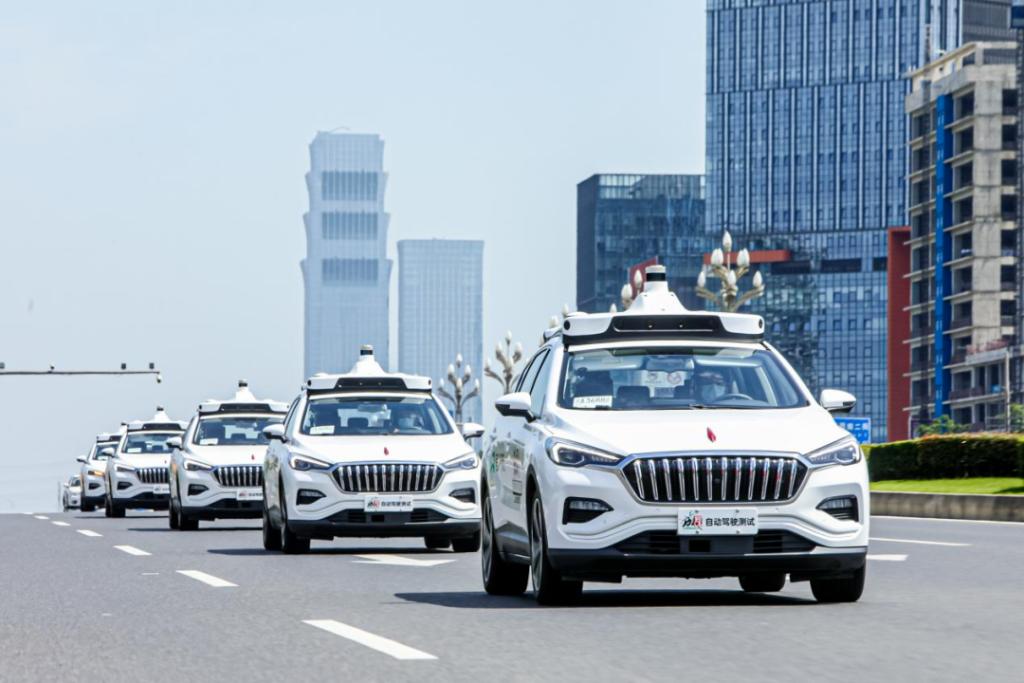
AI vehicle regulation tightens as China halts new permits after Baidu outage.
Authorities review safety risks and system reliability in self-driving technology.
The move signals stricter oversight for autonomous vehicles in 2026.
Beijing, April 29, 2026 (Parliament Politics Magazine) AI vehicle regulation is entering a new phase in China after authorities suspended new autonomous vehicle permits following a system outage linked to Baidu. The move reflects growing concerns over safety, system reliability, and public trust as self-driving technologies expand rapidly across major urban centers.
Officials are now reviewing industry-wide safeguards, signaling a shift toward stricter oversight in one of the world’s most advanced autonomous vehicle markets.
Baidu Outage Sparks Immediate Regulatory Action
The outage reportedly affected systems associated with autonomous driving operations, prompting regulators to act quickly. While the full technical details have not been publicly disclosed, the incident raised concerns about how self-driving systems handle disruptions.
The response highlights how AI vehicle regulation is evolving to address real-world operational risks rather than theoretical scenarios.
“Even a short disruption can have significant implications for safety in autonomous systems,”
said a transportation analyst based in Beijing.
Government Review Focuses on Safety and Reliability
Authorities are conducting a comprehensive review of safety protocols across the autonomous vehicle sector. The evaluation is expected to examine how systems respond under stress and whether existing safeguards are sufficient.
Key areas under scrutiny include:
- Fail-safe mechanisms during system outages
- Redundancy and backup system integration
- Real-time monitoring capabilities
- Passenger and pedestrian protection measures
The tightening of AI vehicle regulation reflects a proactive approach to managing technological risk.
Autonomous Vehicle Sector in China (2026)
- Autonomous pilot zones: Active in multiple major cities
- Permit approvals before suspension: Consistent growth trend
- AI investment in mobility: Strong across leading tech firms
- Reported system disruptions: Low frequency but high impact
- Regulatory oversight level: Increasing across sector
This data underscores how AI vehicle regulation is becoming central to the development of autonomous transportation.
Industry Impact: Delays and Increased Compliance Pressure
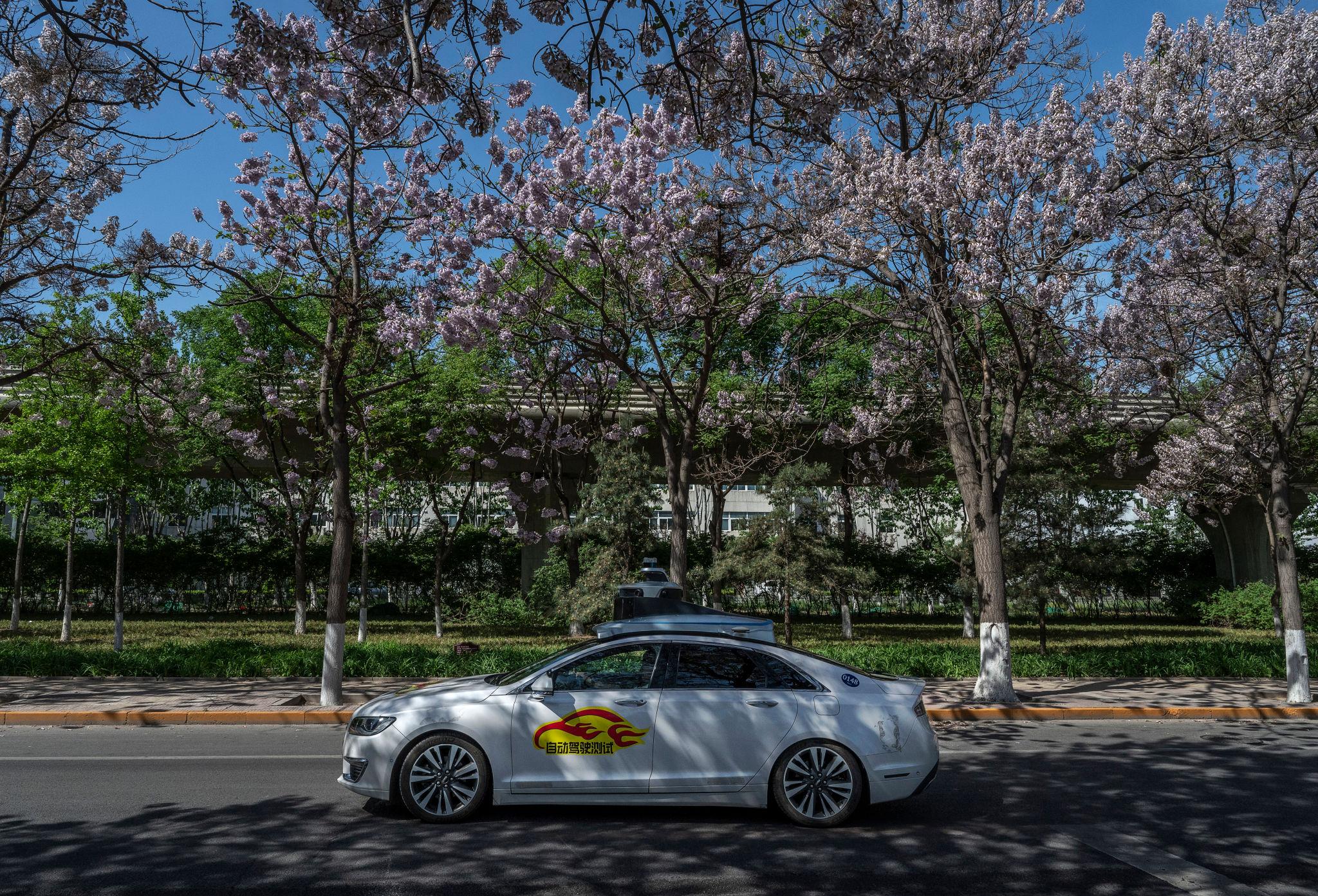
The suspension of permits is expected to slow the rollout of new autonomous services. Companies that were preparing to expand operations may now face delays and additional regulatory requirements.
Analysts suggest that the evolving AI vehicle regulation landscape could lead to:
- Higher compliance costs
- Extended testing timelines
- Greater emphasis on system transparency
- Increased collaboration with regulators
“Companies will need to demonstrate not just innovation, but reliability at scale,”
said a mobility industry expert.
Baidu’s Role in China’s Autonomous Ecosystem
Baidu has been a leading force in China’s autonomous vehicle development, with significant investment in AI-driven mobility solutions. The company’s technology powers a range of services, from robotaxis to intelligent navigation systems.
The outage has placed Baidu at the center of regulatory scrutiny, though its long-term role in the industry remains significant. The incident highlights the challenges of deploying advanced AI systems in complex environments.
The situation reinforces the importance of AI vehicle regulation in ensuring that innovation does not outpace safety standards.
Broader Regulatory Trends in Autonomous Mobility
China’s response reflects a broader global trend toward tighter regulation of emerging technologies. Governments worldwide are increasingly focused on balancing innovation with public safety.
The strengthening of AI vehicle regulation is part of a wider effort to:
- Build public trust in autonomous systems
- Establish clear operational standards
- Prevent incidents before they occur
- Ensure accountability among technology providers
Historical Context: Evolution of AI Vehicle Regulation
Over the past decade, autonomous vehicle technology has evolved rapidly, supported by advances in artificial intelligence, sensors, and data processing. Early regulatory frameworks were often experimental, allowing companies to test systems in controlled environments.
As deployment expanded, governments began introducing stricter rules to address safety and liability concerns. The current developments in AI vehicle regulation represent the next stage in this evolution, where real-world performance is driving policy decisions.
Challenges in Regulating AI-Driven Transportation
Experts note that regulating autonomous vehicles presents unique challenges. Unlike traditional vehicles, AI-driven systems must process vast amounts of data in real time and make complex decisions.
Key challenges include:
- Ensuring system reliability in unpredictable environments
- Balancing innovation with safety requirements
- Establishing clear accountability for system failures
- Integrating autonomous systems with existing infrastructure
These challenges highlight why AI vehicle regulation is becoming increasingly complex and critical.
Future Outlook: Stricter Standards and Continued Innovation
Looking ahead, industry observers expect regulatory frameworks to become more detailed and stringent. Companies may need to invest more heavily in safety systems and compliance processes.
The future of AI vehicle regulation will likely include:
- Enhanced certification requirements
- Continuous monitoring of system performance
- Greater transparency in AI decision-making
- Collaboration between regulators and industry stakeholders
“This is a defining moment for autonomous mobility—trust will determine its future,”
said a technology strategist.
AI Vehicle Regulation Enters New Phase
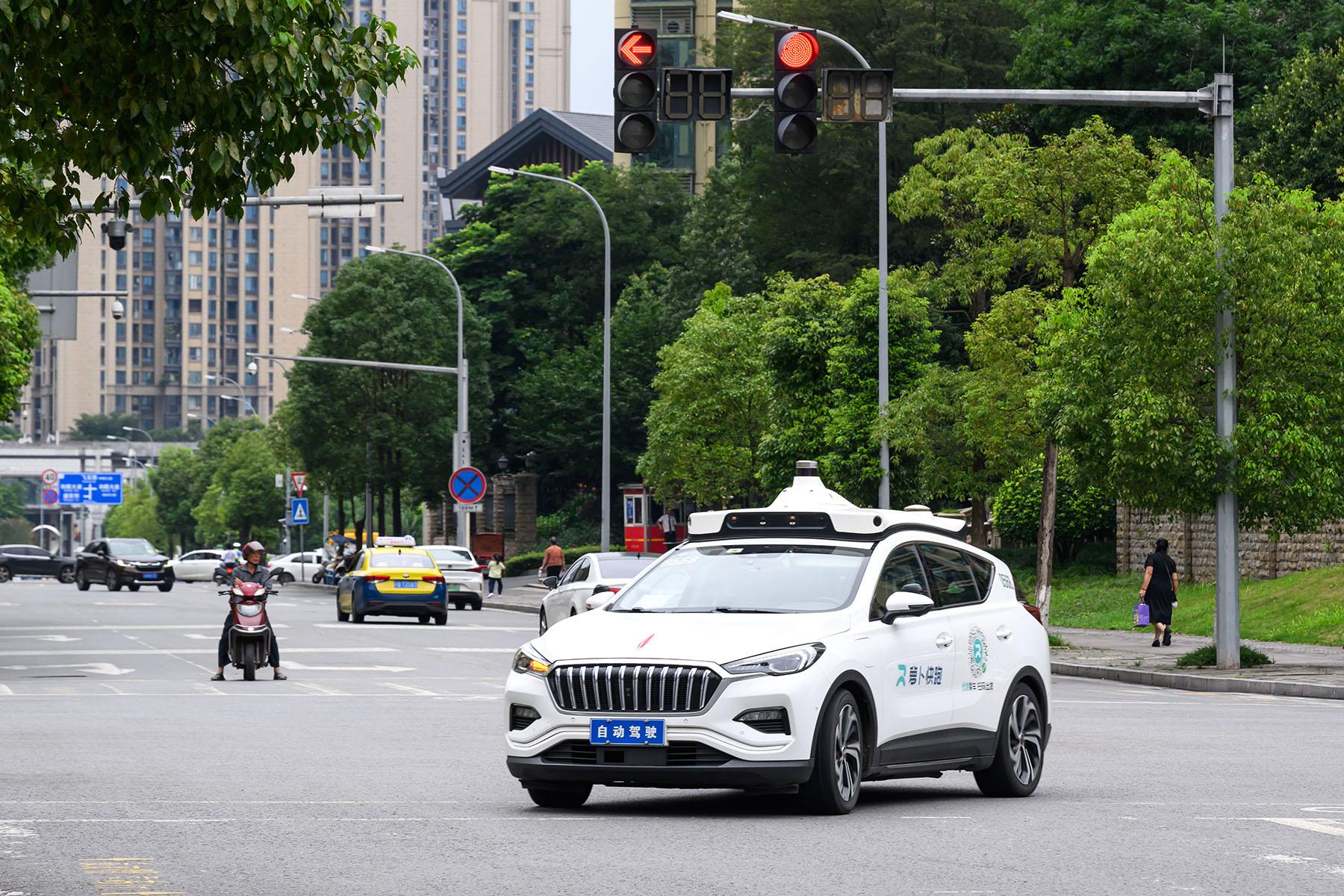
China’s decision to suspend new permits highlights growing regulatory caution in the autonomous vehicle sector.
Authorities are prioritizing safety and system reliability as deployment expands.
The evolution of AI vehicle regulation will shape the future of self-driving technology globally.