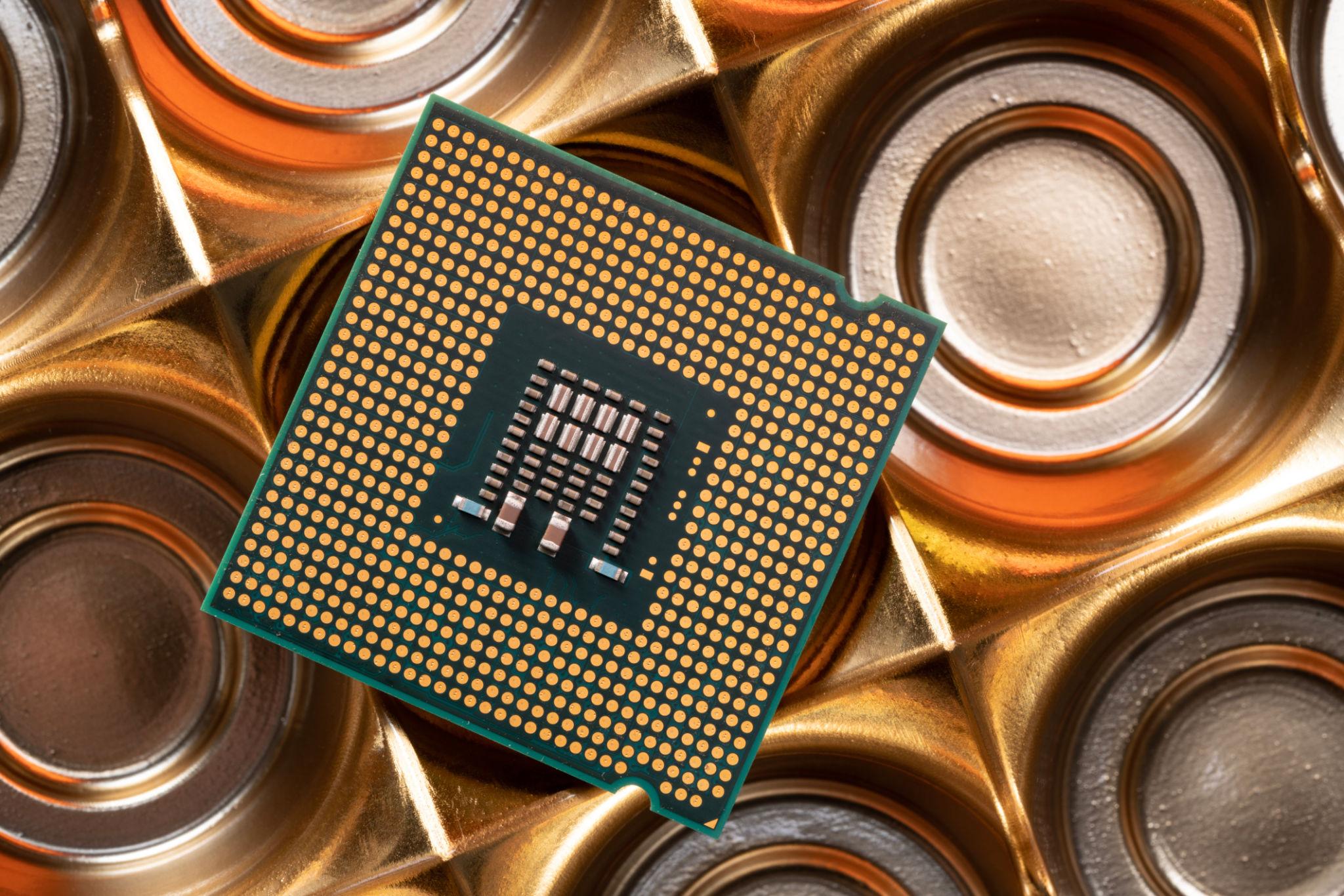
Samsung Electronics is expanding its advanced logic chip business amid rising global demand.
The semiconductor industry is entering a high-stakes phase driven by AI and data infrastructure.
Experts say 2026 could redefine leadership in global chip manufacturing.
Brussels, Belgium, April 30, 2026 (Parliament Politics Magazine) Chip foundry competition is accelerating globally as Samsung Electronics intensifies efforts to secure more customers for its advanced logic chips. The semiconductor sector is entering a decisive phase where innovation, scale, and geopolitical positioning are reshaping the future of chip manufacturing. Demand is being driven by artificial intelligence, cloud computing, and next-generation mobile technologies, placing Samsung at the center of a rapidly evolving global race.
Global Semiconductor Market 2026
- Global semiconductor market value: Estimated $600+ billion
- AI-driven chip demand growth: 20%+ annually
- Advanced node production (5nm and below): Rapid expansion
- Foundry market share battle: Intensifying among top players
- Data center chip demand: Expected to double by 2028
This structured overview highlights why chip foundry competition is becoming one of the most critical economic and technological battles worldwide.
Global Demand Surge Reshapes the Semiconductor Landscape
The semiconductor industry has experienced a dramatic shift over the past decade. Advanced logic chips now power nearly every aspect of modern life, from smartphones to enterprise-level computing systems.
Chip foundry competition is intensifying as companies race to deliver faster, smaller, and more efficient chips. This transformation is fueled by:
- Artificial intelligence expansion
- Cloud computing growth
- Consumer electronics innovation
- Industrial automation and robotics
A senior industry executive stated:
“Whoever leads in advanced chip manufacturing will define the next decade of global technology.”
Samsung’s Strategic Push for New Customers
Samsung Electronics is aggressively targeting new clients as part of its growth strategy. The company is investing heavily in its foundry division to compete more effectively on a global scale.
Chip foundry competition is influencing Samsung’s approach, which includes:
- Advanced semiconductor node development
- Customized chip design solutions
- Strategic partnerships with technology companies
- Scalable manufacturing capabilities
Samsung aims to position itself as a reliable and innovative partner for advanced chip production.
AI Revolution Drives Chip Innovation
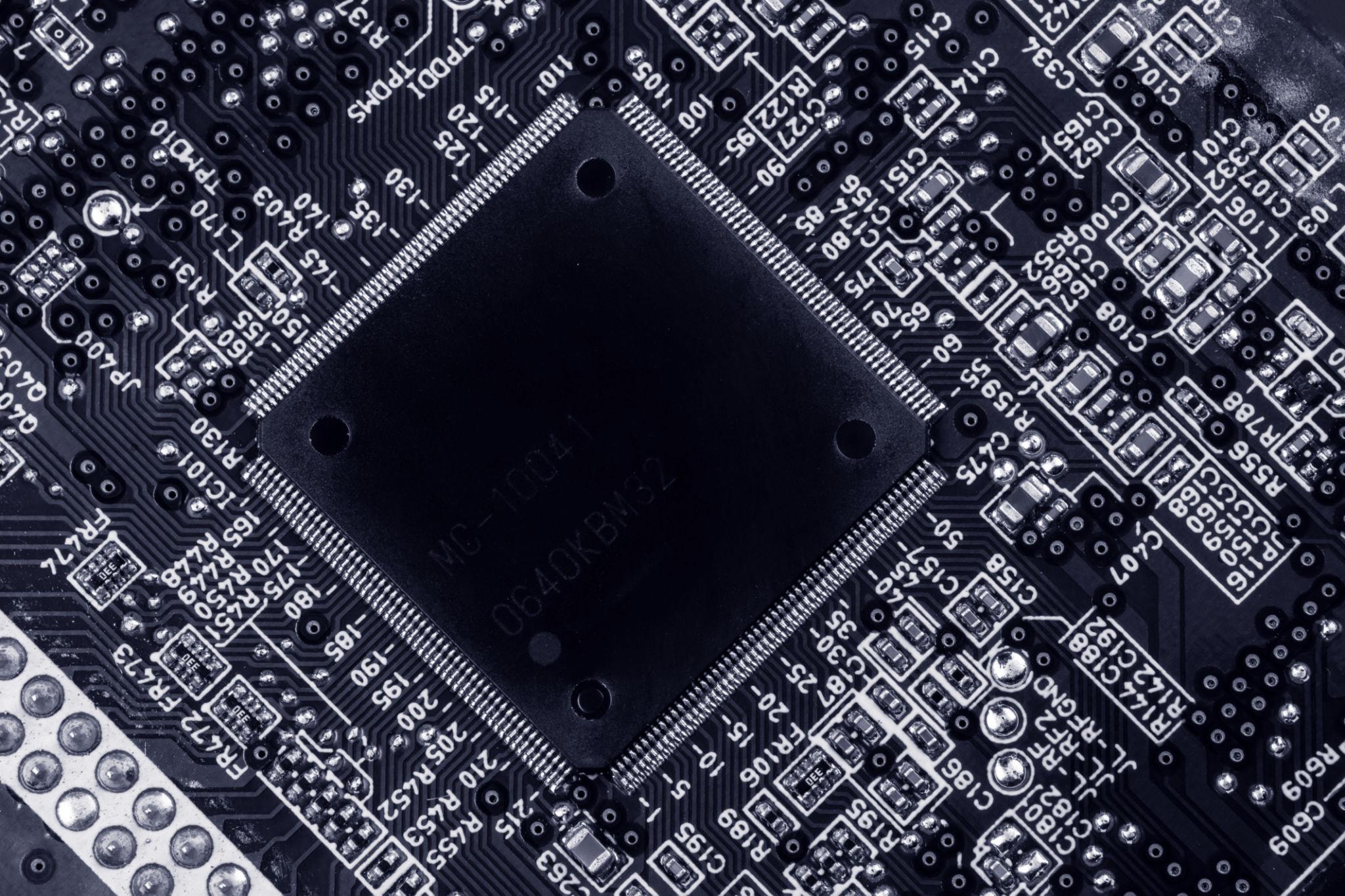
Artificial intelligence continues to reshape the semiconductor landscape. The increasing complexity of AI systems requires advanced chips capable of handling massive data workloads.
Chip foundry competition is being fueled by this demand, as companies compete to deliver cutting-edge solutions for:
- Machine learning applications
- Autonomous technologies
- Real-time data processing
- High-performance computing
An analyst explained:
“AI is not just a trend—it is the foundation of future semiconductor demand.”
Investment in Next-Generation Manufacturing
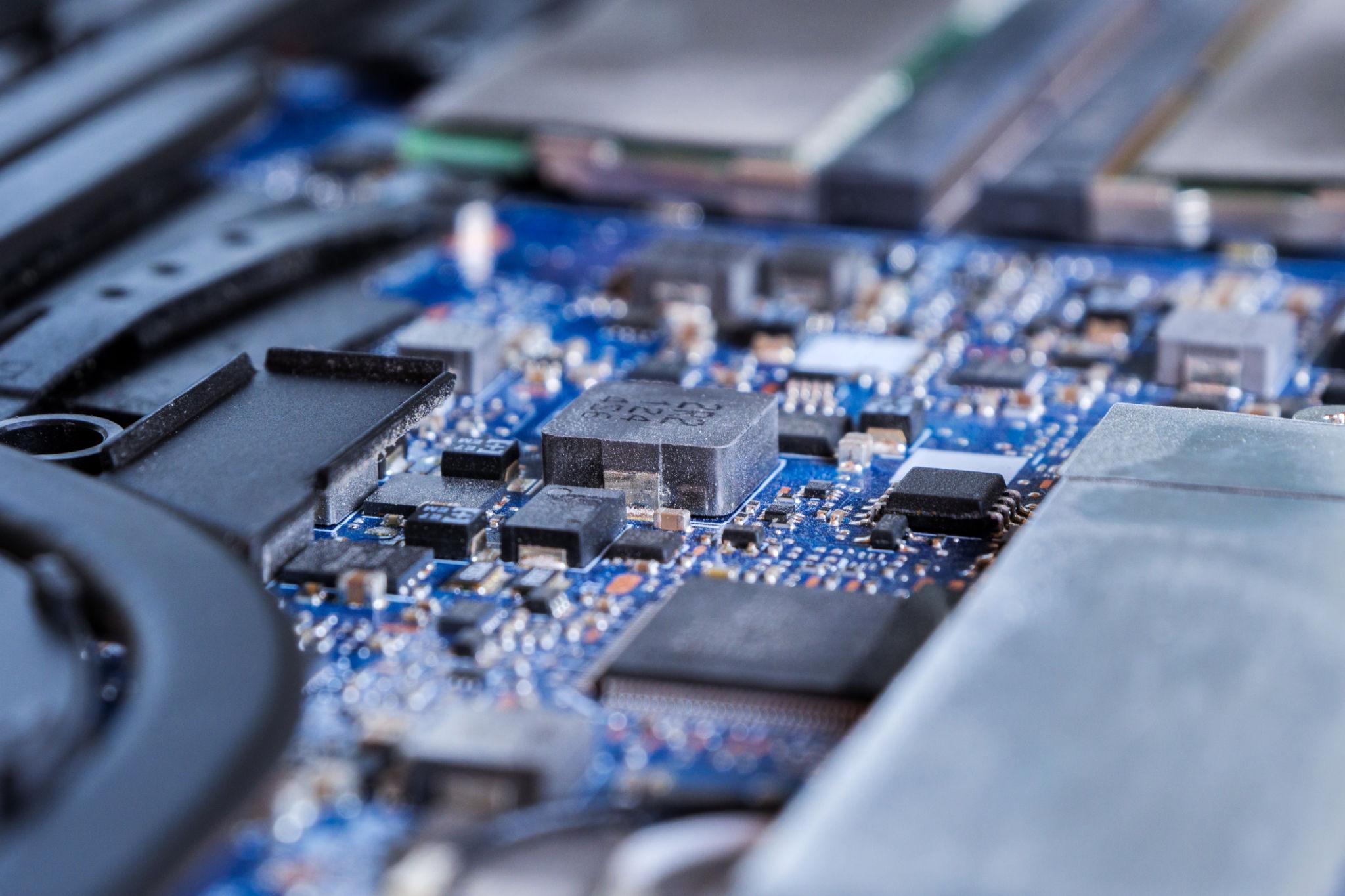
Samsung is making significant investments in advanced manufacturing technologies. These investments are designed to enhance production capabilities and maintain a competitive edge.
Key focus areas include:
- Advanced lithography processes
- Automation in chip production
- Yield optimization for complex designs
- Expansion of fabrication facilities
Chip foundry competition is driving these investments, as companies seek to stay ahead in a rapidly evolving market.
Supply Chain Stability Becomes a Strategic Priority
Recent disruptions in global supply chains have highlighted the importance of resilience in semiconductor manufacturing. Samsung is taking steps to strengthen its supply chain and ensure consistent production.
Key initiatives include:
- Diversifying suppliers
- Enhancing logistics networks
- Improving inventory management
- Building strategic partnerships
These measures are essential for maintaining customer trust and meeting global demand.
Competitive Pressure from Global Rivals
The semiconductor industry is highly competitive, with multiple players vying for market leadership. Samsung faces strong competition from other major foundries.
Chip foundry competition is intensifying as companies invest heavily in innovation and capacity expansion. The ability to deliver high-performance chips at scale will determine long-term success.
A market observer noted:
“This is no longer just about technology—it’s about global influence and economic power.”
Economic and Geopolitical Implications
The semiconductor industry has become a key component of global economic strategy. Governments are investing in domestic chip production to reduce reliance on foreign suppliers.
Chip foundry competition is shaping international relations and trade policies. Its impact extends to:
- National security
- Economic growth
- Technological independence
- Supply chain resilience
These factors underscore the strategic importance of semiconductor manufacturing.
History of Chip Foundry Competition
The origins of chip foundry competition can be traced back to the early days of semiconductor manufacturing. Over the decades, the industry has evolved through several key phases:
- 1970s–1980s: Rise of integrated circuits
- 1990s: Expansion of global manufacturing
- 2000s: Emergence of specialized foundries
- 2020s: AI-driven chip development
This historical evolution highlights how competition has consistently driven technological progress.
Risks and Challenges Ahead
Despite strong growth prospects, Samsung faces several challenges:
- High production costs for advanced chips
- Rapid technological changes
- Intense global competition
- Geopolitical uncertainties
Chip foundry competition adds complexity to these challenges, requiring strategic planning and execution.
Future Outlook: A Defining Year for the Industry
The semiconductor industry is expected to continue evolving rapidly. Samsung’s focus on advanced logic chips positions it to capitalize on emerging opportunities.
Chip foundry competition will play a central role in shaping:
- Technological innovation
- Market dynamics
- Global economic trends
- Industry leadership
2026 is shaping up to be a pivotal year for the global semiconductor sector.
What This Means for the Global Chip Market in 2026
Samsung Electronics is intensifying its push into advanced logic chips as global demand surges. With strong investments, AI-driven innovation, and a focus on customer growth, the company is positioning itself at the center of the semiconductor race. As competition heats up, 2026 could redefine global chip leadership.