
Schneider Electric beats forecasts as demand for smart infrastructure rises globally.
AI data centres and energy-efficient systems drive strong industry momentum.
Experts say 2026 could redefine infrastructure and energy innovation worldwide.
Brussels, Belgium, April 30, 2026 (Parliament Politics Magazine) Smart infrastructure growth is accelerating globally as Schneider Electric surpasses revenue expectations, driven by rising demand for AI-powered data centres and energy-efficient systems. The company’s latest performance reflects a broader transformation in how cities, industries, and enterprises are investing in digital infrastructure to support sustainability and technological innovation.
The expansion of intelligent systems, connected grids, and automated industrial solutions is reshaping global markets and positioning Schneider Electric at the forefront of this shift.
Smart Infrastructure Market 2026
- Global smart infrastructure market: Estimated $1 trillion+
- AI data centre expansion: Rapid global growth
- Energy efficiency demand: Increasing across industries
- Smart city investments: Rising worldwide
- Industrial automation adoption: Accelerating
This snapshot highlights how smart infrastructure growth is becoming a key driver of global economic and technological development.
Revenue Performance Signals Strong Demand
Schneider Electric’s recent financial results show revenue exceeding market expectations, reflecting robust demand for its solutions. The company’s performance underscores the importance of energy management and automation in today’s digital economy.
Smart infrastructure growth is contributing to:
- Increased enterprise investment in digital systems
- Expansion of energy-efficient solutions
- Growth in automation technologies
- Strong global client demand
A senior analyst stated:
“The convergence of digital and energy systems is driving unprecedented demand for smart infrastructure solutions.”
AI Data Centres Fuel Expansion
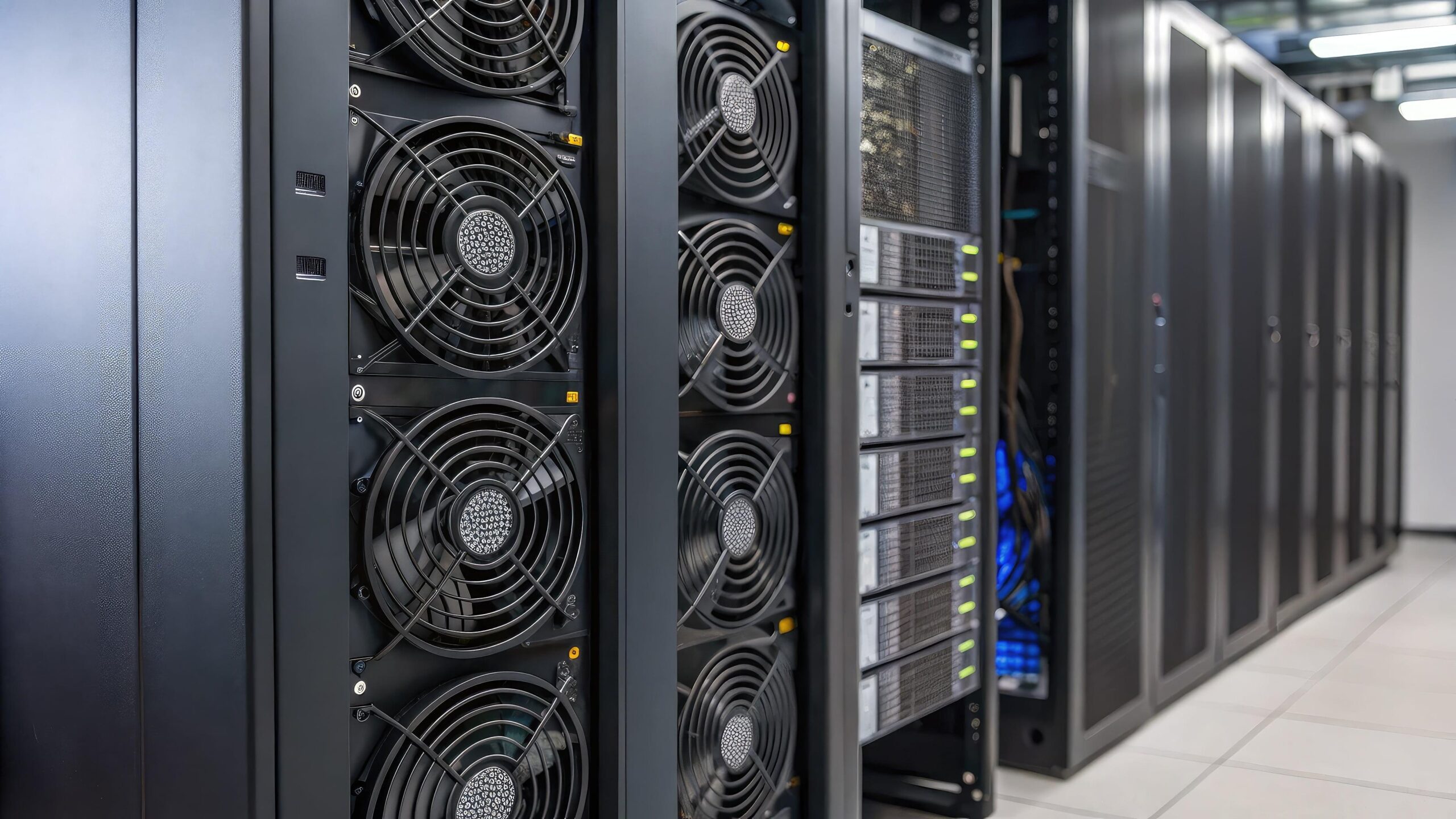
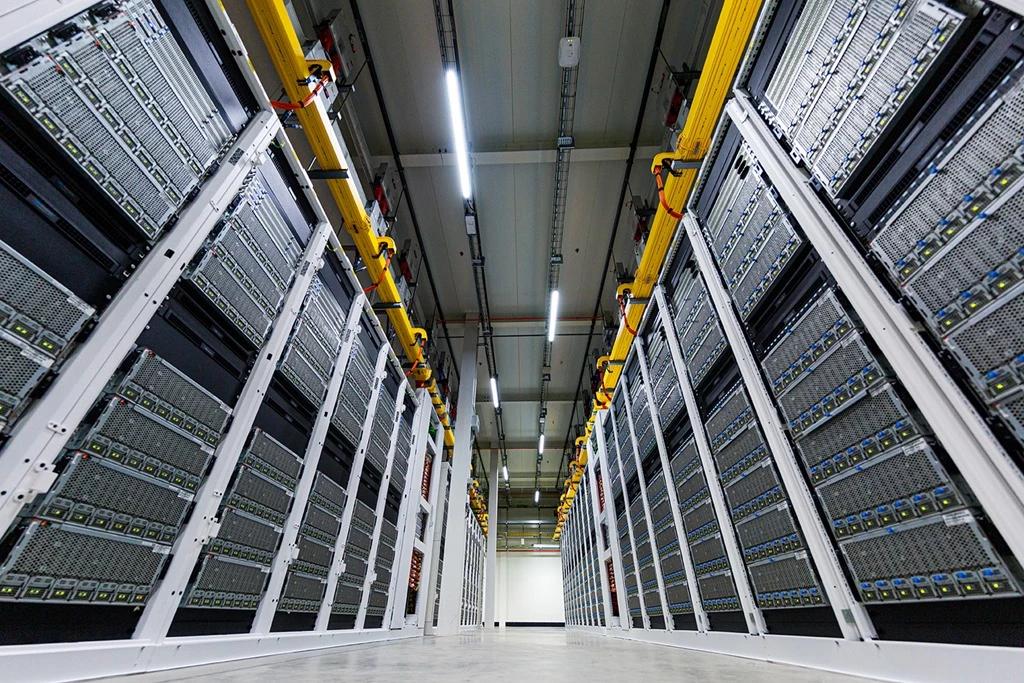
Artificial intelligence is transforming industries, and data centres are at the heart of this revolution. These facilities require advanced infrastructure to manage power, cooling, and performance.
Smart infrastructure growth is closely linked to:
- Power management systems for AI workloads
- Cooling technologies for high-density servers
- Scalable infrastructure solutions
- Integration of smart monitoring systems
An industry expert noted:
“AI-driven data centres are redefining the scale and complexity of infrastructure requirements.”
Energy Efficiency Becomes Critical
As infrastructure expands, energy efficiency is becoming a top priority. Companies are seeking solutions that reduce costs while minimizing environmental impact.
Smart infrastructure growth reflects:
- Adoption of renewable energy systems
- Development of smart grids
- Implementation of energy management platforms
- Focus on sustainability initiatives
A market observer commented:
“Energy efficiency is no longer optional—it is a core requirement for modern infrastructure.”
Global Investment in Digital Infrastructure
Governments and enterprises are investing heavily in digital infrastructure to support economic growth and innovation. This includes smart cities, connected systems, and advanced industrial technologies.
Smart infrastructure growth is driving:
- Expansion of smart city projects
- Development of connected transportation systems
- Growth in telecommunications infrastructure
- Increased enterprise IT spending
These investments are expected to continue shaping the global economy.
Competitive Landscape Intensifies
The smart infrastructure sector is becoming increasingly competitive as companies seek to capture market share. Innovation and technological advancement are key to maintaining a competitive edge.
Smart infrastructure growth is intensifying competition through:
- Increased research and development investments
- Strategic partnerships and collaborations
- Expansion into new markets
- Development of advanced technologies
The competitive environment is expected to remain dynamic.
History of Smart Infrastructure Evolution
The concept of smart infrastructure has evolved significantly over the past decades. Early systems focused on basic automation, while modern solutions integrate advanced digital technologies.
Key milestones include:
- Early automation systems in the 1980s
- Development of smart grids in the 2000s
- Expansion of IoT-based infrastructure in the 2010s
- Integration of AI and analytics in the 2020s
This evolution demonstrates how smart infrastructure growth has driven continuous innovation.
Risks and Challenges Ahead
Despite strong growth, the smart infrastructure market faces challenges. Companies must navigate a complex and rapidly changing environment.
Smart infrastructure growth could be impacted by:
- Economic uncertainty
- Regulatory changes
- Cybersecurity risks
- Supply chain disruptions
A senior analyst noted:
“Balancing innovation with security and compliance will be critical for sustained growth.”
Future Outlook for 2026 and Beyond
The outlook for smart infrastructure remains positive, with continued expansion expected across industries. Schneider Electric is well-positioned to benefit from these trends.
Smart infrastructure growth will shape:
- Technological innovation
- Market dynamics
- Global economic trends
- Industry leadership
The coming years are likely to see further advancements in connected systems and energy solutions.
What This Means for the Global Infrastructure Market in 2026
Schneider Electric’s performance highlights the importance of smart infrastructure in driving economic growth and technological progress. The continued demand for intelligent systems suggests strong future potential.
Smart infrastructure growth is expected to remain a central force shaping the global market.
Why Smart Infrastructure Is Driving Global Tech Expansion
Schneider Electric has exceeded revenue forecasts as smart infrastructure growth accelerates globally. Driven by AI data centres, energy efficiency, and digital transformation, the company is benefiting from strong demand across industries. As investment in smart systems continues, 2026 could mark a defining moment for global infrastructure innovation.