
Geopolitical tensions tied to Iran are creating new pressure across the global semiconductor market in 2026.
Taiwan chipmaker United Microelectronics Corporation warns of short-term headwinds while maintaining a stable demand outlook.
Despite rising energy costs and supply chain risks, the geopolitical risk chip industry remains resilient.
Taipei, April 29, 2026 (Parliament Politics Magazine) geopolitical risk chip industry concerns are intensifying in 2026 as global tensions linked to Iran and shifting trade dynamics begin to influence semiconductor production, pricing, and long-term investment strategies. According to industry leaders including United Microelectronics Corporation, the current geopolitical environment is creating near-term uncertainty, though underlying demand remains resilient across multiple sectors.
The semiconductor industry—often viewed as the backbone of modern technology—is now navigating one of its most complex environments in decades, where political conflict and economic demand intersect.
Global Chip Industry Under Geopolitical Pressure (2026)
- Primary Risk Driver: Middle East tensions involving Iran
- Industry Impact Level: Moderate (Short-Term), Stable (Long-Term)
- Energy Cost Trend: Rising due to oil market volatility
- Supply Chain Status: Disrupted but functional
- Demand Outlook: Resilient across automotive, AI, and telecom sectors
- Key Company Insight: United Microelectronics Corporation signals cautious optimism
- Investor Sentiment: Mixed with long-term confidence
- Global Production Risk: Elevated but manageable
- Technology Demand Drivers: AI expansion, EV growth, 5G rollout
- Market Direction: Volatile in short term, growth-driven long term
Global Semiconductor Markets React to Rising Conflict Risks
The geopolitical risk chip industry narrative is no longer theoretical. It is now directly affecting production cycles, capital investment decisions, and investor sentiment.
Markets are responding cautiously as:
- Oil prices fluctuate due to Middle East tensions
- Trade routes face potential disruption
- Supply chain security becomes a top priority
The ripple effect is being felt from Asia to North America, where semiconductor stocks have shown increased volatility.
“We are entering a period where geopolitics and technology are inseparable,”
said a senior market strategist.
Energy Volatility and Manufacturing Costs Surge
Energy remains one of the most critical components of semiconductor manufacturing. Fabrication plants require enormous amounts of electricity and water to operate efficiently.
With tensions involving Iran impacting oil markets, companies like United Microelectronics Corporation are facing higher operational costs.
Rising energy prices are contributing to:
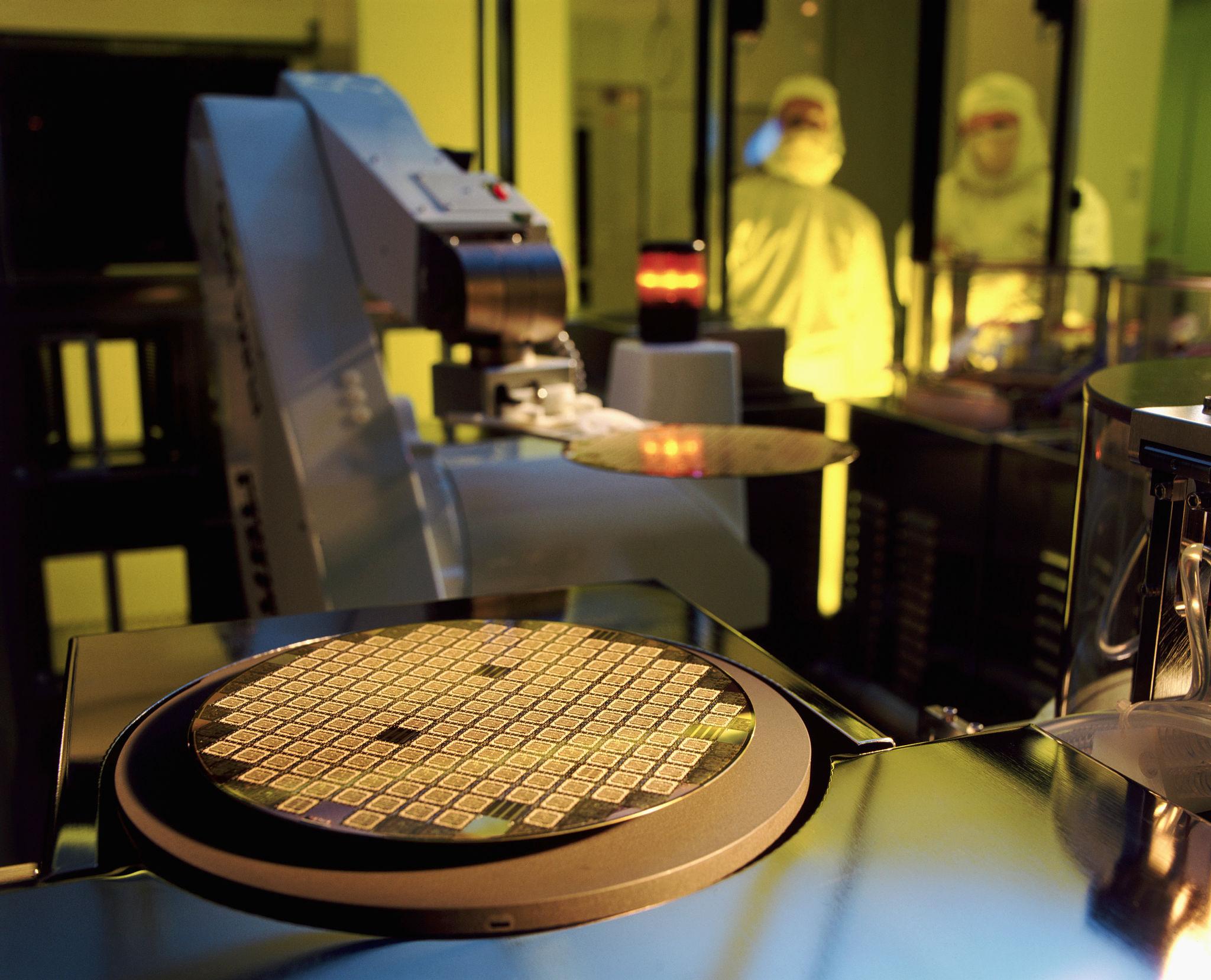
- Increased wafer production costs
- Higher transportation expenses
- Reduced margin flexibility
Despite these pressures, companies are working to absorb costs without passing them fully to customers.
Supply Chain Fragility Becomes a Strategic Concern
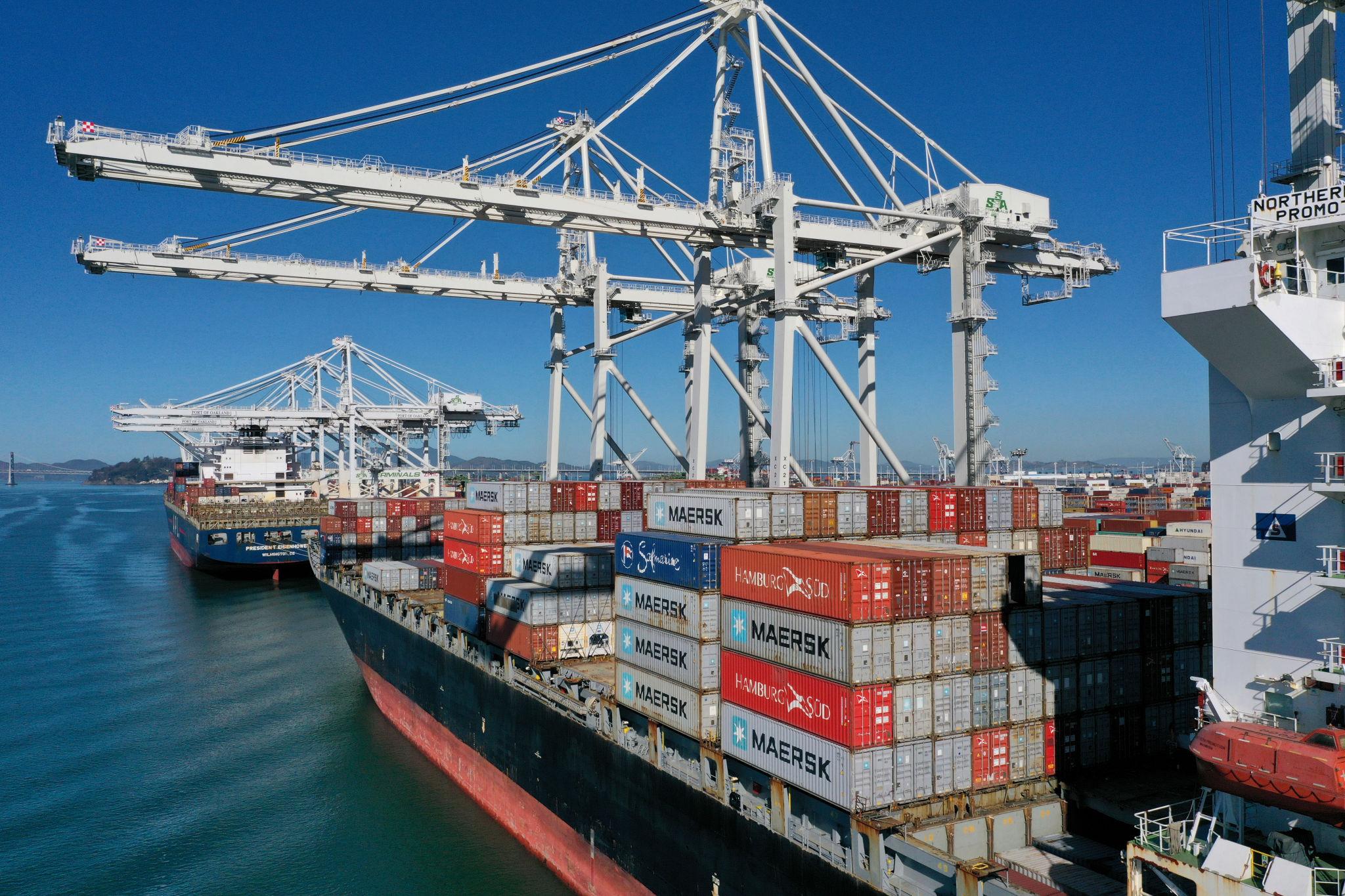
The geopolitical risk chip industry issue is also exposing weaknesses in global supply chains.
Semiconductor production depends on:
- Rare materials sourced globally
- Highly specialized equipment
- Just-in-time logistics systems
Any disruption—whether political or logistical—can create cascading delays across industries such as automotive, telecommunications, and consumer electronics.
Governments are now accelerating domestic chip production initiatives to reduce reliance on foreign suppliers.
Why Demand for Chips Remains Structurally Strong
Even as geopolitical tensions rise, demand fundamentals for semiconductors continue to hold steady.
Industrial and Automotive Demand
Modern vehicles rely on dozens of chips, from engine control systems to advanced safety features.
Artificial Intelligence Expansion
AI infrastructure is driving unprecedented demand for processing power and memory chips.
Telecommunications Growth
Global 5G deployment continues to expand, requiring consistent semiconductor supply.
Consumer Electronics Stability
Although growth has slowed, baseline demand remains solid across smartphones and devices.
“Demand isn’t disappearing—it’s evolving,”
noted a semiconductor analyst.
Taiwan’s Strategic Role in the Chip Industry
Taiwan remains central to the global semiconductor ecosystem. Companies like United Microelectronics Corporation play a critical role in maintaining supply for industries worldwide.
This strategic importance also places Taiwan at the center of geopolitical discussions, increasing both risk and influence.
The island’s semiconductor dominance means that any disruption—political or natural—could have global consequences.
Investor Sentiment Reflects Cautious Optimism
Financial markets are increasingly pricing in geopolitical risks while still recognizing long-term growth potential.
Key investor trends include:
- Diversification into multiple semiconductor segments
- Increased focus on supply chain resilience
- Preference for companies with stable demand profiles
The geopolitical risk chip industry factor is now a permanent consideration in investment strategies.
Strategic Shifts by Semiconductor Companies
In response to global uncertainty, semiconductor firms are adjusting their strategies.
Key actions include:
- Expanding regional manufacturing capabilities
- Strengthening partnerships with governments
- Increasing inventory buffers
Rather than pursuing aggressive expansion, companies are focusing on stability and resilience.
How Geopolitics Has Shaped the Chip Industry
The relationship between geopolitics and semiconductors is not new.
Historically:
- The Cold War influenced early technology development
- Trade disputes have impacted chip exports and imports
- Regional conflicts have disrupted supply chains
In recent years, tensions between major economies have further highlighted the strategic importance of semiconductors.
The geopolitical risk chip industry narrative has evolved from occasional disruption to a central industry concern.
Future Outlook: Balancing Risk and Growth
Looking ahead, the semiconductor industry is expected to remain resilient despite ongoing geopolitical challenges.
Key factors shaping the future include:
- Continued investment in domestic manufacturing
- Technological innovation driving new demand
- Strategic alliances between governments and companies
While risks remain, the long-term trajectory for semiconductor demand continues upward.
Key Takeaways for 2026
- Geopolitical tensions are increasing operational uncertainty
- Energy costs are directly impacting manufacturing margins
- Supply chain resilience is becoming a top priority
- Demand for semiconductors remains fundamentally strong
The geopolitical risk chip industry dynamic will continue to shape global markets in the years ahead.
UMC Signals Geopolitical Headwinds but Maintains Stable Demand Outlook
The geopolitical risk chip industry landscape in 2026 reveals a complex balance between uncertainty and resilience. While tensions involving Iran and global trade disruptions create short-term pressure, the underlying demand for semiconductors remains strong. Companies like United Microelectronics Corporation are adapting through strategic planning and operational discipline, ensuring stability in an increasingly unpredictable world.