
In the high-stakes theatre of international diplomacy, Prime Minister Keir Starmer has been playing a losing hand. After initially cosying up to the US President and rolling out the red carpet for a second state visit last year and basking in the title of “the Trump whisperer”, the relationship well and truly hit the rocks.
Disagreements on Chagos, Greenland, Ukraine and Iran led to frequent outbursts of very undiplomatic criticism from Washington, including the President saying that Sir Keir was “no Churchill”. Made worse by the scandal engulfing the Prime Minister over his decision to appoint Peter Mandelson to the prestigious role of US Ambassador.
With the Special Relationship teetering, this week has seen the Prime Minister play his “diplomatic mastercard,” deploying the soft power of the British monarchy to navigate the notoriously turbulent waters of a Trump-led White House.
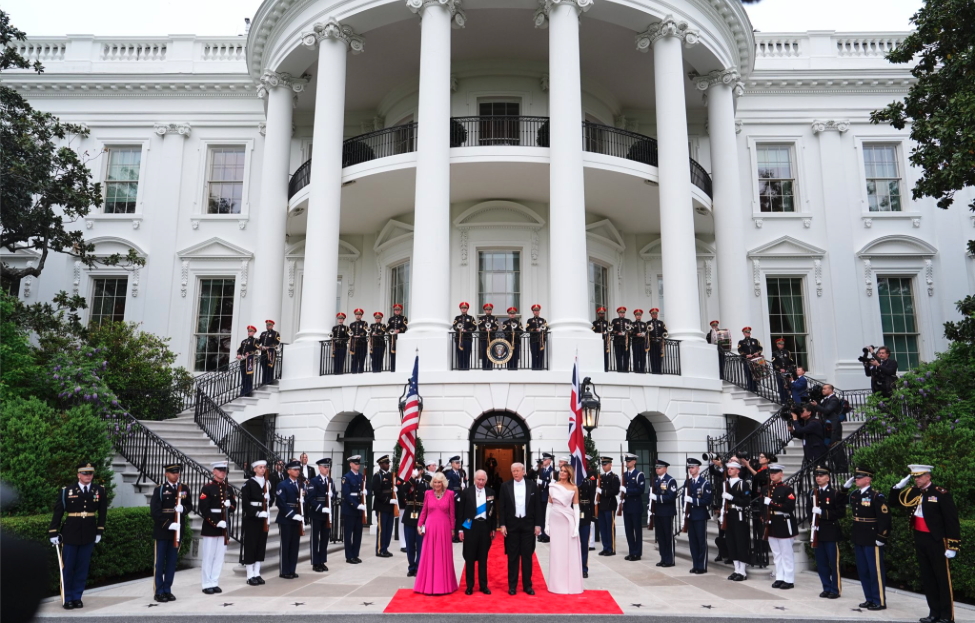
The state visit of King Charles III and Queen Camilla has appeared to be a major diplomatic coup, blending the stardust of royal prestige, the personal charm of the monarchs and pointed, yet polite, diplomacy.
The centrepiece of this diplomatic offensive was undoubtedly the King’s historic address to a joint session of Congress. To say the King was well-received would be an understatement, he secured multiple standing ovations from a chamber that is often deeply divided.
Commentators were quick to praise the speech’s unique blend of intellectual depth and emotive resonance, with Emily Maitlis describing the delivery as “Love Actually written by Plato.” It was a moment that transcended the usual political bickering of the “Capitol”, providing a unifying focal point that few elected politicians could ever hope to achieve.
Yet, beneath the soaring rhetoric and the palpable warmth of the reception, the King’s speech was far from a mere collection of platitudes. With a velvet glove, the monarch delivered a series of subtle diplomatic points that directly addressed the elephant in the room, the diverging paths of the Starmer government and the Trump administration.
He pointedly reminded his audience of the enduring importance of NATO, specifically invoking Article 5 and the solidarity shown by the UK following the 9/11 attacks. It was a gentle but firm reminder of the reciprocal nature of the alliance at a time when its future has been questioned in Washington.
The King also urged continued resolve in supporting Ukraine against Russian aggression and spoke passionately about the existential threat of climate change, two areas where the Starmer government has sought to maintain a clear distance from the White House’s current trajectory. Perhaps most significantly, the King used the history of the Magna Carta to deliver a masterclass in the “checks and balances” of power. In doing so, he subtly reinforced the importance of the rule of law and constitutional norms, providing a historical context that felt particularly resonant in the current political climate of the United States.
While the King handled the heavy lifting in the Capitol, Queen Camilla spearheaded a charm offensive of her own, one that focused on the “soft” in soft power. From literacy events alongside Sarah Jessica Parker to a whimsical donation to the Winnie-the-Pooh collection: replacing a “missing Roo”: the Queen’s itinerary was designed to appeal to the American public’s enduring fascination with the British lifestyle and culture. These moments of levity provided the perfect counterweight to the serious business of statecraft, humanising the monarchy and, by extension, the British government’s presence in the US.
The visit was not all speeches and photo opportunities, however. The sombre visit to the 9/11 Memorial served as a powerful reminder of the shared history and security ties that bind the two nations.
Standing at the site of the tragedy, the King and Queen reinforced a sense of unity that predates and will outlast any individual administration. This visit was crucial in bridging the gap between Downing Street and the White House, especially following recent months of tension.
Political analysts have been quick to note the success of this strategy. Sir Anthony Seldon described the trip as the most significant royal visit to the United States since 1939, when King George VI visited Franklin D. Roosevelt on the eve of the Second World War.
The “royal mojo” has successfully shifted the narrative from one of friction to one of fundamental, historic partnership. For No 10, the success of this visit is a major win. It has allowed the Prime Minister to start a reset for this vital economic, intelligence, and military relationship.
By deploying the King who used his diplomacy, great personal charm and personal warmth, the British government has managed to remind Washington of why the Special Relationship matters, and why it is worth preserving, regardless of who sits in the Oval Office or behind the desk in the Cabinet Room. As the dust settles on this Washington whirlwind, it is clear that the Crown remains the most potent tool in the British diplomatic arsenal.
Starmer successfully plays mastercard in reset for Special Relationship as King woos Trump

6 mins read
Latest from Number 10
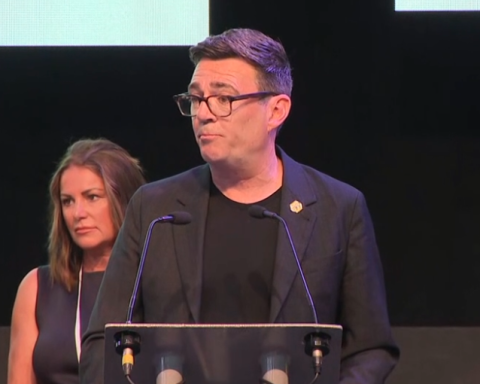
The Labour leadership battle took a decisive turn this morning as Darren Jones, the Chancellor of
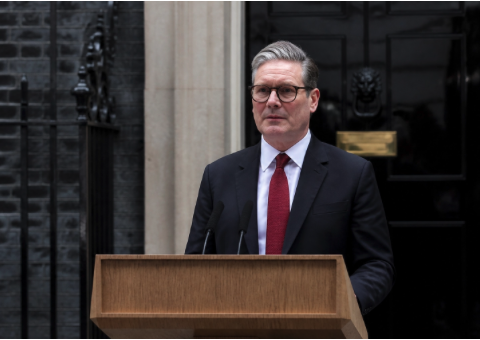
In a moment of profound political significance, a teary Sir Keir Starmer stood before the cameras
The stability of the Labour government has been dealt a severe blow following the dramatic resignation
The release of the second tranche of the “Mandelson files” yesterday has sent ripples through Westminster,
The atmosphere in Westminster this morning continues to be febrile. Following a set of local election