Every single day of 2024, somewhere in England or Wales, a mountain rescue team was called out. Not a single day passed without someone needing help on the hills. Behind those 3,784 call-outs were over 3,000 volunteers who gave more than 167,000 hours of their time, who received no Government funding whatsoever in return.
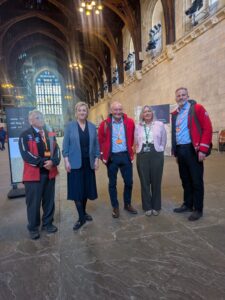
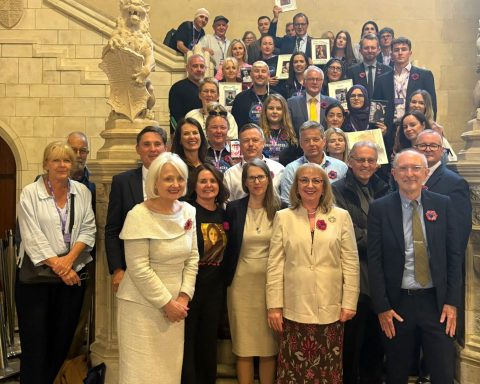
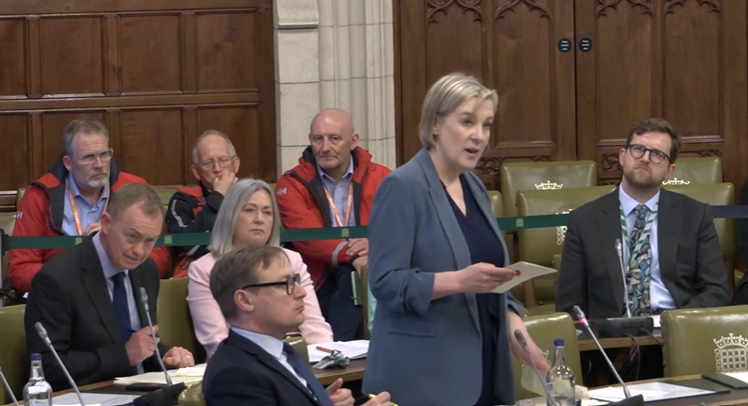
Last week, I led a Westminster Hall debate on Government support for mountain rescue. I did so because a member of the Kinder rescue team, one of the two teams covering my Hazel Grove constituency, where the peaks provide some of the best walking routes in existence, brought a problem directly to my attention. It deserves wider attention than it has so far received.
The immediate issue is a piece of regulation that threatens to cut off income these teams cannot afford to lose. Mountain rescue teams routinely provide medical cover at fell races, mountain bike events and other outdoor sporting events. They do not charge. But they receive donations, and those donations matter: nationally, teams raise over £200,000 a year through event cover. That money funds equipment, training and the operational costs that
make rescues possible.
The regulations stem from the Manchester Arena Inquiry, and the intent behind them was sound. Steps to regulate healthcare at sporting and cultural events should be welcomed. But the drafting has created consequences nobody appears to have thought through. Under the new rules, a team member with a Remote Rescue Medical Technician qualification, or even a doctor available by phone, is enough to trigger a CQC registration requirement.
The CQC says so itself. The medical director of Mountain Rescue England and Wales has concluded that the cost of compliance will exceed the donations teams receive for covering these events. His expectation is that most teams will stop going.
That will not make anyone safer. Without mountain rescue at these events, teams would still be called out when something goes wrong. They would just arrive later and less prepared. No commercial medical company covers remote terrain the way these teams do. They know the ground. They are there because they are the right people. Removing them from events in advance and then calling them out afterwards is not a solution, it is legislative overreach with serious consequences for patient outcomes. The CQC have said that they will be meeting mountain rescue teams following the debate we held to discuss these issues.
The losses go beyond money. Local events are where teams recruit new volunteers, build relationships with the walking community, and promote safe practice on the hills. Regulations that drive them away do not just cost income. They cost connections that take years to build.
When this was raised in a delegated legislation committee, the Health Minister said he did not want small events over-regulated or volunteers overburdened, and committed to looking into it. I welcome that. But an intention to look into something is not the same as fixing it. Mountain Rescue England and Wales has formally requested an exemption for rescue cover. It has not yet received an answer. That answer is overdue.
This sits within a wider picture that should trouble all of us. The sheer scale of these operations is remarkable. Teams don’t just rescue climbers and lost walkers, they provide first aid, support ambulance trusts in major incidents, assist in flood responses, and help police search for missing people on and off the hills.
Mountain rescue teams in England and Wales receive no direct Government funding at all. Scotland provides £300,000 a year shared between 27 teams, a grant introduced in 2003 under a Scottish Liberal Democrat-Labour coalition. It can be done. It has been done. What is missing here is not the mechanism, but the will.
Search and rescue volunteers should have the same employment status as army reservists and special constables, with paid leave for training and recompense for lost earnings on call-outs. Crown Indemnity insurance. A VAT exemption on vehicles. A dedicated minister who actually engages with these organisations. None of this is radical, and all of it is overdue.
Mountain rescue teams are a vital part of our emergency infrastructure, and we should all want them to thrive, not have their ability to do so held back by legislative overreach.