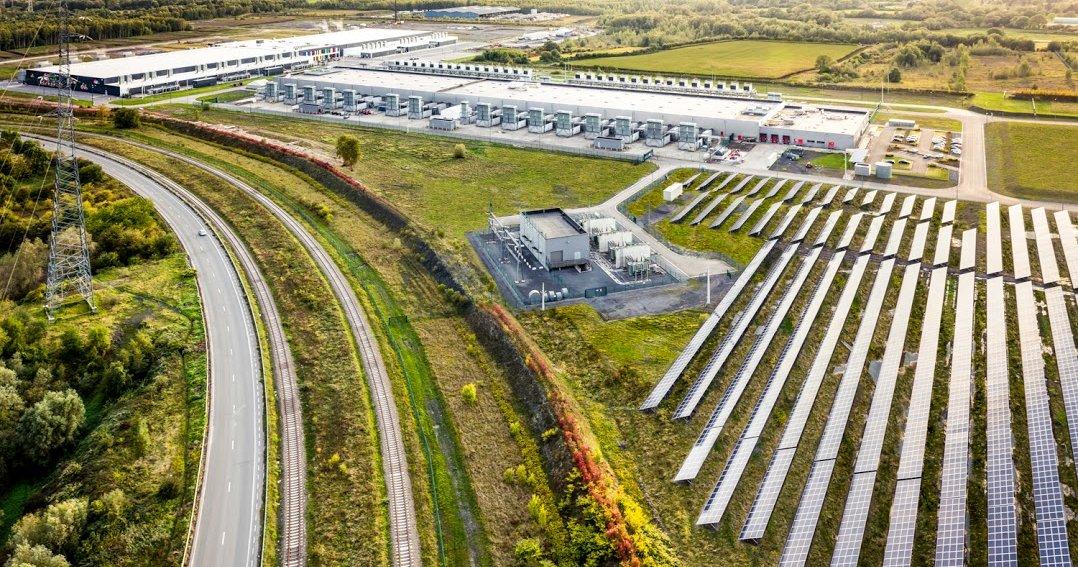
BRUSSELS, Belgium (Parliament Politics Magazine) AI data center expansion continues accelerating across Europe as technology companies, semiconductor manufacturers, and cloud computing providers increase investments in artificial intelligence infrastructure during 2026. Governments and private investors are racing to strengthen digital computing capacity as demand for AI-powered applications reaches historic levels across global markets.
Technology analysts say artificial intelligence is now reshaping infrastructure priorities worldwide. Advanced AI systems require enormous computing power, energy-efficient processors, high-speed networking systems, and sophisticated cloud storage capabilities. As a result, corporations throughout Europe and North America are investing billions into next-generation facilities designed specifically to support artificial intelligence operations.
“Artificial intelligence is creating one of the most important technology investment cycles in modern history,”
one European market strategist said.
“Infrastructure development is becoming just as important as software innovation itself.”
Technology Companies Accelerate Infrastructure Investments
Major technology firms continue expanding AI computing operations as competition intensifies across international markets. Cloud computing providers are building larger facilities capable of supporting machine learning systems, generative AI applications, industrial automation platforms, and cybersecurity operations.
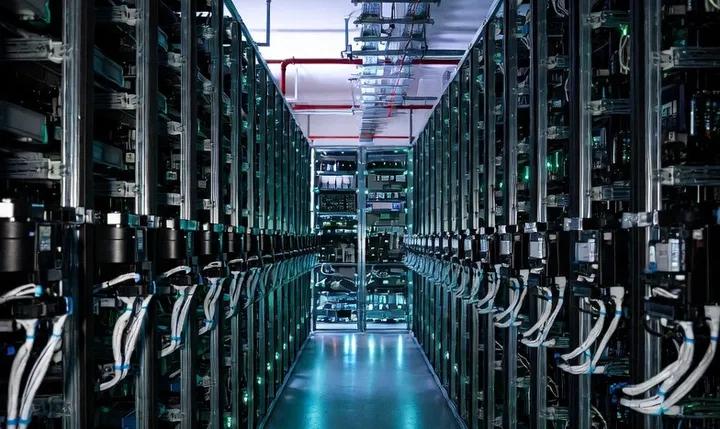
These advanced facilities contain thousands of processors operating simultaneously to process complex digital workloads in real time. Industry analysts believe AI data center expansion may become one of the most significant investment trends of the decade.
The rapid pace of infrastructure construction is also increasing demand for semiconductors, networking systems, cooling technologies, and power management solutions used inside modern AI computing facilities.
Investors are closely monitoring technology companies connected to artificial intelligence infrastructure because AI-related growth continues supporting strong market expectations despite broader economic uncertainty.
European Governments Push for Digital Independence
European governments are increasingly focused on strengthening regional technology infrastructure amid concerns about dependence on foreign semiconductor suppliers and cloud computing providers.
Several countries across the European Union are now offering financial incentives and strategic partnerships designed to encourage AI infrastructure investment. Germany, France, Belgium, and the Netherlands are becoming important destinations for large-scale digital infrastructure projects because of strong connectivity networks and highly skilled labor markets.
European policymakers believe stronger artificial intelligence infrastructure could improve long-term economic competitiveness while supporting innovation in healthcare, transportation, manufacturing, financial services, and energy systems.
The push for digital independence also follows years of semiconductor shortages and supply chain disruptions that exposed vulnerabilities across global technology markets.
Energy Consumption Becomes a Critical Industry Issue
One of the biggest challenges surrounding AI infrastructure growth involves electricity consumption.
Modern AI systems require enormous amounts of energy to operate processors, cooling systems, networking equipment, and cloud infrastructure. As construction activity increases worldwide, governments and energy providers are attempting to ensure electrical grids can support rising demand.
Several major technology companies are investing directly in renewable energy partnerships to reduce environmental impact while improving long-term sustainability.
Industry experts believe energy efficiency will become one of the defining issues shaping the future of artificial intelligence infrastructure. AI data center expansion is now directly influencing energy policy discussions throughout Europe and North America.
“AI systems are generating extraordinary economic opportunities, but sustainability planning will become increasingly important,”
one energy analyst said.
Renewable energy projects, battery storage systems, advanced cooling technologies, and nuclear energy discussions are all receiving greater attention as technology companies attempt to balance rapid growth with environmental concerns.
Semiconductor Manufacturers Benefit From Rising Demand
The semiconductor industry remains one of the largest beneficiaries of accelerating artificial intelligence investment.
Advanced AI systems depend heavily on high-performance semiconductors capable of processing massive amounts of information at high speed. Companies involved in graphics processors, networking chips, memory systems, and power management technologies continue seeing strong investor interest during 2026.
European semiconductor manufacturers are also attempting to strengthen their role within the global artificial intelligence economy by expanding research and manufacturing operations.
Many analysts believe semiconductor demand connected to AI data center expansion could remain strong for years as industries continue integrating intelligent systems into daily business operations.
History of AI Infrastructure Development
The global data center industry has evolved dramatically over the past two decades. Early facilities were primarily designed for internet services and basic corporate data storage. However, the rise of cloud computing, digital commerce, streaming platforms, and mobile technologies significantly increased infrastructure requirements worldwide.
Artificial intelligence has now transformed the industry once again.
Modern AI systems require far greater computing capacity than traditional internet infrastructure, creating demand for larger facilities equipped with advanced processors and sophisticated cooling systems.
Industry analysts believe this transformation may continue reshaping global technology markets throughout the remainder of the decade as AI adoption accelerates across multiple industries.
Financial Markets Closely Watch AI Investment Trends
Financial markets continue responding positively to announcements involving artificial intelligence infrastructure spending. Technology stocks connected to semiconductors, cloud computing, networking systems, and industrial automation remain among the strongest-performing sectors globally.
Investors are attempting to identify which companies may emerge as long-term leaders within the expanding AI economy.
However, analysts also warn that technology markets remain vulnerable to geopolitical tensions, economic slowdowns, trade disputes, and supply chain disruptions.
Despite these concerns, many investors believe AI data center expansion will remain one of the world’s most important long-term growth opportunities.
Cloud Computing Expansion Continues Supporting AI Growth
Cloud computing remains one of the strongest drivers behind artificial intelligence infrastructure investment.
Businesses across multiple industries are increasingly shifting operations toward cloud-based platforms capable of supporting remote work, digital commerce, cybersecurity systems, financial analytics, and machine learning applications.
This transformation continues creating sustained demand for large-scale infrastructure capable of processing enormous quantities of information in real time.
Technology executives believe cloud computing and artificial intelligence will remain deeply interconnected for years ahead as companies modernize digital operations.