
WASHINGTON, D.C. (Parliament Politics Magazine) Microsoft AI power demand has become one of the most closely watched issues in the global technology sector after rising artificial intelligence expansion significantly increased electricity consumption across cloud computing infrastructure and data center operations worldwide.
The rapid growth of AI-powered systems, enterprise automation tools, machine learning platforms, and cloud services is now reshaping global energy forecasts as major technology companies race to expand computing capacity in response to unprecedented demand for artificial intelligence technologies.
Industry analysts say the explosive rise of generative AI applications and enterprise AI integration has created enormous pressure on power grids, renewable energy projects, and long-term sustainability goals throughout the technology industry.
The growing concerns surrounding energy usage reflect a broader transformation occurring across digital economies as AI infrastructure increasingly becomes one of the largest consumers of electricity within the global corporate sector.
Investors are also monitoring how rising energy costs could affect profitability, operational strategies, and long-term infrastructure planning for major technology companies during the remainder of 2026.
“Artificial intelligence is rapidly becoming both an economic revolution and an energy revolution,”
one global technology strategist said following recent industry discussions.
Artificial Intelligence Expansion Accelerates Electricity Usage
The rapid expansion of artificial intelligence systems has dramatically increased global demand for computing power. Advanced AI models require enormous processing capacity for training, inference operations, analytics, automation, and real-time cloud computing services.
Unlike traditional software applications, modern AI systems depend on high-performance graphics processors and large-scale server clusters operating continuously across global data center networks.
Industry experts say the computational intensity required to train advanced AI models consumes significantly more electricity than standard enterprise cloud applications.
As businesses increasingly integrate AI-powered tools into finance, healthcare, manufacturing, logistics, defense, cybersecurity, education, and consumer technology platforms, electricity demand linked to artificial intelligence continues rising sharply.
Many analysts believe global AI-related energy consumption could multiply substantially over the next decade as enterprise adoption accelerates across nearly every major industry.
Data Center Expansion Reshapes Global Infrastructure
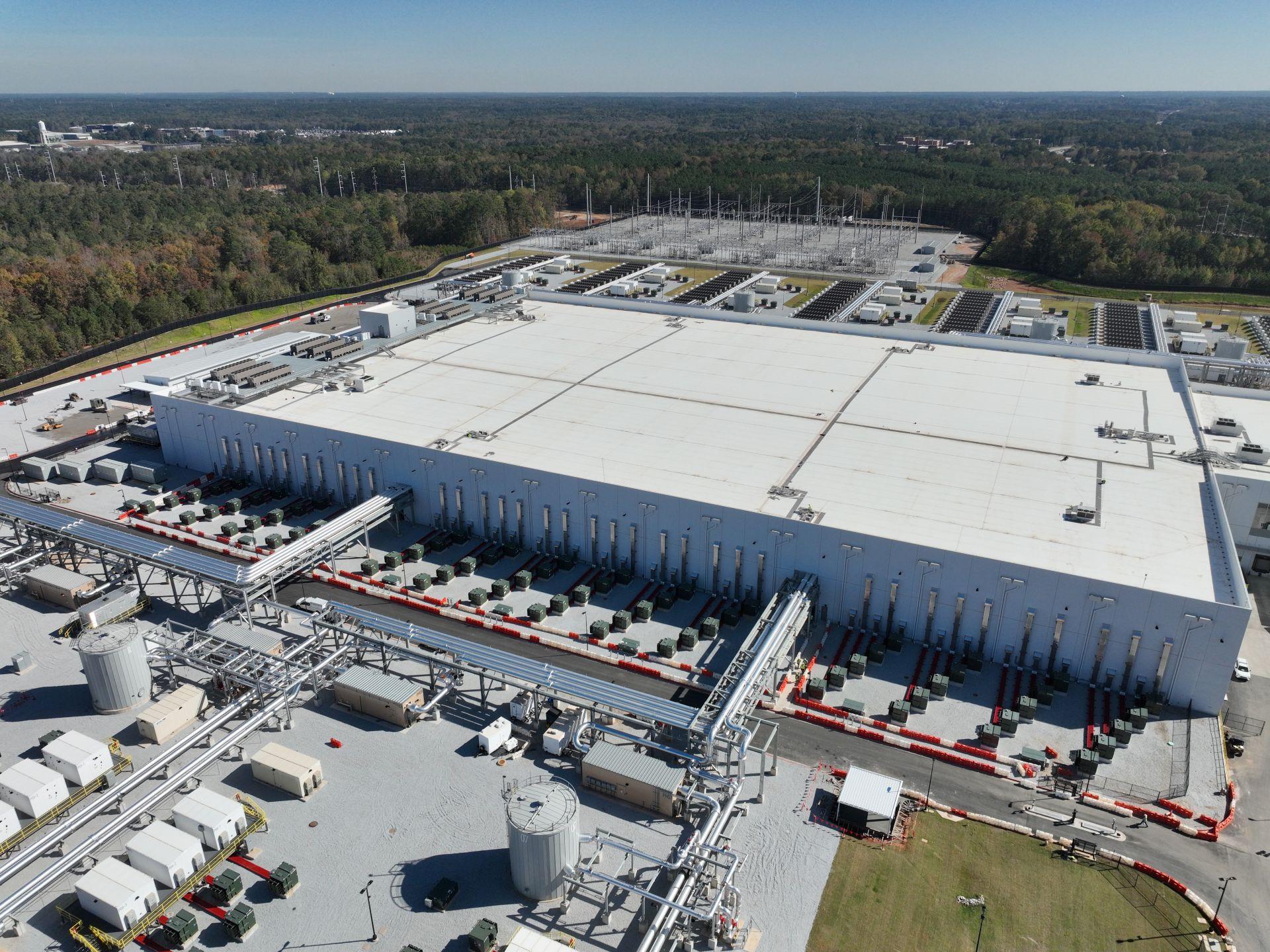
Technology companies are rapidly building new data centers to support growing AI workloads and cloud computing demand.
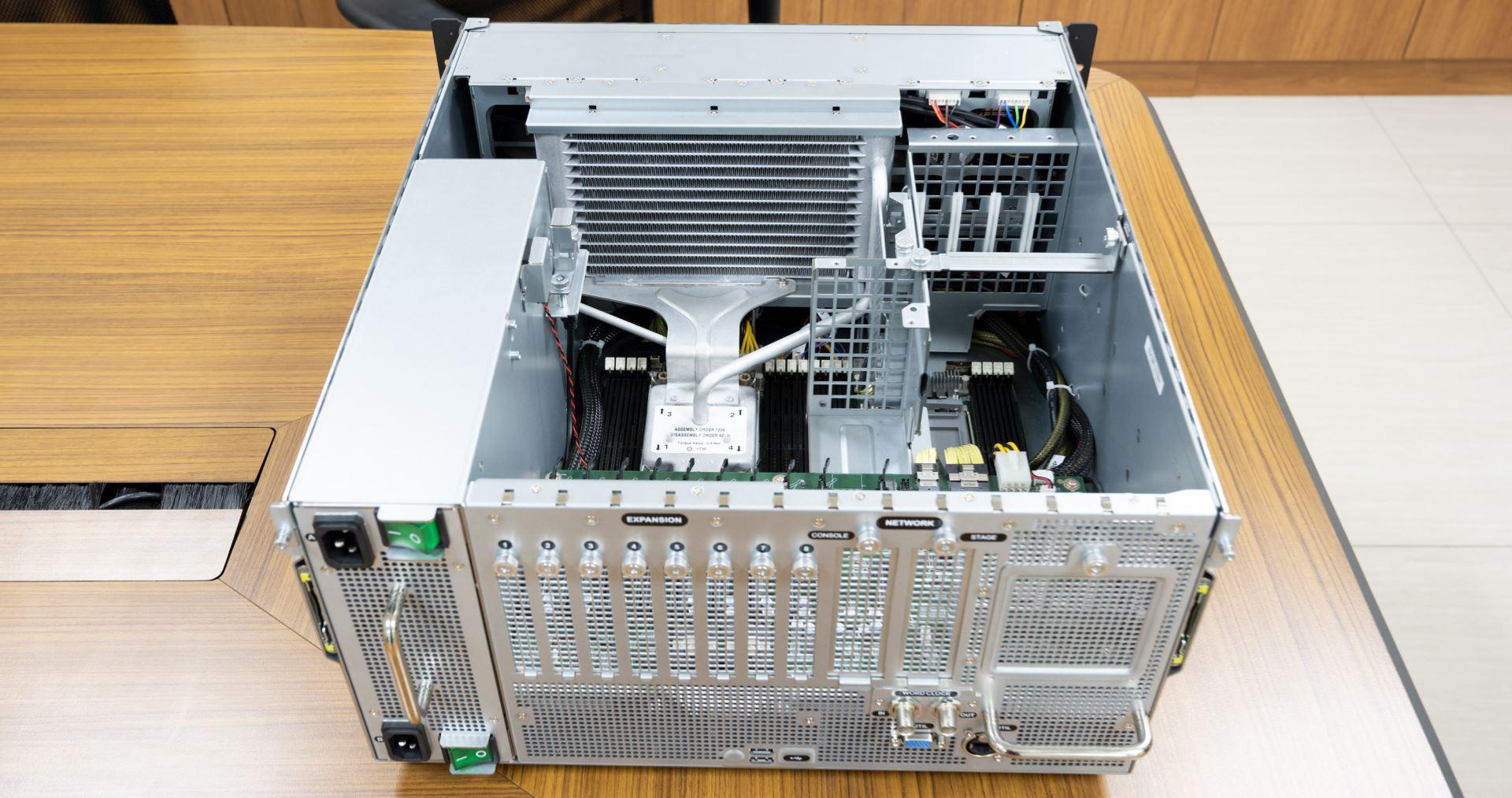
Modern AI-focused facilities require massive server infrastructure, advanced cooling systems, high-capacity networking equipment, and uninterrupted power availability capable of supporting large-scale computational operations.
The growth of hyperscale data centers has become one of the defining infrastructure trends of 2026 as corporations compete aggressively for leadership within the artificial intelligence market.
Industry observers note that AI infrastructure projects now involve billions of dollars in investments across hardware, semiconductor manufacturing, networking systems, cooling technologies, and energy partnerships.
The rapid pace of expansion has also increased concerns about long-term electricity availability in regions experiencing heavy technology infrastructure development.
Several energy analysts warned that power grid modernization may struggle to keep pace with AI-related electricity demand if growth continues accelerating at current levels.
Renewable Energy Systems Face New Pressure
The technology industry has become one of the world’s largest corporate buyers of renewable energy. Companies continue investing heavily in solar, wind, hydroelectric, battery storage, and nuclear energy partnerships to support sustainability commitments while powering expanding operations.
However, Microsoft AI power demand is highlighting new challenges surrounding the balance between environmental goals and AI infrastructure growth.
Environmental groups and energy economists increasingly question whether renewable energy expansion can scale rapidly enough to meet surging AI electricity requirements without increasing dependence on fossil fuel generation.
Technology firms may need to significantly increase investments in energy infrastructure projects to maintain climate goals while continuing AI expansion initiatives.
Some analysts believe future AI growth could accelerate investment in next-generation nuclear energy systems and advanced battery storage technologies designed to stabilize renewable power supplies.
“The future success of AI may depend as much on energy availability as software innovation,”
an energy market economist said this week.
Energy Costs Become a Strategic Concern
Rising electricity demand is increasing operational costs for data center operators and cloud infrastructure providers.
Energy availability and pricing are becoming increasingly important strategic factors influencing where companies build future AI infrastructure facilities.
Some regions with abundant renewable energy resources may become major hubs for AI data center expansion due to lower long-term operating costs and improved sustainability positioning.
Analysts also noted that electricity costs could eventually influence AI service pricing and enterprise adoption rates if infrastructure expenses continue rising rapidly.
Technology firms are now exploring advanced cooling systems, energy-efficient processors, AI-optimized hardware architectures, and alternative energy partnerships to reduce operational expenses.
Investors increasingly view energy management capabilities as a critical factor influencing future AI industry profitability.
Semiconductor Demand Continues Rising
The rapid expansion of artificial intelligence has also accelerated global demand for advanced semiconductors capable of supporting machine learning workloads.
Graphics processing units, AI accelerators, memory chips, and networking processors have become essential components of modern AI infrastructure systems.
Semiconductor manufacturers are investing billions into production capacity expansion to meet growing demand from cloud providers and enterprise technology firms.
The race to secure advanced chips has intensified global competition across technology supply chains and manufacturing sectors.
Industry experts believe semiconductor shortages or supply chain disruptions could significantly impact future AI infrastructure deployment timelines.
The connection between semiconductor availability and Microsoft AI power demand highlights how deeply integrated energy, hardware, and AI technologies have become within the modern digital economy.
Governments Monitor Energy Infrastructure Challenges
Governments worldwide are increasingly monitoring how AI growth could affect national energy systems and infrastructure planning.
Some policymakers are exploring incentives designed to encourage renewable energy expansion, smart grid modernization, and advanced energy storage development capable of supporting future AI infrastructure growth.
National security officials are also examining the strategic importance of stable electricity supplies as AI technologies become more integrated into defense systems, communications infrastructure, and economic operations.
Several countries are competing aggressively to attract AI-related investments while ensuring sufficient power generation capacity for long-term technology sector expansion.
The growing importance of AI infrastructure has transformed energy policy discussions into critical economic and technological strategy debates.
History of Technology Industry Energy Consumption
The technology sector’s relationship with energy consumption has evolved dramatically over the past several decades.
Early computing systems consumed relatively modest amounts of electricity compared to modern AI infrastructure. However, the rise of cloud computing, streaming services, digital communications, and large-scale data storage steadily increased energy demand throughout the 2000s and 2010s.
The emergence of artificial intelligence during the 2020s accelerated this trend significantly.
AI systems require far greater computational intensity than earlier digital services because advanced machine learning models process enormous datasets continuously using high-performance hardware.
Data centers that once primarily supported web hosting and standard enterprise applications are now evolving into massive AI processing facilities requiring unprecedented electricity capacity.
Industry historians note that no previous technology transformation has increased corporate computing energy demand as rapidly as artificial intelligence expansion.
Artificial Intelligence Competition Intensifies Worldwide
Global AI competition continues accelerating as corporations and governments race to secure leadership positions within the next generation of digital technologies.
Massive investments in cloud infrastructure, semiconductor production, AI research, and enterprise automation systems are reshaping global economic priorities.
Technology firms increasingly view artificial intelligence as one of the most important long-term growth opportunities of the modern era.
The enormous financial potential associated with AI services continues driving infrastructure expansion despite rising operational and energy-related challenges.
Analysts expect competition surrounding AI computing capacity, energy resources, and semiconductor supply chains to intensify further during the remainder of the decade.
“Artificial intelligence is becoming the foundation of the next global economic transformation,”
one industry strategist said during a recent technology conference.
Microsoft AI Power Demand Reshapes the Future of Technology
Microsoft AI power demand has emerged as a defining issue within the global technology sector as artificial intelligence expansion dramatically increases electricity consumption across cloud infrastructure and data center operations.
The rapid growth of AI systems is forcing technology companies, governments, investors, and environmental organizations to reconsider long-term infrastructure planning, sustainability goals, and energy investment strategies.
As AI adoption accelerates worldwide, energy availability may become one of the most important competitive factors shaping the future of cloud computing and enterprise technology markets.
The intersection of artificial intelligence, renewable energy, infrastructure modernization, and global power demand is likely to remain one of the most closely watched economic and technological developments throughout 2026 and beyond.