Germany’s banking sector is facing weaker loan demand as businesses remain cautious about economic conditions.
The Bundesbank warned that slowing growth and higher borrowing costs continue affecting lending activity.
Investors are closely monitoring how the German economy slowdown could impact Europe’s financial sector.
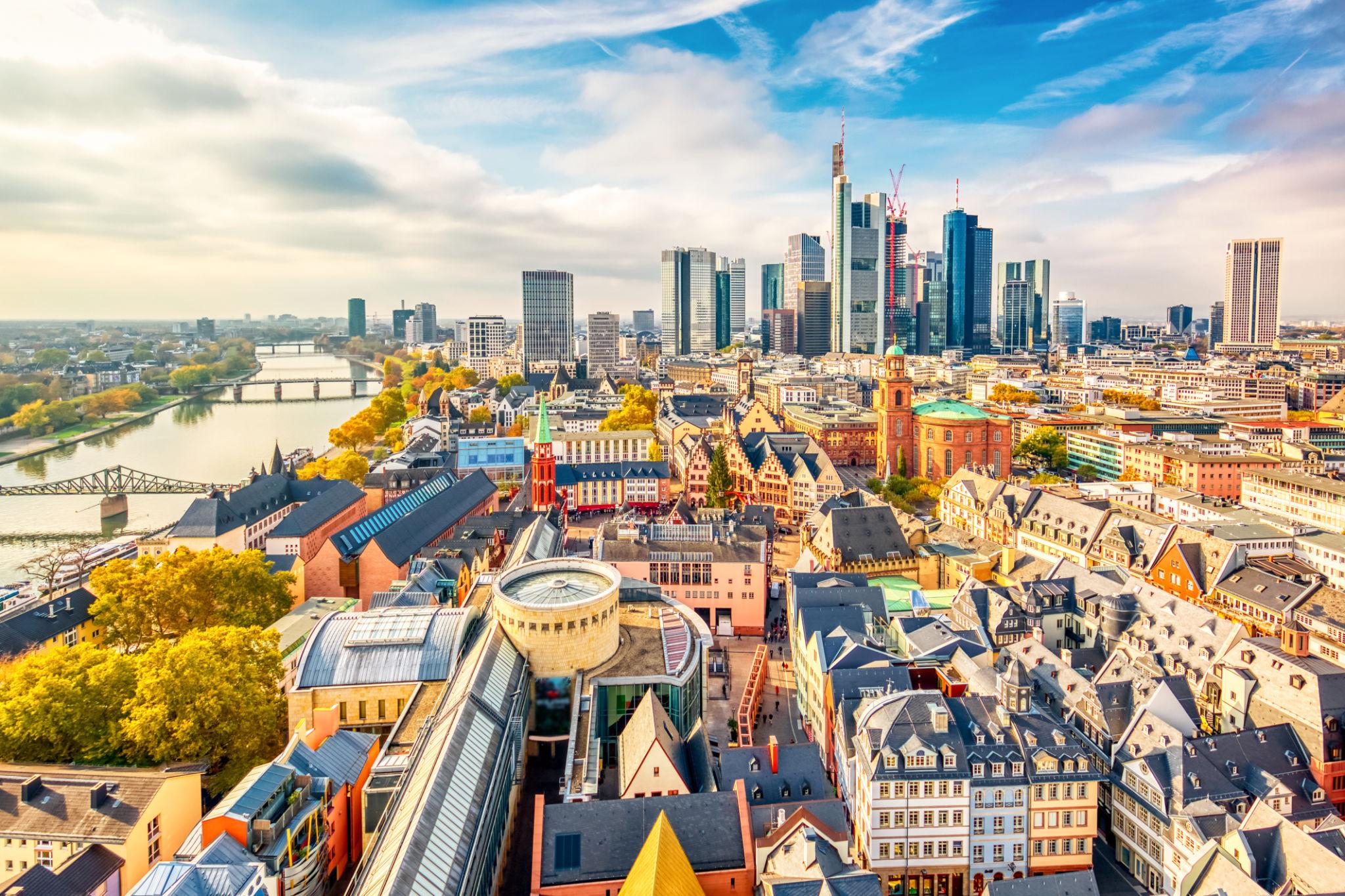
FRANKFURT, Germany (Parliament Politics Magazine) German economy slowdown concerns intensified Thursday after the Bundesbank indicated that major financial institutions remain well-capitalized but continue struggling to identify enough strong borrowers amid cautious business sentiment and weaker lending activity.
Germany’s banking sector entered 2026 with relatively healthy capital reserves, but financial institutions are increasingly facing slower demand for loans as businesses and consumers reduce borrowing activity during uncertain economic conditions.
The Bundesbank warned that elevated financing costs, weaker industrial growth, and geopolitical uncertainty are all contributing to reduced investment appetite across Europe’s largest economy.
Analysts said the current German economy slowdown reflects broader structural challenges affecting manufacturing, exports, industrial production, and consumer confidence throughout the eurozone.
Several financial experts now believe the pace of economic recovery may remain weaker than previously expected if borrowing demand does not improve later this year.
German Economy Slowdown Data Snapshot – Frankfurt 2026
Location: Frankfurt, Germany
Date: May 7, 2026
Institution: Bundesbank
Focus Keyword: German economy slowdown
Main Issue: Weak lending demand
Sector Affected: Banking and finance
Key Concern: Limited high-quality borrowers
Economic Outlook: Cautious business investment
Lending Demand Weakens Across Germany
Banks throughout Germany continue reporting slower growth in corporate and consumer lending compared to previous years.
Businesses are increasingly postponing expansion plans because of uncertainty surrounding energy prices, export demand, and global market stability.
Consumers are also reducing borrowing activity as higher interest rates continue affecting mortgages, business financing, and household spending decisions.
The weakening credit environment has become a growing concern for financial institutions because lending remains one of the primary profit drivers within the banking sector.
One Frankfurt-based economist described the current market environment as unusually cautious despite stable banking conditions.
“Businesses remain hesitant to take on new debt because economic visibility is still limited across several key industries,”
the economist said.
The statement reflects broader concerns surrounding the ongoing German economy slowdown and its impact on future growth expectations.
Bundesbank Warns About Borrower Quality
German regulators are also becoming increasingly cautious about credit quality as economic conditions remain uncertain.
The Bundesbank indicated that banks must continue maintaining strict lending standards despite pressure to increase credit activity.
Financial institutions are reportedly focusing more heavily on lower-risk borrowers while remaining cautious about companies operating in vulnerable sectors.
Industries including manufacturing, logistics, industrial exports, and energy-intensive businesses continue facing difficult market conditions linked to slower global demand and rising operational costs.
Analysts said the German economy slowdown is forcing banks to carefully balance profitability with long-term financial stability.
While banks currently maintain solid capital positions, regulators remain concerned about potential future risks if economic weakness persists.
Manufacturing Sector Continues Facing Pressure
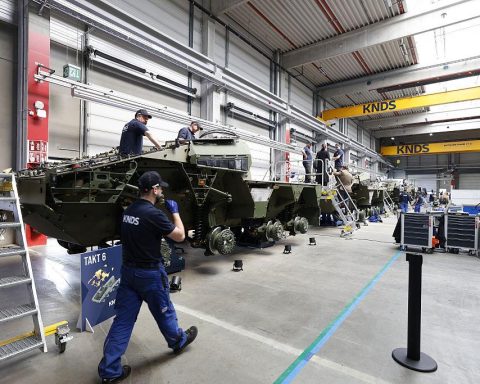
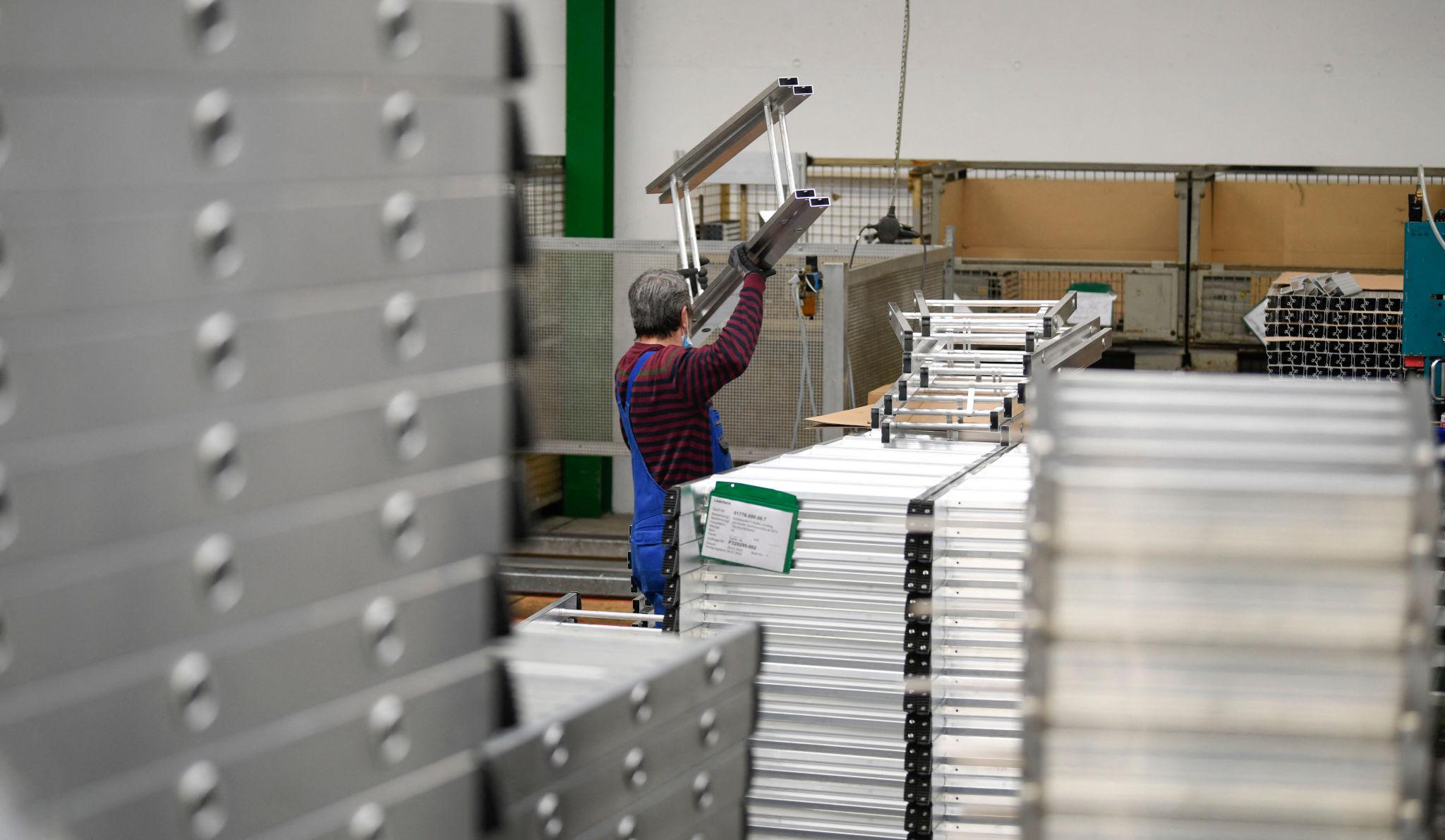
Germany’s manufacturing industry remains one of the biggest areas affected by slower economic growth.
Industrial companies across automotive production, machinery, chemicals, and engineering sectors continue facing weaker export demand and higher operating expenses.
Germany’s export-driven economy has also been affected by slower growth in key international markets and changing global trade patterns.
These conditions directly influence business investment activity and borrowing demand throughout the financial system.
Several economists believe the ongoing German economy slowdown partly reflects structural adjustments occurring across Europe’s industrial economy.
At the same time, rising energy costs and supply chain disruptions continue affecting industrial competitiveness.
German Banks Remain Financially Stable
Despite weaker lending activity, regulators emphasized that Germany’s banking sector remains significantly stronger than during previous financial crises.
Post-2008 financial reforms forced European banks to improve capital reserves, liquidity management, and risk controls.
Those changes helped strengthen the financial stability of major institutions throughout Europe, including Germany’s largest banks.
The Bundesbank said most institutions currently maintain healthy balance sheets capable of handling moderate economic stress.
Some analysts argued that the stability of German banks may help reduce broader financial risks connected to the German economy slowdown.
However, prolonged economic weakness could eventually pressure earnings, credit quality, and investor confidence if recovery remains delayed.
History of Germany’s Economic and Banking Model
Germany has long relied on manufacturing exports, industrial production, and corporate lending as core drivers of economic growth.
For decades, the country’s financial institutions supported strong industrial expansion involving automotive manufacturing, engineering, chemicals, logistics, and infrastructure development.
The banking system traditionally benefited from stable corporate borrowing activity tied closely to Germany’s industrial economy.
However, changing global trade dynamics, demographic pressures, energy policy changes, and increasing international competition have gradually altered the economic landscape.
The current German economy slowdown reflects many of those broader structural challenges facing Europe’s largest economy during 2026.
Interest Rates Continue Affecting Borrowers
Higher interest rates remain one of the biggest factors reducing borrowing demand across Germany and the broader eurozone.
Businesses and households continue facing more expensive financing costs following previous European Central Bank tightening measures aimed at controlling inflation.
Many companies are delaying investments because borrowing costs remain elevated compared to earlier periods of lower interest rates.
Economists said the current German economy slowdown may continue until financing conditions improve or business confidence strengthens significantly.
At the same time, higher rates have helped banks improve interest margins, partially offsetting weaker lending growth.
Still, reduced borrowing activity continues limiting broader profitability opportunities within the sector.
Investors Closely Watch Europe’s Largest Economy
Germany’s economic performance remains critically important for broader European financial markets.
As Europe’s largest economy, Germany strongly influences investor confidence, industrial activity, trade flows, and banking stability across the eurozone.
Financial markets are therefore closely monitoring whether the German economy slowdown could spread additional weakness throughout Europe’s financial and industrial sectors.
Some investors believe Germany’s strong banking reserves and industrial infrastructure may eventually support recovery.
Others remain cautious because long-term structural challenges continue affecting growth expectations.
Future European Central Bank policy decisions may also significantly influence lending conditions and investment activity later this year.

Key Takeaways
The Bundesbank says German financial institutions remain stable, but weaker lending demand continues reflecting broader concerns surrounding the German economy slowdown.
Businesses and consumers remain cautious about borrowing because of elevated financing costs, industrial weakness, and economic uncertainty.
As Europe’s largest economy faces ongoing growth challenges, investors and regulators are closely monitoring future lending conditions and broader financial stability across the region.