

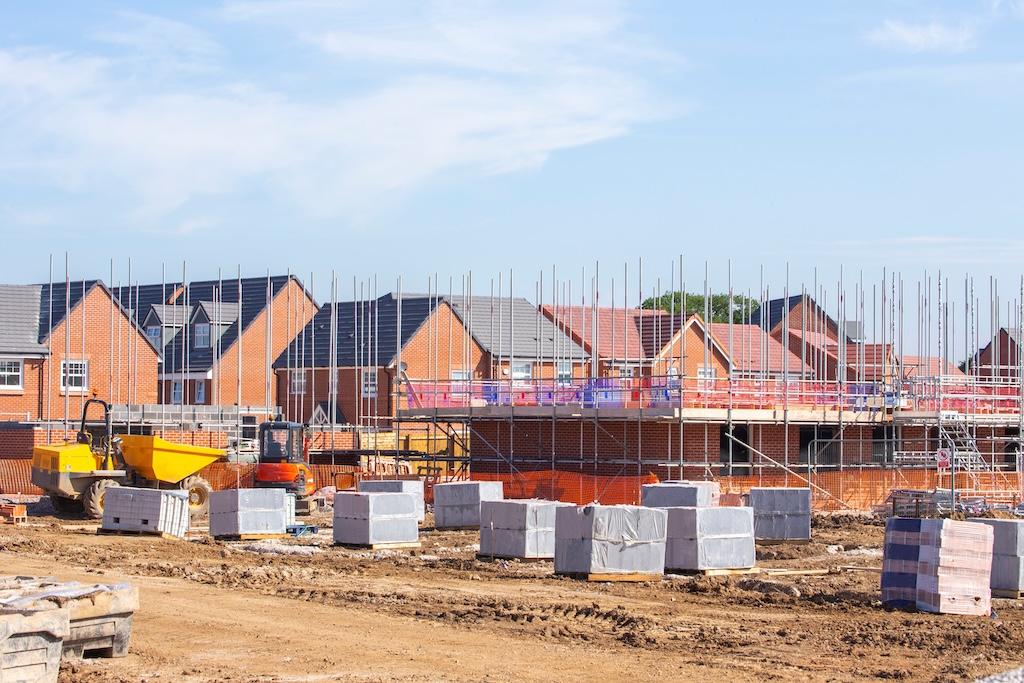
UK builders are facing the sharpest cost inflation surge in nearly four years.
Rising material prices, labor shortages, and financing pressure are slowing projects.
The UK construction industry slowdown could affect housing, infrastructure, and economic growth in 2026.
London, United Kingdom (Parliament Politics Magazine) UK construction industry slowdown concerns intensified this week as builders across Britain faced the steepest rise in operating costs seen in nearly four years, Rising material prices, labor shortages, and persistent economic uncertainty are creating major challenges for contractors, developers, and infrastructure firms throughout the country.
Construction executives say project timelines are becoming increasingly difficult to manage as inflation pressures continue spreading across multiple sectors tied to housing, commercial real estate, and public infrastructure.
Several industry analysts warned that the growing UK construction industry slowdown could eventually impact employment, investment activity, and Britain’s broader economic growth if financial conditions remain unstable throughout the remainder of 2026.
“The pressure facing Britain’s construction sector is no longer temporary,”
one London infrastructure consultant said.
“Costs continue rising while confidence among developers is becoming more cautious.”
- Location: London, United Kingdom
- Year: 2026
- Sector: Construction and housing
- Main issue: Rising cost inflation
- Key pressure: Materials, labor, energy, and financing costs
- Market impact: Project delays, tighter margins, and slower development
- Focus keyword: UK construction industry slowdown
Rising Material Costs Continue Impacting Builders
One of the primary drivers behind the UK construction industry slowdown is the continued increase in construction material prices across Europe and global supply chains.
British contractors are paying significantly more for steel, cement, insulation materials, electrical components, timber, and transportation services. Industry leaders say imported goods remain especially expensive due to energy market volatility and ongoing shipping disruptions affecting international logistics networks.
Many smaller construction companies are reportedly struggling to absorb these higher expenses while maintaining competitive pricing for clients and investors.
Developers working on residential housing projects have expressed concerns that future cost increases could force delays or reductions in planned developments across several major UK cities.
Labor Shortages Add Pressure Across the Sector
The growing labor shortage within Britain’s skilled construction workforce is also contributing heavily to the UK construction industry slowdown.
Companies throughout the United Kingdom continue facing difficulties hiring qualified electricians, plumbers, engineers, and specialized construction workers. Industry groups say wage competition has intensified sharply during the past year as firms attempt to secure experienced staff for large-scale projects.
Some construction firms are increasing salaries and offering additional incentives to attract workers, but many executives say recruitment challenges remain severe.
“Skilled labor has become one of the most expensive parts of modern construction,”
a regional development manager stated.
“Without enough workers, projects inevitably become slower and more costly.”
Analysts note that workforce shortages have remained a persistent challenge since Britain’s labor market changes following Brexit and the global pandemic period earlier in the decade.
Housing Market Faces Additional Uncertainty
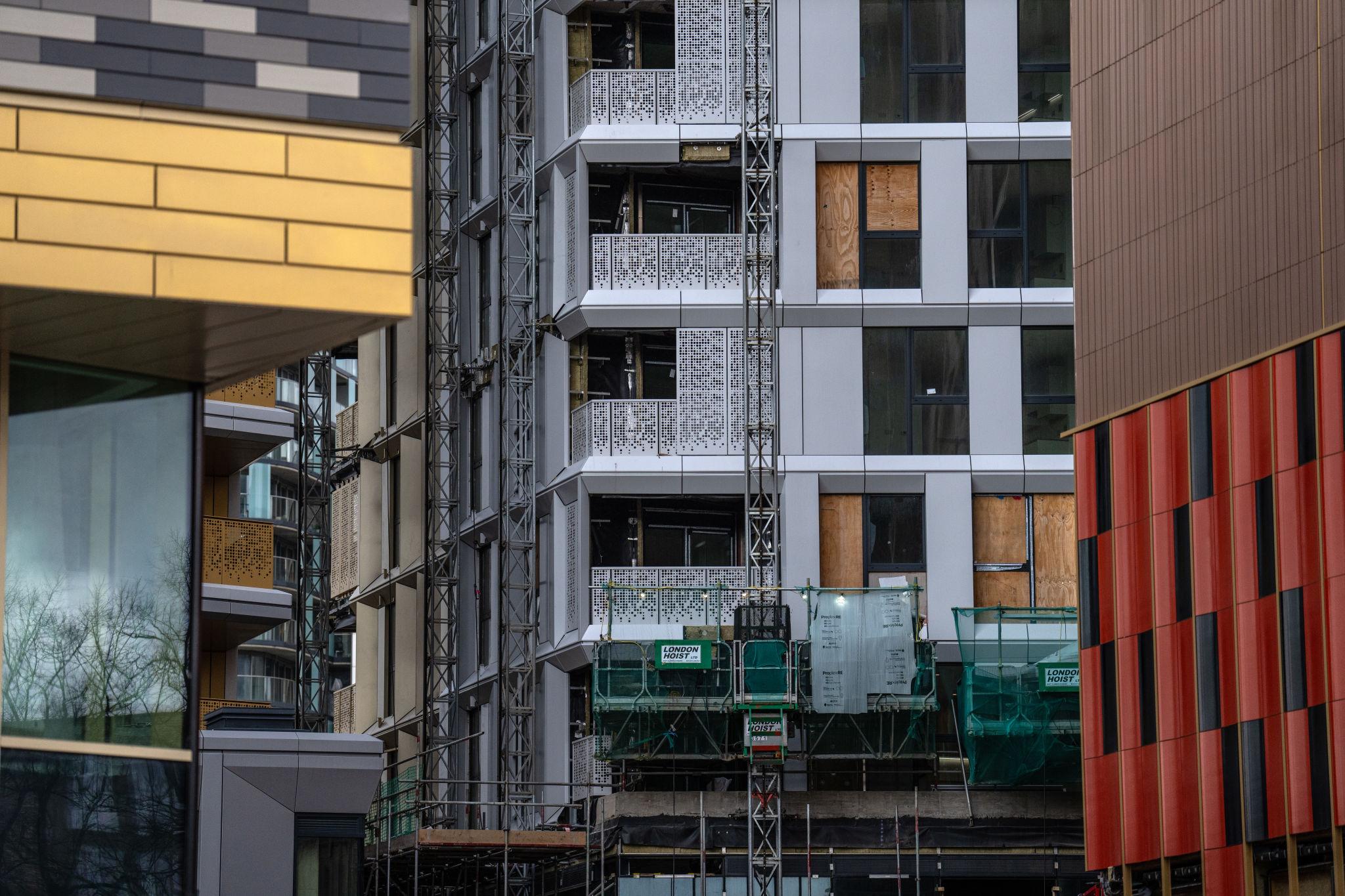
The continuing UK construction industry slowdown is also creating new concerns for Britain’s housing sector, where affordability pressures are already limiting buyer demand in several regions.
Developers warn that higher construction costs could eventually push home prices even higher despite weakening consumer purchasing power linked to elevated mortgage rates.
Some property experts believe the pace of new residential construction could slow considerably during the second half of 2026 if financing conditions remain difficult.
The British government has continued emphasizing national housing expansion goals, but industry organizations argue that inflationary pressures are making large-scale development projects increasingly difficult to complete profitably.
Infrastructure Projects Under Financial Strain
Major infrastructure projects across Britain are also beginning to feel the impact of the UK construction industry slowdown.
Transportation upgrades, rail expansion projects, public housing developments, and renewable energy infrastructure programs are all facing budget pressure from rising construction expenses.
Several contractors have reportedly started renegotiating long-term agreements due to the volatility affecting materials and labor costs.
Economists warn that extended inflation within the construction industry could eventually increase taxpayer expenses for publicly funded infrastructure programs nationwide.
Historical Comparison Raises Industry Concerns
Construction Inflation Echoes Earlier Economic Disruptions
Industry observers say the current UK construction industry slowdown represents one of the most difficult periods for British builders since the global economic disruptions experienced earlier in the decade.
During previous inflation surges, construction activity slowed significantly as developers delayed projects and lenders became more cautious about financing large-scale investments.
Analysts now believe the combination of supply chain instability, high borrowing costs, geopolitical uncertainty, and workforce shortages has created a particularly challenging environment for Britain’s construction sector in 2026.
Some experts argue that recovery could take several years if inflationary pressures continue intensifying throughout Europe.
“Construction has historically been one of the first sectors to reflect wider economic stress,”
one market analyst explained.
“What happens in this industry often signals broader trends across the economy.”
Supply Chain Risks Continue Affecting Timelines
Global supply chain instability remains another major factor behind the ongoing UK construction industry slowdown.
Shipping delays, manufacturing bottlenecks, and geopolitical tensions affecting international trade routes continue disrupting procurement schedules for contractors throughout Britain.
Some firms have started purchasing materials months in advance to reduce exposure to future shortages and price spikes.
Others are increasingly turning toward domestic suppliers in an effort to improve supply reliability and reduce transportation-related costs.
Industry leaders say resilience planning has now become a central part of construction management strategies across Europe.
Developers Explore New Cost-Control Strategies
As the UK construction industry slowdown continues affecting profitability, many developers are exploring alternative construction methods and digital technologies to improve efficiency.
Modular building systems, automation tools, and AI-driven planning software are receiving increased attention from companies attempting to reduce waste and control project expenses.
Several firms are also prioritizing smaller and lower-risk projects until financial conditions stabilize more fully.
Despite current challenges, analysts say long-term demand for housing, logistics facilities, and renewable infrastructure projects remains relatively strong across Britain.

What the UK Construction Slowdown Means for Builders in 2026
The growing UK construction industry slowdown reflects mounting pressure across Britain’s construction sector as rising inflation, workforce shortages, and economic uncertainty continue affecting developers nationwide. Industry leaders warn that prolonged cost increases could delay infrastructure projects, slow housing construction, and place additional strain on the UK economy during 2026.
While builders remain cautiously optimistic about long-term demand, many firms are now adjusting strategies to navigate one of the most financially challenging environments the industry has faced in recent years.