Breaking Middle East news emerged after the UAE activated air defense systems following renewed Iranian aerial threats despite ongoing ceasefire claims.
Regional security forces remain on high alert as diplomatic efforts continue behind closed doors amid rising Gulf tensions.
Global leaders are closely monitoring whether the latest military activity could trigger broader instability across the Middle East.
Abu Dhabi, UAE (Parliament Politics Magazine) Breaking Middle East news developments intensified across the Gulf region after the United Arab Emirates reportedly activated advanced air defense systems in response to suspected Iranian aerial threats despite ongoing claims that a ceasefire agreement remains in effect. Brussels Morning Newspaper confirms that military and diplomatic observers are closely monitoring the rapidly evolving security situation as fears grow over the possibility of renewed regional escalation.
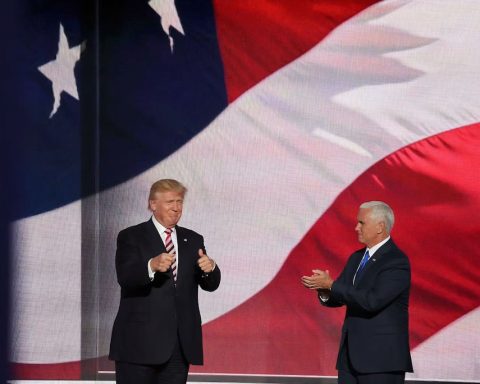
The latest confrontation emerged only hours after former U.S. President Donald Trump publicly stated that ceasefire negotiations involving Iran remained active and that diplomatic communication between multiple international parties was continuing behind closed doors.
However, regional defense activity appearing across Gulf monitoring networks has raised new concerns about whether the ceasefire framework is beginning to weaken under increasing military pressure.
International markets, energy traders, intelligence agencies, and Gulf governments are now watching developments carefully as the Middle East enters another uncertain period filled with geopolitical risks and heightened military alertness.
“The Middle East remains one of the most fragile security environments in the world today,”
a regional defense analyst said.
“Even a limited aerial incident can trigger widespread consequences.”
UAE Air Defense Systems Enter High Alert
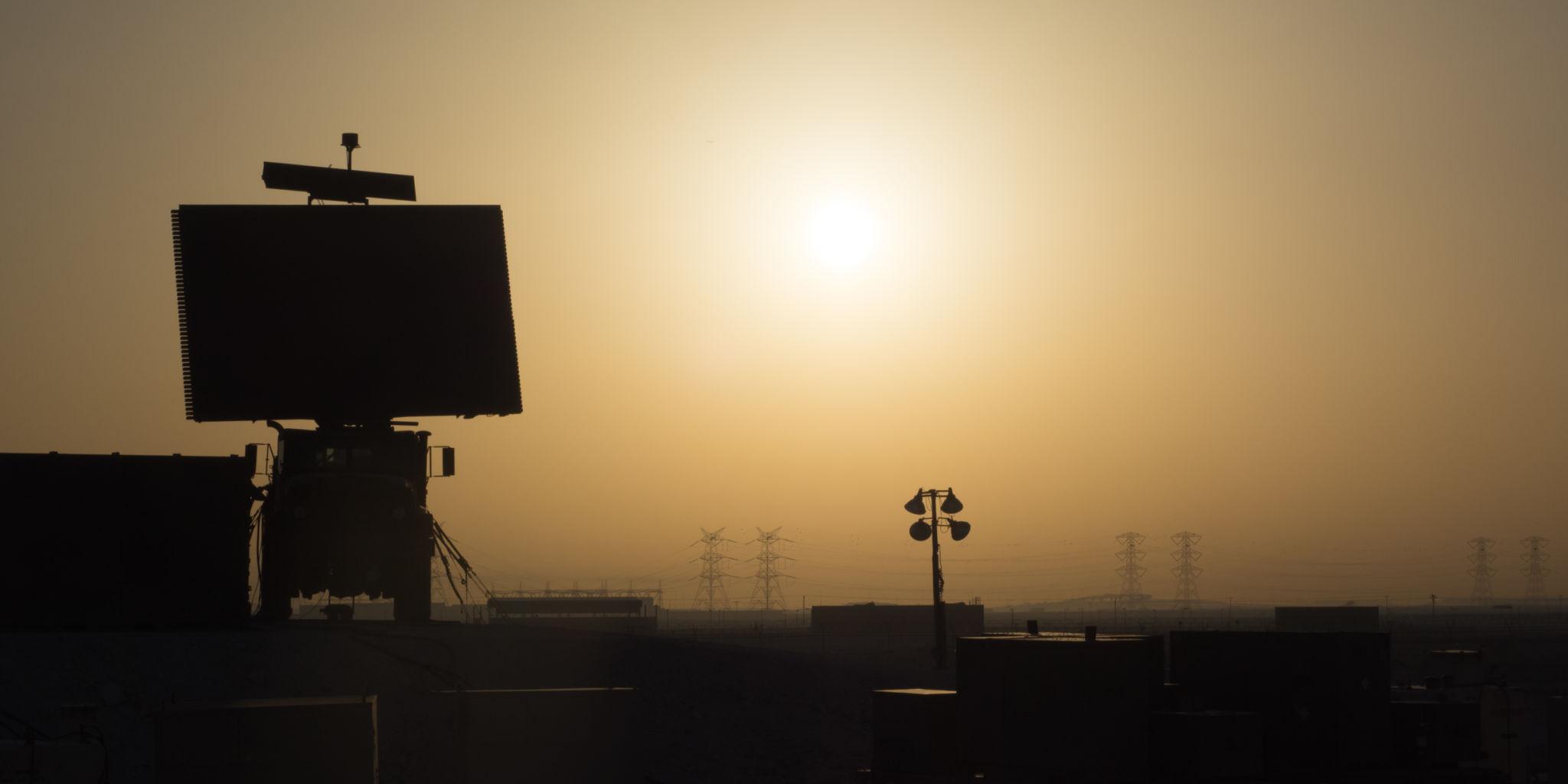
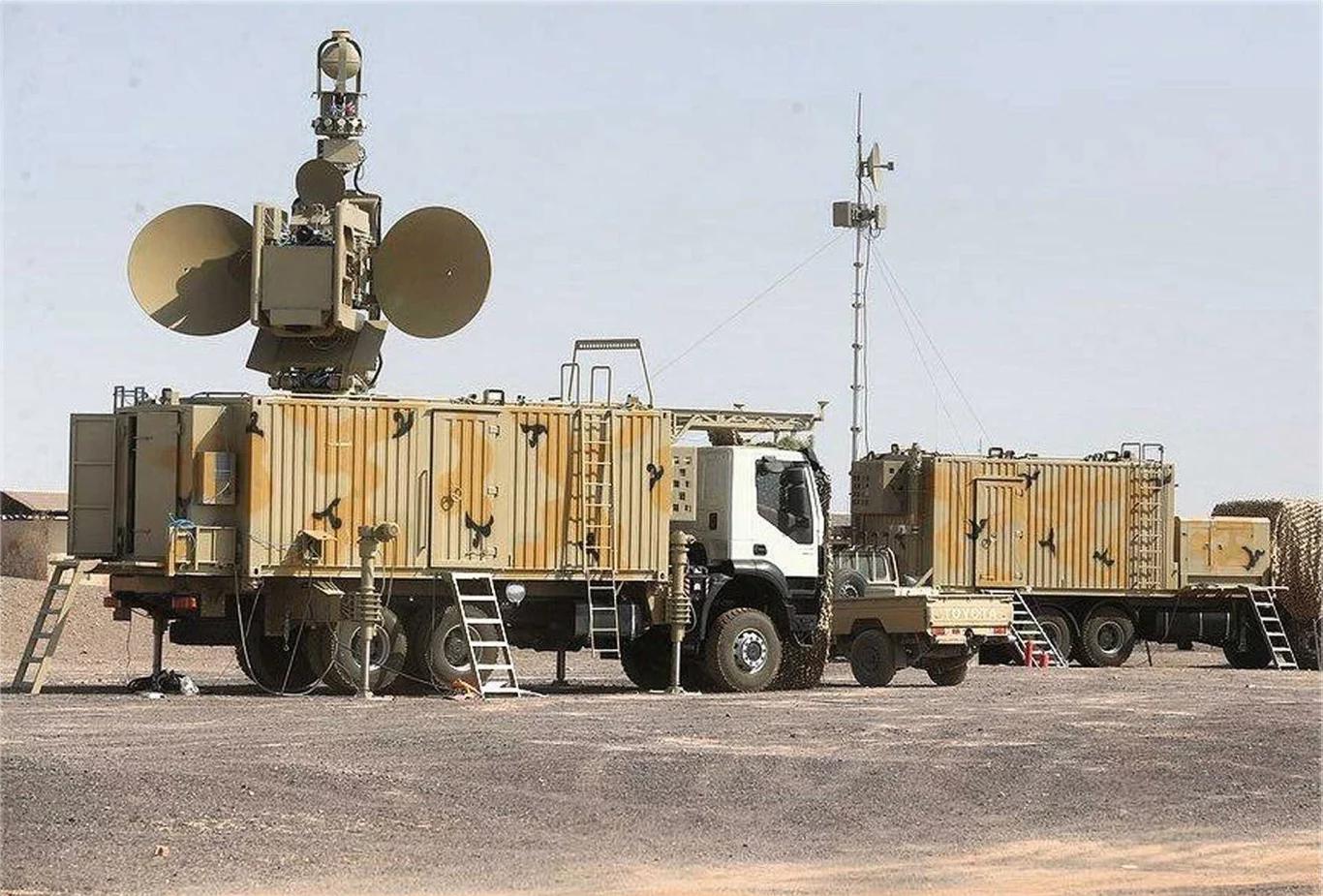
The UAE’s rapid response to the suspected aerial threat demonstrated the country’s growing military preparedness and advanced defense capabilities. Officials familiar with Gulf security operations indicated that radar systems and aerial interception networks were activated as precautionary measures after unidentified aerial activity was detected within monitored zones.
Although authorities have not released detailed operational information, defense experts believe the incident highlights the continued volatility surrounding Iran-related military tensions throughout the region.
The UAE has spent years modernizing its military infrastructure due to persistent regional instability involving drones, missile systems, maritime threats, and proxy conflicts.
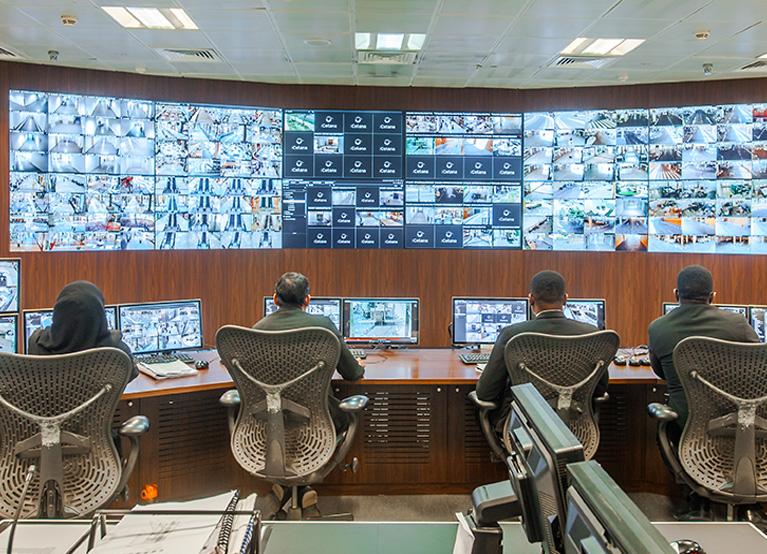
Military analysts say Gulf nations increasingly rely on integrated surveillance technology capable of responding within minutes to potential aerial incursions.
The latest Breaking Middle East news event underscores how rapidly tensions can escalate even during periods of active diplomacy.
Trump Maintains Ceasefire Still Exists
Donald Trump attempted to reassure international observers by insisting that ceasefire arrangements involving Iran had not collapsed despite rising military concerns across the Gulf.
According to statements released during public appearances, diplomatic communication between key regional stakeholders remains ongoing. Trump emphasized that negotiations were still progressing and encouraged parties involved to avoid actions that could destabilize the region further.
Still, the contradiction between diplomatic messaging and military activity has generated uncertainty among foreign policy analysts and investors.
Several international observers believe the current situation reflects the fragile nature of Middle East ceasefires, where isolated incidents can quickly undermine confidence even without direct declarations of war.
The new Breaking Middle East news developments have therefore become a major focus for both political and economic analysts worldwide.
Gulf Leaders Increase Security Coordination
Governments throughout the Gulf Cooperation Council have reportedly increased coordination regarding air defense, intelligence sharing, and regional monitoring following the latest incident.
Saudi Arabia, Bahrain, Kuwait, and the UAE continue maintaining elevated military readiness levels amid concerns that broader conflict could emerge unexpectedly.
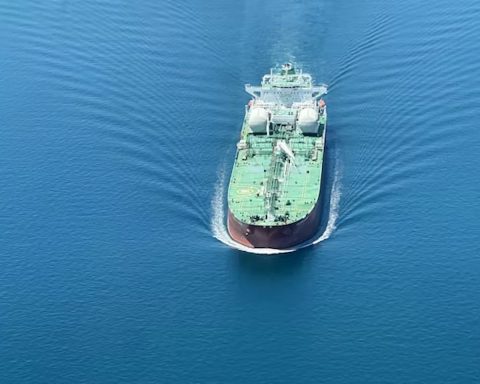
Security officials are especially focused on protecting strategic energy infrastructure, commercial aviation corridors, shipping routes, and urban population centers from potential attacks.
The Persian Gulf remains one of the world’s most strategically important economic regions due to its role in global oil exports and international trade.
Any signs of instability often influence energy prices and financial markets within hours.
The latest Breaking Middle East news event immediately triggered increased attention from global investors monitoring geopolitical risk exposure.
Regional Airspace Monitoring Intensifies
Commercial aviation agencies and military aviation authorities reportedly reviewed regional flight operations after reports of aerial defense activations emerged.
Some international airlines examined alternative routing strategies as a precautionary measure while awaiting additional confirmation from Gulf security agencies.
Aviation analysts warn that instability in the Middle East can quickly affect airline scheduling, insurance costs, fuel prices, and international tourism patterns.
The UAE remains one of the busiest aviation hubs in the world, making regional security concerns especially significant for global transportation networks.
Defense specialists also noted that drone warfare and long-range missile technology have transformed how countries approach modern airspace security.
The newest Breaking Middle East news developments demonstrate how closely military operations and civilian infrastructure are now interconnected.
Historical Background of Iran-Gulf Military Rivalries
The current tensions are deeply connected to decades of geopolitical rivalry involving Iran and Gulf Arab states. Since the late twentieth century, disputes over regional influence, maritime security, ideological conflicts, and military alliances have repeatedly fueled instability across the Middle East.
During multiple periods of confrontation, Gulf governments expanded military partnerships with Western allies while simultaneously investing heavily in defense modernization.
Iran, meanwhile, continued strengthening missile technology, drone capabilities, and regional alliances throughout the region.
These historical tensions created an environment where even isolated incidents can rapidly generate fears of broader escalation.
Analysts say understanding the history behind Gulf-Iran relations remains critical for interpreting today’s rapidly evolving security landscape.
Oil Markets React to Security Concerns
Global energy markets responded cautiously as traders evaluated the potential implications of increased military activity involving Iran and Gulf nations.
Oil prices showed volatility as investors considered possible disruptions involving shipping routes or energy infrastructure.
The Middle East continues supplying a significant percentage of global energy demand, meaning geopolitical instability frequently impacts international commodity markets.
Economists warn that prolonged uncertainty could increase fuel costs worldwide while placing additional pressure on inflation-sensitive economies.
Several financial institutions also began reassessing geopolitical exposure in response to the latest Breaking Middle East news situation.
Energy analysts say even temporary instability can affect investment decisions, transportation costs, and manufacturing sectors globally.
“Energy markets respond instantly when Gulf security becomes uncertain,”
one commodities strategist explained.
International Diplomacy Faces Renewed Pressure
World leaders are now expected to intensify diplomatic efforts aimed at preventing additional escalation across the region.
European governments, United Nations officials, and international mediators continue urging restraint while encouraging direct communication between involved parties.
Diplomatic experts believe the next several days could determine whether the current ceasefire arrangement survives or deteriorates further.
International concern remains especially high because previous regional confrontations have often escalated unexpectedly after isolated military incidents.
The latest Breaking Middle East news situation has therefore increased pressure on negotiators attempting to preserve regional stability.
“Diplomacy becomes most important during moments of uncertainty and fear,”
a European foreign policy official stated.
Social Media Accelerates Public Anxiety
Public concern spread rapidly across social media platforms following reports connected to UAE air defense operations.
Users throughout the Middle East shared speculation, videos, commentary, and unverified claims regarding military activity, contributing to heightened anxiety across multiple countries.
Governments and security agencies continue urging the public to rely on verified information rather than rumors circulating online.
Analysts warn that misinformation during geopolitical crises can intensify panic and create additional diplomatic complications.
The speed at which modern information spreads has transformed how regional crises develop and how governments respond to emerging security situations.
The ongoing Breaking Middle East news cycle continues dominating international headlines and digital discussions worldwide.
Military Technology Reshaping Regional Warfare
The Gulf region’s increasing investment in advanced air defense systems reflects broader changes occurring in modern warfare.
Drone technology, missile systems, electronic surveillance, cyber operations, and artificial intelligence are now central components of military planning throughout the Middle East.
Countries across the region continue strengthening defense partnerships and purchasing increasingly sophisticated interception technology.
Experts believe future regional conflicts may rely more heavily on rapid-response systems and intelligence coordination than traditional military operations alone.
The current Breaking Middle East news developments highlight how technological evolution is reshaping geopolitical strategy throughout the region.
Economic Stability Depends on Regional Calm
Business leaders and international investors continue emphasizing the importance of stability throughout the Gulf region due to its enormous influence on global trade and energy markets.
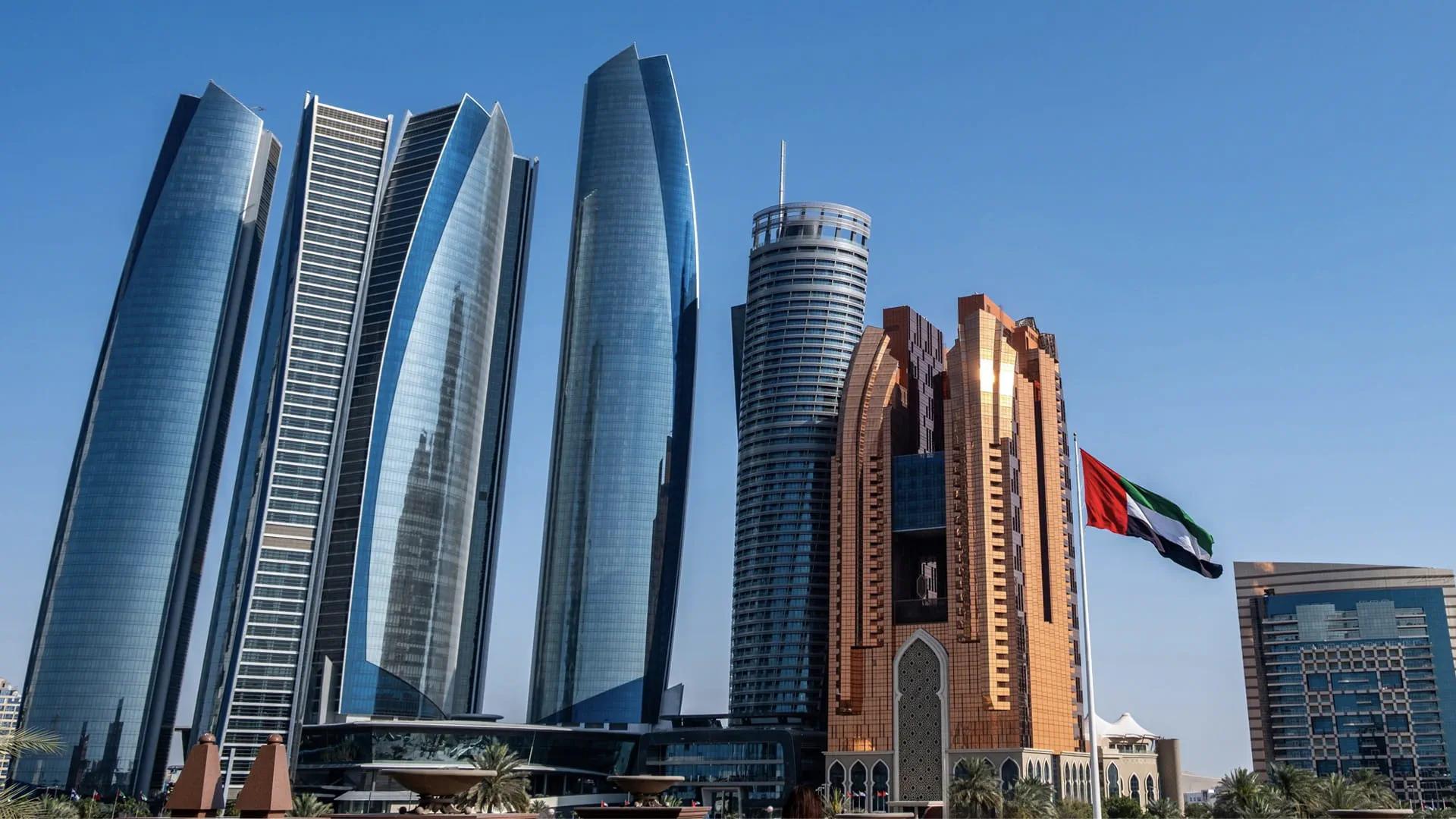
The UAE has positioned itself as a major financial, logistics, tourism, and technology hub connecting Europe, Asia, and Africa.
Extended instability could potentially affect economic growth projections, infrastructure investment, and regional development plans.
Despite current tensions, officials across the Gulf continue expressing confidence in their security capabilities and long-term economic resilience.
The latest Breaking Middle East news situation nevertheless demonstrates how quickly geopolitical tensions can influence global economic sentiment.
Regional Outlook and What Comes Next
The latest military developments involving the UAE and suspected Iranian aerial threats have intensified fears that the Middle East ceasefire may be entering a dangerous phase of instability.
While Donald Trump and diplomatic officials continue insisting that negotiations remain active, rising military readiness across the Gulf reflects deep concern among regional governments and international observers.
As the world watches closely, the situation remains fluid, unpredictable, and highly sensitive.
The coming days may determine whether diplomacy succeeds in preserving regional stability or whether escalating tensions trigger a wider geopolitical crisis with global consequences.