
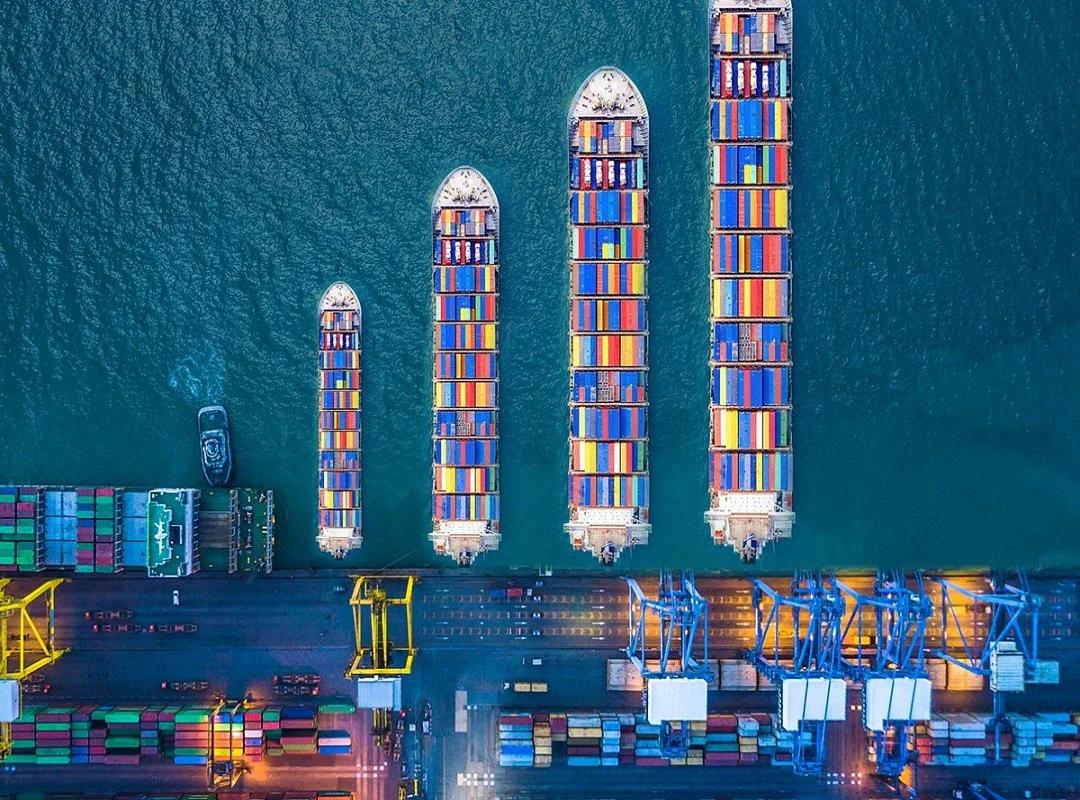
US container imports declined 5.5% in April as geopolitical tensions and trade uncertainty disrupted freight markets.
The slowdown is increasing concern about international shipping trends and global supply chain stability in 2026.
Retailers, ports, and logistics companies are closely watching shipping demand as economic risks continue rising.
WASHINGTON, DC (Parliament Politics Magazine) international shipping trends are drawing increased global attention after new shipping data showed US container imports declined approximately 5.5% during April amid growing trade uncertainty and geopolitical pressure across international markets.
The slowdown is raising concerns throughout the logistics industry because shipping activity often serves as a major indicator of global economic health, retail demand, manufacturing output, and supply chain confidence.
Shipping executives and economists say rising geopolitical tensions, inflation pressure, changing consumer behavior, and weaker trade activity are contributing to increased volatility within global freight markets.
The decline also arrives during a period when businesses worldwide continue adjusting supply chain strategies following years of major disruptions across international commerce networks.
“Global shipping activity is one of the clearest indicators of how businesses view future economic conditions,”
one logistics analyst stated after the latest freight figures emerged.
Why International Shipping Trends Matter Globally
The growing focus on international shipping trends reflects the critical role global freight networks play in the modern economy.
Container shipping moves enormous quantities of products across international markets, including:
- Consumer electronics
- Clothing and retail inventory
- Automotive parts
- Industrial machinery
- Food and agricultural products
- Manufacturing materials
Shipping volumes help economists and investors evaluate broader economic conditions because freight demand is closely connected to consumer spending and industrial production.
When shipping activity weakens, it can signal slowing business confidence or reduced retail demand across major markets.
Geopolitical Risks Increase Freight Market Uncertainty
The latest international shipping trends data also highlights how geopolitical tensions continue affecting global trade routes and freight operations.
Conflicts involving strategic shipping lanes, energy markets, sanctions policies, and trade disputes are creating uncertainty throughout international logistics networks.
Shipping companies are increasingly facing challenges involving:
- Fuel cost volatility
- Insurance expenses
- Route disruptions
- Port congestion risks
- Customs delays
- Trade regulation changes
Analysts believe many importers are becoming more cautious about freight commitments while waiting for greater economic and political stability.
“Businesses are prioritizing flexibility and risk management over aggressive inventory expansion,”
one maritime trade strategist explained during a shipping conference in Washington.

Retailers Monitor Consumer Demand Closely
The latest international shipping trends slowdown is also receiving close attention from retailers and e-commerce companies.
Many businesses depend heavily on imported inventory to support retail operations throughout the United States and global consumer markets. Lower shipping volumes may indicate weakening consumer confidence or more cautious purchasing behavior.
Some retailers are reportedly reducing inventory orders to avoid overstocking amid uncertain economic conditions.
Others continue diversifying supply chains after previous global disruptions exposed vulnerabilities tied to dependence on specific manufacturing regions.
Industry experts say freight activity often provides early signals involving broader retail and consumer spending patterns.
Ports and Logistics Companies Feel the Impact
The latest international shipping trends decline could also affect ports, trucking firms, warehouse operators, and transportation companies worldwide.
Global freight activity supports millions of jobs tied to:
- Port operations
- Rail transportation
- Trucking services
- Warehouse logistics
- Cargo handling
- Distribution management
Lower shipping demand can reduce transportation activity throughout multiple sectors connected to international commerce.
Some analysts warn that prolonged weakness in shipping volumes may eventually influence hiring, infrastructure investment, and broader economic growth.
History of Global Shipping Disruptions
The current international shipping trends slowdown follows years of major instability across global supply chain networks.
The pandemic era created severe disruptions involving container shortages, shipping delays, warehouse congestion, and port bottlenecks that affected international trade worldwide.
Since then, companies have increasingly focused on supply chain resilience and inventory flexibility rather than relying entirely on low-cost shipping efficiency models.
Technology investments involving AI-powered logistics systems, freight automation, and predictive shipping analytics have also expanded rapidly.
The latest freight slowdown demonstrates how sensitive shipping markets remain to global economic and political conditions.
“The logistics industry is still adapting to a more uncertain and fragmented trade environment,”
one supply chain consultant stated.
International Shipping Trends Shift as Businesses Reevaluate Supply Chains
The evolving international shipping trends also reflect broader changes in how companies manage manufacturing and sourcing operations.
Many businesses are now investing in:
- Nearshoring strategies
- Regional manufacturing hubs
- Supply chain diversification
- Automated logistics systems
- AI-driven inventory management
- Digital freight tracking technologies
These strategies are designed to reduce dependency on vulnerable shipping routes and improve operational resilience during periods of economic instability.
Industry analysts believe supply chain flexibility will become increasingly important throughout the remainder of the decade.
Manufacturing Activity Shows Signs of Slowing
The latest international shipping trends may also signal slower manufacturing demand in some global regions.
Factories producing export goods often adjust production based on freight demand forecasts and retail inventory conditions. Weaker import activity from major consumer markets like the United States can therefore impact industrial output internationally.
Technology products, electronics, furniture, clothing, and industrial equipment are among the sectors closely connected to global shipping activity.
Economists say future freight demand will likely depend heavily on inflation trends, consumer confidence, and geopolitical stability during the second half of 2026.
AI and Technology Are Reshaping Global Logistics
The growing focus on international shipping trends is also accelerating investment into artificial intelligence and logistics technology systems.
Shipping companies are increasingly using AI-powered tools for:
- Cargo tracking
- Route optimization
- Inventory forecasting
- Freight analytics
- Port management
- Predictive logistics planning
Industry observers believe automation and digital infrastructure will play a major role in improving supply chain efficiency and reducing long-term operational risks.
Technology investment across logistics networks continues expanding despite weaker shipping volumes.
International Shipping Trends Remain Critical to Economic Forecasting
Despite the recent slowdown, international shipping trends remain one of the most important indicators of global economic activity.
Freight demand influences manufacturing output, consumer pricing, retail inventory levels, and transportation markets worldwide. Investors and policymakers closely monitor shipping data because changes in trade activity often affect broader financial conditions.
Analysts expect freight markets to remain highly sensitive to geopolitical developments, energy prices, inflation pressure, and consumer demand throughout 2026.
Global Trade Summary
The latest decline in international shipping trends involving US container imports highlights growing concerns surrounding global trade stability, freight demand, and supply chain resilience during 2026.
As businesses continue adapting to geopolitical risks, inflation pressure, and changing consumer behavior, shipping markets remain vulnerable to economic uncertainty and international trade disruptions. Industry experts believe future freight activity will depend heavily on supply chain flexibility, retail demand, and broader global economic conditions.
Despite ongoing challenges, global shipping remains one of the most essential foundations of international commerce and economic growth.

International Shipping Trends 2026
Main Issue: International shipping trends slowdown
Reported Decline: 5.5% US container import drop
Industry Focus: Global freight and logistics
Location: Washington, DC
Year: 2026
Main Concern: Trade and geopolitical risks
Sector Impacted: Shipping, retail, and supply chains
Economic Focus: Freight demand and global commerce