
Foxconn space strategy entered a decisive phase on May 2026, United States, May 2026, (Parliament Politics Magazine) as Foxconn successfully launched its second-generation satellites into orbit. This development marks a major transformation for the company, historically recognized as a global leader in electronics manufacturing.
The shift toward space-based infrastructure reflects a broader ambition to diversify beyond consumer electronics and establish a presence in global communications networks. With increasing reliance on data, cloud systems, and real-time connectivity, satellite infrastructure is becoming essential.
“Foxconn is no longer just a manufacturer—it is evolving into a global infrastructure player,”
said an industry strategist.
The Foxconn space strategy demonstrates a calculated move to align with future digital demands, where connectivity defines economic growth and technological leadership.
Foxconn Space Strategy 2026 Launch Overview
Region: United States
Date: May 2026
Industry: Satellite Communications / Space Technology
Companies: Foxconn, SpaceX
Launch Vehicle: SpaceX Falcon 9
Orbit Type: Low Earth Orbit (LEO)
Technology: Second-Generation Communication Satellites
Strategic Focus: Global connectivity, IoT integration, broadband expansion
Second-Generation Satellites Deliver Advanced Capabilities
The deployment of second-generation satellites represents a critical upgrade in Foxconn’s technological roadmap. These systems are designed to provide faster data transmission, improved reliability, and broader coverage compared to earlier models.
The new satellite capabilities include:
- High-speed broadband transmission
- Reduced latency for real-time applications
- Integration with Internet of Things ecosystems
- Enhanced onboard computing power
The Foxconn space strategy focuses heavily on these improvements, aiming to support industries ranging from telecommunications to smart infrastructure.
This advancement positions Foxconn as a serious contender in a market increasingly driven by innovation and scalability.
Strategic Partnership Strengthens Launch Capabilities
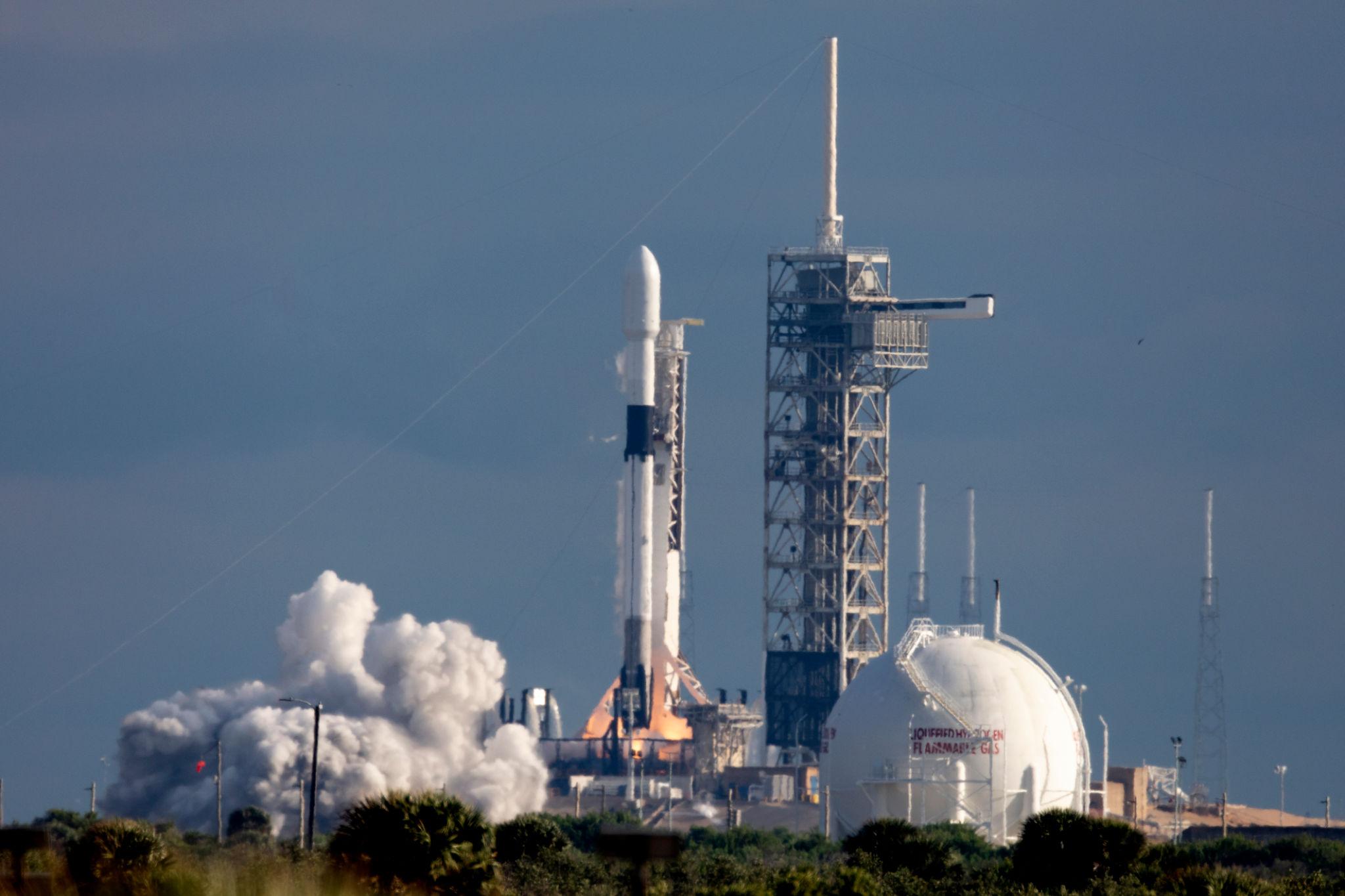
A key element of the Foxconn space strategy is its partnership with SpaceX. By utilizing Falcon 9 rockets, Foxconn gains access to one of the most efficient and reliable launch systems currently available.
The reusable nature of Falcon 9 significantly reduces costs, enabling more frequent launches and faster network expansion. This collaboration highlights the growing importance of private partnerships in the space sector.
“The economics of space have changed dramatically, and Foxconn is leveraging that shift to accelerate its growth,”
noted a space industry consultant.
The success of this mission reinforces confidence in Foxconn’s ability to execute complex aerospace initiatives.
Competitive Pressure Builds Across Satellite Sector
The Foxconn space strategy introduces new competitive dynamics into the satellite communications industry. Established players are now facing increased pressure as new entrants bring manufacturing efficiency and scale.
Foxconn’s competitive advantages include:
- Global production capabilities
- Advanced electronics expertise
- Cost-efficient supply chains
- Rapid scalability potential
These factors could enable Foxconn to expand its satellite constellation quickly, challenging existing operators in the Low Earth Orbit market.
Economic Implications of Satellite Expansion
The Foxconn space strategy carries significant economic implications. By entering the satellite sector, Foxconn is tapping into a rapidly growing market with applications across multiple industries.
Key sectors expected to benefit include:
- Telecommunications and broadband services
- Autonomous transportation systems
- Remote healthcare and telemedicine
- Environmental monitoring and data analytics
The expansion of satellite infrastructure supports digital transformation on a global scale, particularly in regions lacking traditional connectivity.
Global Connectivity Trends Drive Demand
The demand for satellite-based communication continues to grow as digital ecosystems expand. The Foxconn space strategy aligns with these trends, focusing on delivering reliable connectivity across diverse environments.
Satellite networks are increasingly critical for:
- Rural and remote connectivity
- Disaster response communication systems
- Military and defense operations
- Global enterprise networks
As reliance on data increases, the importance of scalable satellite infrastructure becomes more evident.
History of Foxconn’s Expansion Into Space Technology
Foxconn’s journey into space technology did not occur overnight. Initially focused on electronics manufacturing, the company gradually expanded into advanced technology sectors, including robotics, electric vehicles, and telecommunications.
The transition toward satellite development reflects a natural progression driven by innovation and market demand. The Foxconn space strategy builds on years of technological expertise and strategic investment.
This historical evolution underscores the company’s ability to adapt and compete in emerging industries.
Challenges Facing Foxconn’s Space Ambitions
Despite its progress, the Foxconn space strategy faces several challenges. Entering the satellite market requires navigating complex regulatory frameworks and competing with established global players.
Key challenges include:
- Regulatory approvals across multiple jurisdictions
- High costs of satellite deployment and maintenance
- Rapid technological advancements requiring continuous innovation
- Market competition from established satellite operators
Addressing these challenges will be essential for long-term success.
Future Outlook for Foxconn Satellite Network
Looking ahead, the Foxconn space strategy is expected to expand further. The company is likely to increase satellite deployments and develop integrated communication platforms.
Future developments may include:
- Expansion of satellite constellations
- Integration with terrestrial networks
- Development of proprietary communication services
- Strategic partnerships with global telecom providers
The long-term vision appears focused on creating a comprehensive ecosystem that combines hardware manufacturing with advanced connectivity solutions.
Industry Reaction Highlights Strategic Importance
The Foxconn space strategy has drawn attention from analysts and industry observers worldwide. Many view the move as a significant step toward reshaping the global telecommunications landscape.
“Foxconn’s entry into space could redefine competition and accelerate innovation across the industry,”
said a technology analyst.
The successful launch has reinforced confidence in Foxconn’s ability to compete in a complex and rapidly evolving market.

Foxconn Space Strategy 2026 Expansion
The Foxconn space strategy reached a major milestone in May 2026 as second-generation satellites were successfully launched via SpaceX Falcon 9. This development marks Foxconn’s transition from electronics manufacturing to global connectivity infrastructure.
With advanced satellite technology, strategic partnerships, and scalable production capabilities, Foxconn is positioning itself as a key player in the space industry. While challenges remain, the company’s expansion reflects growing demand for satellite-based communication.
The long-term impact of the Foxconn space strategy is expected to influence global telecom networks, digital infrastructure, and technological innovation.