LPP posted strong profit growth despite weaker first-quarter sales tied to colder weather across key markets.
The slowdown is increasing concern about seasonal retail demand and changing consumer shopping behavior in 2026.
Retail investors are closely watching how weather disruptions continue affecting global apparel and fashion sales.
WARSAW, Poland (Parliament Politics Magazine) seasonal retail demand became a major concern across the fashion industry after apparel retailer LPP reported weaker first-quarter sales linked to unusually cold weather conditions in several important consumer markets.
Although the company maintained strong profitability, the sales slowdown is highlighting growing challenges facing global retailers as unpredictable weather patterns increasingly affect shopping behavior and seasonal purchasing cycles.
Industry analysts say changing climate conditions, inflation pressure, and evolving consumer habits are forcing fashion retailers to rethink inventory management and demand forecasting strategies.
The latest earnings update from LPP has attracted attention across European retail markets because the company remains one of the region’s largest fashion retailers through brands including Reserved and other apparel chains.
“Retailers are facing a much more unpredictable seasonal environment than they did even a decade ago,”
one European retail strategist stated after the earnings announcement.
Why Seasonal Retail Demand Matters to the Fashion Industry
The latest concerns surrounding seasonal retail demand are significant because fashion retailers depend heavily on predictable shopping cycles tied to weather changes and seasonal wardrobe transitions.
Apparel companies typically prepare inventory months in advance based on expectations involving:
- Spring shopping activity
- Summer apparel demand
- Holiday purchasing trends
- Back-to-school sales
- Winter clothing cycles
When temperatures remain colder than expected, consumers often delay purchases involving seasonal fashion products.
Retailers can then face inventory pressure, slower revenue growth, and increased markdown activity designed to clear unsold merchandise.
Cold Weather Creates New Retail Challenges
The latest seasonal retail demand slowdown demonstrates how weather conditions are becoming increasingly disruptive for retailers worldwide.
Many fashion companies rely on stable climate patterns to forecast customer purchasing behavior accurately. However, changing weather trends are making those predictions more difficult.
Industry analysts say colder weather during early 2026 reduced demand for lighter clothing collections in several European markets where LPP operates.
Some retailers have reportedly delayed seasonal product launches or adjusted inventory strategies to manage uncertainty tied to unpredictable weather conditions.
“Climate volatility is now directly affecting retail profitability and inventory planning,”
one fashion industry consultant explained during a Warsaw retail conference.
LPP Maintains Strong Profitability Despite Sales Pressure
Despite weaker sales tied to seasonal retail demand, LPP still reported strong profit growth during the quarter.
Analysts say the company’s financial performance may reflect improved cost management, stronger pricing strategies, operational efficiency, and growing e-commerce contributions.
Retail investors often monitor profitability closely because companies capable of protecting margins during weaker sales periods are generally viewed as financially resilient.
LPP’s ability to maintain profitability during difficult seasonal conditions is being seen as a positive signal for long-term operational stability.
The company’s diversified retail structure may also help reduce exposure to temporary fluctuations in consumer demand.
Consumer Spending Habits Continue Changing
The latest seasonal retail demand trends are unfolding during a broader transformation in global consumer spending behavior.
Shoppers worldwide are increasingly prioritizing value, discounts, and selective purchases amid economic uncertainty and inflation concerns. Many consumers are also spending more cautiously on discretionary items such as fashion apparel.
Retailers are responding by increasing focus on:
- Promotional pricing
- Inventory flexibility
- Online retail growth
- Faster product turnover
- Data-driven forecasting
- Customer loyalty programs
Industry experts believe retailers capable of adapting quickly to changing demand conditions may outperform competitors during uncertain economic periods.
History of Seasonal Retail Cycles
The current seasonal retail demand concerns reflect decades of seasonal dependence within the global fashion industry.
For generations, apparel retailers relied heavily on predictable climate patterns and recurring shopping habits tied to weather changes. Seasonal collections became central to retail planning, manufacturing schedules, and marketing strategies.
However, climate instability and changing consumer behavior are increasingly disrupting traditional retail forecasting models.
Fashion companies now invest heavily in advanced analytics, AI forecasting systems, and flexible supply chain technologies designed to improve responsiveness during unpredictable market conditions.
“Retail forecasting today requires far more technology and real-time analysis than it did in the past,”
one logistics specialist stated.
E-Commerce Helps Retailers Manage Demand Shifts
The growing focus on seasonal retail demand is also accelerating digital transformation across the retail industry.
Many apparel companies are relying more heavily on e-commerce platforms to improve inventory management and respond faster to changing market conditions.
Online retail systems provide advantages involving:
- Real-time inventory tracking
- Faster customer engagement
- Flexible product promotions
- Regional demand analysis
- Dynamic pricing strategies
Retail analysts believe companies with strong digital infrastructure may remain more resilient during periods of weather-related disruption and slower store traffic.
Retail Markets Face Broader Economic Pressure
The latest seasonal retail demand slowdown is also connected to broader economic challenges affecting global consumer markets.
Retailers worldwide continue managing pressure tied to:
- Inflation concerns
- Slower economic growth
- Currency fluctuations
- Supply chain costs
- Consumer confidence declines
Some companies are reducing inventory exposure and limiting expansion plans while waiting for stronger economic conditions.
Others continue investing aggressively in technology, logistics systems, and brand development despite uncertain market trends.
Industry experts believe operational efficiency will remain critical throughout the remainder of 2026.
Seasonal Retail Demand Shapes Global Fashion Strategies
The latest seasonal retail demand changes are forcing apparel retailers to rethink long-term business strategies.
Companies are increasingly investing in flexible supply chains, rapid product distribution systems, and AI-powered forecasting tools designed to respond quickly to changing weather conditions and shopping patterns.
Fashion retailers are also becoming more cautious about inventory commitments because unsold seasonal merchandise can significantly impact profitability.
Industry observers expect weather-related retail volatility to remain a major challenge for global apparel markets moving forward.
Retail Market Summary
The latest slowdown in seasonal retail demand involving LPP highlights growing challenges facing global retailers as weather conditions and consumer behavior continue evolving during 2026.
Although colder weather negatively impacted first-quarter sales, strong profitability demonstrated the importance of operational discipline, inventory flexibility, and digital retail strategies during uncertain market conditions.
As fashion retailers continue adapting to climate volatility, inflation pressure, and changing shopping habits, technology-driven forecasting and e-commerce expansion are expected to remain critical competitive priorities throughout the global retail industry.
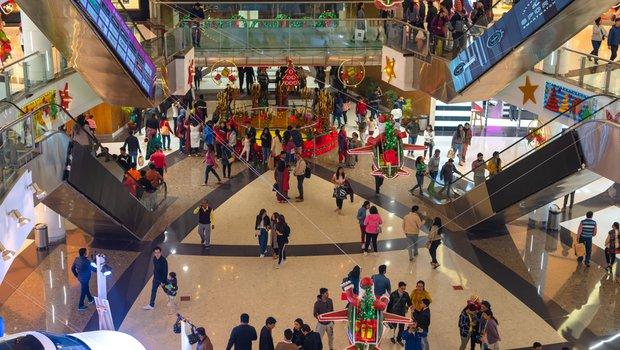
Seasonal Retail Demand 2026
Company: LPP
Main Issue: Cold weather affecting sales
Industry Focus: Seasonal retail demand
Location: Warsaw, Poland
Year: 2026
Sector Impacted: Fashion and apparel retail
Key Concern: Weather-driven shopping slowdown
Market Focus: Consumer demand and retail profitability