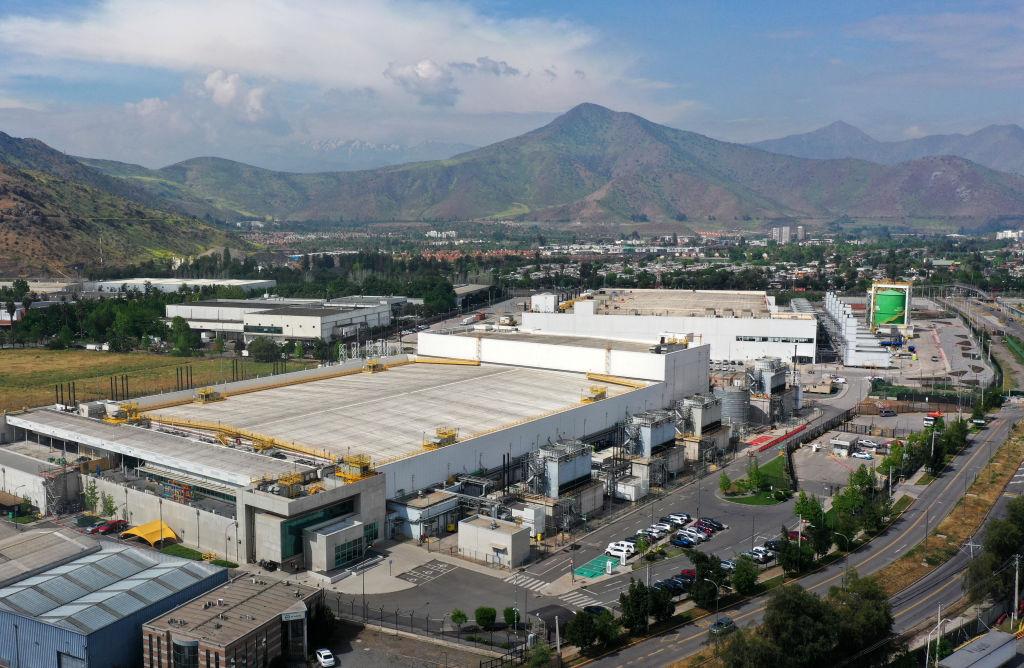
AI infrastructure expansion in Chile accelerated after Amazon’s Santiago-area data center survived a major environmental legal challenge in 2026.
The decision strengthens Chile’s role in Latin America’s growing cloud computing and artificial intelligence economy while raising sustainability concerns.
Environmental groups continue warning about water consumption and energy demand tied to large-scale data center growth.
Santiago, Chile (Parliament Politics Magazine) AI infrastructure expansion became one of the most debated technology and environmental topics in Latin America this week after Amazon secured a major legal victory tied to its planned data center development near Santiago, Chile. The decision, issued after months of environmental and legal disputes, allows the project to continue despite strong opposition from residents and environmental organizations concerned about water resources, electricity consumption, and long-term sustainability risks.
The ruling is widely viewed as a major moment for the future of cloud computing and artificial intelligence investment across South America. Global technology companies continue investing billions into digital infrastructure as demand for artificial intelligence systems, cloud platforms, cybersecurity, and large-scale computing capacity accelerates worldwide.
For Chile, the outcome represents both economic opportunity and growing public debate over how rapidly expanding technology infrastructure could reshape communities, resource management, and environmental policy during the next decade.
“Digital economies are now competing for infrastructure dominance,”
one Latin American technology analyst said after the ruling.
“But local communities are demanding that sustainability move at the same pace as innovation.”
Amazon’s Chile Project Gains Momentum
The legal victory allows Amazon to continue advancing construction and planning tied to its regional cloud computing operations in Chile. Industry observers believe the facility could become a key hub for Amazon Web Services operations throughout South America.
The project is part of a broader global push by technology companies to expand regional computing infrastructure closer to growing customer markets. Artificial intelligence systems require massive computing power, storage capacity, and network reliability, making data centers one of the most strategically important assets in the digital economy.
Amazon’s investment arrives as Latin America experiences rapid growth in internet traffic, streaming services, AI-driven business systems, and enterprise cloud adoption.
Supporters of the project argue the investment could strengthen Chile’s economy by attracting technology firms, increasing digital competitiveness, and improving regional connectivity.
However, critics warn that the rapid pace of AI infrastructure expansion may outgrow environmental protections if governments fail to establish stronger oversight mechanisms.
Residents Raised Concerns About Water and Energy Usage
The environmental challenge focused heavily on concerns regarding water resources and energy consumption linked to large-scale data center operations.
Modern data centers require significant cooling systems to maintain stable temperatures for thousands of servers operating continuously. In some cases, cooling systems can consume substantial amounts of electricity and water depending on facility size and climate conditions.
Opponents argued the Amazon project could place additional strain on local infrastructure and environmental systems already facing pressure from population growth and climate-related concerns.
Community groups also questioned whether long-term environmental impacts had been fully addressed before the project received approval.
Although the court ruled against the residents, environmental organizations say public concern surrounding AI infrastructure expansion is likely to intensify as additional projects emerge across the region.
“Technology growth should not come at the expense of local sustainability,”
one environmental advocate said during public discussions surrounding the case.
Chile Emerges as a Technology Investment Destination
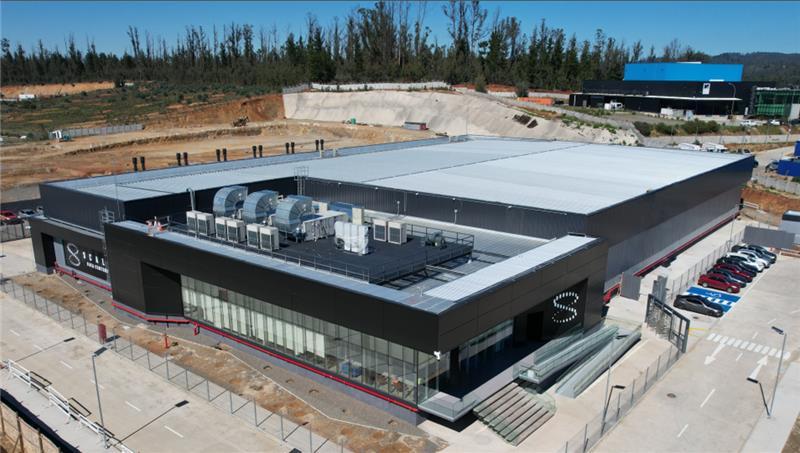
Chile has increasingly positioned itself as one of Latin America’s most attractive destinations for digital infrastructure and technology investment.
Strong telecommunications networks, relatively stable economic conditions, renewable energy development, and geographic advantages have helped attract interest from major global companies.
Government officials and economic analysts believe projects connected to AI infrastructure expansion could help transform Chile into a regional technology and cloud computing hub over the next decade.
Several international firms have already explored opportunities tied to data centers, renewable energy partnerships, and AI-related infrastructure development within the country.
Business leaders argue these investments may generate employment opportunities, support local suppliers, improve digital access, and encourage broader economic modernization.
Yet public officials are also facing growing pressure to ensure economic growth does not undermine environmental protections or community interests.
Why Artificial Intelligence Is Driving Global Data Center Growth
The rapid rise of artificial intelligence has dramatically increased demand for powerful computing infrastructure around the world.
AI systems rely on enormous processing capabilities to train machine learning models, analyze data, generate content, and support enterprise operations. This demand has fueled aggressive competition among major technology companies seeking to expand data center capacity globally.
The global race for AI infrastructure expansion now includes investments across North America, Europe, Asia, and Latin America.
Amazon, Microsoft, Google, Meta, and other technology giants continue allocating billions of dollars toward cloud infrastructure projects capable of supporting next-generation AI systems.
Industry experts say countries able to attract advanced infrastructure projects may gain significant long-term economic advantages tied to digital transformation and emerging technologies.
At the same time, critics argue the environmental costs associated with massive computing facilities must receive greater attention as global energy consumption continues rising.
The History of Chile’s Technology Infrastructure Growth
Chile’s rise as a technology destination did not happen overnight. Over the past two decades, the country steadily invested in telecommunications modernization, renewable energy development, and international business expansion.
Government policies encouraging foreign investment and infrastructure development helped create favorable conditions for technology companies entering the South American market.
During the 2010s and early 2020s, cloud computing demand increased significantly as businesses adopted digital operations, remote work systems, and online commerce platforms.
The acceleration of artificial intelligence during recent years further intensified infrastructure demand, helping fuel the latest wave of AI infrastructure expansion projects now entering the region.
Technology analysts believe Chile’s strategic geographic position and renewable energy potential could make it one of the most important digital infrastructure hubs in Latin America by the early 2030s.
Environmental Groups Continue Monitoring the Project
Despite losing the environmental challenge, community organizations and environmental advocates say they will continue monitoring the project as development progresses.
Public concerns remain focused on sustainability transparency, water management, renewable energy sourcing, and long-term environmental oversight.
Environmental experts say future infrastructure debates may become increasingly common as governments worldwide attempt to balance economic modernization with environmental protection goals.
The Chile case is now being viewed internationally as an example of the broader tensions emerging between digital growth and sustainability concerns.
Many policymakers face difficult decisions regarding how aggressively they should pursue technology investment while protecting natural resources and local communities.
“The future economy will depend on digital infrastructure,”
one policy expert said.
“But public trust depends on transparency and responsible development.”
Economic Benefits Could Extend Beyond the Technology Industry
Supporters of the project argue the long-term economic impact may extend well beyond cloud computing itself.
Large-scale data center developments often generate construction activity, engineering contracts, infrastructure upgrades, supplier partnerships, and long-term technical jobs.
Some economists believe AI infrastructure expansion may eventually create secondary growth opportunities in cybersecurity, software development, telecommunications, renewable energy, and digital services industries.
Technology investments can also encourage startup ecosystems and innovation-focused business development.
However, critics argue governments must ensure economic benefits are distributed fairly rather than concentrated primarily among large multinational corporations.
The debate surrounding economic opportunity versus environmental impact remains one of the defining policy challenges tied to modern technology infrastructure projects.