
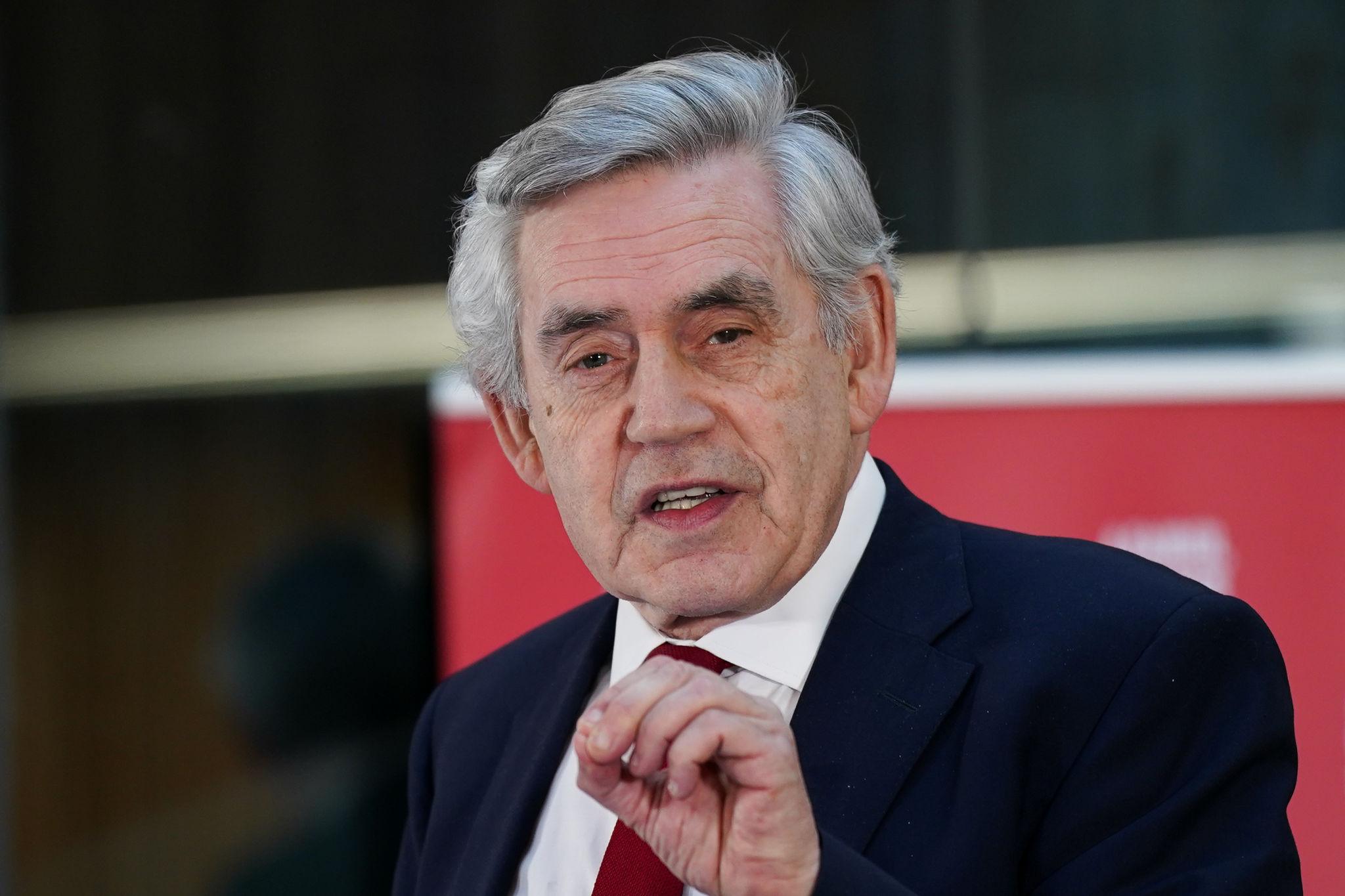
London, United Kingdom (Parliament Politics Magazine) UK global finance strategy moved into sharper international focus Friday after Prime Minister Keir Starmer appointed former Prime Minister Gordon Brown as a special envoy tasked with supporting global economic cooperation and financial reform discussions.
The appointment comes during a period of rising international concern surrounding sovereign debt, economic inequality, climate financing, and slower growth affecting both developed and emerging economies.
British officials said Brown would help strengthen diplomatic engagement involving development funding, debt restructuring, economic stability, and international financial coordination throughout 2026.
Political analysts described the move as one of the clearest signals yet that the Labour government intends to expand Britain’s influence in global economic policy discussions.
“The UK is clearly attempting to position itself as a more active player in international economic diplomacy,”
one London-based economist stated.
Starmer Government Pushes International Financial Cooperation
The expanding UK global finance strategy reflects broader efforts by the British government to strengthen international partnerships tied to development financing and economic reform.
Officials indicated that Brown may participate in discussions involving debt sustainability, infrastructure investment, climate adaptation funding, and multilateral financial coordination.
Supporters argue that Brown’s experience handling economic crises and international negotiations gives Britain a recognizable voice in global financial diplomacy.
Critics, however, questioned whether former political leaders should continue receiving influential international assignments after leaving office.
The government defended the appointment by emphasizing Brown’s extensive experience involving financial policy and humanitarian development initiatives.
Gordon Brown Returns to Global Economic Leadership
Brown remains one of Britain’s most internationally recognized political figures connected to economic policy and development financing.
The growing attention surrounding the UK global finance strategy has renewed focus on Brown’s previous leadership during the 2008 global financial crisis and his later involvement in international anti-poverty campaigns.
Following his time as Prime Minister, Brown continued working on global education access, debt relief programs, and international humanitarian financing initiatives.
Several international development organizations welcomed the appointment, arguing that experienced economic leadership is increasingly important as global instability and financial fragmentation continue rising.
“Global debt and inequality challenges require experienced leadership and international coordination,”
one European financial policy adviser explained.
Debt Pressure and Economic Instability Increase Urgency
The expanding UK global finance strategy comes as many countries continue struggling with inflation pressure, rising borrowing costs, weaker growth, and debt repayment challenges.
International organizations have repeatedly warned that financial instability in developing economies could create broader political and economic risks if left unresolved.
Analysts believe Britain may increasingly focus on policies supporting sustainable development financing, infrastructure investment, and climate-related funding programs.
The UK government also appears interested in strengthening relationships with multilateral institutions involved in international lending and development support.
Several economists noted that economic diplomacy is becoming more important as governments attempt to manage growing global financial pressure.

History of Britain’s Role in Global Financial Policy
The current UK global finance strategy continues Britain’s long-standing involvement in shaping international economic discussions and financial governance systems.
London has historically served as one of the world’s leading financial centers, influencing banking policy, investment markets, international trade, and development financing.
During the 2008 global financial crisis, Gordon Brown played a highly visible role coordinating international stabilization efforts alongside world leaders and financial institutions.
Many analysts credited Britain’s aggressive intervention policies at the time with helping calm portions of the global banking system during one of the most volatile financial periods in modern history.
Brown later became associated with international campaigns supporting debt relief, poverty reduction, and global education funding initiatives.
Financial Markets Watch Britain’s Economic Diplomacy
The broader UK global finance strategy is attracting attention from financial institutions, international investors, and development agencies worldwide.
Global markets remain highly sensitive to political decisions involving sovereign debt management, climate financing, and economic reform coordination.
Some analysts believe the UK government may attempt to strengthen its international economic influence by increasing involvement in global development policy and multilateral financial negotiations.
The appointment also comes amid wider discussions surrounding World Bank reforms, global taxation cooperation, and sustainable investment financing.
“Economic diplomacy is becoming central to international politics as governments confront rising financial pressure,”
one banking strategist said.
Political Debate Emerges Across Britain
Reaction inside Britain remained mixed Friday as political commentators debated the implications of Brown’s return to a major international role.
Supporters described the appointment as practical and internationally focused, while critics questioned whether the government should rely heavily on former leaders connected to previous administrations.
The growing UK global finance strategy debate may also influence broader discussions involving Britain’s economic positioning after Brexit and its long-term international relationships.
Labour officials insisted the decision reflects the seriousness of current global economic challenges and the need for experienced diplomatic leadership.
Political analysts suggested the appointment could improve Britain’s credibility among international financial organizations and global policymakers.
What Comes Next for Britain’s Global Economic Role?
The appointment of Gordon Brown signals that international economic diplomacy is expected to remain a major government priority during 2026.
The evolving UK global finance strategy may involve participation in future international summits, development conferences, debt negotiations, and climate financing discussions.
Analysts expect Britain to increase involvement in conversations surrounding infrastructure financing, development investment, global inequality, and economic resilience.
Several governments worldwide continue searching for new strategies to address rising debt levels, inflation concerns, and slowing growth conditions.
For now, Britain’s renewed focus on financial diplomacy reflects growing recognition that global economic stability requires stronger international cooperation.
Quick Takeaway
Prime Minister Keir Starmer’s appointment of Gordon Brown as special envoy highlights Britain’s expanding focus on international economic diplomacy during 2026. The UK global finance strategy now appears increasingly centered on debt reform, development funding, climate financing, and broader global financial cooperation as governments worldwide confront rising economic uncertainty and financial instability.
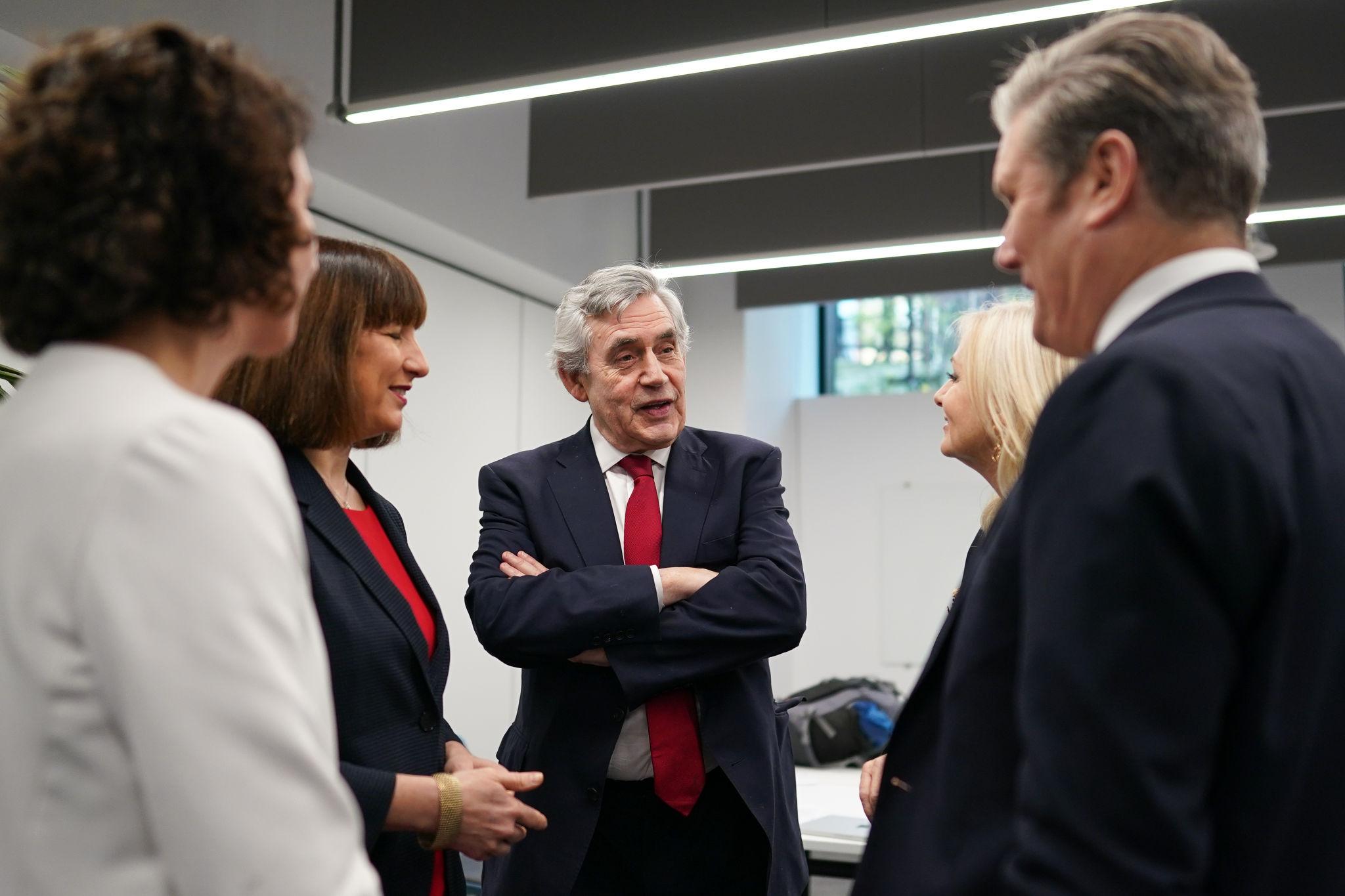
UK Global Finance Strategy 2026 at a Glance
- Country: United Kingdom
- Location: London
- Date: May 9, 2026
- Main Topic: UK global finance strategy
- Key Appointment: Gordon Brown
- Prime Minister: Keir Starmer
- Policy Focus: Debt reform and development financing
- Global Concern: Economic instability and rising debt
- Financial Areas: Climate funding and international cooperation
- Political Goal: Expanded UK economic influence
- International Focus: Global financial diplomacy
- 2026 Outlook: Increased economic coordination expected