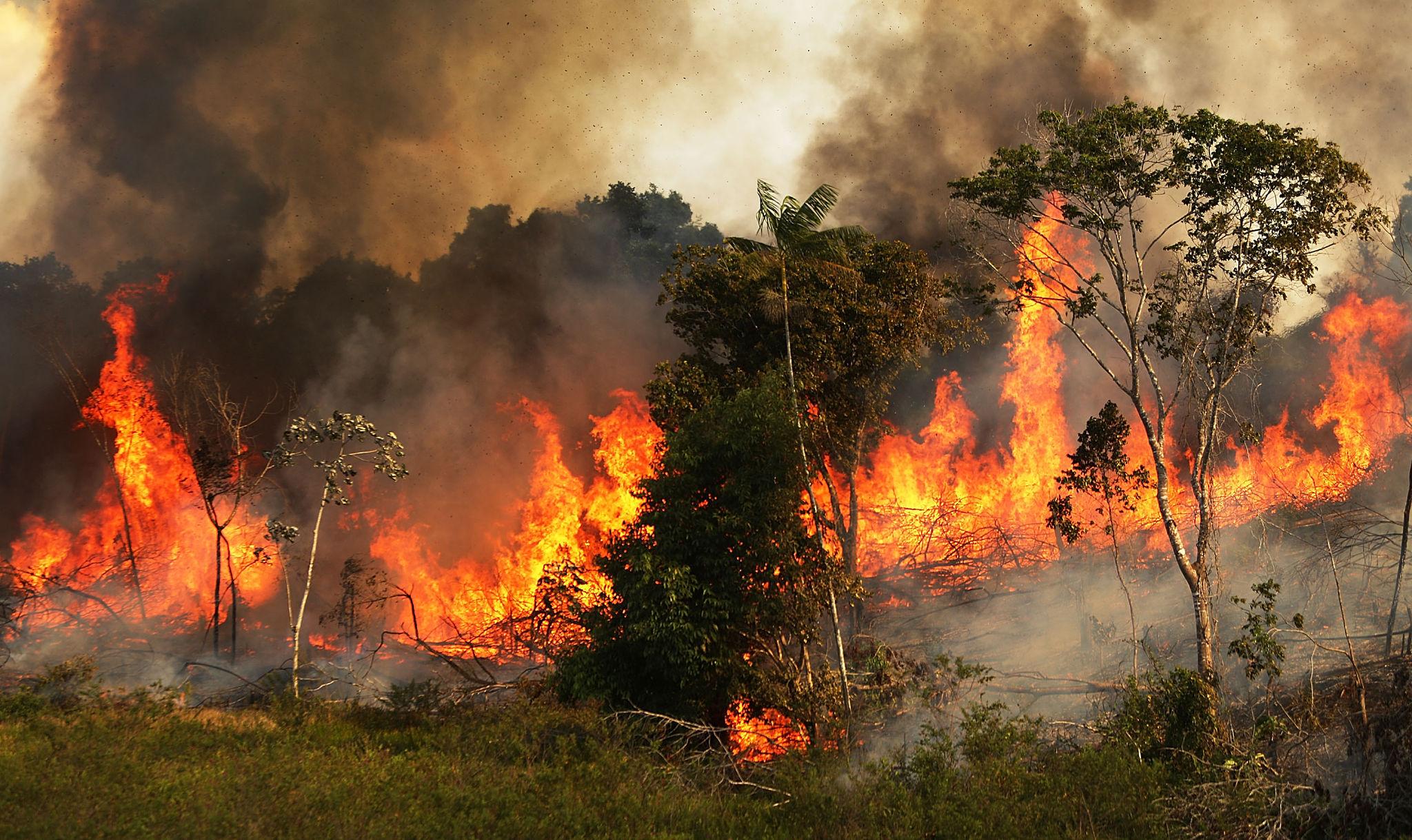
The Brazil deforestation crisis remains a major global environmental concern in 2026 as Amazon land clearing continues impacting climate and biodiversity.
Authorities, environmental groups, and international markets are closely monitoring illegal logging, agricultural expansion, and conservation efforts.
Analysts warn the environmental and economic consequences could reshape global climate policy discussions throughout the year.
Brasília, Brazil (Parliament Politics Magazine) Brazil deforestation crisis discussions intensified this week as environmental agencies, international climate groups, and agricultural analysts warned that ongoing land clearing in parts of the Amazon rainforest continues threatening biodiversity, global climate systems, and indigenous territories throughout 2026.
Satellite monitoring data released by environmental observers showed continued pressure on forest regions tied to illegal logging, cattle ranching, mining activity, and expanding agricultural operations. The growing concern arrives as world leaders increase focus on climate policies ahead of several major international environmental meetings scheduled later this year.
Brussels Morning Newspaper notes that the Amazon rainforest remains one of the planet’s most critical ecological systems because of its role in carbon absorption, rainfall regulation, and biodiversity preservation.
One environmental scientist stated,
“The Amazon is not simply Brazil’s issue anymore; its stability affects weather, agriculture, and climate patterns across the world.”
Brazil Deforestation Crisis 2026
- Location: Amazon Rainforest, Brazil
- Date: May 2026
- Primary Concern: Rising illegal logging and land clearing
- Major Industries Linked: Cattle ranching, soybean farming, mining
- Environmental Threat: Increased carbon emissions and biodiversity loss
- Technology Used: Satellites, drones, AI monitoring systems
- Global Impact: Climate instability and rainfall disruption
- International Focus: Sustainability policies and trade pressure
- Key Topic for 2026: Brazil deforestation crisis and Amazon protection efforts
Amazon Land Clearing Continues Drawing Global Concern
The ongoing Brazil deforestation crisis has remained under international scrutiny for years, but experts say current economic and political conditions are creating renewed environmental risks across sensitive rainforest regions.
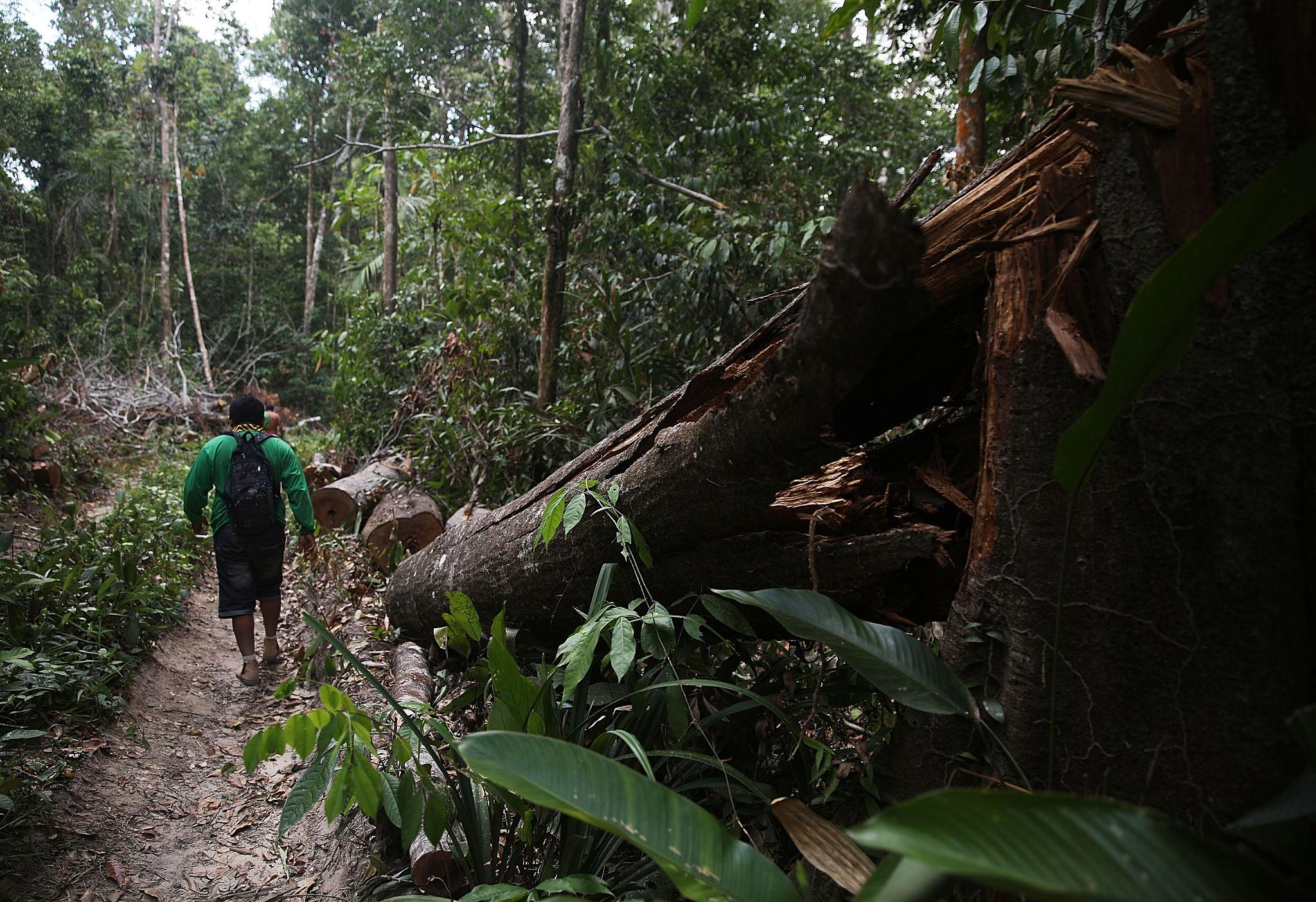
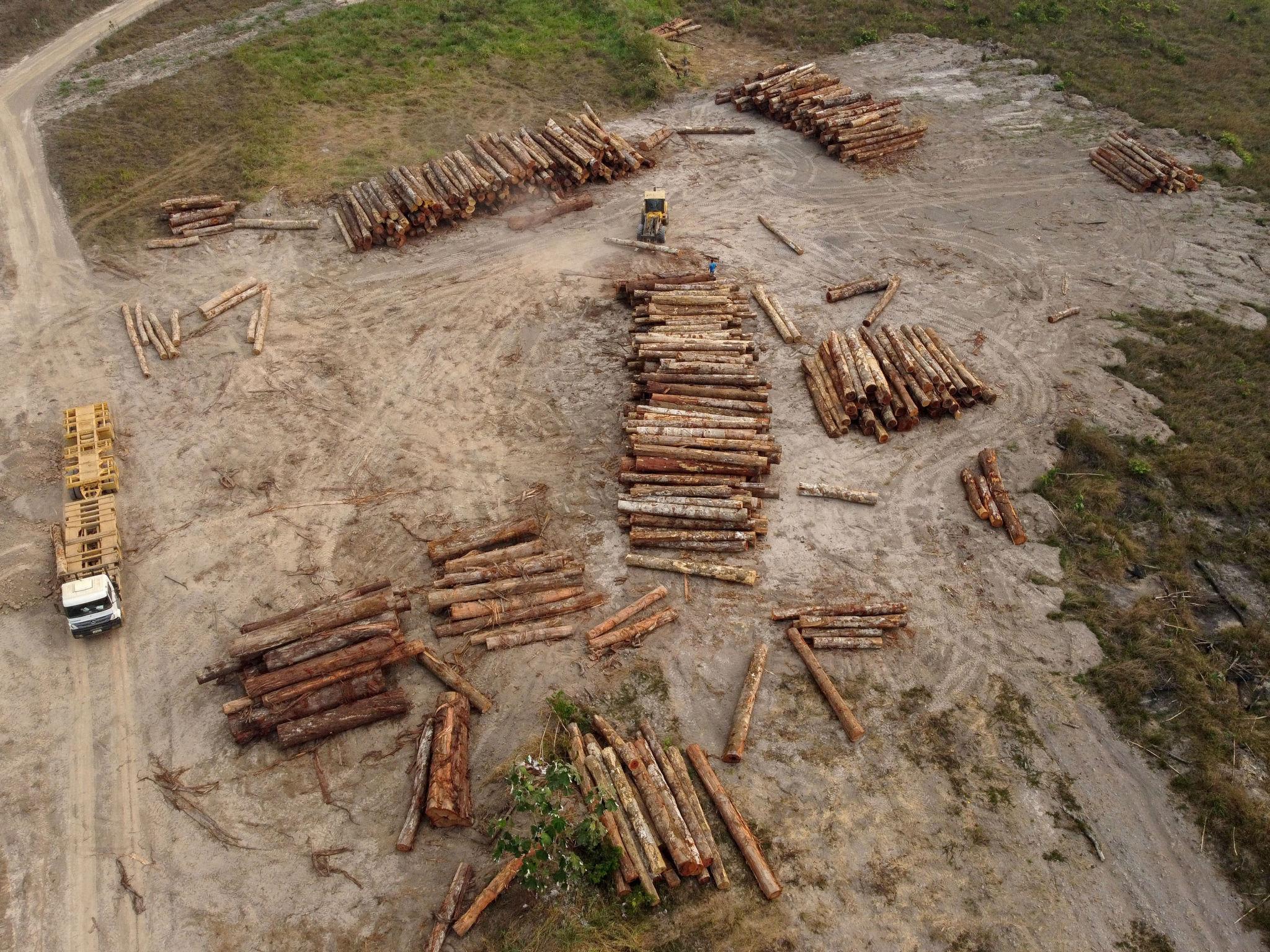
Illegal logging networks continue operating in remote areas where enforcement remains difficult. Authorities also face growing pressure from organized land seizures connected to cattle production and commercial farming expansion.
Environmental groups argue that large-scale forest removal contributes directly to rising carbon emissions while weakening natural climate regulation systems.
Several international investors have increasingly tied agricultural funding and trade agreements to sustainability commitments, placing additional pressure on exporters connected to rainforest-linked supply chains.
Climate researchers warn that continued forest destruction may eventually push sections of the Amazon toward irreversible ecological decline.
Agricultural Expansion Remains a Major Driver
Farming expansion continues playing a central role in the Brazil deforestation crisis as global demand for soybeans, beef, and agricultural commodities remains elevated.
Brazil remains one of the world’s largest agricultural exporters, supplying major international markets including China, Europe, and the United States.
While agriculture represents a critical part of Brazil’s economy, environmental advocates argue that unsustainable land clearing practices are creating long-term environmental damage that could eventually hurt agricultural productivity itself.
Some farmers have adopted sustainable production methods, but illegal expansion activities remain a significant concern in several Amazon-bordering states.
One sustainability analyst explained,
“The challenge is balancing economic growth with environmental survival. Without stronger oversight, the long-term consequences could become severe.”
Why the Amazon Rainforest Matters to the World
Scientists repeatedly describe the Amazon as one of Earth’s most important environmental systems.
The rainforest stores enormous quantities of carbon dioxide while supporting rainfall cycles that influence agriculture across South America and beyond. The region also contains millions of plant and animal species, many of which are found nowhere else in the world.
The Brazil deforestation crisis has therefore become a global issue rather than only a domestic environmental challenge.
Climate experts warn that widespread deforestation could increase drought conditions, intensify heat patterns, and disrupt ecosystems throughout the region.
International conservation groups continue urging stronger enforcement measures, expanded protected areas, and improved monitoring technologies to reduce illegal land clearing activities.
Historical Pressure on the Amazon Rainforest
The Amazon rainforest has faced environmental pressure for decades, particularly during periods of rapid agricultural expansion and infrastructure development.
During the late 20th century, large portions of rainforest land were cleared to support cattle ranching, soybean farming, mining operations, and highway construction projects.
Although Brazil achieved periods of declining deforestation through enforcement initiatives and conservation programs, environmental monitoring organizations say illegal activities have resurged in several areas during recent years.
The history of the Brazil deforestation crisis reflects the ongoing struggle between economic development and environmental preservation in one of the world’s most resource-rich regions.
International Markets Are Influencing Environmental Policies
Global financial institutions and multinational corporations are increasingly linking environmental compliance to investment decisions and trade relationships.
Several major food companies and retailers now require suppliers to demonstrate sustainable sourcing practices before securing long-term contracts.
International pressure has encouraged parts of Brazil’s agricultural sector to adopt traceability systems designed to prove products are not connected to illegal deforestation zones.
At the same time, environmental organizations continue lobbying governments worldwide to strengthen trade rules connected to rainforest protection.
One climate policy researcher stated,
“Consumers and investors are beginning to influence environmental outcomes as much as governments.”