

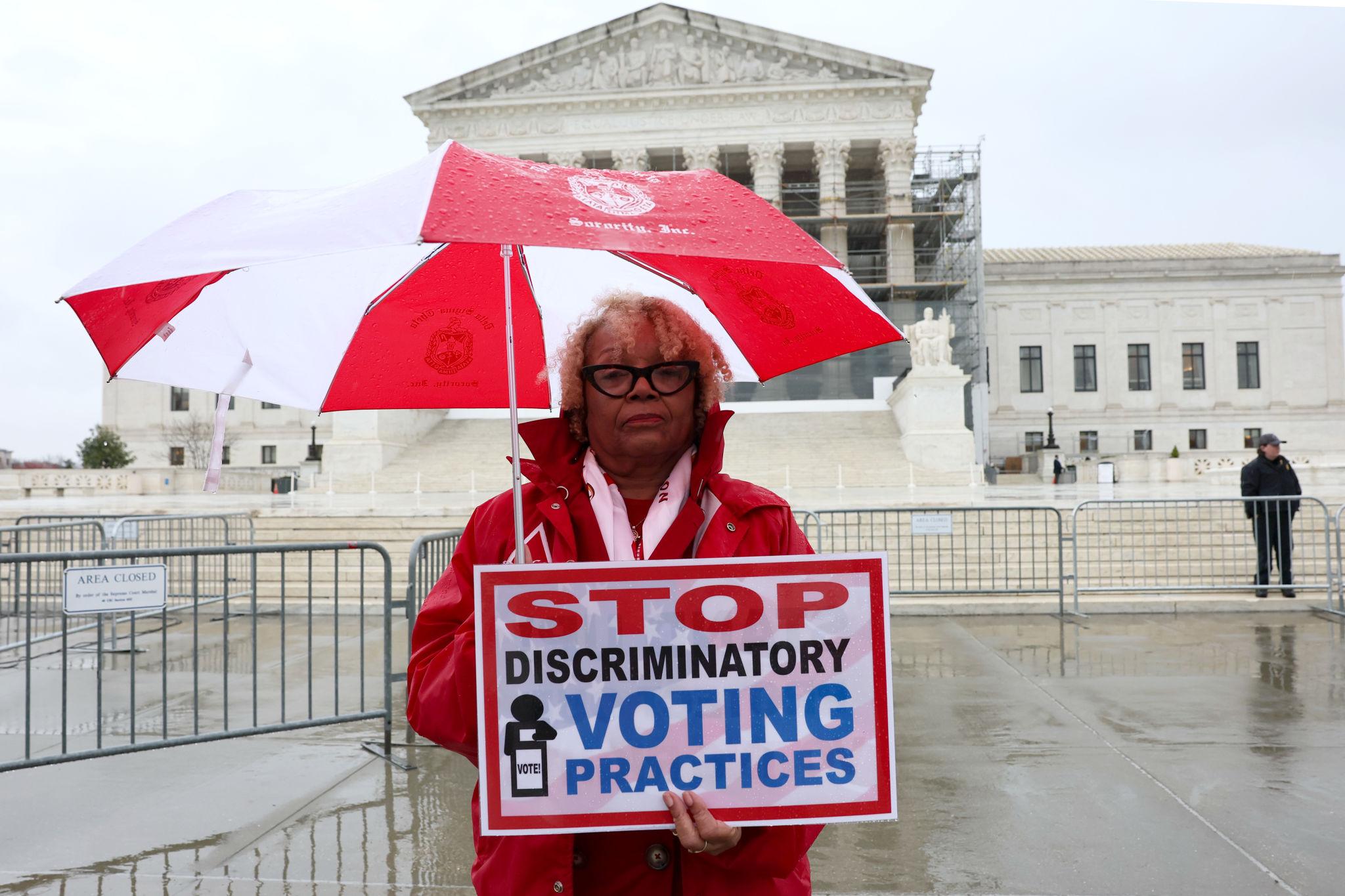
The election map controversy in Louisiana is drawing national attention in 2026 as lawmakers debate changes to congressional districts tied to minority representation.
Civil rights groups warn the proposed boundaries could weaken Black voter influence and trigger major legal challenges ahead of future elections.
Political analysts say the dispute may reshape national redistricting battles and voting rights discussions throughout the year.
Baton Rouge, Louisiana (Parliament Politics Magazine) Election map controversy discussions intensified across Louisiana this week after Republican lawmakers advanced proposals that critics argue could weaken minority representation in congressional elections.
The dispute has triggered widespread political debate, public demonstrations, and legal concerns involving voting rights protections and congressional district boundaries. Civil rights groups, election experts, and political organizations are closely monitoring developments as tensions rise ahead of future federal election cycles.
Brussels Morning Newspaper notes that the issue has rapidly evolved into one of the most closely watched redistricting battles in the United States during 2026.
One voting rights attorney stated,
“This debate is not only about district lines; it is about public confidence in democratic representation.”
Republican Leaders Defend Proposed District Changes
State Republican lawmakers argue the proposed congressional maps are designed to create legally stable districts that follow constitutional guidelines and population balancing requirements.
Supporters insist the changes connected to the Election map controversy are part of standard redistricting procedures rather than efforts to target specific voter groups.
Several Republican officials have stated that district boundaries must prioritize geographic continuity and balanced representation instead of race-focused political considerations.
However, critics claim the proposed maps could significantly alter voting influence in areas with historically large Black populations.
Political analysts say the growing Election map controversy reflects broader national political divisions tied to voting laws and congressional representation.
Civil Rights Organizations Raise Legal Concerns
Civil rights organizations have strongly criticized the proposed district changes tied to the Election map controversy, arguing that minority voting strength could be diluted if the maps are approved.
Advocacy groups say federal voting protections were originally designed to prevent representation disparities in states with histories of racial discrimination.
Several organizations are already preparing possible legal action if lawmakers move forward with the proposed congressional boundaries.
One civil rights advocate stated,
“Communities deserve fair political representation that reflects the actual population.”
Legal experts believe the Election map controversy could eventually reach federal courts depending on how the legislative process unfolds during the coming months.
Public Frustration Continues Growing Across Louisiana
Residents across Louisiana expressed frustration and confusion during recent public meetings discussing the Election map controversy.
Community activists gathered near government buildings and legislative offices demanding transparency throughout the redistricting process.
Some voters believe lawmakers are prioritizing political advantage over fair representation, while others argue district mapping has become increasingly politicized nationwide.
Social media platforms have also become major battlegrounds for debate surrounding the Election map controversy, with competing political groups sharing conflicting interpretations of the proposed changes.
Political observers say congressional map disputes often create long-term public distrust because district boundaries can influence election outcomes for years.

Historical Redistricting Battles Continue Shaping Louisiana Politics
The current Election map controversy is part of a much longer history involving voting rights disputes and congressional district battles throughout Louisiana.
Federal courts previously reviewed Louisiana’s congressional maps after advocacy organizations argued minority representation did not reflect state demographics.
Those legal battles resulted in years of political negotiations and courtroom decisions involving the Voting Rights Act and constitutional protections.
Political historians say Louisiana has remained central to national debates involving race, political representation, and election law across the American South.
The history tied to the Election map controversy continues influencing both public opinion and legal strategy in 2026.
National Political Groups Closely Monitoring Situation
National Democratic and Republican organizations are increasingly involved in the Election map controversy because the outcome may influence congressional control and future election strategies nationwide.
Election experts say even one congressional district can become politically important in closely divided federal elections.
Several national civil rights leaders have publicly commented on the issue, warning that future redistricting disputes in other states may be affected by the Louisiana case.
Meanwhile, conservative legal organizations argue congressional districts should focus on constitutional standards rather than racial demographic targets.
One constitutional scholar explained, “Redistricting fights are becoming some of the most important political and legal battles in America.”
Courts Could Decide the Final Outcome
Legal analysts believe courts may once again determine the future direction of the Election map controversy if lawsuits are formally filed after legislative approval.
Federal judges reviewing the issue would likely examine whether district boundaries comply with voting rights protections while maintaining constitutional district standards.
Election law experts say similar legal disputes have emerged in multiple states as demographic changes continue reshaping political representation nationwide.
The Election map controversy is expected to remain a dominant political issue throughout 2026 as legal challenges and legislative debates continue.
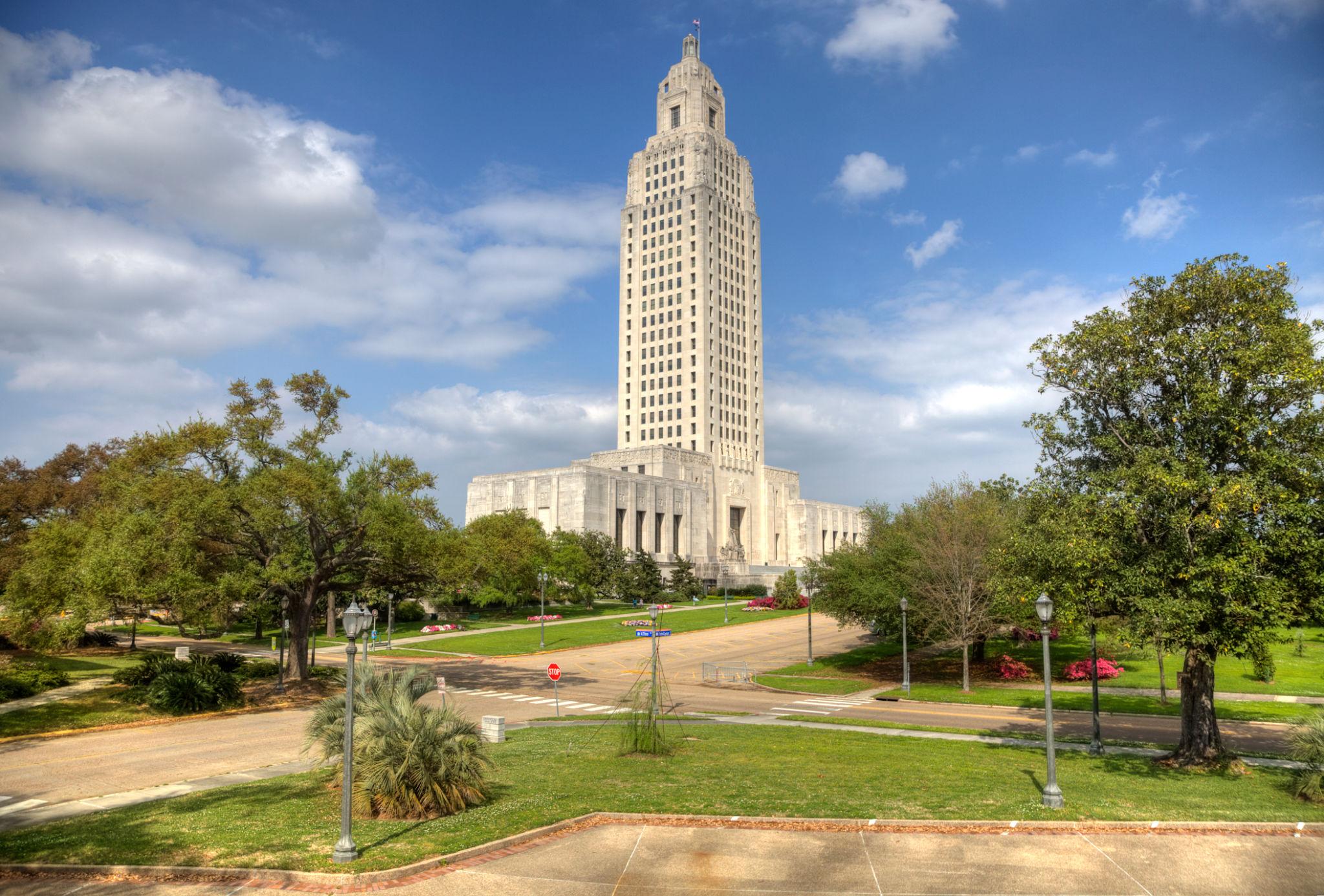
- Location: Louisiana, United States
- Date: May 2026
- Primary Issue: Congressional district boundary changes
- Main Concern: Minority voter representation
- Legal Focus: Voting Rights Act compliance
- Political Impact: Potential influence on future elections
- Groups Involved: Lawmakers, civil rights organizations, courts
- National Attention: Growing federal political interest
- Focus Keyword: Election map controversy