
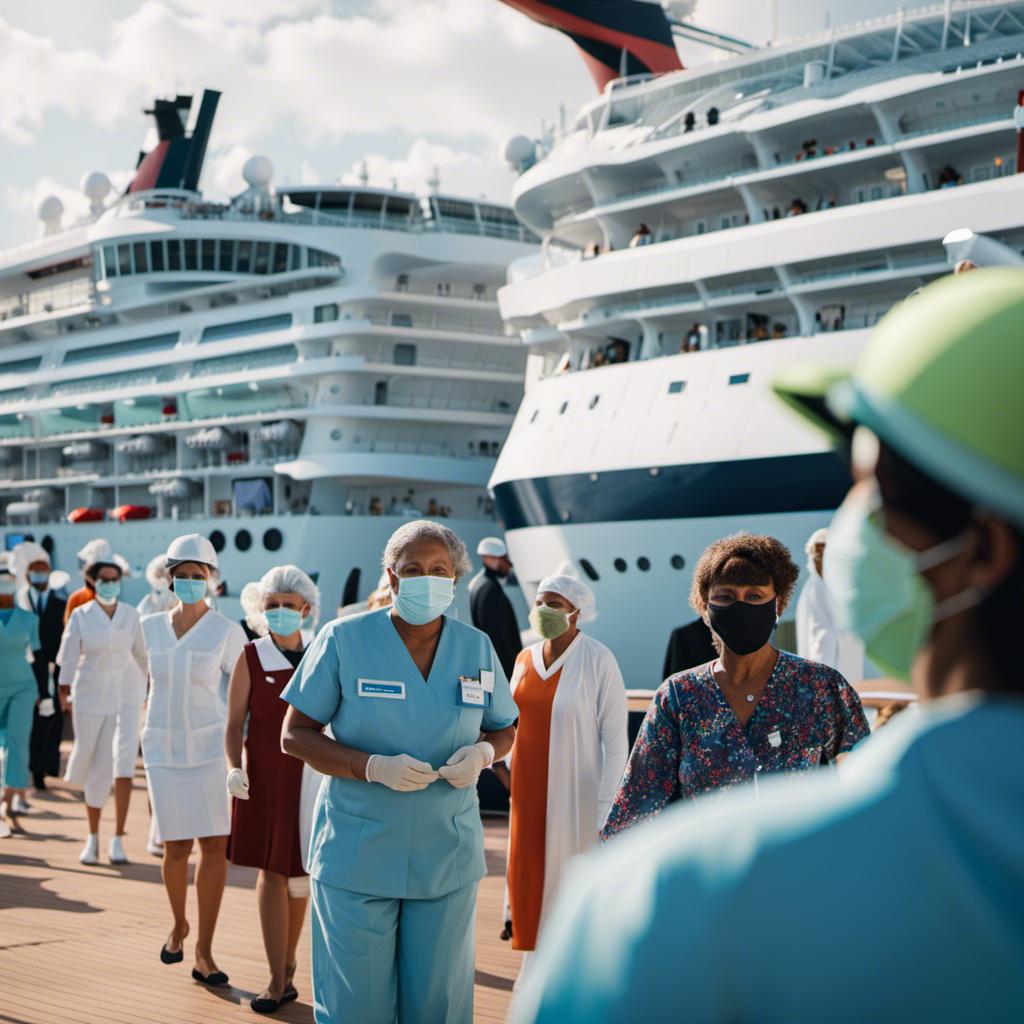
Tenerife, Spain (Parliament Politics Magazine) Maritime health emergency concerns intensified after a cruise ship arrived in Tenerife while health authorities continued investigating a suspected hantavirus outbreak involving passengers and crew during an international voyage.
Medical teams immediately began precautionary evaluations after the vessel entered port, with regional officials coordinating alongside maritime authorities and cruise operators to assess possible exposure risks. The situation has quickly attracted international attention because infectious illness incidents aboard cruise ships often create broader concerns involving passenger safety, tourism stability, and public health preparedness.
One infectious disease expert stated,
“Rapid medical coordination is critical whenever unusual illness clusters appear in confined travel environments.”
The latest developments have also renewed debate surrounding onboard medical readiness and emergency containment procedures throughout the global cruise industry.
Passenger Monitoring Expands Following Cruise Arrival
The growing Maritime health emergency situation prompted expanded passenger screening procedures shortly after the ship docked in Tenerife.
Authorities are currently reviewing:
- Passenger symptom records
- Medical treatment logs
- Cabin sanitation measures
- Ventilation systems
- Potential environmental exposure sources
Health officials have not publicly confirmed final laboratory findings while investigations remain ongoing.
Medical experts note that hantavirus symptoms can initially resemble common respiratory illnesses, making early diagnosis more difficult during preliminary evaluations.
Cruise operators are cooperating with public health agencies while emphasizing passenger safety and ongoing medical support throughout the investigation process.
One regional health official explained,
“Precautionary monitoring remains essential until investigators fully understand the nature of the illness.”
Cruise Industry Faces Renewed Safety Questions
The incident involving the Maritime health emergency has intensified discussion about infectious disease risks within international cruise operations.
Cruise ships transport thousands of passengers and crew members in confined environments where medical incidents can escalate rapidly if not identified early. Following previous global health crises, cruise companies expanded sanitation systems, onboard medical staffing, and emergency isolation capabilities.
Current cruise safety measures frequently include:
- Advanced air filtration systems
- Emergency medical response teams
- Isolation cabins
- Enhanced sanitation protocols
- Passenger health screenings
Despite these improvements, public health experts warn that global travel environments remain vulnerable to infectious disease concerns involving both known and emerging illnesses.
A maritime medical consultant stated,
“Cruise operators now face far greater expectations regarding transparency, preparedness, and rapid emergency response.”
Health Authorities Continue Disease Investigation
The growing Maritime health emergency response remains focused on identifying the exact source and transmission pathway associated with the suspected hantavirus outbreak.
Investigators are analyzing:
- Passenger travel histories
- Environmental conditions aboard the ship
- Food handling operations
- Wildlife exposure possibilities
- Laboratory testing results
Officials continue emphasizing that confirmed hantavirus infections remain relatively rare compared to many other infectious diseases.
Medical authorities have urged the public to avoid unnecessary panic while remaining attentive to official updates and precautionary guidance.
Health agencies are expected to continue monitoring passengers and crew members over the coming days as evaluations remain active.

History of Infectious Illnesses on Cruise Ships
The latest Maritime health emergency follows a long history of health-related incidents affecting global cruise travel operations.
Historically, cruise ships have experienced periodic outbreaks involving:
- Respiratory viruses
- Gastrointestinal illnesses
- Environmental contamination concerns
- Seasonal infections
Public health specialists note that modern cruise vessels now maintain significantly stronger sanitation and medical response systems than previous decades.
The cruise industry invested heavily in health infrastructure following earlier international outbreaks that impacted passenger confidence and tourism activity worldwide.
Medical historians emphasize that rapid detection, isolation procedures, and coordinated communication remain critical components of successful outbreak management aboard ships.
Tourism Industry Watches Situation Closely
The ongoing Maritime health emergency is being monitored carefully by global tourism sectors because cruise travel remains a major contributor to international tourism economies.
Tenerife serves as one of Europe’s most important cruise destinations, attracting millions of visitors annually. Any prolonged uncertainty surrounding infectious illness events could influence:
- Cruise bookings
- Travel insurance markets
- Hotel occupancy rates
- Airline demand
- Tourism investment activity
Travel analysts say the tourism industry remains highly sensitive to health-related disruptions following previous international public health crises.
One tourism strategist explained,
“Traveler confidence depends heavily on visible safety procedures and effective communication during health emergencies.”
Emergency Preparedness Becomes Industry Priority
The expanding Maritime health emergency situation highlights the increasing importance of emergency preparedness within international transportation industries.
Cruise operators, port authorities, and health agencies continue reviewing emergency response capabilities designed to address:
- Passenger evacuations
- Quarantine procedures
- Medical staffing requirements
- Communication coordination
- Disease containment measures
Industry leaders believe ongoing investments in medical technology and onboard healthcare systems will remain essential as international travel volumes continue growing.
The latest incident may also encourage additional regulatory reviews regarding health protocols across international cruise operations during 2026.
Public Health Officials Stress Caution and Monitoring
Authorities responding to the Maritime health emergency continue emphasizing that investigations remain active while medical evaluations continue in Tenerife.
Officials have encouraged passengers and crew members experiencing symptoms to seek immediate medical attention and cooperate with ongoing health monitoring procedures.
Public health agencies are expected to continue working alongside international maritime organizations while reviewing additional information connected to the suspected outbreak.
Experts stress that early response measures remain one of the most effective tools for limiting broader health risks in travel-related incidents.
A public health researcher stated,
“Preparedness and rapid coordination remain essential to protecting both travelers and local communities.”
The latest Maritime health emergency involving a cruise ship arriving in Tenerife has intensified international attention on infectious disease preparedness throughout the global cruise industry during 2026.
As health authorities continue investigating possible hantavirus exposure and monitoring passengers, the incident highlights the importance of rapid medical response systems, sanitation standards, and coordinated public health procedures aboard international vessels.
The situation also demonstrates how quickly health concerns can influence tourism confidence, maritime operations, and global travel industries.
With investigations continuing, public health officials remain focused on precautionary monitoring and passenger safety while additional information becomes available.
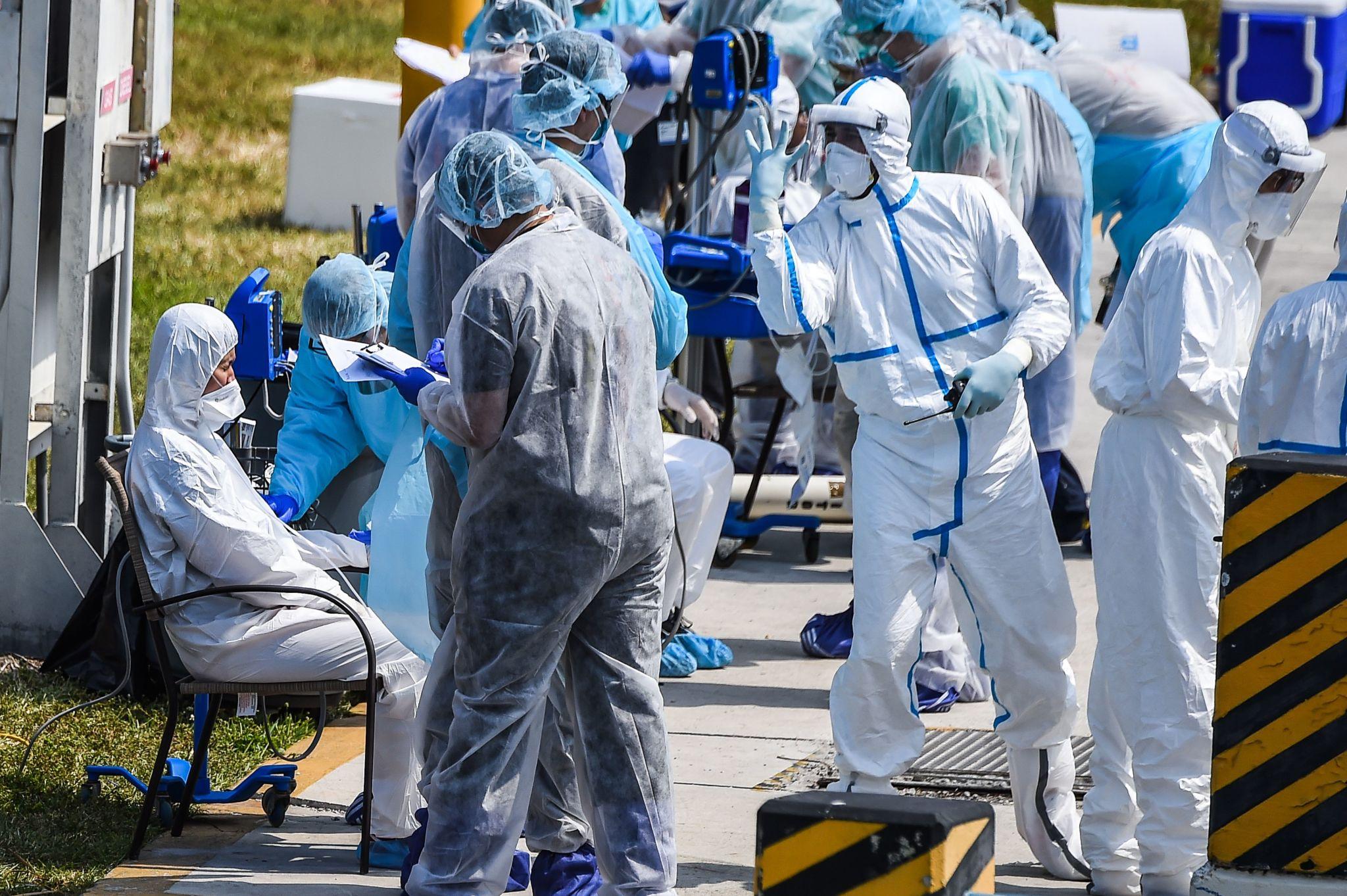
Maritime Health Emergency 2026
- Incident Type: Suspected onboard illness outbreak
- Location: Tenerife, Spain
- Year: 2026
- Industry Impact: Cruise and tourism sectors
- Primary Concern: Passenger health monitoring
- Health Focus: Suspected hantavirus exposure
- Authorities Involved: Maritime and health agencies
- Operational Response: Medical evaluations and containment measures
- Tourism Outlook: Increased health surveillance
- Investigation Status: Active and ongoing