

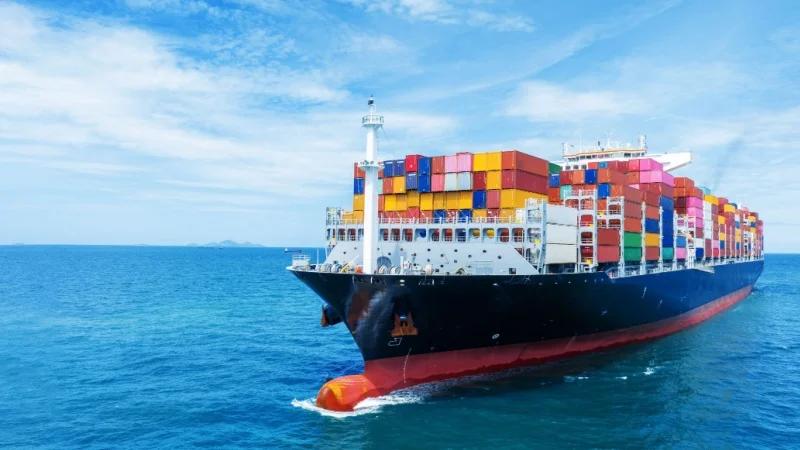
Gulf maritime security concerns are intensifying after a commercial bulk carrier was struck near Qatar during 2026.
Shipping operators and energy markets are closely monitoring rising tensions affecting critical trade routes across the Gulf region.
Industry analysts warn that continued instability could increase risks for commercial shipping and global energy transportation.
Doha, Qatar (Parliament Politics Magazine) Gulf maritime security concerns are increasing across international shipping markets after a commercial bulk carrier was reportedly struck by an unknown projectile near Qatar, raising new fears about the safety of critical trade and energy transportation routes throughout the Gulf region.
The incident has triggered heightened attention among maritime authorities, shipping operators, and energy analysts because Gulf waters remain among the most strategically important commercial corridors in the world.
Industry observers say the latest vessel strike demonstrates how quickly regional instability can affect global trade confidence and shipping operations.
One maritime analyst stated,
“Commercial shipping depends heavily on predictability, and even isolated incidents can create widespread market anxiety.”
Commercial Shipping Companies Increase Monitoring
The latest developments surrounding Gulf maritime security have prompted shipping firms and maritime monitoring agencies to strengthen surveillance measures across key Gulf shipping lanes.
Commercial vessel operators moving crude oil, liquefied natural gas, industrial materials, and consumer products through nearby waters are closely reviewing operational risks following the projectile incident.
Shipping companies are now reassessing:
- Vessel routing plans
- Crew safety procedures
- Communication systems
- Insurance exposure
- Security monitoring protocols
Industry experts believe ongoing uncertainty may temporarily increase shipping expenses as businesses attempt to reduce operational risks near sensitive maritime corridors.
Several regional authorities have also increased monitoring activities to ensure commercial traffic continues moving safely through Gulf waters.
Energy Markets React to Regional Shipping Risks
The growing attention surrounding Gulf maritime security is also influencing global energy market sentiment because the region plays a vital role in worldwide oil and natural gas exports.
Qatar remains one of the largest liquefied natural gas exporters globally, while nearby Gulf shipping routes support massive daily energy transportation volumes.
Market analysts warn that maritime incidents near strategic shipping lanes can quickly influence:
- Oil prices
- LNG trading activity
- Freight costs
- Shipping insurance rates
- Commodity market volatility
Although major supply disruptions have not been confirmed, investors continue closely monitoring developments linked to regional maritime tensions.
A shipping consultant explained,
“Energy markets immediately respond whenever security concerns emerge near critical export routes.”
Maritime Authorities Continue Investigation
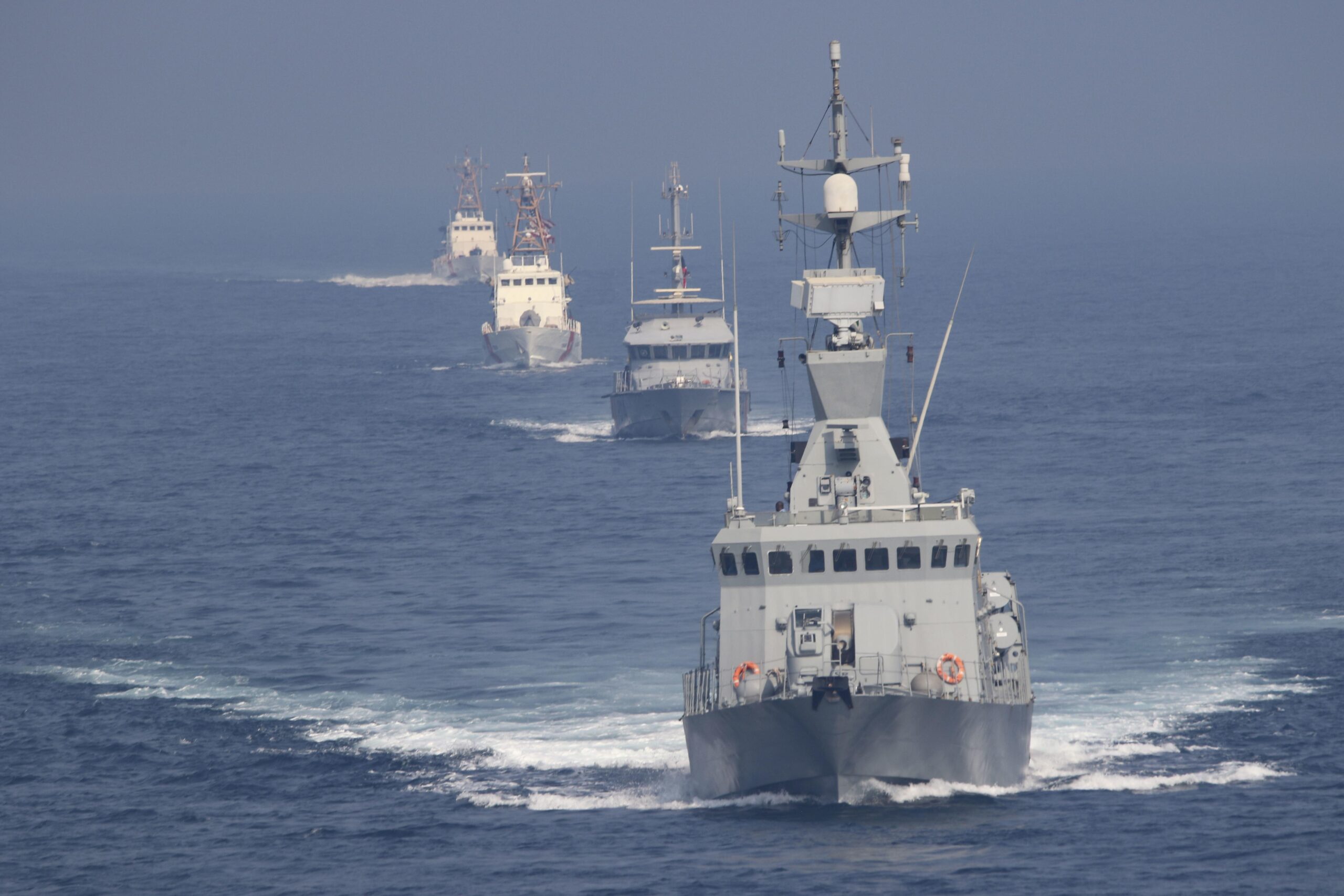
Authorities continue investigating the incident connected to growing Gulf maritime security concerns after the commercial bulk carrier was reportedly struck near Qatar.
Officials have not publicly identified the origin of the projectile involved in the incident. Maritime investigators are analyzing surveillance information, ship communications, and regional security data to determine what occurred.
Security analysts note that modern maritime incidents can involve multiple technologies, including drones, missiles, or remote-controlled systems capable of targeting vessels from significant distances.
The uncertainty surrounding the incident has increased attention on broader regional security conditions throughout the Gulf.
One regional observer stated,
“The lack of immediate clarity often intensifies concern across global shipping and commodity markets.”
History of Maritime Tensions in Gulf Waters
The latest developments involving Gulf maritime security follow decades of regional tensions affecting commercial shipping operations throughout the Gulf.
Historically, Gulf waterways have experienced:
- Tanker attacks
- Naval confrontations
- Maritime sabotage incidents
- Regional military disputes
- Shipping route disruptions
The strategic importance of Gulf waters has long made the region highly sensitive to geopolitical instability because global energy markets depend heavily on uninterrupted maritime transportation.
Security historians note that past incidents involving commercial vessels have repeatedly influenced oil prices, shipping insurance markets, and international military coordination efforts.
As maritime technology evolves, shipping operators continue facing new challenges related to drone surveillance, cyber threats, and remote attack capabilities.
International Shipping Industry Faces Growing Pressure
The continued rise in Gulf maritime security concerns is placing additional pressure on the international shipping industry during 2026.
Commercial shipping businesses are increasingly balancing operational efficiency with rising security costs and unpredictable geopolitical conditions.
Industry leaders warn that prolonged instability could eventually affect:
- Global supply chains
- Cargo delivery schedules
- Freight pricing
- Port operations
- Trade logistics planning
Several companies operating in Gulf waters are expected to review contingency plans if regional tensions continue escalating.
Analysts say shipping confidence remains heavily dependent on the perception of safe and stable maritime conditions.
Governments Increase Maritime Surveillance Efforts
The latest incident linked to Gulf maritime security may encourage governments throughout the region to expand naval patrols and surveillance capabilities near major shipping corridors.
Authorities are expected to strengthen:
- Vessel tracking systems
- Maritime communication networks
- Coastal radar monitoring
- Naval coordination efforts
- Commercial shipping advisories
International cooperation may also increase as governments seek to maintain stability across some of the world’s busiest commercial shipping lanes.
Security experts emphasize that protecting maritime infrastructure remains essential to supporting global economic stability and uninterrupted energy exports.
Insurance Costs Could Rise for Shipping Operators
The growing focus on Gulf maritime security may also influence shipping insurance costs if maritime incidents continue occurring near strategic Gulf routes.
Insurance companies regularly evaluate geopolitical risk when determining coverage costs for vessels operating in high-risk areas.
Shipping analysts believe increased security concerns could result in:
- Higher insurance premiums
- Additional operational expenses
- Enhanced onboard security requirements
- Stricter route assessments
Commercial operators continue monitoring the situation carefully while awaiting further updates from maritime authorities and regional governments.
The rising attention surrounding Gulf maritime security highlights the ongoing challenges facing global shipping operations throughout the Gulf region during 2026.
As investigations continue into the vessel incident near Qatar, international shipping firms, commodity traders, and government agencies remain focused on maintaining safe maritime transportation routes.
The latest developments also demonstrate how quickly regional instability can influence global commerce, shipping confidence, and energy market sentiment.
With Gulf waters remaining essential to international trade and energy transportation, maritime security is likely to remain a major international priority throughout the year ahead.
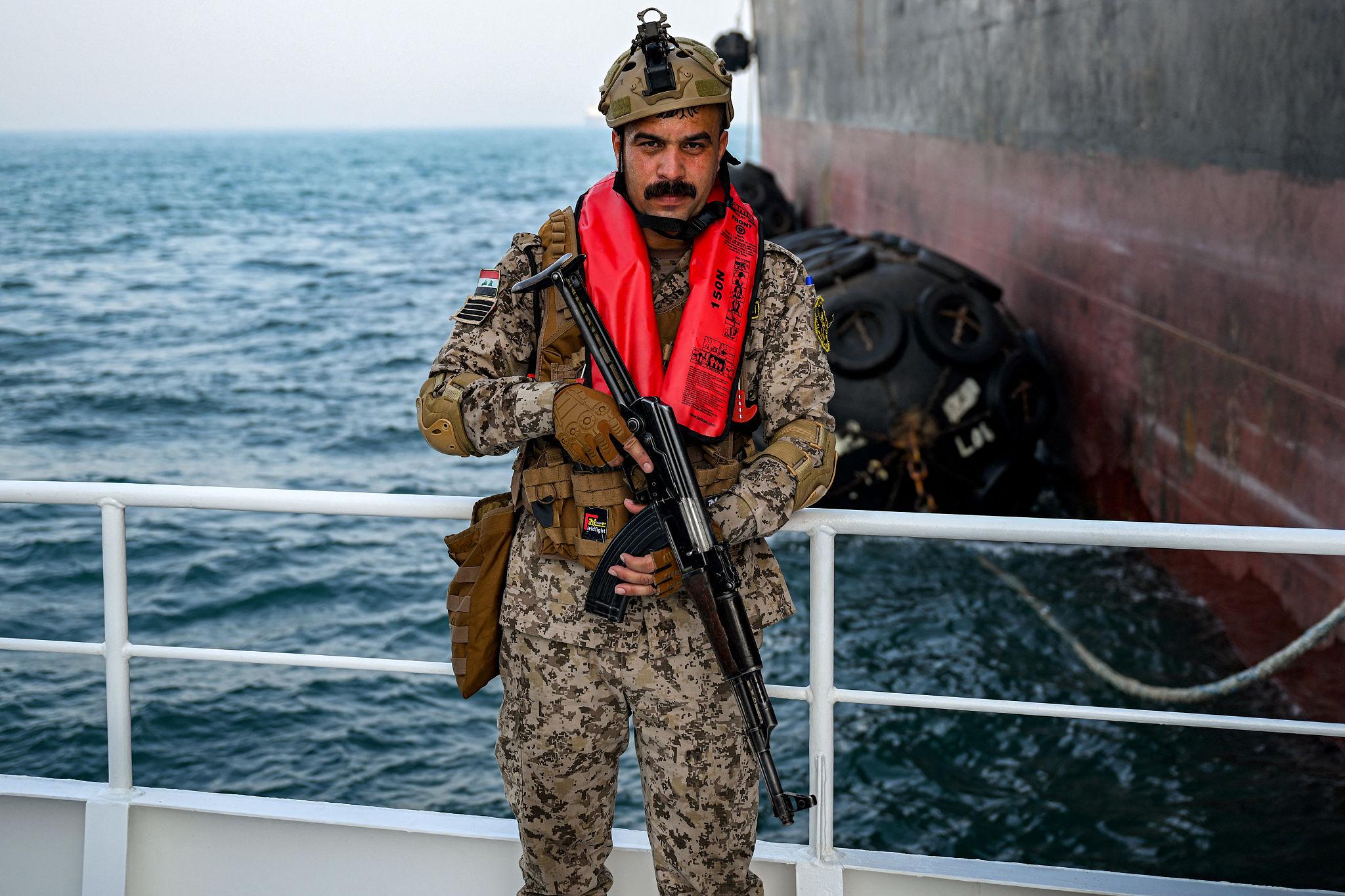
Gulf Maritime Security Market Risks 2026
- Region: Gulf waters near Qatar
- Incident Type: Projectile strike on commercial vessel
- Industry Impact: Shipping and energy markets
- Year: 2026
- Primary Concern: Maritime transportation safety
- Affected Sector: Global shipping trade
- Energy Focus: Oil and LNG export routes
- Security Trend: Increased regional surveillance
- Economic Risk: Rising shipping insurance costs
- Market Response: Heightened investor monitoring